
💡 What is Artemis ii?
Explore the full details of NASA Artemis II mission, including the crew, the Space Launch System rocket, and how this lunar flyby prepares humanity for a permanent Moon presence.
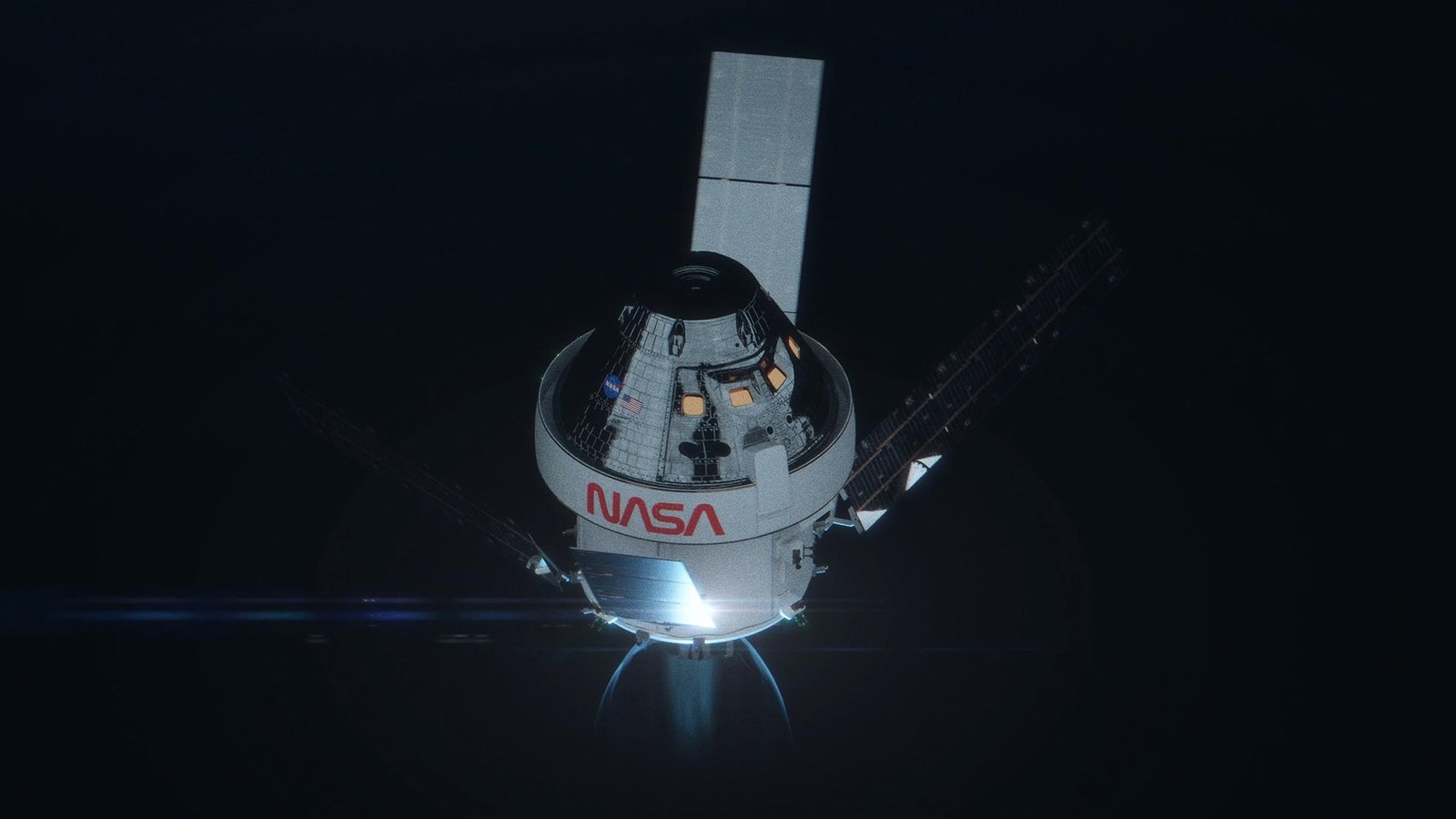
The Artemis II mission represents a pivotal moment in human history, marking the first time in over five decades that humans will journey toward the Moon. As the successor to the successful uncrewed Artemis I mission, this flight serves as the ultimate proving ground for the systems intended to carry the next generation of explorers into deep space. According to global aerospace analysts, this mission is not merely a flight around the Moon but a critical validation of the Space Launch System (SLS) and the Orion spacecraft in a crewed environment.
Understanding the intricacies of Artemis II requires looking at the technological advancements and the international cooperation that make such a feat possible. The mission is designed to test the life support systems, communication arrays, and navigation tools that will eventually support a long-term human presence on the lunar surface. Experts suggest that the success of Artemis II is the primary prerequisite for the Artemis III mission, which aims to land the first woman and the next man on the lunar South Pole.
What is the Artemis II Mission?
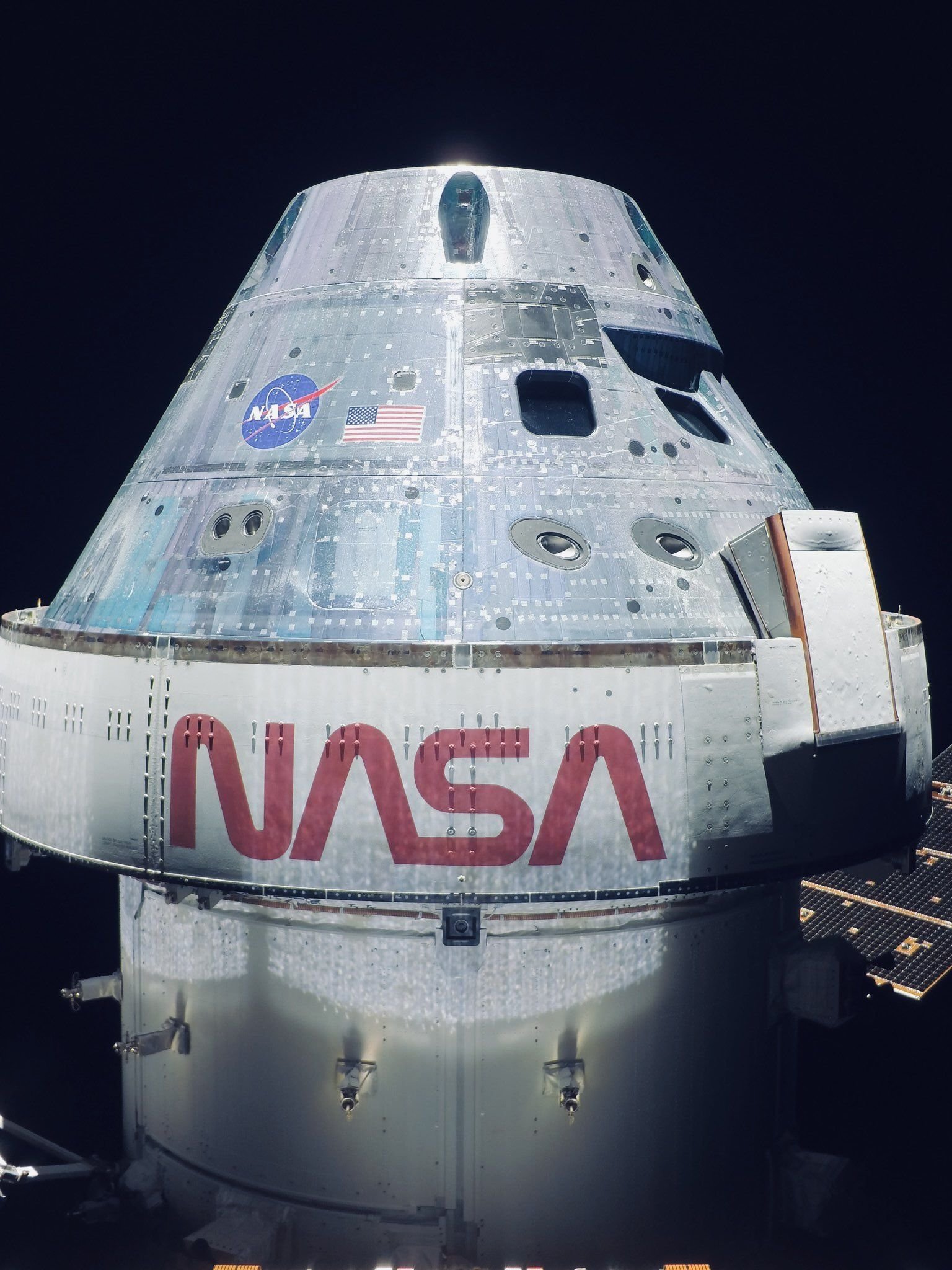
Artemis II is the first crewed flight test of the NASA Orion spacecraft and the Space Launch System rocket. Unlike the Apollo missions of the past, Artemis II is part of a broader, sustainable lunar exploration program. The mission is a 10-day journey that will take four astronauts around the Moon and back to Earth. It does not involve a lunar landing; instead, it utilizes a lunar flyby trajectory to test the spacecraft performance with a human crew on board.
The primary objective is to demonstrate that Orion can safely transport, protect, and sustain astronauts during a deep-space mission. This includes testing the Environmental Control and Life Support System (ECLSS), which regulates oxygen, removes carbon dioxide, and maintains a comfortable temperature for the crew. As per recent industry reports, the mission will also evaluate the high-speed reentry capabilities of the Orion heat shield as it returns to Earth at speeds exceeding 25,000 miles per hour.
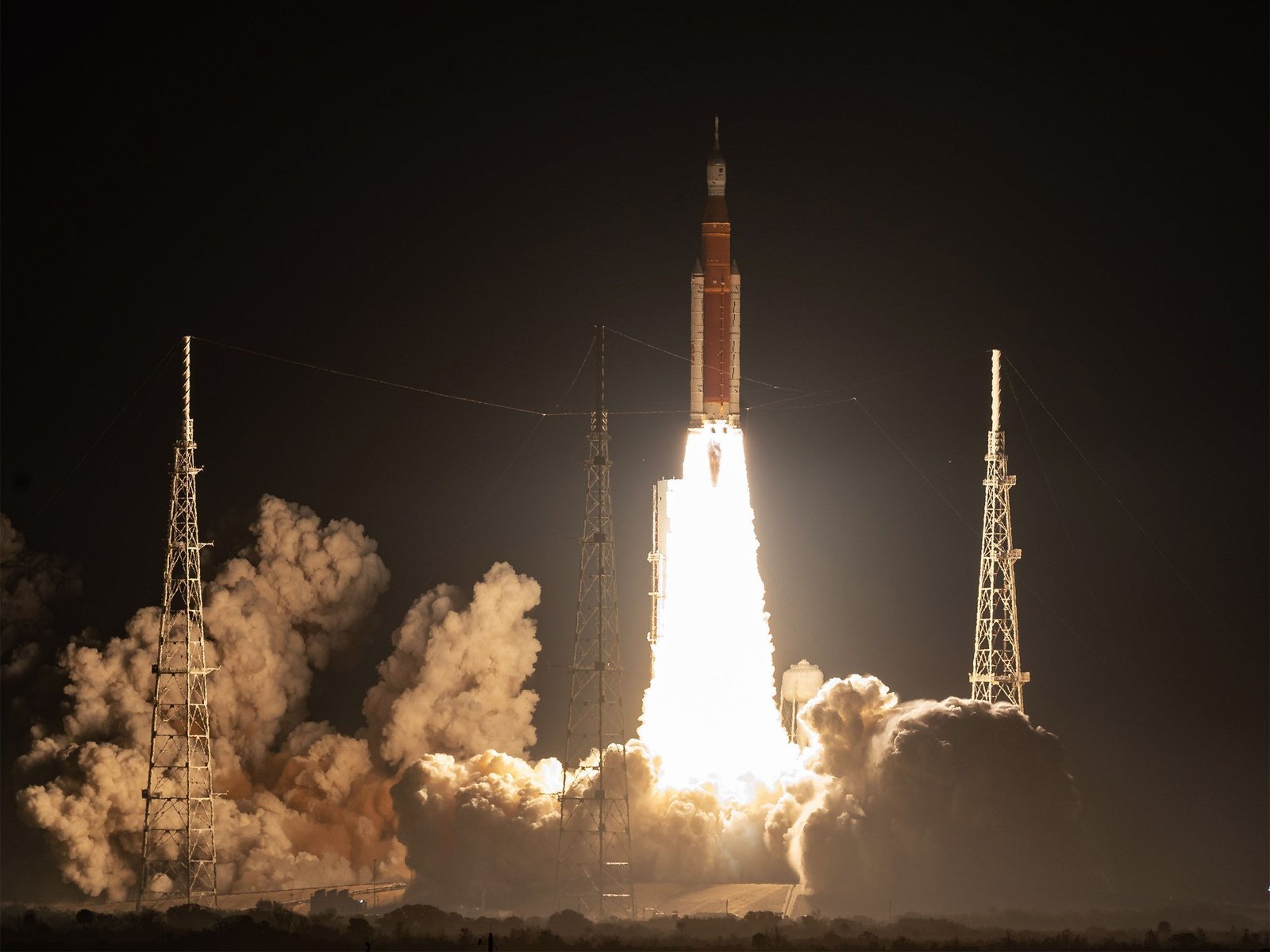
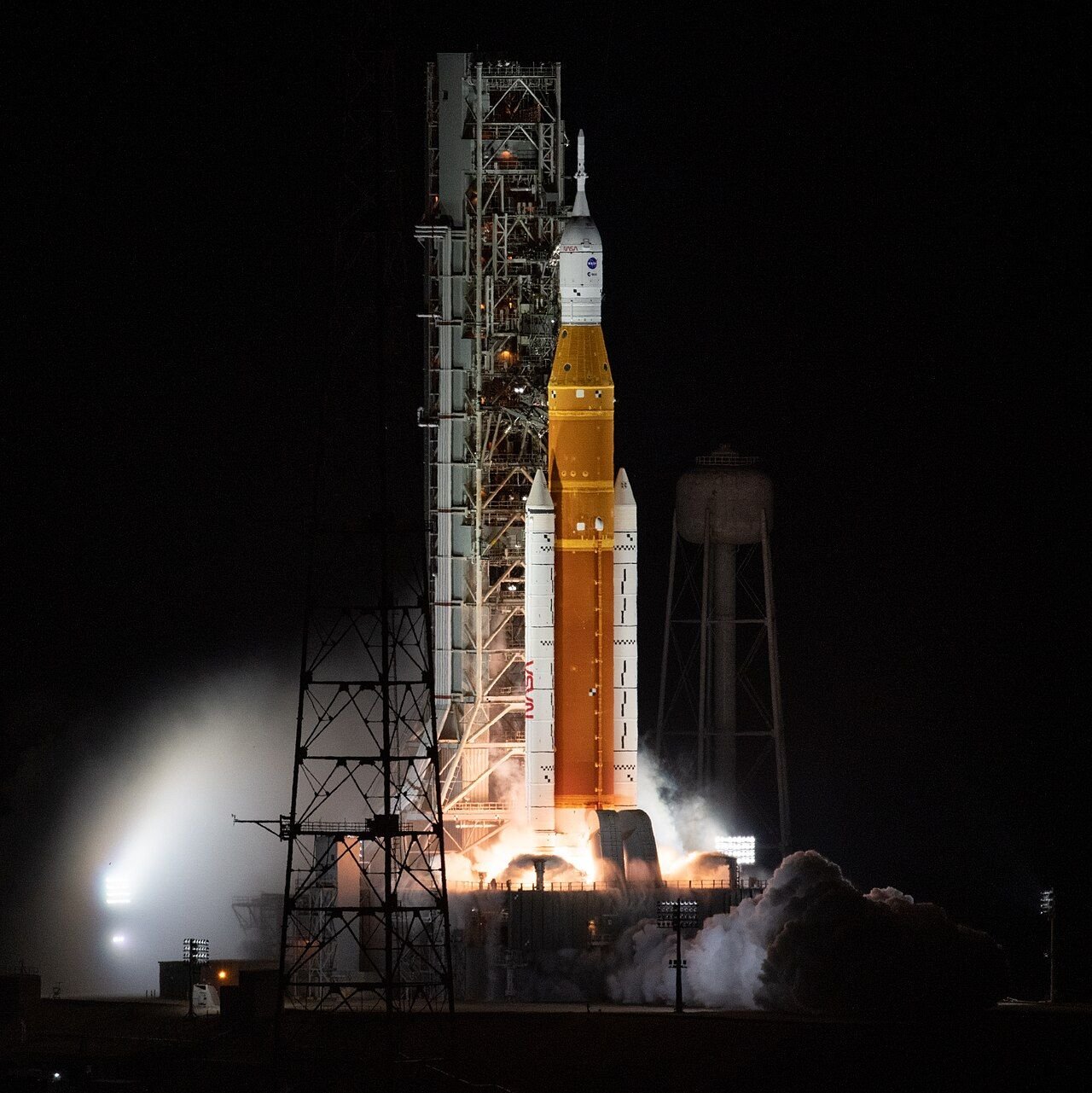
The Space Launch System (SLS) used for this mission is the most powerful rocket ever built. It provides the necessary thrust to propel the Orion capsule out of Earth orbit and toward the Moon. Global space analysts highlight that the SLS Block 1 configuration used for Artemis II generates 8.8 million pounds of thrust, which is 15 percent more than the Saturn V rocket used during the Apollo era.
Who is the Artemis II Crew?
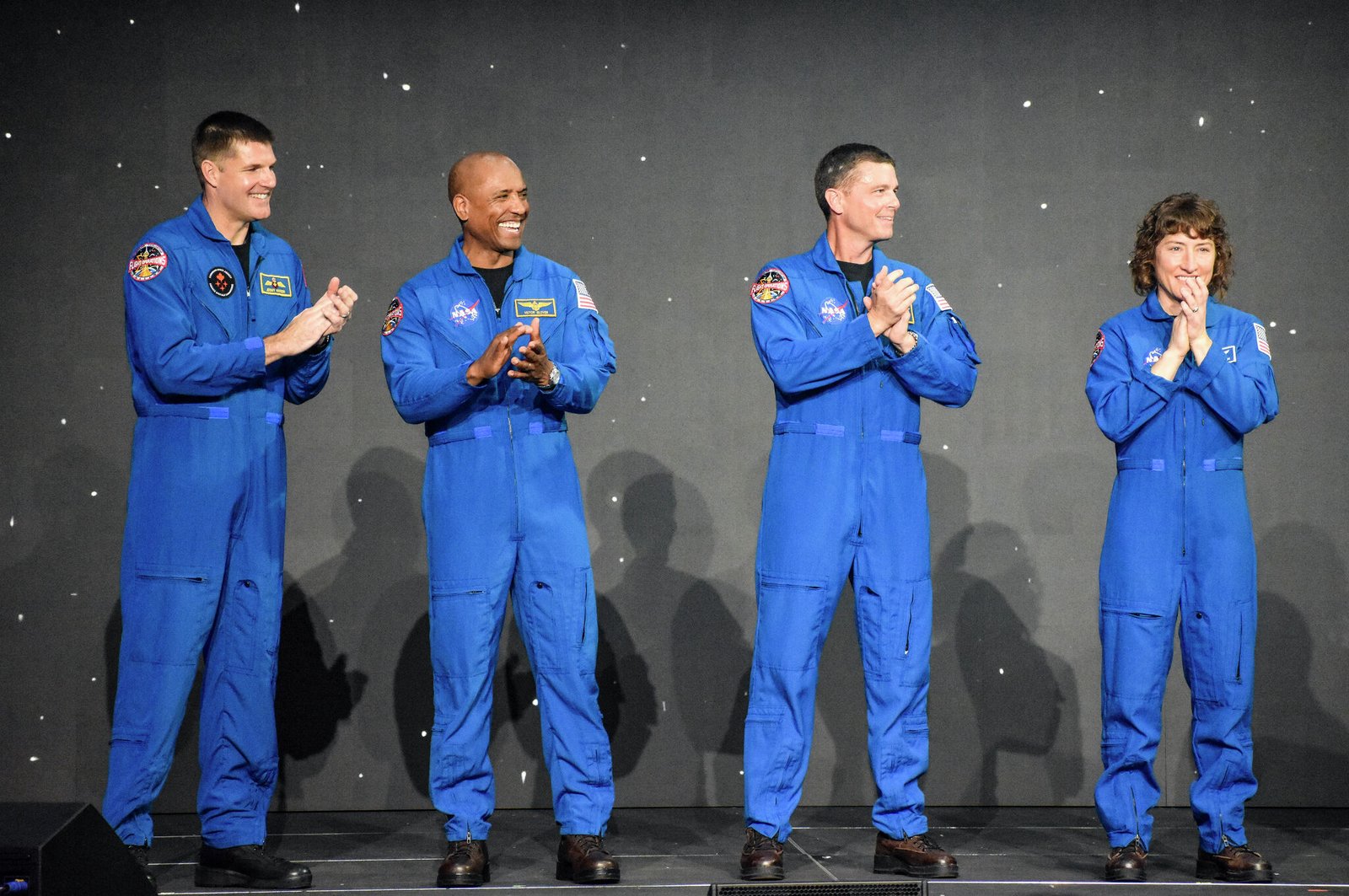
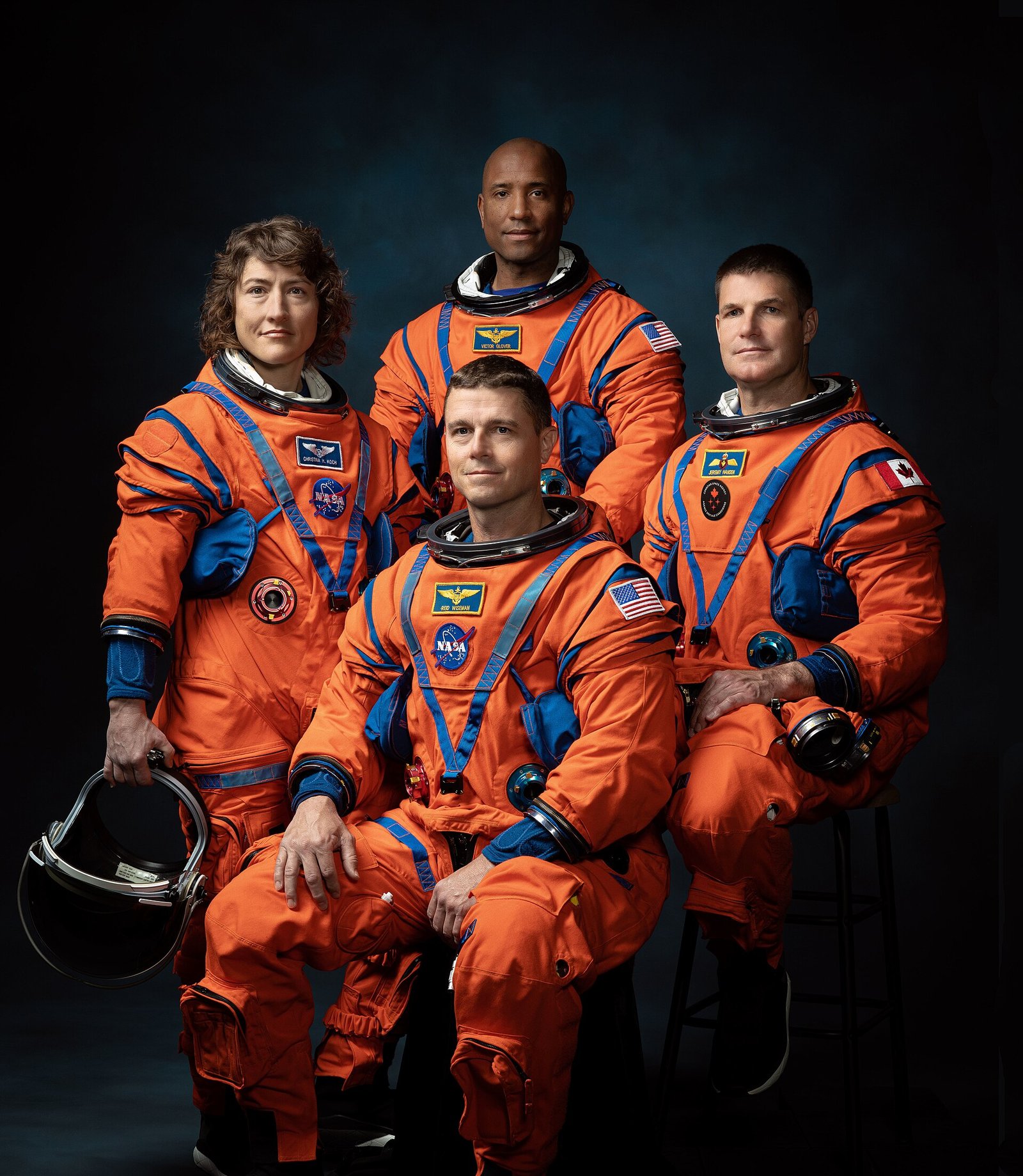
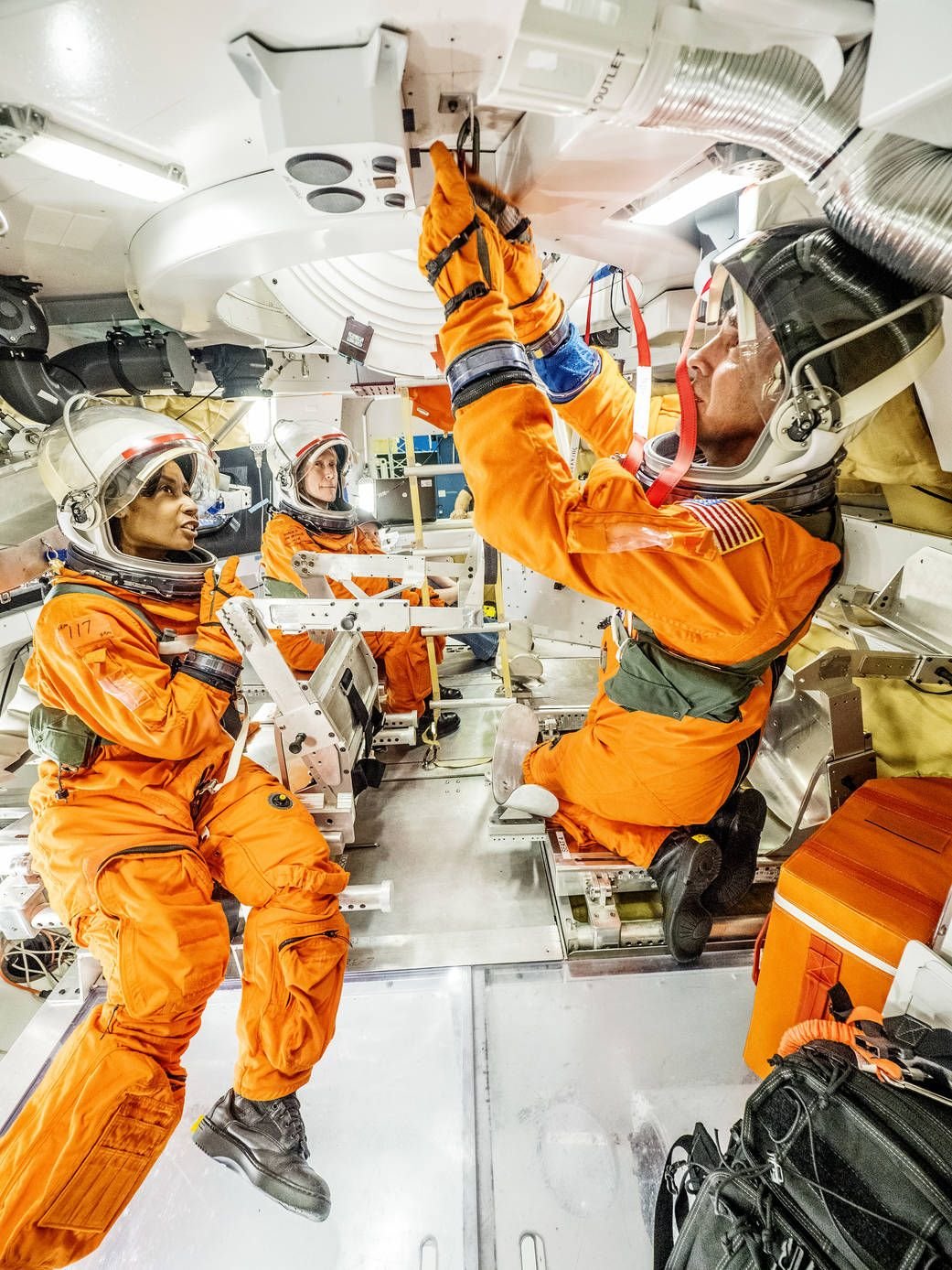
The selection of the Artemis II crew is a historic milestone, reflecting a diverse and highly skilled group of professionals. The crew consists of four astronauts who bring a wealth of experience from previous spaceflights and military service. According to NASA mission profiles, each member has a specific role that is vital to the success of the 10-day flight.
- Who is Reid Wiseman? Serving as the Mission Commander, Reid Wiseman is a veteran of the International Space Station (ISS). He is responsible for the overall success of the mission and the safety of the crew.
- Who is Victor Glover? Victor Glover is the Pilot for Artemis II. He previously served as the pilot for the SpaceX Crew-1 mission. His role involves navigating the Orion spacecraft and managing its complex flight systems.
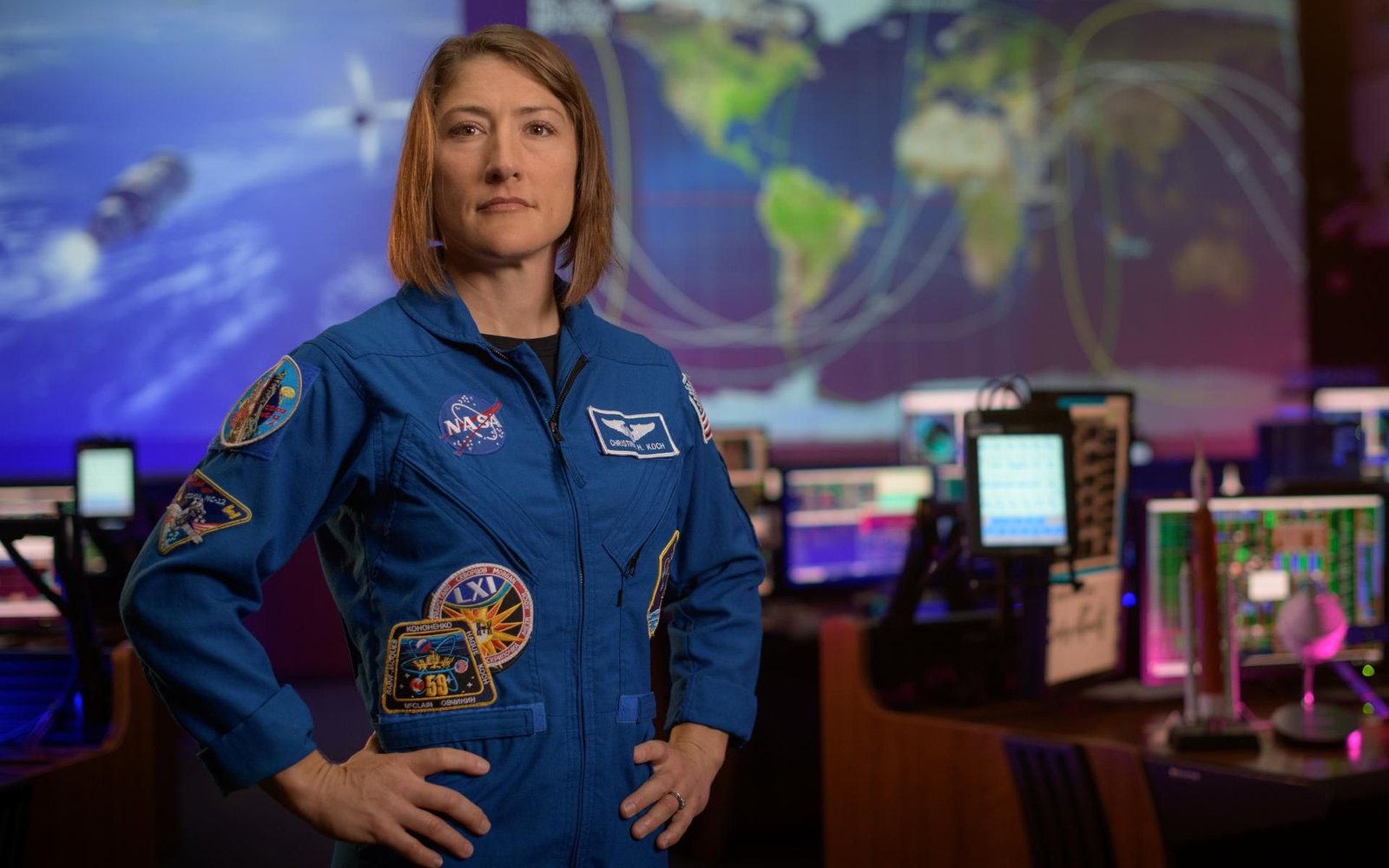
- Who is Christina Hammock Koch? As a Mission Specialist, Christina Koch holds the record for the longest single spaceflight by a woman. Her technical expertise is crucial for conducting the various on-board experiments and system checks.
- Who is Jeremy Hansen? Representing the Canadian Space Agency (CSA), Jeremy Hansen is the first non-American to journey to the lunar vicinity. His inclusion highlights the international collaboration at the heart of the Artemis program.
How does the Artemis II Mission Profile Work?
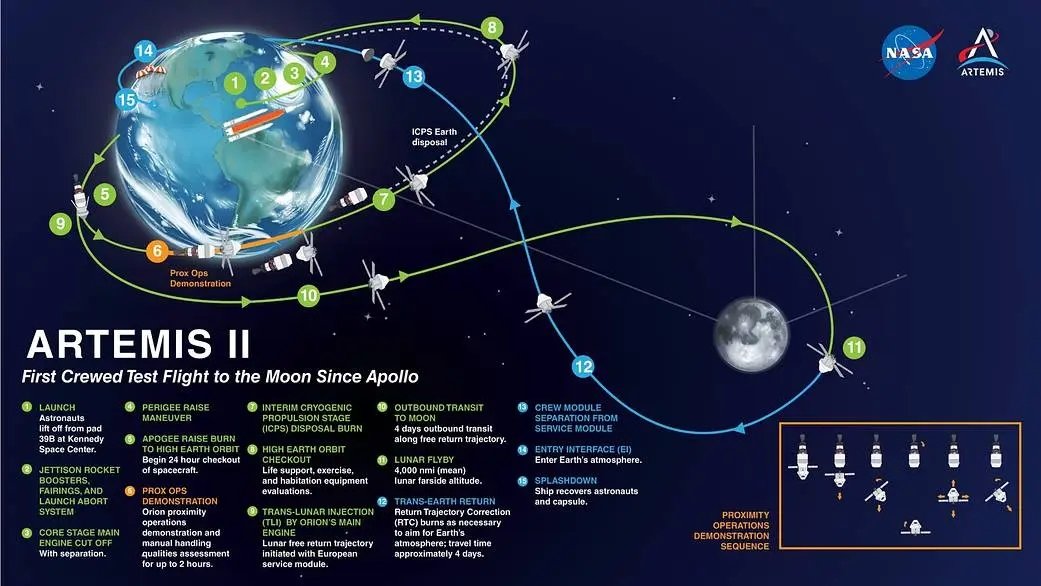
The mission follows a meticulously planned trajectory designed to maximize safety while testing critical systems. The flight begins at the Kennedy Space Center in Florida, where the SLS rocket lifts the Orion spacecraft into a High Earth Orbit (HEO). This initial phase allows the crew to test the spacecraft systems while still relatively close to Earth, ensuring that all life support and communication tools are functioning perfectly before committing to the lunar transit.
Once the systems are verified, the Orion spacecraft performs a Trans-Lunar Injection (TLI). This maneuver uses the Interim Cryogenic Propulsion Stage (ICPS) to push the capsule out of Earth orbit and onto a path toward the Moon. The journey to the Moon takes approximately four days. During this time, the crew will conduct various proximity operations and system evaluations. Experts suggest that the crew will also test the optical navigation systems, which allow the spacecraft to determine its position by looking at stars and planetary bodies, a vital skill for deep-space travel.
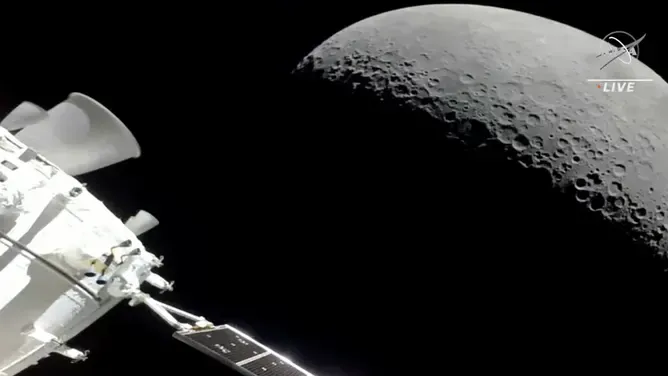
The mission uses a hybrid free-return trajectory. This means that after swinging around the far side of the Moon, the spacecraft will naturally be pulled back toward Earth by gravity without the need for a major engine burn. This design is a safety feature that ensures the crew can return home even if the primary propulsion system encounters issues. The mission concludes with a splashdown in the Pacific Ocean, where recovery teams from the U.S. Navy and NASA will be waiting to retrieve the capsule and the crew.
Why is Artemis II Crucial for Future Exploration?
Artemis II is often described as the bridge to the future. While Artemis I proved that the SLS and Orion could fly, Artemis II proves that they can support human life in the harsh environment of deep space. Beyond the lunar flyby, the mission serves several strategic purposes. As per global space policy experts, the mission establishes a precedent for international cooperation in space, involving partners from Europe, Canada, Japan, and Australia.
The data gathered during Artemis II will inform the construction and operation of the Lunar Gateway, a small space station that will orbit the Moon. Furthermore, the mission tests the communication networks that span the globe. For instance, the Canberra Deep Space Communication Complex in Australia plays a vital role in maintaining contact with the Orion capsule as it travels behind the Moon. This global infrastructure is essential for the long-term goal of sending humans to Mars.
Common Technical Challenges in Artemis II
Despite the advanced technology, a mission to the Moon presents significant risks. Engineers must account for variables that do not exist in Low Earth Orbit (LEO). According to aerospace engineering reports, the primary challenges include:
- Radiation Exposure: Outside the protection of Earth's magnetic field, astronauts are exposed to higher levels of solar and cosmic radiation. Orion features specialized shielding and a radiation shelter to protect the crew during solar storms.
- Communication Latency: As the spacecraft moves further from Earth, there is a noticeable delay in communication. The crew must be trained to operate autonomously in case of a temporary loss of signal.
- Heat Shield Integrity: Reentering the Earth's atmosphere at lunar return speeds generates temperatures of nearly 5,000 degrees Fahrenheit. The integrity of the Avcoat thermal protection system is paramount.
- Life Support Redundancy: On a 10-day mission, there is no quick return to Earth. Every system, from carbon dioxide scrubbers to water recycling, must have multiple layers of redundancy.
Pro Tips for Following the Artemis II Mission
For space enthusiasts and educators, following the Artemis II mission offers a unique opportunity to engage with real-time science. Experts suggest using the following resources to stay informed:
- NASA Eyes on the Solar System: This interactive tool allows users to track the Orion spacecraft in a 3D environment, showing its exact position relative to the Earth and the Moon.
- Official NASA TV Broadcasts: During the mission, NASA provides 24-hour coverage, including live views from the Orion cameras and commentary from mission control.
- Amateur Radio Tracking: Some advanced hobbyists use high-gain antennas to listen for the Orion signal, though most data is encrypted.
- Educational Toolkits: NASA offers comprehensive guides for teachers and students to conduct experiments that mirror the tasks performed by the Artemis II crew.
Frequently Asked Questions (FAQ)
What is the difference between Artemis II and Artemis III?
Artemis II is a crewed lunar flyby mission designed to test systems without landing. Artemis III is the subsequent mission that intends to land astronauts on the lunar surface, specifically near the South Pole.
How long will the Artemis II mission last?
The mission is planned to last approximately 10 days, depending on the specific launch window and orbital dynamics.
Where is the launch taking place?
The launch will take place from Launch Complex 39B at the Kennedy Space Center in Florida, USA.
How does the crew eat and sleep in the Orion capsule?
The Orion spacecraft is equipped with specialized storage for dehydrated and shelf-stable meals. For sleeping, the crew uses sleeping bags attached to the walls of the capsule to prevent floating in the microgravity environment.
Why is there a Canadian astronaut on a NASA mission?
The inclusion of Jeremy Hansen is part of a treaty between the United States and Canada. Canada contributed the Canadarm3 robotic system for the Lunar Gateway, and in exchange, NASA provided a seat for a Canadian astronaut on Artemis II.
Conclusion
The Artemis II mission is more than just a flight; it is a declaration of humanity's intent to become a multi-planetary species. By testing the most advanced spacecraft ever built with a human crew, NASA and its international partners are laying the groundwork for a sustainable presence on the Moon and the eventual exploration of Mars. According to global analysts, the success of this mission will inspire a new generation of scientists, engineers, and explorers to look toward the stars. As the countdown continues, the world watches with anticipation as we prepare to return to the lunar frontier.
Related Media
Image Gallery






Comments 0
Leave a Reply
Your email address will not be published. Required fields are marked *
Be the first to share your thoughts!