
💡 Ayushman Bharat: A Strategic Analysis of Universal Healthcare
An authoritative analysis of Ayushman Bharat (PM-JAY), examining its economic impact, infrastructure milestones, and the roadmap for universal health coverage.
Executive Summary
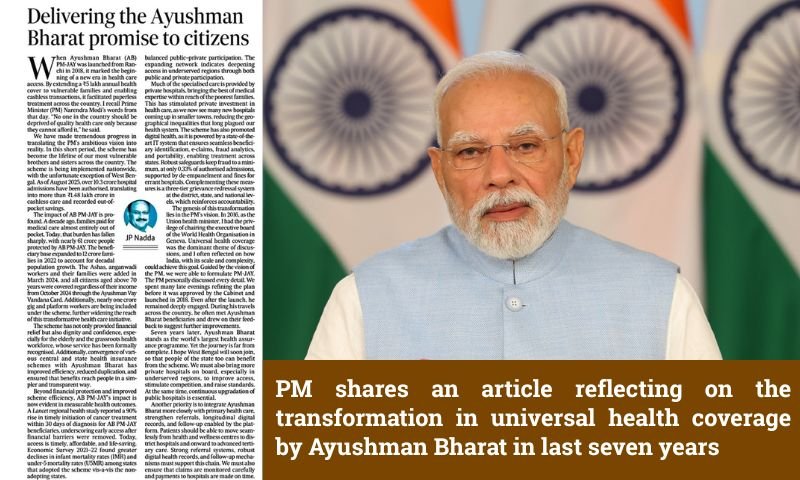
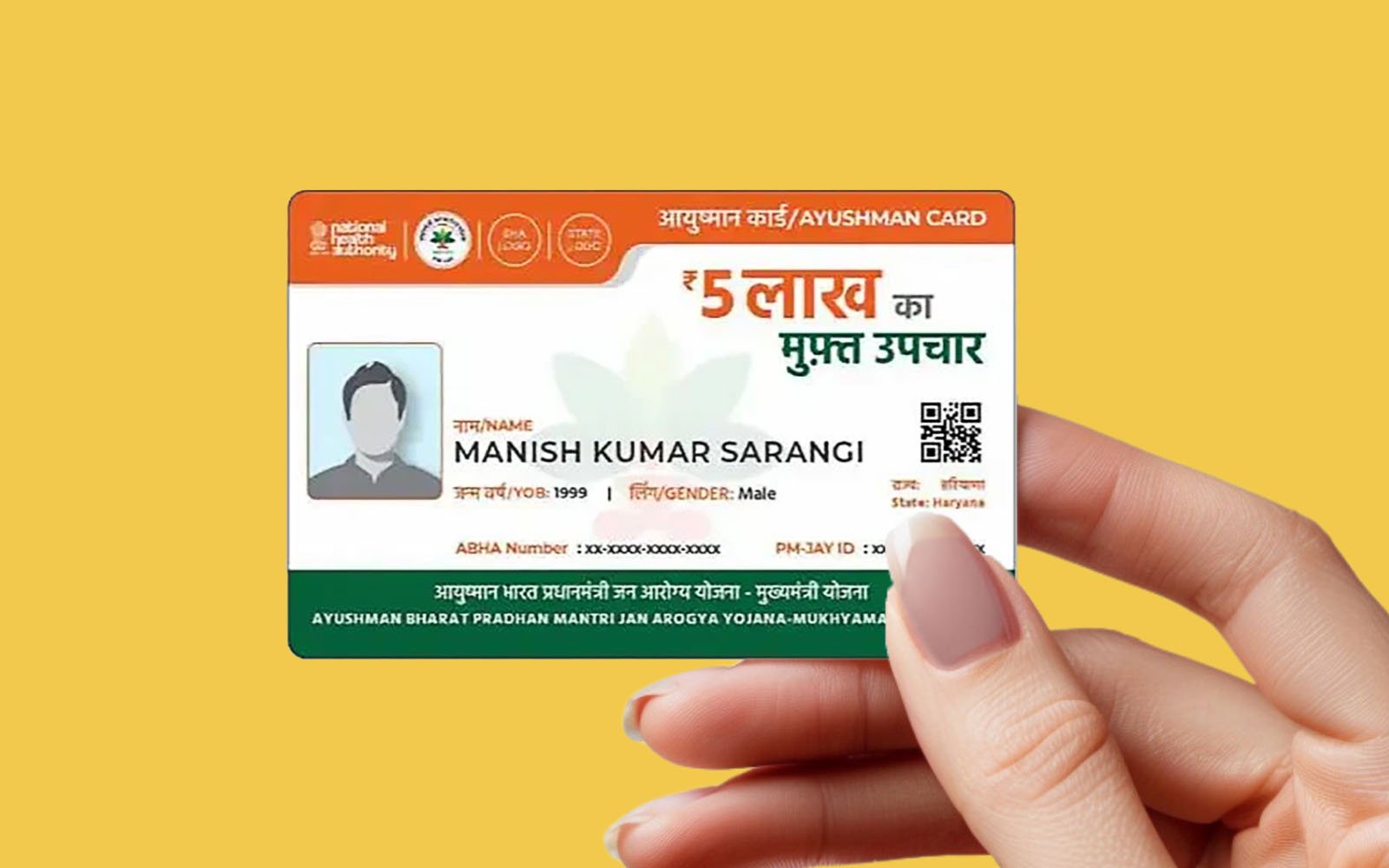
Ayushman Bharat, officially known as the Pradhan Mantri Jan Arogya Yojana (PM-JAY), represents the world largest government-funded healthcare program. Launched in 2018, the initiative aims to provide a health cover of 500,000 INR per family per year for secondary and tertiary care hospitalization. As of late 2023, the program has facilitated over 550 million individual health cards and authorized more than 34 million hospital admissions. Data from the National Health Authority (NHA) indicates that the scheme has saved Indian households over 1 trillion INR in out-of-pocket expenditures. This analysis evaluates the strategic pillars of the program, its integration with digital infrastructure, and the recent expansion to include all senior citizens aged 70 and above, regardless of income.
Introduction
The landscape of Indian healthcare underwent a seismic shift with the introduction of Ayushman Bharat. For decades, the primary challenge in the Indian socio-economic framework was the catastrophic health expenditure that pushed millions of families into poverty annually. Ayushman Bharat was designed not merely as an insurance scheme but as a comprehensive two-pronged strategy: the establishment of Health and Wellness Centres (HWCs) for primary care and the PM-JAY for secondary and tertiary insurance. This dual approach addresses the continuum of care, moving away from fragmented healthcare delivery toward a more systemic, integrated model. By leveraging the principles of Cooperative Economics: Strategic Analysis of Global Impact, the program fosters a synergy between public and private providers to expand the reach of medical services to the bottom 40 percent of the population.
The Deep Dive: Strategic Pillars and Data Analysis
To understand the efficacy of Ayushman Bharat, one must analyze its core components and the data-driven outcomes recorded over the last five years. The program is built on the foundation of the Socio-Economic Caste Census (SECC) 2011 data, which initially identified 107.4 million vulnerable families. However, the scope has since expanded to include various state-specific schemes and occupational categories.
1. The Infrastructure Milestone: Health and Wellness Centres
The first pillar of Ayushman Bharat involves the transformation of 150,000 existing Sub-Centres and Primary Health Centres into Health and Wellness Centres. These centers are designed to deliver Comprehensive Primary Health Care (CPHC), covering maternal and child health services, non-communicable diseases, and free essential drugs and diagnostic services. According to the Ministry of Health and Family Welfare, over 160,000 such centers are now operational, having recorded over 1.5 billion footfalls. This shift toward preventive care is a strategic move to reduce the burden on tertiary hospitals.
2. PM-JAY: The Financial Shield
The insurance component, PM-JAY, provides cashless and paperless access to services for the beneficiary at the point of service. A critical data point is the participation of the private sector. Currently, approximately 48 percent of the 27,000 empanelled hospitals are private entities. This public-private partnership model is essential for scaling specialized surgeries, such as cardiology and oncology, which were previously inaccessible to low-income groups. The strategic implementation of this model mirrors some aspects of regional governance seen in West Bengal Government Policy: A Strategic Analysis, where state-specific health schemes like Swasthya Sathi often interact with central frameworks to optimize reach.

3. The Digital Backbone: ABDM
The Ayushman Bharat Digital Mission (ABDM) is perhaps the most forward-looking aspect of the initiative. By creating a digital health ecosystem, the government aims to ensure interoperability of health records. This includes the creation of Ayushman Bharat Health Accounts (ABHA), which allow citizens to store and share their medical records digitally. As AI and data science become integral to healthcare, the leadership in this digital transition reflects the broader technological shifts discussed in the context of Sam Altman: Strategic Analysis of AI Leadership and ROI. The integration of AI in diagnostic tools within the ABDM framework is expected to improve clinical outcomes by 25 percent over the next decade.
4. Economic Impact and Out-of-Pocket Expenditure
The Economic Survey of India 2022-23 highlighted that out-of-pocket expenditure as a percentage of total health expenditure declined from 64.2 percent in 2014 to 48.2 percent in 2019. Ayushman Bharat has been a primary driver of this trend. By providing a 500,000 INR safety net, the scheme prevents the liquidation of assets during medical emergencies. Furthermore, the standardized rates for over 1,900 medical procedures have introduced a level of price transparency and regulation in the private healthcare market that was previously absent.

What This Means For You
For the average citizen and industry stakeholder, Ayushman Bharat offers several actionable takeaways:
- Eligibility Check: Every citizen should verify their status on the PM-JAY portal using their mobile number or Ration Card. The recent expansion means that anyone over 70 years of age is now eligible for a separate 500,000 INR cover.
- Digital Health Records: Registering for an ABHA ID is no longer optional for those seeking streamlined care. It ensures that your medical history is available to any empanelled doctor across India, reducing redundant testing.
- Hospital Choice: Beneficiaries have the right to choose between public and private empanelled hospitals. This portability ensures that a worker from Bihar can receive treatment in a high-end facility in Delhi or Mumbai without upfront costs.
- Employment Opportunities: The massive expansion of HWCs and the demand for digital record-keeping have created a surge in requirements for healthcare professionals, data analysts, and community health officers.
Expert Verdict and Future Outlook
The strategic success of Ayushman Bharat lies in its scalability. However, challenges remain. The reimbursement rates for private hospitals are a recurring point of contention, with many high-end facilities arguing that the current rates do not cover the cost of advanced technology. Looking forward, the government must address the missing middle, those who are not poor enough for PM-JAY but cannot afford private insurance. The future of the program will likely involve a transition toward a value-based healthcare model, where hospitals are incentivized based on patient outcomes rather than the volume of procedures. Furthermore, the infusion of telemedicine through the e-Sanjeevani platform will be the next frontier in reaching the most remote corners of the country.
Frequently Asked Questions
1. Who is eligible for the Ayushman Bharat 70 plus scheme?
As per the latest government directive, all Indian citizens aged 70 and above are eligible for health coverage under PM-JAY, regardless of their socio-economic status. This is a universal expansion aimed at geriatric care.
2. Does Ayushman Bharat cover pre-existing diseases?
Yes, one of the most significant features of PM-JAY is that all pre-existing conditions are covered from the very first day of enrollment. There is no waiting period, unlike most private insurance policies.
3. Is the Ayushman Card free of cost?
The registration and the issuance of the Ayushman Card are free of cost at all government facilities and Common Service Centres (CSCs). Beneficiaries should not pay any fees to intermediaries.
4. Can I use my Ayushman Card in any state?
Yes, the scheme is portable. A beneficiary registered in one state can avail of treatment in any empanelled hospital across India, which is particularly beneficial for migrant laborers.
5. What is the difference between PM-JAY and the Digital Health Mission?
PM-JAY is the insurance component that pays for hospitalizations. The Digital Health Mission (ABDM) is the underlying technology layer that manages digital health IDs and electronic health records to make healthcare more efficient.
Conclusion
Ayushman Bharat is a cornerstone of India's journey toward Universal Health Coverage. By combining financial protection with infrastructure development and digital innovation, the scheme has fundamentally altered the healthcare delivery landscape. While operational hurdles like rate standardization and fraud prevention persist, the strategic trajectory of the program suggests a long-term reduction in national poverty levels and a significant improvement in the quality of life for over half a billion people. The expansion to senior citizens further reinforces the government's commitment to inclusive growth and social security.





Comments 0
Leave a Reply
Your email address will not be published. Required fields are marked *
Be the first to share your thoughts!