
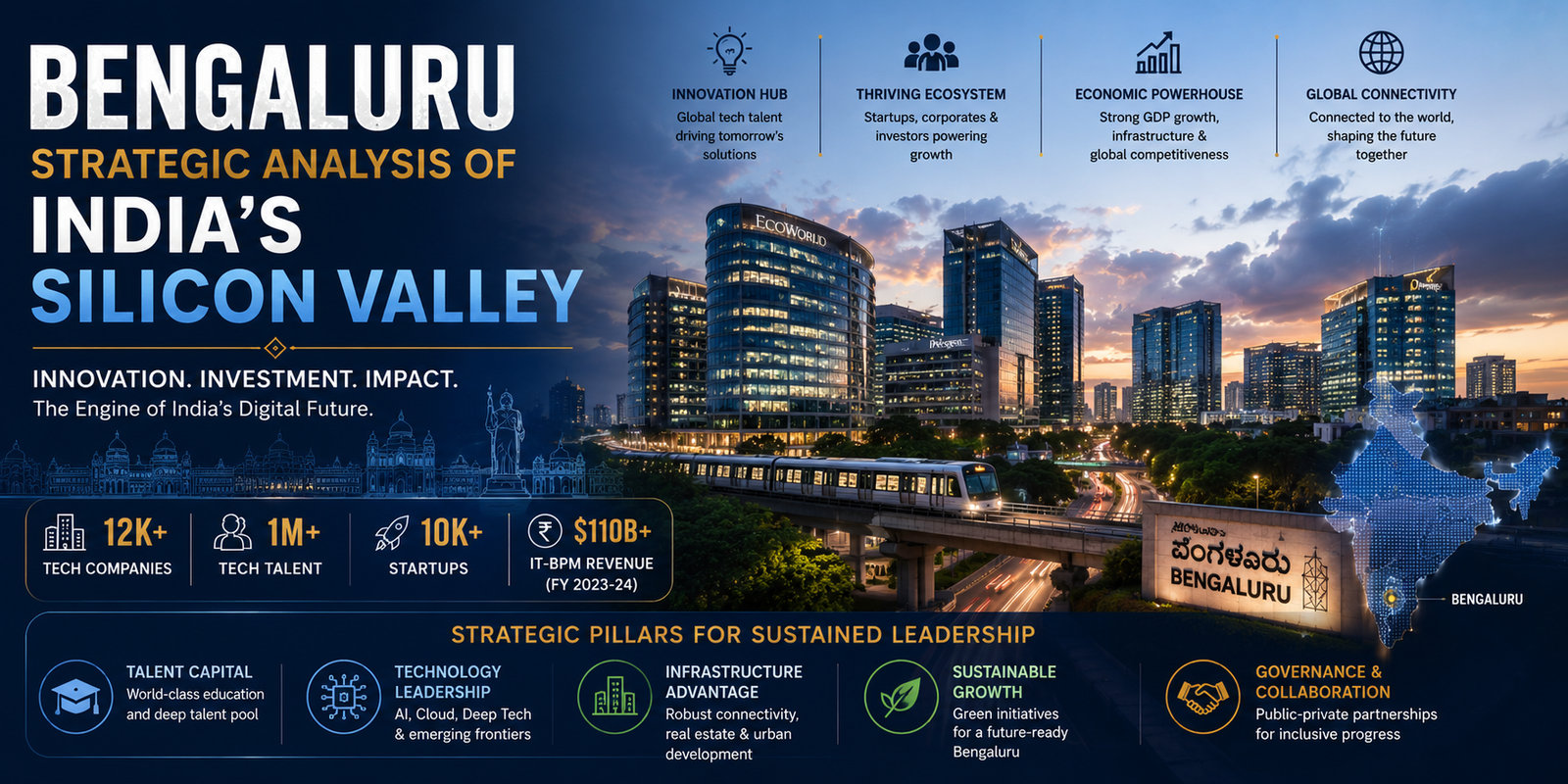
💡 Bengaluru: Strategic Analysis of India's Silicon Valley
A comprehensive strategic analysis of Bengaluru’s economic evolution, technological dominance, and the structural challenges facing India’s premier tech hub.
Executive Summary
Bengaluru, formerly known as Bangalore, stands as the primary engine of India’s technological and economic growth. Contributing approximately 33 to 40 percent of India’s total IT exports, the city has transitioned from a retired person’s paradise to a global innovation hub. Key data highlights include a Gross Domestic Product (GDP) exceeding 110 billion dollars, the highest concentration of tech unicorns in India, and a workforce of over 1.5 million IT professionals. This analysis examines the structural components that sustain its dominance, the infrastructure bottlenecks threatening its growth, and the strategic outlook for 2025 and beyond.
Introduction
Bengaluru is no longer just a regional capital; it is a critical node in the global digital supply chain. Situated on the Deccan Plateau at an elevation of 900 meters, its unique geographic positioning has historically provided a temperate climate that attracted early industrial investment. Today, the city serves as the headquarters for global giants like Infosys and Wipro, while hosting massive R&D centers for companies such as Google, Microsoft, and Amazon. To understand the city’s trajectory, one must analyze the convergence of human capital, venture capital, and institutional support that characterizes its ecosystem. This growth mirrors the financial shifts discussed in the Moneycontrol: Strategic Analysis of India's Financial Hub, where digital transformation dictates market leadership.
The Economic Engine and Startup Ecosystem
The economic identity of Bengaluru is defined by its startup density. According to industry reports from NASSCOM and Zinnov, Bengaluru is home to over 13,000 startups. The city’s ability to attract venture capital remains unmatched in South Asia. In recent fiscal cycles, Bengaluru accounted for nearly 45 percent of total startup funding in India. This concentration is driven by a feedback loop of successful exits, where founders of early successes like Flipkart and Ola reinvest capital and mentorship into the next generation of entrepreneurs.
The rise of fintech and retail trading platforms has further cemented the city’s status. The development of sophisticated financial tools is analyzed in the Upstox: Strategic Analysis of the Digital Trading Era, highlighting how Bengaluru-based engineering talent builds the backbone of modern Indian finance. The presence of the Indian Institute of Science (IISc) and various Indian Institutes of Management (IIMB) ensures a steady pipeline of high-quality talent that fuels this innovation.
Infrastructure and Urban Dynamics
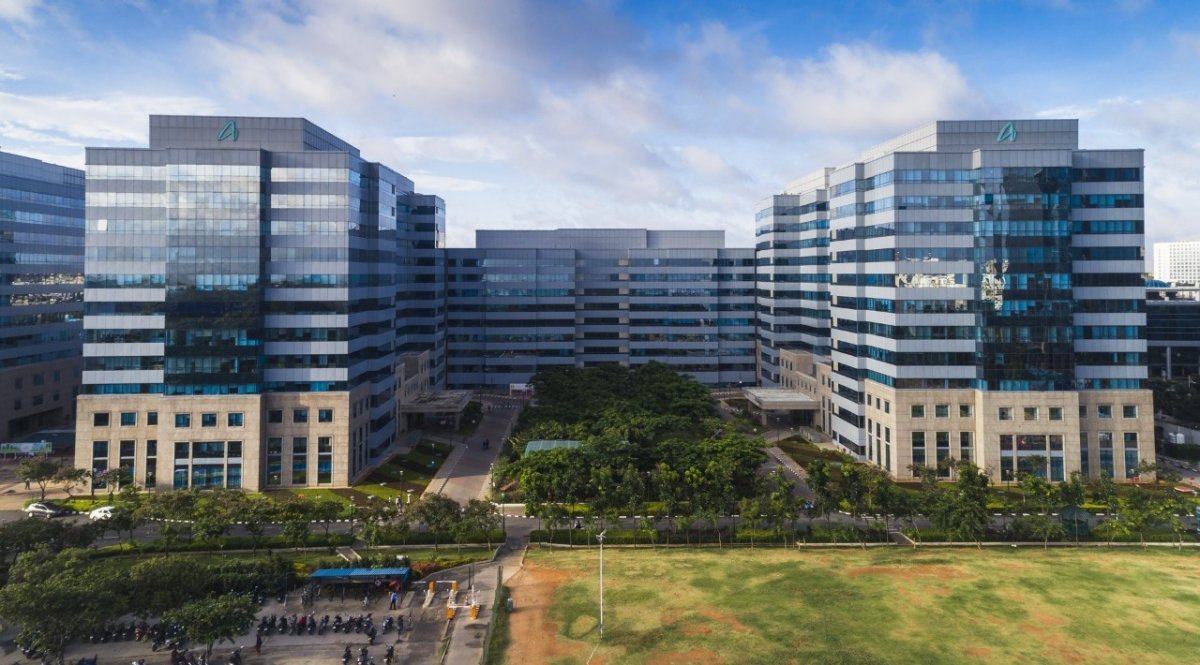
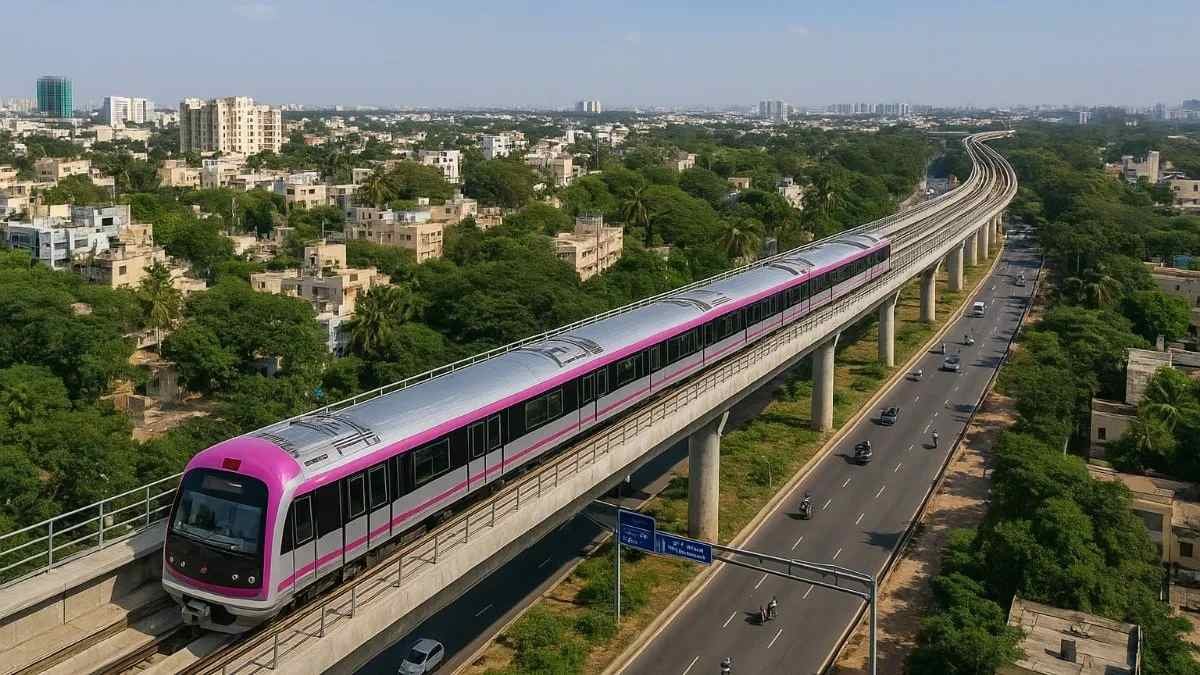
Despite its economic prowess, Bengaluru faces significant structural challenges. The city’s rapid expansion has outpaced its infrastructure development. The TomTom Traffic Index frequently ranks Bengaluru among the top three most congested cities globally. Commuters often spend an average of 30 minutes for every 10 kilometers traveled during peak hours. The government’s response, primarily through the Namma Metro project and the Peripheral Ring Road, aims to alleviate this pressure, but completion timelines remain a point of contention.
Environmental sustainability is another critical pillar. The city’s weather patterns, which are vital for maintaining its quality of life, are subject to broader shifts as detailed in Understanding Weather Dynamics: A Strategic Analysis of Global Meteorology. Bengaluru’s reliance on the Cauvery River and groundwater has led to seasonal water scarcity, prompting a strategic shift toward rainwater harvesting and wastewater recycling mandates for large residential complexes.
Real Estate and Human Capital
The real estate market in Bengaluru is a barometer for the Indian economy. Areas like Whitefield, Electronic City, and Outer Ring Road (ORR) have seen a 15 to 20 percent year-on-year increase in commercial rental yields. High-net-worth individuals and the growing middle class have shifted demand toward gated communities and integrated townships. This migration is not just domestic; Bengaluru has one of the highest expatriate populations in India, contributing to a cosmopolitan culture that influences everything from the local culinary scene to international school enrollment.
What This Means For You
- For Investors: Bengaluru remains the top destination for commercial real estate and tech-focused equity investments due to its resilient talent pool.
- For Professionals: The city offers the highest average salary increments in the IT and SaaS sectors compared to other Indian metros.
- For Businesses: Establishing a presence in Bengaluru provides proximity to a massive ecosystem of vendors, partners, and specialized talent.
- For Residents: While the cost of living is rising, the access to premium healthcare, education, and networking opportunities remains a significant draw.
Expert Verdict and Future Outlook
The long-term viability of Bengaluru depends on its ability to solve the "urban paradox." While it continues to attract the best minds, the physical limitations of the city could lead to a talent drain toward emerging hubs like Hyderabad or Pune. However, the sheer scale of the existing ecosystem creates a moat that is difficult to replicate. By 2030, Bengaluru is projected to become a 250 billion dollar economy. The integration of Artificial Intelligence and Deep Tech into the local industry will likely be the next phase of growth, moving the city from a service-oriented hub to a product-first innovation center.
Frequently Asked Questions
1. Why is Bengaluru called the Silicon Valley of India?
The title is derived from its status as the leading hub for information technology and software services, mirroring the role of the original Silicon Valley in California. It hosts the largest number of tech firms and startups in the country.
2. What are the main industries in Bengaluru?
While Information Technology (IT) is dominant, the city is also a major center for aerospace, biotechnology, defense manufacturing, and specialized research and development.
3. How does the traffic impact the city's economy?
Congestion results in significant productivity losses, estimated by some urban studies to be over 2 billion dollars annually. It has also accelerated the adoption of hybrid work models among major tech firms.
4. Is Bengaluru a good place for international students?
Yes, the city is an educational hub with institutions like the Indian Institute of Science and numerous engineering colleges, offering a vibrant environment for research and higher education.
5. What is the current status of the Bengaluru Metro?
The Namma Metro is currently in a phase of rapid expansion, with new lines connecting the airport and the tech corridors expected to be fully operational within the next few years to reduce road dependence.
Important Note: Financial Disclaimer: This content is for educational purposes only and does not constitute professional financial advice. Always consult with a certified financial planner before making investment decisions.
Conclusion
Bengaluru is a city of immense economic potential and significant urban challenges. Its evolution from a garden city to a global tech powerhouse is a testament to its resilient human capital and entrepreneurial spirit. For stakeholders, the city represents a high-reward environment, provided that the current infrastructure and environmental hurdles are addressed through strategic governance and sustainable development.





Comments 0
Leave a Reply
Your email address will not be published. Required fields are marked *
Be the first to share your thoughts!