
💡 The Atlantic Division Clash: A Comprehensive Guide to the Boston Bruins vs. Buffalo Sabres Rivalry
An in-depth look at the historic NHL rivalry between the Boston Bruins and Buffalo Sabres, featuring legendary players, iconic playoff moments, and statistical breakdowns.
The rivalry between the Boston Bruins and Buffalo Sabres is a cornerstone of the NHL’s Atlantic Division, defined by over 50 years of divisional competition, geographical proximity, and high-stakes playoff encounters. While the Bruins have historically maintained a higher championship count, the Sabres have consistently served as a formidable rival, producing some of the most iconic moments in hockey history, including the famous "May Day" goal. This matchup is more than just a game; it is a clash of cultures between the "Title Town" expectations of New England and the resilient, blue-collar hockey tradition of Western New York.
The Long-Standing Friction Between Boston and Buffalo
Since the Buffalo Sabres entered the league as an expansion team in 1970, they have been locked in a battle for regional supremacy with the Boston Bruins. Unlike the storied Original Six rivalries, the friction between Boston and Buffalo grew organically through frequency. Being in the same division for the vast majority of their existence means these teams see each other often—usually four to five times a season—leading to a familiarity that breeds genuine contempt on the ice.
For Boston, the Sabres represent a persistent hurdle that often plays them tougher than the standings might suggest. For Buffalo, the Bruins are the benchmark of the Northeast—a gritty, physical team that the Sabres have spent decades trying to outmaneuver with speed and skill. This contrast in styles has made their regular-season meetings a staple of NHL broadcasting for decades.
Historical Milestones: Defining Moments in the Bruins-Sabres Series
The history of this series is punctuated by era-defining stretches. In the 1970s, the Sabres’ "French Connection" line made Buffalo a powerhouse, frequently challenging the "Big Bad Bruins" era. However, the 1990s truly cemented the rivalry. On April 24, 1993, Brad May scored an iconic series-clinching goal in overtime to sweep the Bruins, leading to the legendary "May Day!" radio call by Rick Jeanneret. This moment remains one of the most celebrated in Buffalo sports history and one of the most painful for Boston fans.
In the 2010s, the rivalry took on a new physical dimension. The 2010 Eastern Conference Quarterfinals saw the Bruins defeat the Sabres in six games, a series that featured the emergence of Tuukka Rask and a high level of physicality that reminded fans of the old-school 1970s matchups.

Statistical Analysis: Head-to-Head Records and All-Time Series Dominance
When looking at the raw data, the Boston Bruins hold the overall lead in the all-time series. As of recent seasons, Boston has secured over 170 wins against Buffalo, while the Sabres have managed over 130 victories, with dozens of ties from the pre-shootout era.
The Bruins have historically dominated at home in Boston, utilizing the tight confines of the old Boston Garden and the modern TD Garden to stifle the Sabres' transition game. However, Buffalo has often held their own at home, particularly during the years when they boasted elite goaltending. Interestingly, the goal differential between the two teams over 300+ games remains relatively narrow, highlighting that even when one team is struggling in the standings, the head-to-head matchups remain competitive.
The Playoff Intensity: Memorable Postseason Battles and Overtime Thrillers
The playoffs are where this rivalry truly breathes. The two teams have met eight times in the postseason. Boston has won six of those series, but the individual games are often decided by the thinnest of margins.
- 1993 Adams Division Semifinals: Buffalo sweeps Boston 4-0. This was a massive upset and featured three overtime games out of the four played.
- 1999 Eastern Conference Semifinals: Buffalo defeated Boston 4-2, led by the incredible goaltending of Dominik Hasek.
- 2010 Eastern Conference Quarterfinals: Boston won 4-2. This series was a turning point for the Bruins' core that would eventually win the Stanley Cup in 2011.
These series established a pattern: the Bruins usually bring the heavy hits and defensive structure, while the Sabres rely on world-class goaltending and explosive counter-attacks.
Legendary Figures: Iconic Players Who Shaped the Rivalry Across Generations
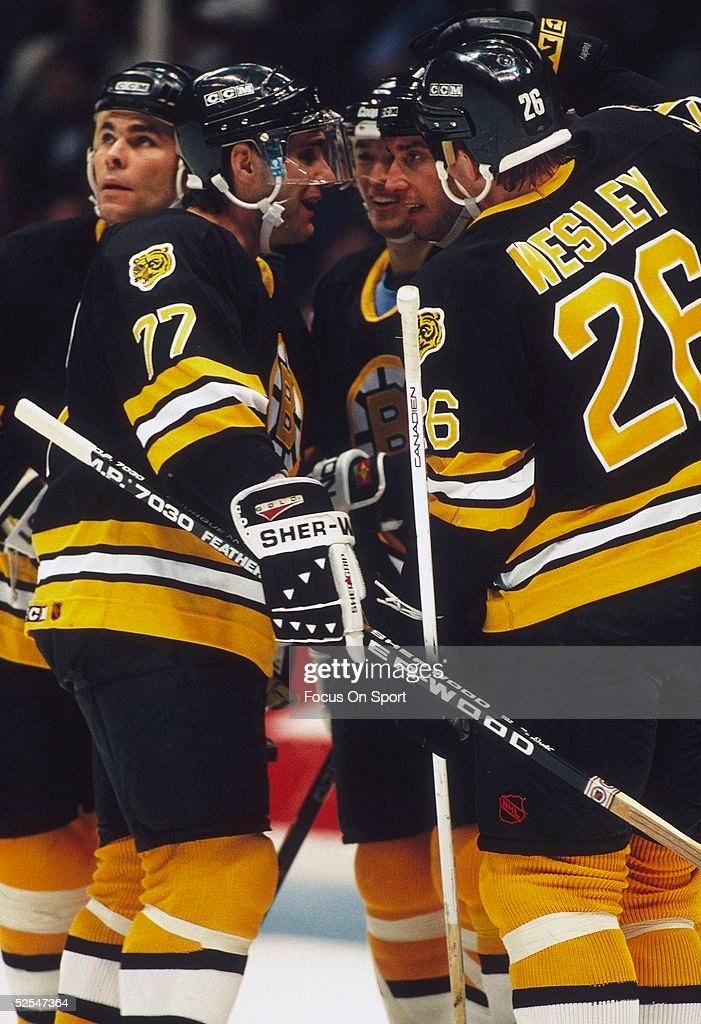
The names associated with this rivalry read like a Hall of Fame induction list. For the Boston Bruins, Ray Bourque and Cam Neely defined the 80s and 90s, bringing a mix of elite scoring and punishing physicality. In the modern era, Patrice Bergeron and Brad Marchand have been the faces of the rivalry, often drawing the ire of Buffalo fans for their effective, pesky style of play.
On the Buffalo side, the "French Connection" of Gilbert Perreault, Rick Martin, and René Robert set the standard for Sabres hockey. Later, Dominik Hasek (The Dominator) became a nightmare for Bruins shooters, often stopping 40+ shots a night to steal games. More recently, Ryan Miller was the centerpiece of the Sabres' resistance against the Bruins during the late 2000s and early 2010s.
The Fan Experience: Navigating Game Day at TD Garden vs. KeyBank Center
Attending a Bruins-Sabres game offers two distinct experiences. At TD Garden in Boston, the atmosphere is intense and expectant. Bruins fans are known for their deep hockey knowledge and vocal critiques. The arena is located in the heart of the city, surrounded by sports bars like The Greatest Bar and Sullivan’s Tap, making it a high-energy, urban experience.
In contrast, KeyBank Center in Buffalo offers a more community-focused, die-hard atmosphere. Because Buffalo is a smaller market, the Sabres are a primary cultural touchstone. The "Canalside" area around the arena has seen significant development, offering fans a scenic pre-game environment. A unique aspect of Sabres home games is the influx of Bruins fans who often travel from New England or across the border from Southern Ontario, creating a split-crowd dynamic that adds to the tension.
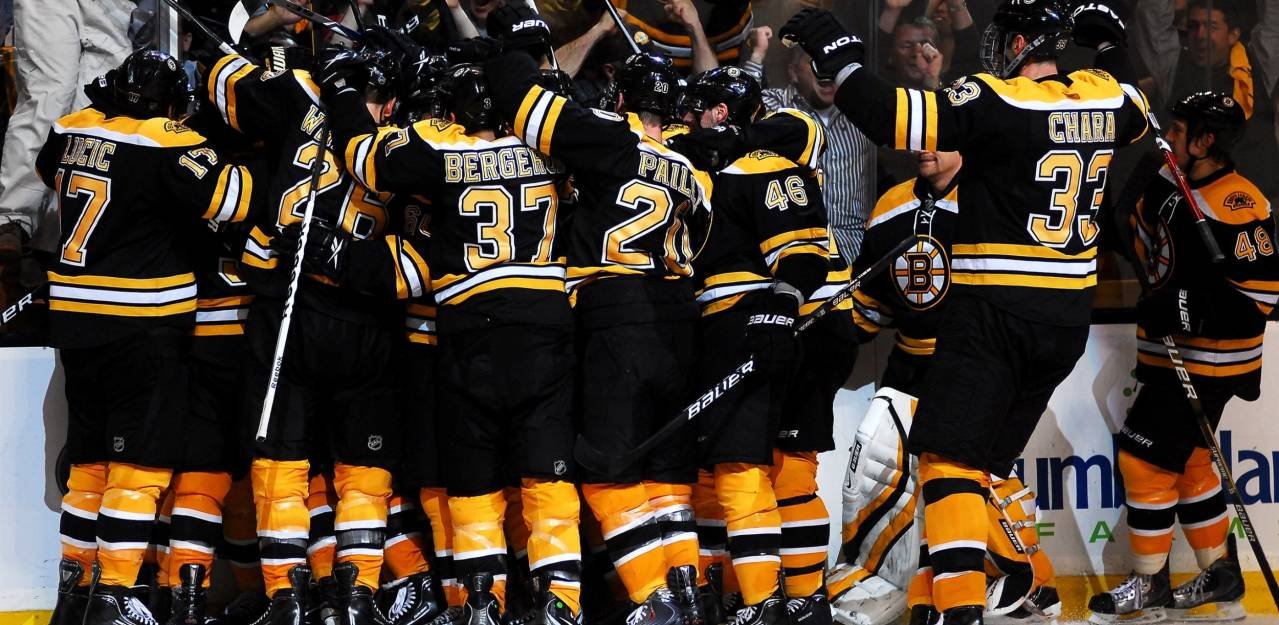
Regional Dynamics: The New England vs. Western New York Sports Culture
The rivalry is also a reflection of the cities themselves. Boston is often viewed as the "big brother" in the Northeast—a wealthy, championship-laden city with a high-pressure media environment. This translates to the Bruins' "Blue Collar" identity, which ironically contrasts with the city's "White Collar" economic status.
Buffalo, meanwhile, embraces its underdog status. As a city that has faced economic challenges and "near-misses" in sports (like the Bills' four Super Bowl losses), the Sabres represent the city's resilience. When the Sabres beat the Bruins, it’s viewed as a victory for the hard-working underdog against the established power. This cultural narrative fuels the energy in the stands every time these teams meet.
Frequently Asked Questions About the Bruins-Sabres Matchup
Who has won more games between the Bruins and Sabres?
The Boston Bruins hold the all-time lead in the head-to-head series, having won significantly more games than the Sabres since Buffalo joined the league in 1970.
What is the most famous moment in the rivalry?
Most hockey historians point to Brad May’s "May Day" goal in 1993, which gave the Sabres a playoff sweep over the Bruins and produced one of the most famous radio calls in sports history.
How many times have they met in the playoffs?
The Bruins and Sabres have met 8 times in the NHL playoffs. Boston has won 6 of those series, while Buffalo has won 2.
Do the Bruins and Sabres play in the same division?
Yes, both teams are members of the Atlantic Division in the Eastern Conference, meaning they play each other frequently during the regular season and are direct competitors for playoff spots.
Conclusion: The Evolving Dynamics of a Classic NHL Rivalry
The Boston Bruins vs. Buffalo Sabres rivalry remains one of the most consistent and engaging matchups in the NHL. While the Bruins have enjoyed more sustained success in terms of championships, the Sabres have proven time and again that they can rise to the occasion and disrupt Boston's plans. As new stars like David Pastrňák for Boston and Tage Thompson for Buffalo take the mantle, the rivalry continues to evolve, ensuring that the friction between New England and Western New York will remain a highlight of the hockey calendar for years to come.


Comments 0
Leave a Reply
Your email address will not be published. Required fields are marked *
Be the first to share your thoughts!