
💡 Gold Price Today: Understanding the Factors That Drive Daily Market Value
Discover how the daily gold price is determined in India, from global spot prices and USD-INR exchange rates to local taxes and central bank policies.
The gold price today in India is primarily determined by the international spot price, which is then adjusted for the US Dollar to Indian Rupee (USD-INR) exchange rate, import duties, and local taxes like GST. While global factors like US Federal Reserve interest rates and geopolitical tensions set the baseline, local demand during the wedding season and festivals like Akshaya Tritiya creates the final price you see at your local jeweler. Understanding these components is essential for anyone looking to buy jewelry or invest in bullion at the right time.
The Significance of Monitoring Daily Gold Price Fluctuations
For many Indian households, gold is more than just an ornament; it is a financial safety net and a cultural staple. Monitoring daily price fluctuations is crucial because even a minor change of ₹50 or ₹100 per gram can lead to a difference of thousands of rupees when purchasing heavy jewelry for weddings. Unlike stocks, which can be volatile, gold prices tend to move in response to broader economic shifts, making daily tracking a useful habit for long-term wealth preservation.
Decoding the Spot Price: How Global Exchanges Determine the Base Value
The "Spot Price" is the starting point for all gold pricing. This is the price at which gold is traded for immediate delivery on international exchanges like the London Bullion Market Association (LBMA) and the COMEX in New York. These markets operate almost 24 hours a day, reflecting global supply and demand. In India, we take this international price (quoted in dollars per ounce) and convert it to reflect the price per 10 grams in Rupees.
The Economic Engine: Why Inflation, Interest Rates, and the US Dollar Move the Needle
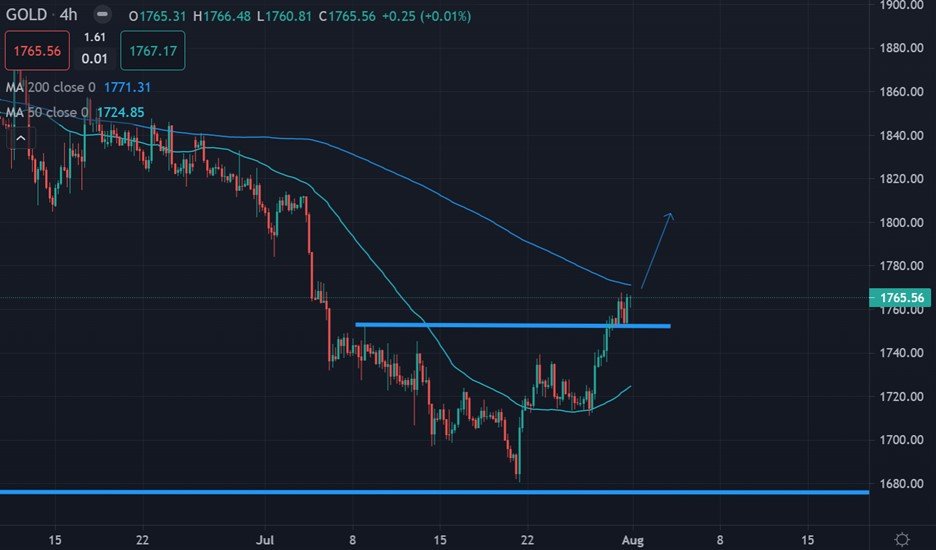
Three major economic factors dictate the direction of gold prices daily:
- Inflation: When the cost of living rises, the purchasing power of currency drops. Gold is a physical asset that maintains its value over centuries, so investors flock to it when inflation is high, driving the price up.
- Interest Rates: Gold does not pay interest or dividends. Therefore, when the US Federal Reserve or the Reserve Bank of India (RBI) increases interest rates, investors often move their money into fixed deposits or bonds, causing gold prices to soften. Conversely, low interest rates make gold more attractive.
- The US Dollar: Gold is globally priced in Dollars. If the Indian Rupee weakens against the Dollar, the cost of importing gold into India increases, making gold more expensive for Indian buyers even if the global price hasn't changed.
Purity and Premiums: Translating Market Rates into Physical Jewelry
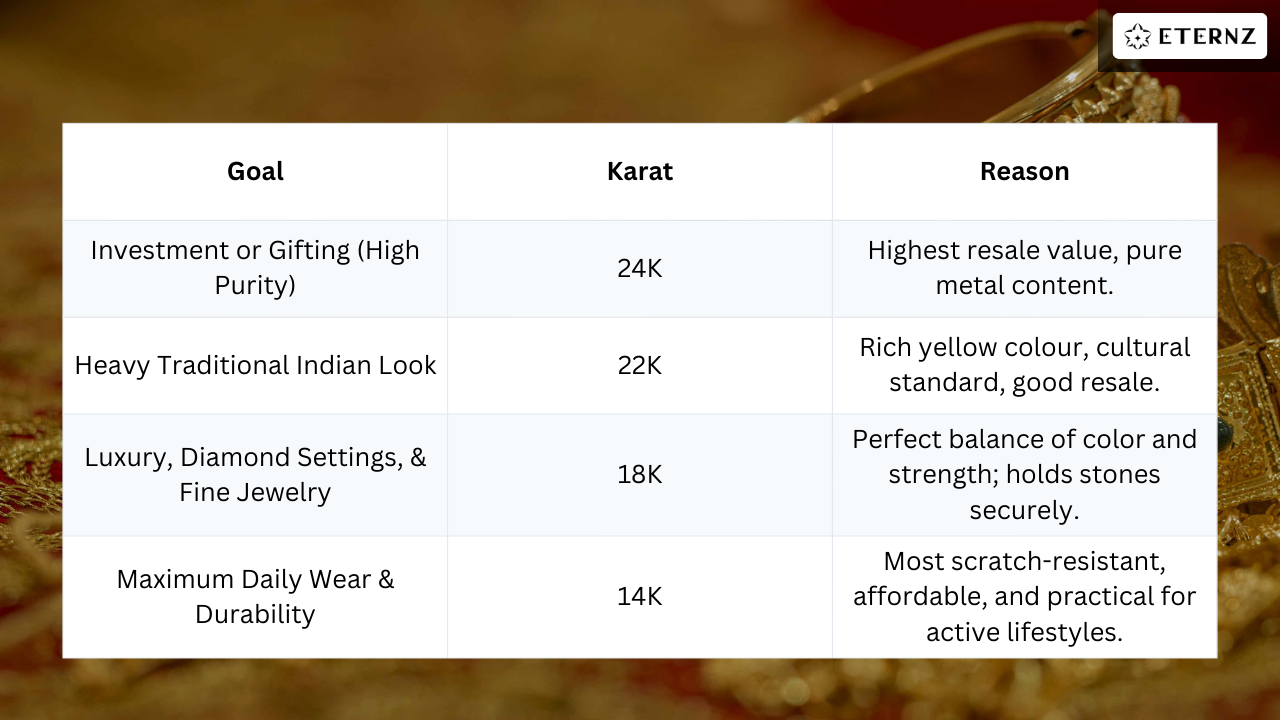
When you see the "gold price today" on news sites, it usually refers to 24K (99.9% pure) gold. However, most jewelry is made of 22K or 18K gold to ensure durability. Here is how the math works for a consumer:
- 24K Gold: Pure gold, used for investment bars and coins. It is too soft for intricate jewelry.
- 22K Gold: Contains 91.6% gold and 8.4% other metals like copper or zinc. This is the standard for most Indian jewelry.
- 18K Gold: Contains 75% gold, typically used for diamond-studded or stone-heavy jewelry to provide a stronger grip.
To calculate the final price of jewelry, you must add Making Charges (which vary by jeweler), a 3% GST on the total value, and a small Hallmarking Fee. Always look for the BIS Hallmark and the HUID (Hallmark Unique Identification) number to ensure purity.
Geopolitical Influence: How Global Stability Impacts Gold
Gold is famously known as a "safe-haven asset." During times of war, political instability, or global pandemics, investors lose confidence in paper currency and stock markets. They move their capital into gold because it is a tangible asset with no "counterparty risk" (it doesn't depend on a government's promise to pay). This is why you often see gold prices spike during international conflicts or global trade disputes.
The Role of Central Banks and Institutional Demand
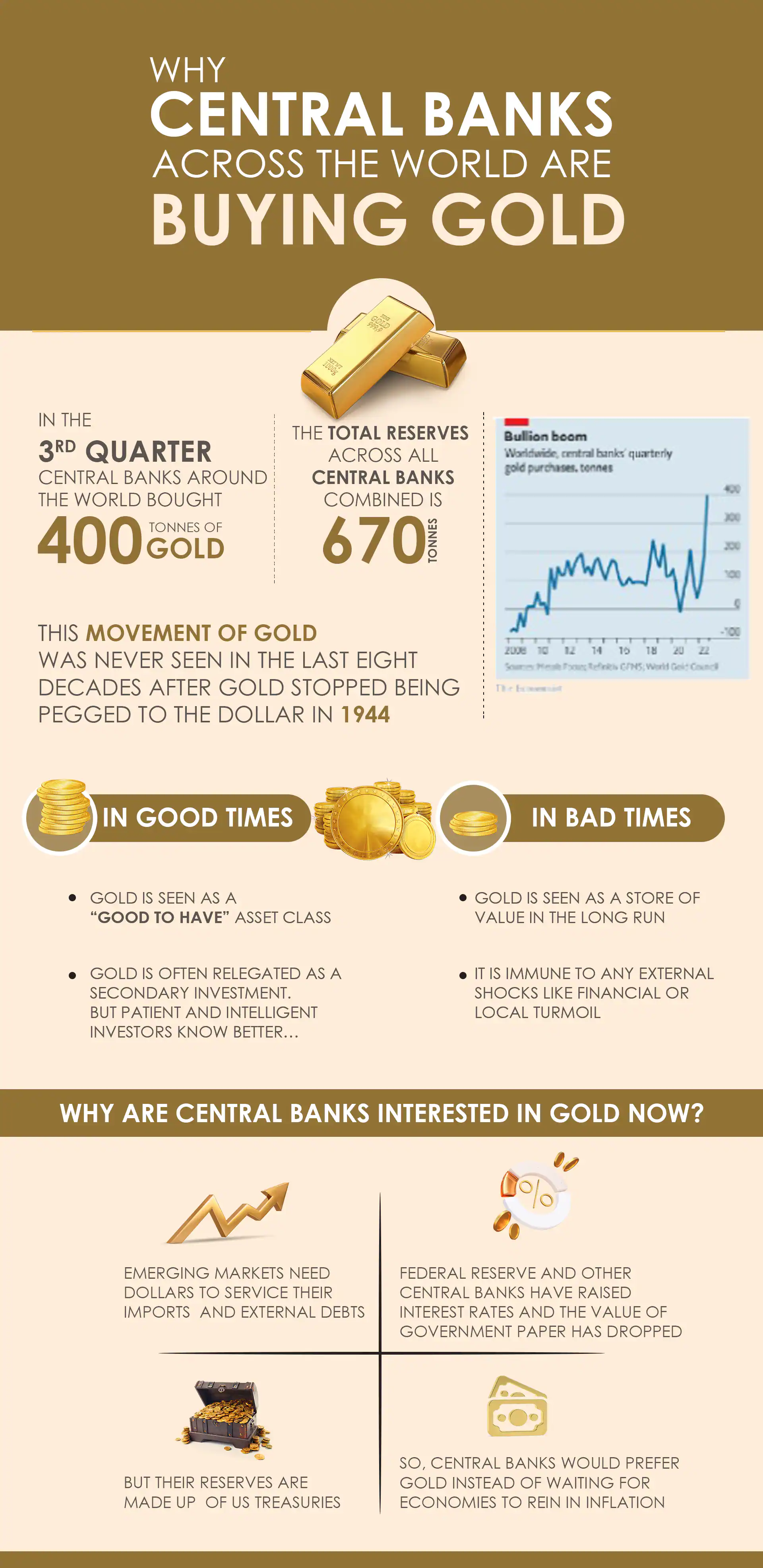
Central banks, including the Reserve Bank of India (RBI), hold massive amounts of gold as part of their foreign exchange reserves. When central banks increase their gold reserves, they take a significant amount of supply off the market, which naturally pushes prices higher. Institutional investors and Exchange Traded Funds (ETFs) also play a role; when they buy gold in bulk to back their digital shares, it creates a massive surge in demand that reflects in the daily price.
Strategic Timing: How to Interpret Daily Price Data
If you are looking to buy, don't try to "time the bottom" perfectly. Instead, use a strategy called Rupee Cost Averaging. Buy small amounts of gold—whether through digital gold, gold coins, or jewelry—at regular intervals. This balances out the high and low prices over time. In India, prices often dip slightly after major festivals or when the US Dollar strengthens. Keeping an eye on the USD-INR exchange rate can give you a 24-hour head start on whether the local price is likely to rise or fall the next day.
Frequently Asked Questions About Gold Market Trends
1. Why is the gold price different in Mumbai compared to Chennai?
Gold prices vary across Indian cities due to differences in local jewelry associations, transportation costs, and local taxes or octroi charges.
2. Is 24K gold better than 22K for investment?
Yes. For investment purposes, 24K gold bars or coins are better because you pay for the highest purity and encounter lower making charges compared to jewelry.
3. What is the impact of GST on gold?
Currently, a 3% Goods and Services Tax (GST) is applied to the value of the gold and the making charges. This is a mandatory tax for all legal purchases in India.
4. Does the price of gold always go up?
While gold has historically increased in value over the long term, it can go through years of stagnation or decline if interest rates remain high and the global economy is exceptionally stable.
Important Note: Financial Disclaimer: This content is for educational purposes only and does not constitute professional financial advice. Always consult with a certified financial planner before making investment decisions.
Conclusion
The gold price today is a reflection of a complex global web involving US economic policy, currency fluctuations, and local Indian demand. While daily volatility is inevitable, gold remains a cornerstone of financial security in India. By understanding the difference between spot prices and the final cost of hallmarked jewelry, you can make more informed decisions, ensuring that your investment or purchase provides value for years to come. Always prioritize hallmarked gold and keep a long-term perspective rather than reacting impulsively to daily price swings.





Comments 0
Leave a Reply
Your email address will not be published. Required fields are marked *
Be the first to share your thoughts!