
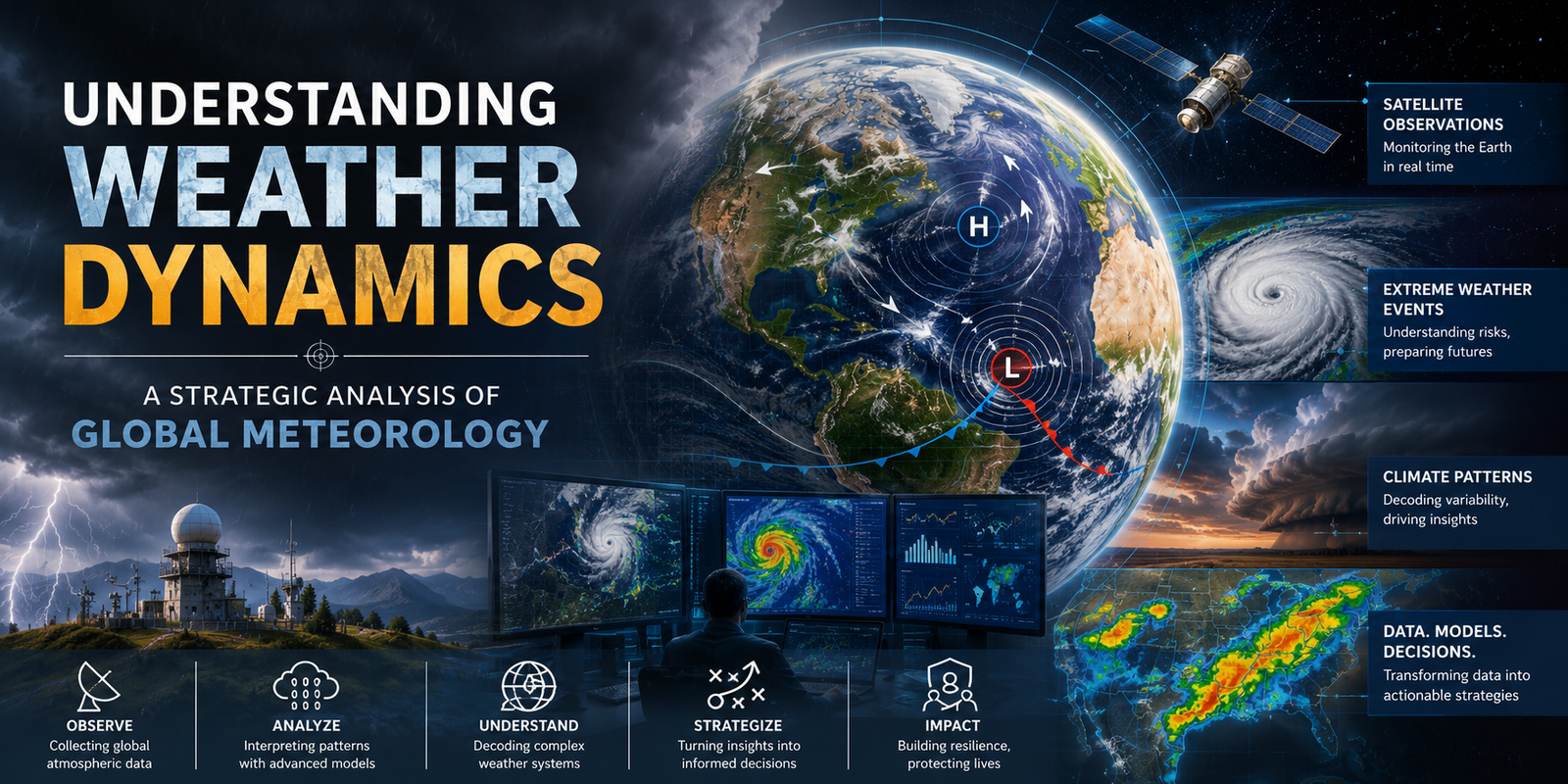
💡 Understanding Weather Dynamics: A Strategic Analysis of Global Meteorology
An in-depth analysis of global weather patterns, the economic impact of climate shifts, and the technological evolution of meteorological forecasting.
Executive Summary
Weather patterns are no longer just a topic of daily conversation; they have become a critical pillar of global economic stability and strategic planning. According to the World Meteorological Organization (WMO), weather, climate, and water-related hazards caused 11,778 reported disasters between 1970 and 2021, resulting in over 2 million deaths and 4.3 trillion dollars in economic losses. This article examines the convergence of meteorological science and data-driven strategy. Key findings indicate that the integration of Artificial Intelligence (AI) in forecasting has improved 24-hour accuracy to over 95 percent, while the global climate risk insurance market is projected to reach 150 billion dollars by 2030. We analyze how regional shifts, such as the Indian Monsoon and the El Niño-Southern Oscillation (ENSO), dictate market trends and geopolitical security.
Introduction
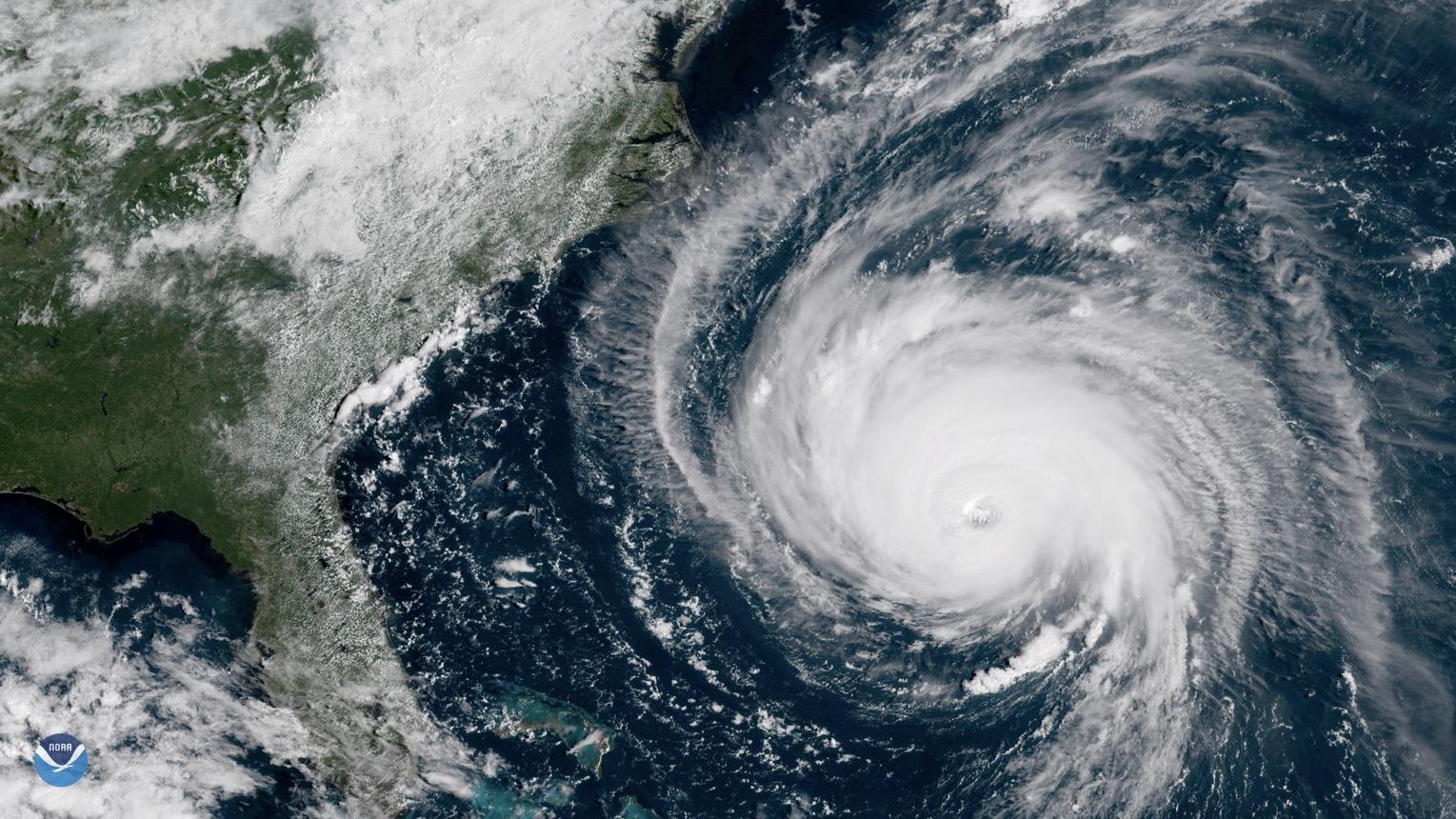
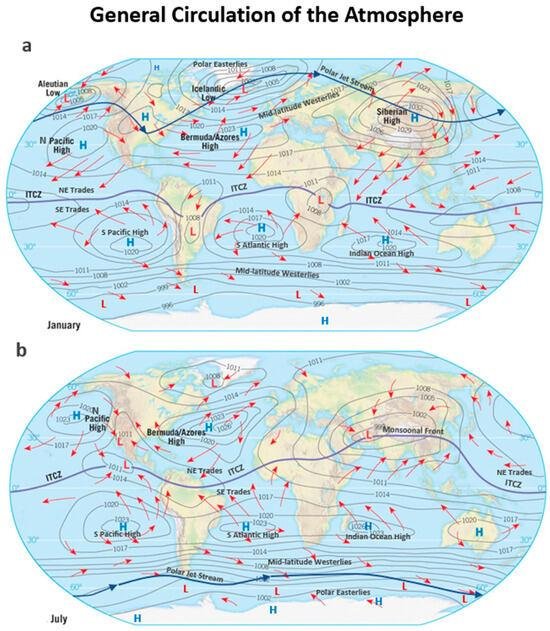
The study of weather, or meteorology, has transitioned from a descriptive science into a predictive powerhouse fueled by supercomputing and satellite arrays. In the current landscape, the ability to interpret atmospheric data is a competitive advantage for industries ranging from agriculture to aerospace. As global average temperatures reach 1.45 degrees Celsius above pre-industrial levels, the volatility of weather events has intensified. Understanding these dynamics requires more than just looking at a thermometer; it requires a strategic analysis of atmospheric pressure, humidity gradients, and oceanic currents. This analysis provides a framework for understanding how weather influences high-level decision-making in governance and private sectors alike.
The Deep Dive: The Science and Strategy of Meteorology
1. The Economic Impact of Atmospheric Volatility
Weather is the single largest variable in global economic performance. In the United States alone, weather-sensitive industries account for nearly 30 percent of the Gross Domestic Product (GDP), totaling approximately 6 trillion dollars. Agriculture depends on precise precipitation windows, while the energy sector relies on temperature forecasts to manage grid loads. For instance, a deviation of just 2 degrees in summer averages can increase energy consumption costs by billions. The insurance industry has also pivoted, utilizing catastrophe modeling to price risk in flood-prone or hurricane-sensitive regions. This level of planning is essential for administrative bodies, as seen in the TGPSC strategic analysis regarding public infrastructure and disaster management protocols.
2. Technological Advancements in Forecasting
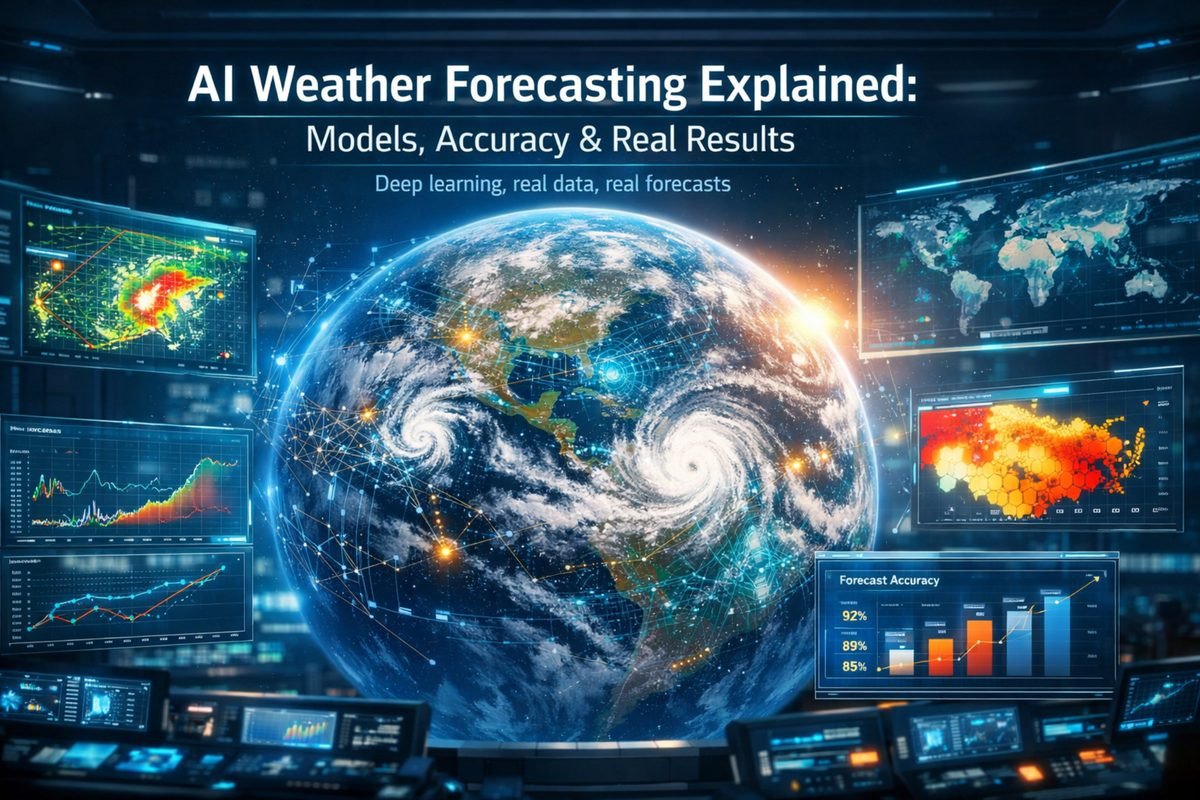
The shift from traditional numerical weather prediction (NWP) to AI-driven models marks a significant milestone. Companies like Google and NVIDIA have developed models that can predict global weather patterns in seconds, a task that previously took supercomputers hours. These models utilize historical data from the European Centre for Medium-Range Weather Forecasts (ECMWF) to identify patterns that human analysts might overlook. Satellite technology has also improved, with Geostationary Operational Environmental Satellites (GOES) providing high-resolution imagery every 30 seconds. This data is vital for real-time tracking of severe storms and heatwaves.
3. Regional Patterns: The Indian Monsoon and Beyond
The Indian Monsoon is perhaps the most significant seasonal weather system on the planet, affecting the food security of nearly 2 billion people. A normal monsoon contributes to healthy crop yields and lower inflation, while a deficit can trigger economic contraction. Understanding these seasonal shifts is crucial for tourism and regional planning. For example, travelers often consult a Goa Monsoon Travel Guide to understand how heavy rainfall impacts accessibility and safety. Beyond India, the polar vortex and Atlantic hurricane season represent other regional phenomena that have global repercussions, including the disruption of maritime trade routes and energy supplies.
4. Geopolitical Implications of Climate and Weather
Weather patterns are increasingly tied to national security. Prolonged droughts can lead to resource scarcity, which often acts as a catalyst for civil unrest and international tension. The strategic control of water resources and the management of climate-induced migration are now central themes in defense strategies. When analyzing geopolitical stability, one must account for how environmental stressors exacerbate existing conflicts. The ability of a nation to predict and mitigate weather-related disasters is now a metric of its overall resilience and sovereign strength.
What This Means For You
For the average citizen and business owner, weather literacy is a tool for risk mitigation. On a micro level, it influences travel plans, property investment, and daily logistics. On a macro level, it affects the cost of goods and services. To stay ahead, individuals should:
- Utilize hyper-local weather apps that offer minute-by-minute precipitation updates.
- Invest in climate-resilient infrastructure for homes and businesses to lower long-term insurance premiums.
- Monitor seasonal outlooks if involved in supply chain management or commodity trading.
- Understand the link between weather events and market volatility to make informed financial decisions.
Expert Verdict
The future of meteorology lies in the concept of Nowcasting and hyper-local precision. We are moving toward a period where weather data will be integrated into every digital touchpoint, from autonomous vehicle navigation to smart city energy grids. The consensus among climatologists is that while we cannot stop the increase in weather volatility in the short term, our capacity to predict it has never been higher. Strategic investment in early warning systems, particularly in developing nations, remains the most effective way to save lives and protect assets. The next decade will see a transition from reactive disaster response to proactive climate adaptation.
FAQ: Authoritative Insights on Weather
What is the difference between weather and climate?
Weather refers to the short-term state of the atmosphere, including temperature, humidity, and precipitation over minutes to weeks. Climate is the long-term average of these weather patterns in a specific region, typically calculated over a 30-year period.
How accurate are 7-day weather forecasts today?
Modern 7-day forecasts are now as accurate as 5-day forecasts were two decades ago. Accuracy rates for 7-day outlooks generally hover around 80 percent, though this can vary based on regional geography and atmospheric stability.
What is the El Niño-Southern Oscillation (ENSO)?
ENSO is a periodic fluctuation in sea surface temperatures and air pressure in the equatorial Pacific Ocean. It consists of two phases: El Niño (warming) and La Niña (cooling), both of which significantly alter global weather patterns and agricultural output.
Does global warming cause more hurricanes?
Scientific consensus suggests that while global warming may not necessarily increase the total number of hurricanes, it increases the intensity and rainfall rates of these storms due to warmer ocean temperatures providing more energy.
How does AI improve weather forecasting?
AI improves forecasting by processing massive datasets much faster than traditional physical models. It identifies complex correlations between atmospheric variables that were previously too difficult to map, leading to better predictions of extreme weather events.
Conclusion
Weather is a dynamic force that dictates the rhythm of human life and the health of the global economy. By moving beyond a surface-level understanding of daily forecasts and embracing a strategic analysis of meteorological trends, we can better prepare for the challenges of an increasingly volatile atmosphere. The integration of advanced technology, economic foresight, and regional awareness is the only path toward true climate resilience. As we navigate this era of environmental change, data-driven meteorology will remain our most vital compass.




Comments 0
Leave a Reply
Your email address will not be published. Required fields are marked *
Be the first to share your thoughts!