
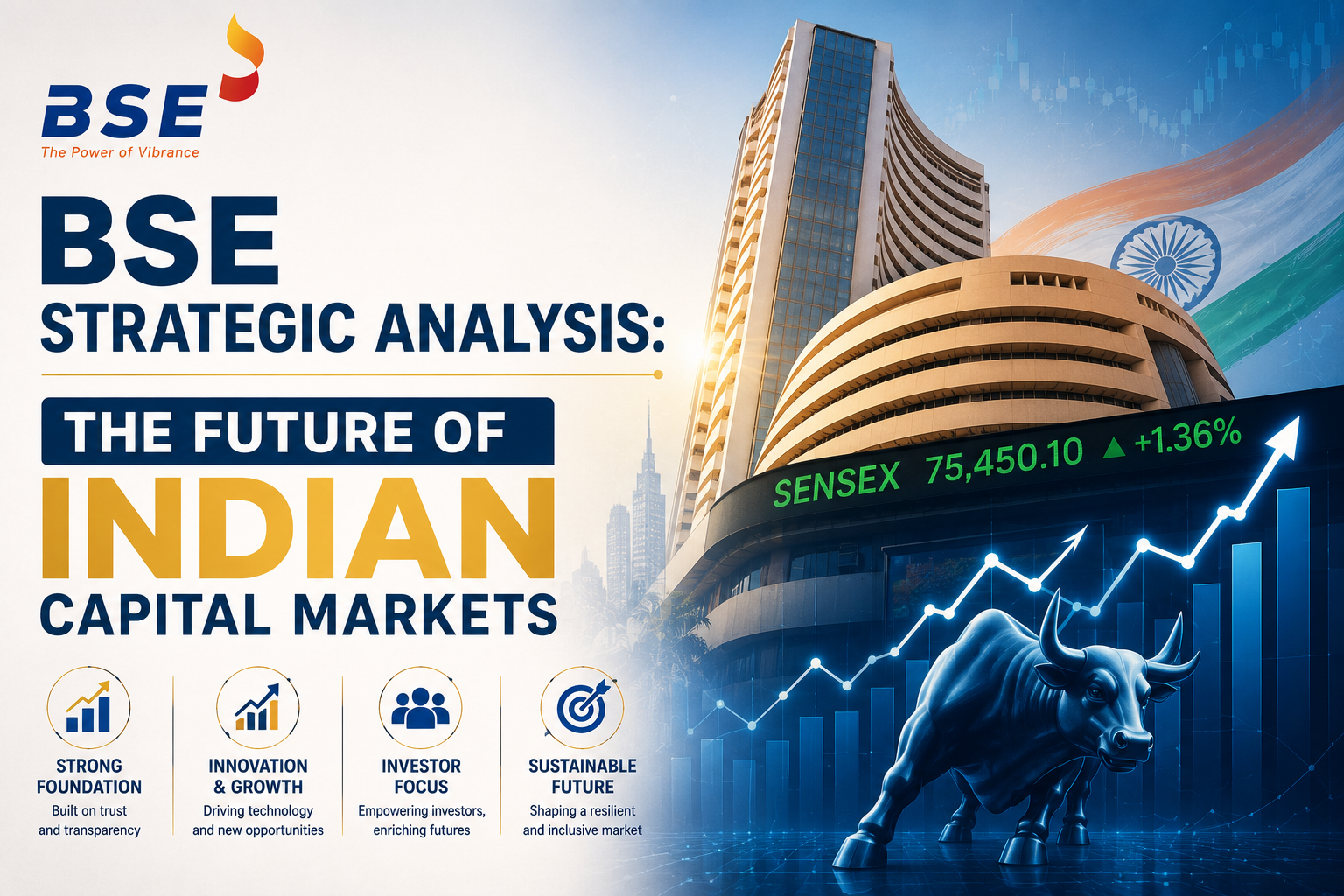
💡 BSE Strategic Analysis: The Future of Indian Capital Markets
A comprehensive analysis of the Bombay Stock Exchange (BSE), its market evolution, the rise of the SME platform, and its impact on global finance.
Executive Summary
The Bombay Stock Exchange (BSE) stands as a cornerstone of India's financial architecture and the oldest stock exchange in Asia. As of 2024, the BSE has achieved a historic milestone, with the total market capitalization of all listed companies on the platform surpassing the 5 trillion USD mark. This growth is driven by robust domestic participation, a surging Small and Medium Enterprise (SME) segment, and a revitalized derivatives market. Key data highlights indicate a 20 percent year-on-year growth in the SENSEX index, reflecting strong macroeconomic fundamentals. This strategic analysis examines the operational efficiency, regulatory environment, and technological advancements that position the BSE as a global leader in equity trading.
Introduction
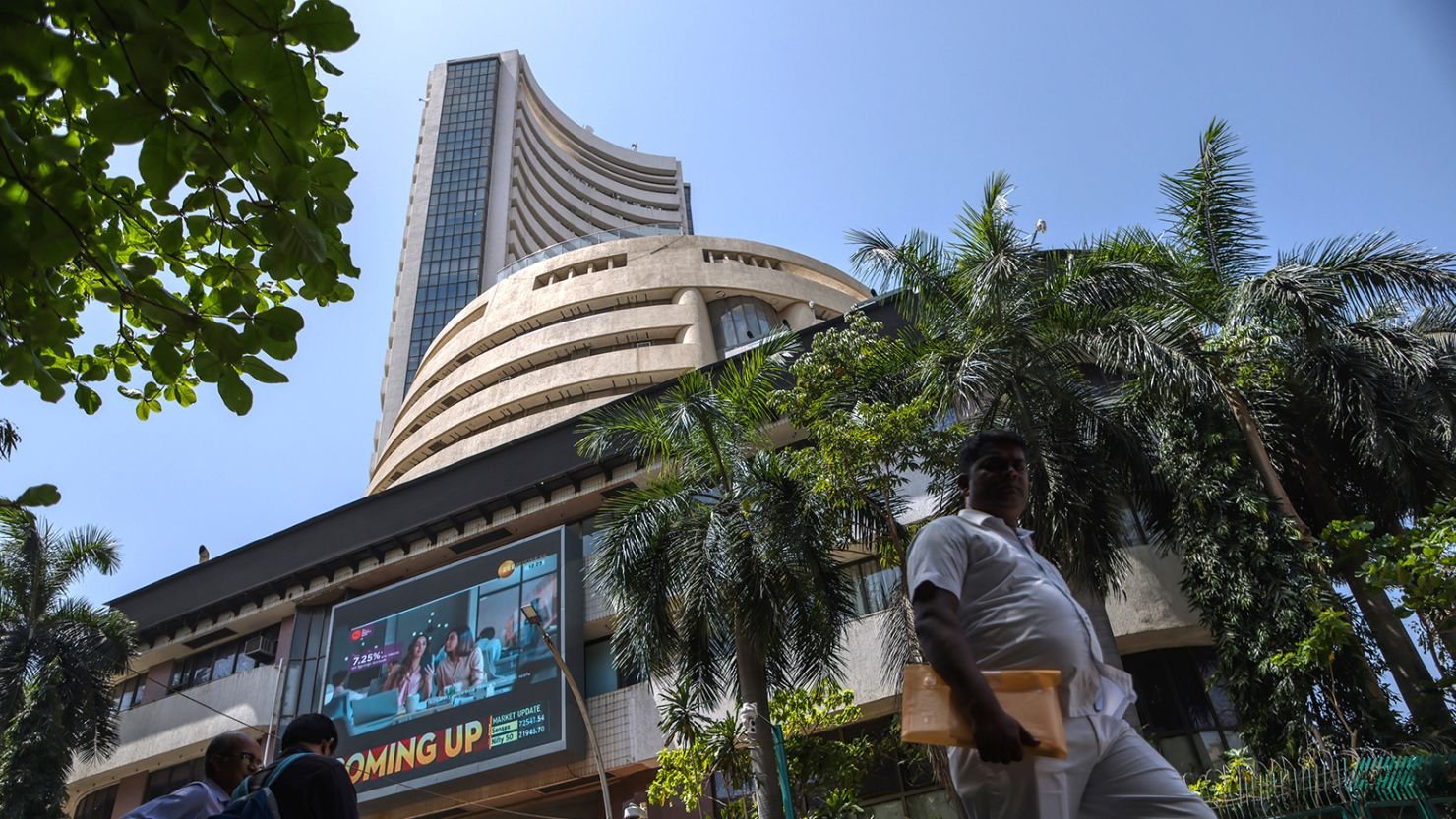
Established in 1875 as The Native Share and Stock Brokers' Association, the BSE has evolved from a small gathering under a banyan tree into a high-tech financial institution. Today, it serves as a critical barometer for the Indian economy. The exchange provides a transparent platform for trading in equity, debt instruments, derivatives, and mutual funds. With the Indian economy projected to become the third largest in the world by 2030, the BSE plays a pivotal role in capital formation. Understanding the strategic trajectory of the BSE requires an analysis of its competitive positioning against the National Stock Exchange (NSE) and its ability to attract both retail and institutional investors.
The Deep Dive: Strategic Pillars of the BSE
1. Market Capitalization and Global Standing
The BSE is currently ranked among the top ten largest stock exchanges globally by market capitalization. The recent surge to 5 trillion USD in market value is not merely a numerical achievement but a reflection of the deepening of Indian capital markets. Unlike many global peers, the BSE hosts over 5,000 listed companies, providing a diverse range of investment opportunities across sectors such as technology, manufacturing, and finance. For instance, the performance of heavyweights in the HDFC Bank Share: Strategic Analysis of Financial Performance highlights how large-cap stability contributes to the overall resilience of the BSE SENSEX.
2. The SME Platform: A Growth Engine
One of the most significant strategic successes for the BSE has been the BSE SME platform. Launched in 2012, it has become a vital source of equity financing for small and medium-sized enterprises. Data shows that over 450 companies have been listed on this platform, raising billions in capital. This segment has seen a massive influx of retail interest due to high growth potential, although it carries higher volatility compared to the mainboard. The exchange has implemented stringent eligibility criteria to ensure investor protection while maintaining the liquidity necessary for these smaller entities to thrive.

3. Derivatives and Market Share Dynamics
For several years, the BSE lagged behind its primary competitor in the derivatives segment. However, since late 2023, the BSE has staged a significant comeback. By relaunching its SENSEX and BANKEX derivative contracts with revised expiry cycles, the exchange has captured a substantial portion of the options trading volume. Strategic pricing and lower transaction costs have incentivized high-frequency traders and retail participants to shift a portion of their activity to the BSE. This shift is critical as it diversifies the exchange's revenue streams beyond just listing fees and cash market transactions.
4. Technological Infrastructure and Speed
BSE is home to the BOLT Plus system, which is based on the T7 trading architecture. It is recognized as one of the fastest exchanges in the world, with a median response time of 6 microseconds. This technological edge is essential for modern algorithmic trading. The exchange has also integrated advanced surveillance systems to monitor market manipulation and ensure fair play. Such infrastructure is as vital to financial stability as energy infrastructure is to a nation, much like the insights found in the Diesel: Strategic Analysis of Global Energy and Infrastructure report.
5. Diversification of Asset Classes
Beyond equities, the BSE has expanded into commodity derivatives, electronic gold receipts (EGRs), and social stock exchanges. The introduction of EGRs allows investors to trade gold in a transparent, regulated environment, providing a digital alternative to physical holdings. Investors often track these developments alongside the 24 Carat Gold Price Today: Strategic Market Analysis to make informed decisions about asset allocation and hedging against inflation.
What This Means For You
For the individual investor, the growth of the BSE signifies a maturing market with increased liquidity and better regulatory oversight. Here is how you can navigate this landscape:
- Diversification: Utilize the vast list of 5,000+ companies to spread risk across different sectors.
- SME Opportunities: Monitor the SME platform for high-growth companies, but ensure thorough due diligence due to the higher risk profile.
- Cost Efficiency: Take advantage of the competitive transaction costs resulting from the rivalry between BSE and NSE.
- Digital Tools: Leverage the BSE's mobile applications and web portals for real-time data and seamless mutual fund investments.

Expert Verdict and Future Outlook
The strategic outlook for the BSE remains overwhelmingly positive. Industry experts suggest that as India continues its path toward a 7 trillion USD economy, the stock exchange will see an increase in both the number of listings and the depth of the market. The BSE's focus on ESG (Environmental, Social, and Governance) reporting and the development of the Social Stock Exchange will likely attract a new wave of global institutional capital. However, the exchange must remain vigilant against global headwinds, such as interest rate fluctuations in the US and geopolitical tensions, which can lead to sudden capital outflows. The long-term trend suggests that the BSE will continue to narrow the gap with global giants like the NYSE and NASDAQ in terms of technological sophistication and product variety.
FAQ: Authoritative Insights
1. What is the difference between BSE and NSE?
The BSE is the older exchange with more listed companies, while the NSE (National Stock Exchange) typically handles higher trading volumes, especially in the derivatives segment. Both are regulated by SEBI and provide similar trading facilities.
2. How is the SENSEX calculated?
The SENSEX is a free-float market-weighted index of 30 well-established and financially sound companies listed on the BSE. It represents the overall trend of the market.
3. Can foreign investors trade on the BSE?
Yes, Foreign Portfolio Investors (FPIs) can trade on the BSE subject to regulations and limits set by the Securities and Exchange Board of India (SEBI) and the Reserve Bank of India (RBI).
4. What are the trading hours for the BSE?
The standard equity market trading hours are from 9:15 AM to 3:30 PM IST, Monday through Friday, with a pre-open session starting at 9:00 AM.
5. What is the BSE SME platform?
It is a dedicated platform for small and medium enterprises to raise capital. It has less stringent listing requirements than the mainboard but requires companies to have a minimum post-issue paid-up capital.
Conclusion
The BSE has successfully transformed from a traditional trading floor into a world-class electronic exchange. Its strategic focus on the SME segment, the revitalization of its derivatives portfolio, and its commitment to technological excellence have solidified its position in the global financial hierarchy. For investors and stakeholders, the BSE represents more than just a trading venue: it is a symbol of India's economic resilience and its burgeoning potential on the world stage. As the exchange moves forward, its ability to maintain transparency and adapt to the digital-first era will be the primary drivers of its continued success.
Important Note: Financial Disclaimer: This content is for educational purposes only and does not constitute professional financial advice. Always consult with a certified financial planner before making investment decisions.





Comments 0
Leave a Reply
Your email address will not be published. Required fields are marked *
Be the first to share your thoughts!