
💡 Where is Cicada covid variant symptoms?
A comprehensive guide to the Cicada COVID variant (BA.3.2), detailing its specific symptoms, transmission risks, and essential safety measures for the Indian population.
What is the Cicada COVID Variant?
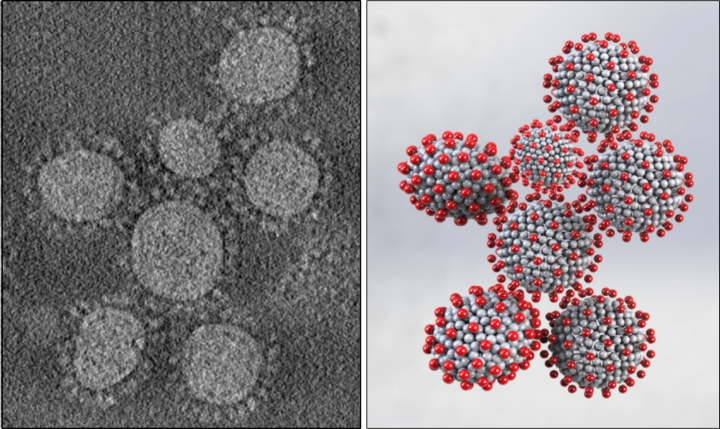
The landscape of the global health crisis continues to shift as new sub-lineages of the SARS-CoV-2 virus emerge. One of the latest names circulating in health discussions is the Cicada variant, scientifically identified as the BA.3.2 sub-lineage of the Omicron family. While official health organizations like the World Health Organization (WHO) primarily use alphanumeric designations, the term Cicada has gained traction among variant trackers and social media communities to help distinguish this specific branch of the virus.
According to global analysts, BA.3.2 is a descendant of the Omicron lineage that has shown a specific set of mutations in its spike protein. These mutations are designed by nature to help the virus latch onto human cells more effectively and potentially bypass some of the immune defenses built up through previous infections or vaccinations. In India, where the population has experienced multiple waves of the pandemic, understanding the nuances of these new variants is crucial for maintaining public health and individual safety.
What are the primary symptoms of the Cicada COVID variant?
As per recent industry reports, the symptoms of the BA.3.2 Cicada variant largely mirror those of previous Omicron sub-variants, but with slight variations in intensity and duration. For the Indian population, where environmental factors like pollution and seasonal allergies can often mimic viral symptoms, it is important to distinguish the specific signs of this variant.
The most commonly reported symptoms include:
- Persistent Sore Throat: Many patients report a scratchy or painful throat as the very first sign of infection.
- Significant Fatigue: A sense of profound exhaustion that does not improve with rest is a hallmark of the BA.3.2 sub-lineage.
- Upper Respiratory Congestion: Runny nose, sneezing, and sinus pressure are frequently observed, often leading people to mistake the virus for a common cold.
- Mild to Moderate Fever: While high fevers were common in earlier variants like Delta, Cicada often presents with a low-grade fever or occasional chills.
- Dry Cough: A persistent, hacking cough that may linger for several days after other symptoms have subsided.
- Muscle Aches: Generalized body pain and joint discomfort are frequently reported by those testing positive for the BA.3.2 strain.
Experts suggest that while the loss of taste and smell is less common with this variant compared to the original 2020 strain, it is still reported in a small percentage of cases. In India, healthcare providers are noticing that gastrointestinal issues, such as nausea or mild diarrhea, are also appearing in some patients infected with the Cicada variant.
How does BA.3.2 spread and evolve?
The evolution of the virus is a continuous process of mutation. The BA.3.2 variant is characterized by its high transmissibility. Medical experts in India suggest that the variant spreads primarily through respiratory droplets when an infected person coughs, sneezes, or talks. Because the Cicada variant has mutations that enhance its ability to bind to the ACE2 receptors in the human respiratory tract, it can take hold more quickly than some of its predecessors.
One of the core concepts of variant evolution is immune evasion. The BA.3.2 strain has demonstrated a knack for navigating around the antibodies produced by earlier vaccinations. This does not mean that vaccines are ineffective, but rather that their primary role has shifted toward preventing severe disease and hospitalization rather than preventing infection entirely. This is particularly relevant for the Indian context, where a large portion of the population has received the primary series of vaccinations but may have waning immunity over time.

Why is the Cicada variant a concern for India?
India presents a unique environment for viral transmission due to its high population density and diverse climatic conditions. As per recent industry reports, the introduction of any highly transmissible variant like BA.3.2 requires careful monitoring. The concern is not necessarily a surge in mortality, but rather a surge in morbidity that could strain the healthcare infrastructure.
In urban centers like Delhi, Mumbai, and Bengaluru, where public transport and crowded markets are part of daily life, the Cicada variant can spread rapidly. Furthermore, the Indian population has a significant number of individuals with comorbidities such as diabetes and hypertension, who remain at a higher risk of complications even from milder variants. Therefore, understanding the symptoms and seeking early testing remains a priority for the regional health strategy.
How to protect yourself from the Cicada variant?
Protecting yourself from the BA.3.2 sub-lineage involves a combination of traditional hygiene practices and updated health strategies. Experts suggest the following step-by-step approach to safety:
- Maintain Hand Hygiene: Regular washing of hands with soap and water for at least 20 seconds remains one of the most effective ways to kill the virus.
- Use Quality Masks in Crowded Areas: In poorly ventilated or crowded indoor spaces, using an N95 or equivalent mask provides a significant barrier against respiratory droplets.
- Ensure Proper Ventilation: Whenever possible, keep windows open to allow fresh air to circulate, reducing the concentration of viral particles in the air.
- Stay Updated with Boosters: Following the guidance of Indian health authorities regarding precautionary doses or booster shots is essential for maintaining high levels of neutralizing antibodies.
- Monitor Health Daily: If you experience any of the symptoms mentioned above, isolate yourself immediately and get tested to prevent further spread within your family or workplace.
Common mistakes to avoid
In the effort to manage the spread of the Cicada variant, several common mistakes can hinder progress. One major error is dismissing mild symptoms as a simple seasonal allergy or a common cold. Because the symptoms of BA.3.2 are often mild, many people continue their daily routines, inadvertently spreading the virus to more vulnerable individuals.
Another mistake is the over-reliance on self-medication without professional advice. In India, there is often a tendency to use antibiotics for viral infections, which is ineffective against COVID-19 and contributes to the global problem of antimicrobial resistance. Always consult a qualified medical practitioner before starting any course of treatment.

Pro tips for recovery and wellness
If you do test positive for the BA.3.2 Cicada variant, focusing on holistic recovery is key. According to health researchers, hydration is the most critical factor. Drinking plenty of water, coconut water, or herbal teas can help the body manage the fever and thin the mucus in the respiratory tract.
Adequate rest is non-negotiable. The fatigue associated with this variant can be persistent, and pushing the body too hard during the recovery phase can lead to prolonged symptoms or what is commonly known as long COVID. Additionally, a diet rich in vitamin C and zinc, sourced from natural foods like citrus fruits, nuts, and green leafy vegetables, can support the immune system during its fight against the virus.
Frequently Asked Questions
Is the Cicada variant more dangerous than Delta?
Current data suggests that while the Cicada variant (BA.3.2) is more transmissible than the Delta variant, it generally results in less severe illness for the majority of people, especially those who are vaccinated. However, it still poses a significant risk to the elderly and those with underlying health conditions.
Do existing COVID tests detect the Cicada variant?
Yes, standard RT-PCR tests and rapid antigen tests available in India are capable of detecting the BA.3.2 sub-lineage. If you have symptoms, these tests remain the gold standard for confirmation.
How long is the incubation period for BA.3.2?
The incubation period for Omicron sub-variants like Cicada tends to be shorter than earlier strains, typically ranging from two to five days after exposure.
Are the symptoms of BA.3.2 different in children?
In children, the symptoms of the Cicada variant often include a high fever, cough, and sometimes croup-like symptoms. Parents in India should monitor their children for any signs of respiratory distress or unusual lethargy.
Can I get infected with Cicada if I already had COVID?
Yes, reinfection is possible with the BA.3.2 variant because of its ability to evade some of the immunity gained from previous infections by different strains. This is why maintaining preventive measures is important regardless of prior infection status.
Conclusion
The emergence of the Cicada COVID variant, or BA.3.2, serves as a reminder that the virus is still evolving and requires our attention. By recognizing the symptoms early, such as a sore throat and unusual fatigue, and adhering to established safety protocols, the Indian population can effectively manage the impact of this sub-lineage. Staying informed through reliable sources and maintaining a proactive approach to health are the best tools we have in this ongoing journey toward long-term safety and wellness.
Important Note: Medical Disclaimer: This information is not intended to be a substitute for professional medical advice, diagnosis, or treatment. Always seek the advice of your physician or other qualified health provider.
Related Media
Quick View: Understanding the Cicada COVID Variant: Symptoms, BA.3.2 Characteristics, and Prevention Guide for India




Comments 0
Leave a Reply
Your email address will not be published. Required fields are marked *
Be the first to share your thoughts!