

Understanding the Significance of Silver in the Indian Context
Silver has long been more than just a metal in India. It is deeply woven into the cultural, social, and economic fabric of the nation. Known as the poor man's gold, it serves as an accessible entry point for millions of households looking to preserve wealth. However, the modern perspective on silver is shifting. It is no longer just about traditional jewelry or silverware. Today, silver is recognized as a vital industrial commodity and a sophisticated investment asset. According to global analysts, India remains one of the largest consumers of silver in the world, driven by a combination of festive demand and a rapidly growing manufacturing sector.
Whether you are a first-time buyer looking for a gift or a seasoned investor diversifying a portfolio, understanding the nuances of silver is crucial. This metal possesses unique physical properties, such as the highest electrical and thermal conductivity of any element, making it indispensable in the technology age. In India, the market for silver is regulated by specific standards to protect consumers, and staying informed about these standards is the first step toward making a wise purchase or investment. Read more about investing in precious metals in India.
The Dual Role of Silver: Industrial Powerhouse and Financial Asset
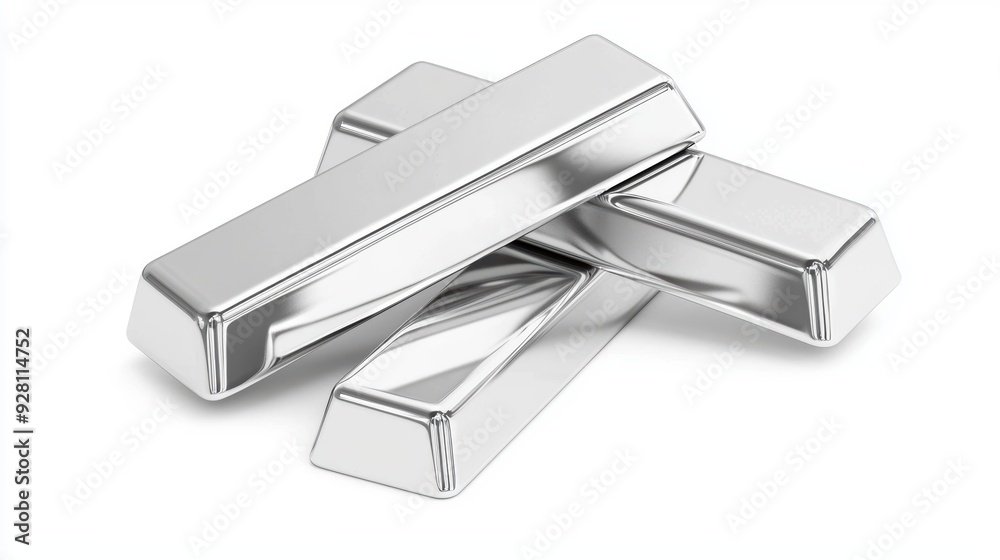
Silver is unique because it functions effectively in two different worlds. On one hand, it is a precious metal, valued for its rarity and luster. On the other hand, it is an industrial metal with thousands of applications. Experts suggest that more than 50 percent of the global demand for silver comes from industrial applications. This dual nature means that the value of silver is influenced by both economic growth (which drives industrial demand) and economic uncertainty (which drives investment demand).
Industrial Applications in India
As India pushes toward a greener economy, the industrial demand for silver is expected to rise. As per recent industry reports, silver is a critical component in the production of photovoltaic cells used in solar panels. With India's ambitious solar energy targets, the requirement for silver paste is significant. Additionally, silver is used extensively in electronics, including smartphones, tablets, and the growing electric vehicle (EV) market. Every EV contains significantly more silver than a traditional internal combustion engine vehicle due to the increased complexity of electronic systems. Learn more about renewable energy growth in India.
Investment Value
For Indian investors, silver acts as a hedge against inflation. While gold often grabs the headlines, silver frequently outperforms gold in percentage terms during bull markets. Because the silver market is smaller than the gold market, it can be more volatile, which offers opportunities for significant gains for those who understand market cycles. According to the Silver Institute, investment in silver bars and coins has seen a steady rise as people look for tangible assets that hold value over long periods.
Understanding Purity and Hallmarking Standards in India
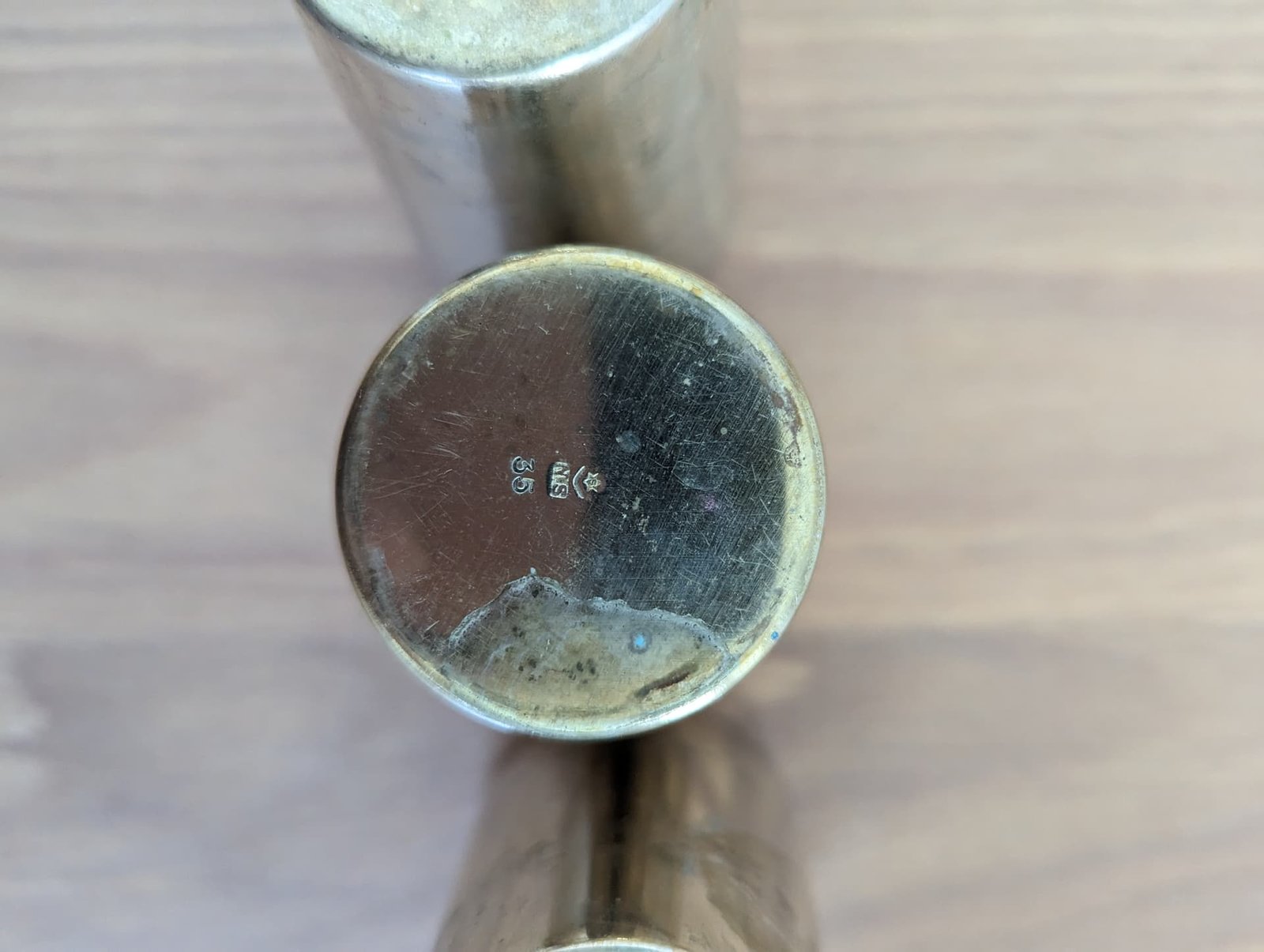
When buying silver in India, purity is the most important factor to consider. The Bureau of Indian Standards (BIS) is the national body that oversees the hallmarking of silver to ensure consumers are not cheated. Unlike gold, which is measured in carats, silver purity is measured in fineness. This is expressed as parts per thousand. Official specifications for silver purity are categorized as follows:
- 999.9 Fineness: This is the highest level of purity, often referred to as fine silver. It is typically found in minted bars and special edition coins.
- 999 Fineness: This is standard pure silver, commonly used for investment grade bars and coins.
- 925 Fineness (Sterling Silver): This is an alloy containing 92.5 percent silver and 7.5 percent other metals, usually copper. This is the global standard for high quality jewelry and silverware because pure silver is too soft for functional items.
- 900 and 800 Fineness: These are lower grades often used for traditional utensils or older coins.
A genuine BIS hallmark on silver includes the BIS logo, the purity grade (such as 925), and the identification mark of the jeweler or the hallmarking center. Always look for these markings to ensure you are getting the quality you paid for. Experts suggest that buying non-hallmarked silver carries a high risk of impurity, which significantly reduces the resale value. Know your rights as a consumer in India.

Ways to Invest in Silver in India
The methods for acquiring silver have evolved beyond physical possession. Depending on your goals, you can choose from several avenues. Each has its own benefits and storage requirements.
1. Physical Silver (Bars and Coins)
This is the most traditional method. Buying physical silver gives you full control over your asset. It is advisable to buy silver bars or coins from reputable banks or certified jewelers. Ensure they come with a purity certificate. The main challenge with physical silver is storage and security, as large quantities of silver are bulky compared to gold of the same value.
2. Digital Silver
Digital silver allows you to buy small amounts of silver online, which is then stored in insured vaults by the provider. You can start with as little as one Rupee. This eliminates the worry of storage and theft. You can sell your digital silver back to the platform at any time or request physical delivery once you have accumulated a certain amount. Understand how digital silver and digital assets work.
3. Silver ETFs and Fund of Funds
Silver Exchange Traded Funds (ETFs) are a modern way to gain exposure to silver prices without holding the physical metal. These are traded on the stock exchange like shares. According to financial advisors, silver ETFs are highly liquid and offer a transparent way to track the price of silver. They are ideal for investors who already have a demat account and want to include silver in their paper-based portfolio.
4. Silver Futures
For experienced traders, silver futures on the Multi Commodity Exchange (MCX) allow for speculation on price movements. This involves high risk and requires a deep understanding of market dynamics, as it uses leverage. It is not recommended for long term wealth preservation but rather for short term trading.
Common Mistakes to Avoid When Buying Silver
To maximize the benefits of silver, one must avoid common pitfalls that can lead to financial loss or frustration.
- Ignoring Making Charges: When buying silver jewelry or intricate silverware, you pay a significant amount in making charges. These charges are not recoverable when you sell the silver back. For investment purposes, always stick to bars or coins where making charges are minimal.
- Neglecting Resale Policies: Before purchasing, ask the jeweler about their buyback policy. Reputable sellers will offer a better rate for silver they sold themselves, provided the hallmark is intact.
- Poor Storage Habits: Silver tarnishes when exposed to air and moisture. While tarnishing does not reduce the silver content, it can affect the aesthetic appeal and may require professional cleaning. Store physical silver in airtight bags or velvet-lined boxes.
- Failing to Track Global Trends: Silver prices in India are heavily influenced by the international market, the strength of the US Dollar, and import duties set by the government. Ignoring these factors can lead to buying at a market peak.
Pro Tips for Silver Buyers and Investors
As per industry experts, the best time to buy silver for the long term is during periods of price consolidation. Do not chase the price when it is at an all-time high. Instead, use a Systematic Investment Plan (SIP) approach, either through digital silver or ETFs, to average out your purchase cost over time. Another pro tip is to check the daily spot price of silver from reliable sources before heading to a jewelry store. This ensures you have a baseline for negotiation. Finally, always insist on a proper tax invoice for your purchase, as this is essential for legal proof of ownership and for any future resale or insurance claims.
Frequently Asked Questions (FAQ)
1. Is silver a better investment than gold?
Neither is objectively better; they serve different purposes. Gold is more stable and acts as a primary hedge, while silver is more volatile and has higher industrial utility. Many experts suggest holding a mix of both to balance a portfolio.
2. What is the GST rate on silver in India?
As per the current taxation structure in India, a Goods and Services Tax (GST) of 3 percent is applicable on the purchase of silver. This applies to jewelry, coins, and bars alike. Making charges on jewelry may attract additional GST.
3. Does silver tarnish over time?
Yes, silver reacts with sulfur in the air to form silver sulfide, which appears as a black coating. This is a natural process and does not mean the silver is impure. It can be cleaned using specialized silver polishing cloths or solutions.
4. Can I buy silver from a bank in India?
Many banks in India sell certified silver coins and bars. While they offer high trust and purity, keep in mind that Indian banks are generally not allowed to buy back the silver they sell. You would need to sell it to a private jeweler or a scrap metal dealer.
5. What is Sterling Silver?
Sterling silver is an alloy of 92.5 percent pure silver and 7.5 percent other metals. It is the standard for jewelry because it provides the necessary durability while maintaining the beauty and value of the precious metal.
Conclusion
Silver remains a cornerstone of the Indian economy, offering a unique blend of industrial necessity and financial security. By understanding the importance of BIS hallmarking, choosing the right investment vehicle, and staying aware of global market trends, you can effectively use silver to build and protect your wealth. Whether it is through a digital platform or a physical bar, silver provides a versatile option for any financial strategy in the modern era. The key to success lies in prioritizing purity and maintaining a long term perspective on this timeless metal.
Final Takeaway: To get the most value from silver, always prioritize BIS-hallmarked 999 purity for investment and 925 purity for jewelry, while keeping a close eye on industrial demand trends.





Comments 0
Leave a Reply
Your email address will not be published. Required fields are marked *
Be the first to share your thoughts!