

💡 The Lustrous Legacy of Silver: A Comprehensive Guide to Its Industrial Utility, Investment Value, and Timeless Appeal
Explore the multi-faceted world of silver, from its critical role in green energy and modern technology to its status as a strategic investment and a cultural staple in Indian households.
Silver is a versatile precious metal that serves as a cornerstone of both global industry and personal wealth, prized for its unmatched electrical conductivity, antimicrobial properties, and deep-rooted cultural significance. Unlike gold, which is primarily held as a reserve asset, silver is a dual-purpose metal; it is an essential component in modern technology—powering everything from solar panels to electric vehicles—while remaining a preferred choice for jewelry, traditional silverware, and long-term financial investment.
Beyond the Shine: Why Silver Remains One of the World’s Most Essential Metals
While gold often steals the spotlight in financial news, silver is quietly the engine of the modern world. Its unique position as both a precious metal and an industrial commodity makes it indispensable. In India, silver (often referred to as 'Chandi') is more than just a metal; it is a symbol of purity and a practical asset that bridges the gap between luxury and utility. Whether it is used in the intricate filigree work of Odisha or the high-tech circuits of a smartphone, silver’s relevance is unwavering.
The Elemental Excellence: Understanding the Unique Physical and Chemical Properties of Silver
Silver possesses several physical traits that no other element can perfectly replicate. It has the highest electrical conductivity of any metal, even surpassing copper. It is also the most reflective metal, capable of reflecting 95% of the visible light spectrum. Chemically, silver is relatively stable but reacts with sulfur in the air to form silver sulfide, which is the 'tarnish' we see on old spoons or jewelry. Its malleability allows it to be drawn into thin wires or hammered into delicate sheets, making it a favorite for both industrial engineers and master craftsmen.
Decoding Purity Standards: Fine Silver vs. Sterling Silver vs. Silver Plating
Understanding what you are buying is crucial for both investors and jewelry enthusiasts. Silver is categorized by its purity levels:
- Fine Silver (99.9% Purity): Marked as .999, this is the purest form used for investment-grade bullion bars and coins. It is very soft and generally not suitable for jewelry that faces daily wear.
- Sterling Silver (92.5% Purity): Marked as .925, this is the global standard for jewelry and high-end silverware. It is an alloy containing 92.5% silver and 7.5% other metals (usually copper) to provide strength and durability.
- Silver Plated: This involves a thin layer of silver electroplated over a base metal like brass or copper. While it looks like silver, it has no significant investment value and the coating eventually wears off.
The Industrial Powerhouse: Driving Modern Tech and Green Energy
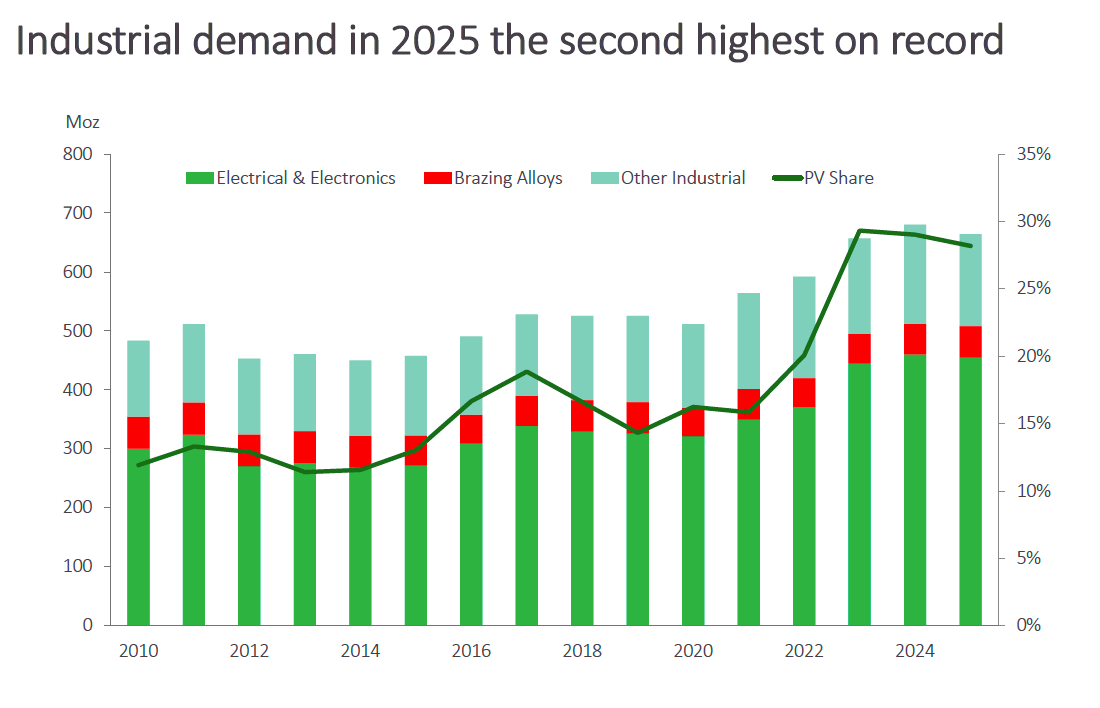
Silver is a critical component in the transition toward sustainable energy. In the solar energy sector, silver paste is used in 90% of crystalline silicon photovoltaic cells to conduct the electricity generated when sunlight hits the panel. As the world shifts toward Electric Vehicles (EVs), the demand for silver is surging because EVs require significantly more silver than internal combustion engines for their complex electrical systems and battery management units.
In medicine, silver’s antimicrobial properties are legendary. Silver ions are used in wound dressings, catheters, and surgical instruments to prevent bacterial growth, making it a literal lifesaver in clinical settings.
Silver as a Strategic Asset: Analyzing Market Dynamics
For investors, silver offers a lower entry point than gold, making it accessible to a wider range of people. It often acts as a hedge against inflation. However, because the silver market is smaller than the gold market, it tends to be more volatile. Price movements can be sharper, providing opportunities for significant gains during industrial booms. In India, silver is often viewed as a 'poor man’s gold,' but smart investors recognize that its industrial demand provides a price floor that gold lacks.
The Cultural and Spiritual Weight of Silver in India
In Indian heritage, silver is deeply intertwined with rituals. It is the metal of choice for 'puja' utensils, idols, and lamps. From the silver anklets (Pattilu) given to newborn babies to the elaborate silver dinner sets gifted at weddings, the metal signifies prosperity and health. Many Indian households also use silver foil (Vark) on sweets, not just for decoration, but because of its traditional association with purity and its known antibacterial properties.
A Buyer’s Checklist: Essential Factors to Consider
When purchasing silver in India, keep these practical points in mind:
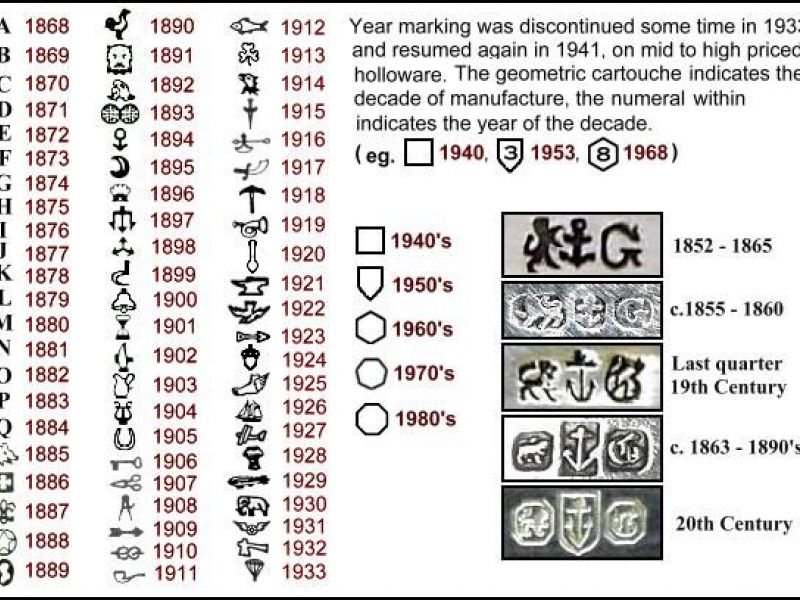
- Check for Hallmarking: Always look for the BIS (Bureau of Indian Standards) hallmark. It usually includes the purity grade (e.g., 925), the BIS logo, and the jeweler's identification mark.
- Weight vs. Making Charges: Unlike gold, silver jewelry often has high making charges relative to the metal's value. For investment, stick to coins or bars.
- Buyback Policy: Ensure the jeweler offers a transparent buyback policy based on the current market rate of the metal content.
Preserving the Glow: Cleaning and Preventing Tarnish
Silver turns black due to a natural reaction with sulfur in the air. To keep it shining:
- Proper Storage: Store silver in airtight bags or anti-tarnish cloths. Minimize exposure to humidity and perfumes.
- The Foil Method: For silverware, line a bowl with aluminum foil, add hot water and a few tablespoons of baking soda. Soak the silver for a few minutes; the tarnish will transfer to the foil.
- Avoid Abrasives: Never use toothpaste or harsh scrubs, as they can scratch the soft surface of the metal.
Frequently Asked Questions
How can I test if silver is real at home?
A simple test is the "Magnet Test." Silver is non-magnetic. If a strong magnet sticks to your jewelry or coin, it is likely made of a different base metal. Another method is the "Ice Test"; because silver is an excellent thermal conductor, an ice cube placed on a silver bar will melt much faster than one placed on a different metal.
Why does silver jewelry turn black?
This is called tarnishing. It happens when silver reacts with sulfur compounds in the atmosphere or on your skin (from sweat or lotions). It is a surface reaction and does not mean the silver is fake; in fact, it can often be a sign of its authenticity.
Is silver a better investment than gold?
Neither is objectively "better," but they serve different roles. Gold is a stable store of value. Silver is more volatile but has higher growth potential due to its increasing use in green technology. Many financial advisors suggest holding a mix of both.
What is the difference between 925 and 999 silver?
999 silver is 99.9% pure and is used for bars and coins. 925 silver (Sterling) is 92.5% silver and 7.5% copper, making it hard enough for jewelry and ornaments.
Conclusion: The Enduring Relevance of the 'White Metal'
Silver remains a unique asset that bridges the gap between ancient tradition and futuristic technology. As the world moves toward a greener, more electrified economy, the demand for silver is poised to grow beyond its traditional role in jewelry and investment. For the consumer, understanding purity and maintenance ensures that silver remains a beautiful and valuable part of their household. For the investor, it represents a strategic stake in the technological evolution of the planet. In a rapidly changing global economy, the 'White Metal' continues to shine with a brilliance that is both functional and timeless.
Important Note: Financial Disclaimer: This content is for educational purposes only and does not constitute professional financial advice. Always consult with a certified financial planner before making investment decisions.





Comments 0
Leave a Reply
Your email address will not be published. Required fields are marked *
Be the first to share your thoughts!