
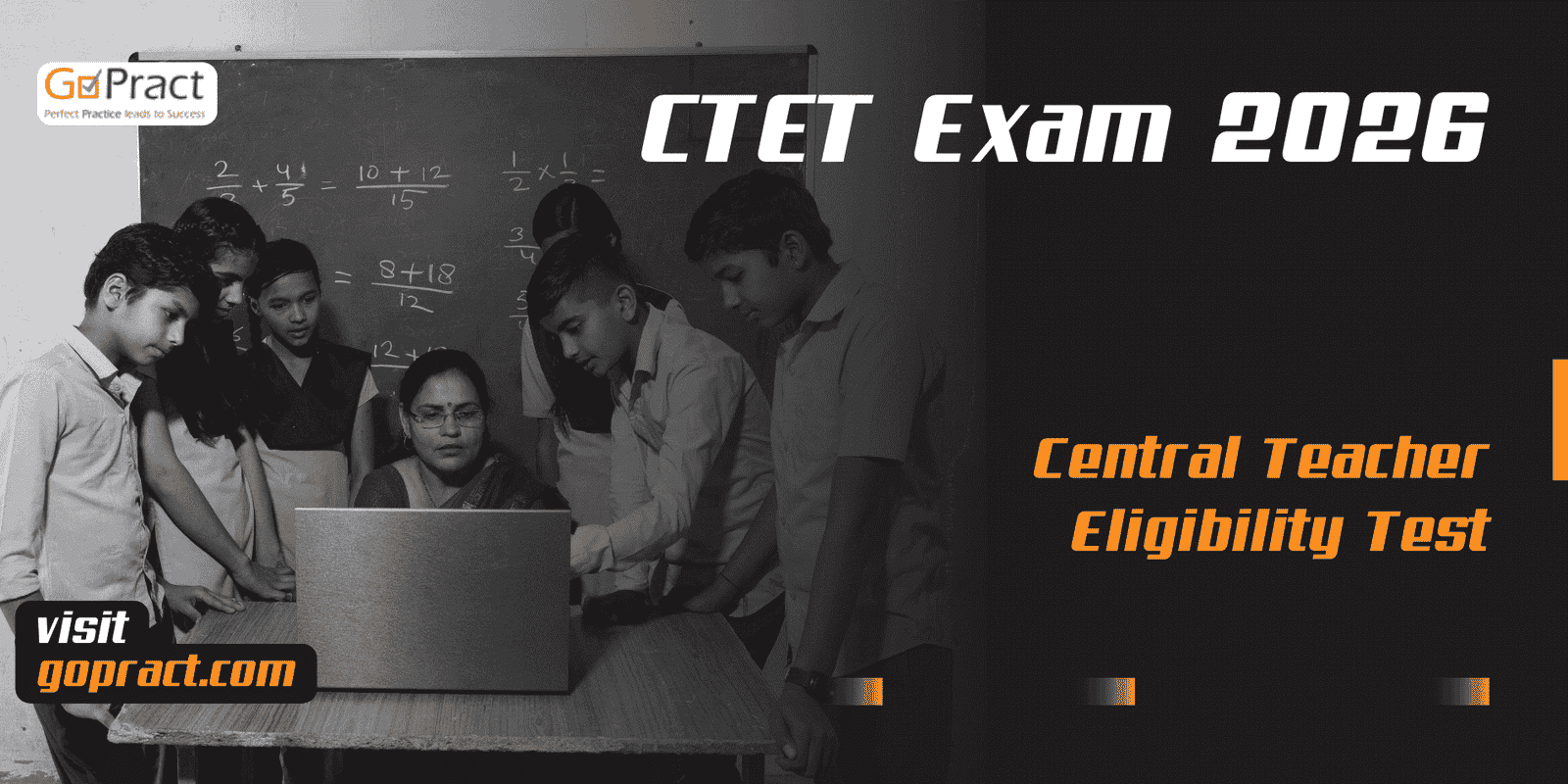
Understanding the Significance of the CTET 2026 Result
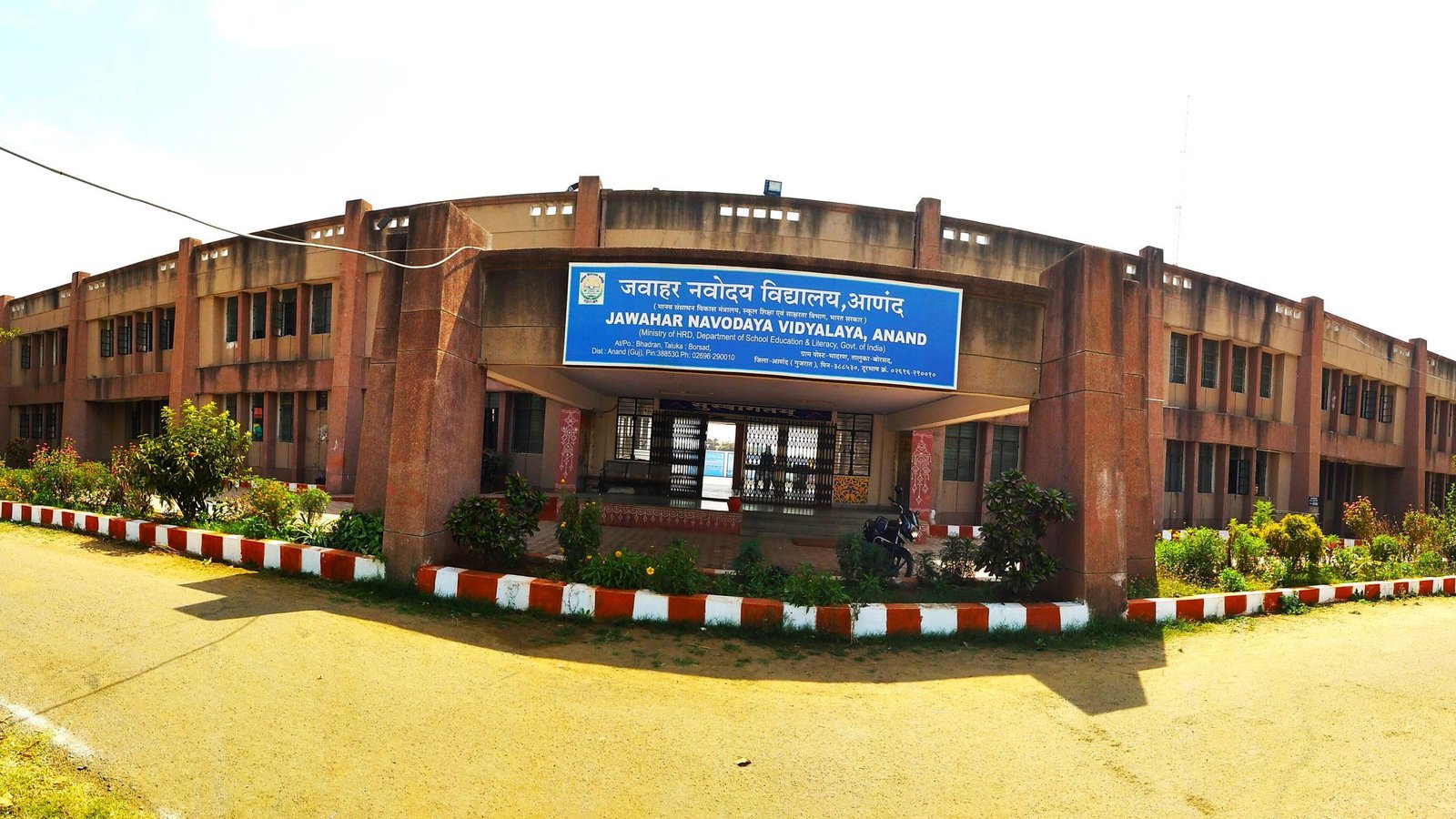
The Central Teacher Eligibility Test (CTET) remains the cornerstone of the teaching profession in India. Administered by the Central Board of Secondary Education (CBSE), this examination serves as a mandatory qualification for individuals aspiring to teach in central government schools such as Kendriya Vidyalayas (KVS) and Jawahar Navodaya Vidyalayas (NVS). The CTET 2026 result is not just a scorecard; it is a professional validation that opens doors to various career opportunities in the education sector. CTET is designed to test basic teaching skills, child development knowledge, and subject understanding required for school teaching jobs.
For many aspirants, the journey toward achieving a qualifying score involves months of preparation and a deep understanding of the National Curriculum Framework. The demand for qualified teachers in India is increasing due to growing recruitment in central and state education systems. This article provides a comprehensive overview of how the result is processed, what the qualifying criteria are, and how candidates can effectively utilize their scores for career advancement.
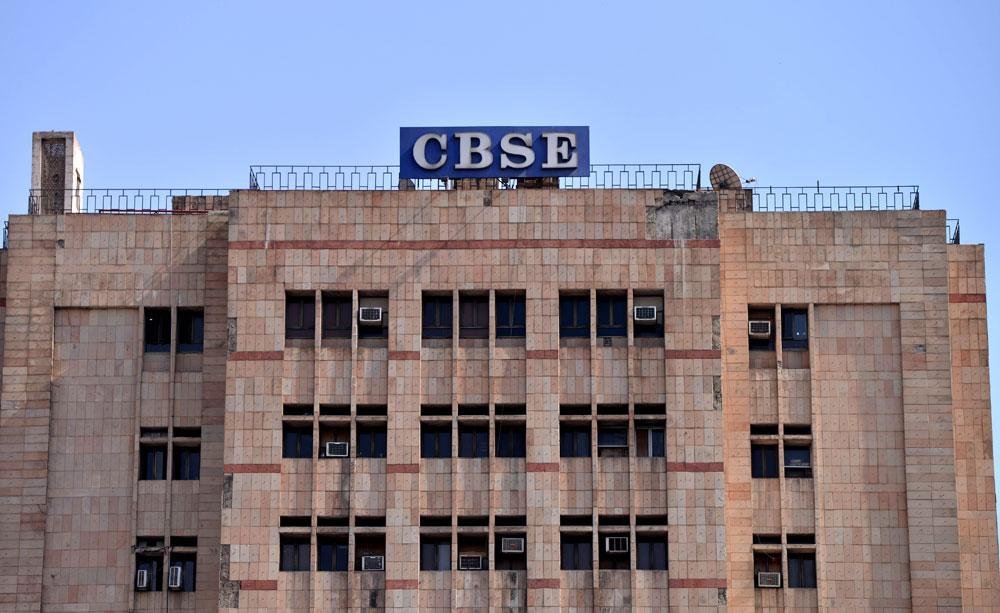
The Digital Transformation of CTET Result Delivery
In alignment with the Digital India initiative, the CBSE has transitioned the delivery of the CTET result and certificates to digital platforms. Candidates no longer receive physical copies of their marksheet or eligibility certificate via post. Instead, the board utilizes the DigiLocker platform to ensure secure and easy access. This move has significantly reduced the administrative burden and helped in the environmental goal of reducing paper usage. Experts suggest that this digital shift ensures the authenticity of the documents, as they are digitally signed and can be verified by employers instantly.
When the CTET 2026 result is processed, candidates are notified through their registered mobile numbers. The marksheet contains detailed information, including the candidate name, roll number, mother name, father name, and category. Most importantly, it provides a section-wise breakdown of marks for either Paper I (Primary Stage) or Paper II (Elementary Stage), or both, depending on what the candidate opted for CTET exam has two papers: Paper I for primary teachers and Paper II for upper primary teachers.
Step-by-Step Guide to Checking the CTET 2026 Result
Accessing the result requires a systematic approach to ensure that the candidate retrieves the correct information from the official source. While the process is intuitive, high traffic on the official servers can sometimes lead to connectivity issues. Following these steps helps in a smooth experience:
- Visit the official CTET website of CBSE to check your result.
- Locate the specific link designated for the CTET 2026 result on the homepage.
- Enter the unique roll number provided on the admit card.
- Submit the details and view the electronic marksheet on the screen.
- Download and print a copy for immediate reference, while waiting for the official certificate to appear in DigiLocker.
According to CTET guidelines, the qualifying certificate is issued to those who meet the minimum cut-off marks. It is essential for candidates to verify every detail on their result card. In case of any discrepancy in personal details, candidates should contact the CBSE CTET unit immediately to seek corrections.
Evaluation Criteria and the Normalization Process
The evaluation of the CTET 2026 result is conducted with high precision using Optical Mark Recognition (OMR) technology or through secure computer-based testing systems. Since the exam may be conducted in multiple shifts, the CBSE often employs a normalization process. This statistical method is used to ensure that the difficulty level of different sets of question papers does not disadvantage any candidate. Normalization is used to ensure fairness when exams are conducted in multiple shifts.
The qualifying marks for the CTET are standardized. General category candidates must score 60%, while reserved category candidates need 55% to qualify CTET. For candidates belonging to SC, ST, OBC, and differently-abled categories, the qualifying marks are typically set at 55 percent (82.5 out of 150 marks), in accordance with the reservation policies of the government. It is important to note that qualifying the CTET does not guarantee a job; it is merely an eligibility criterion for recruitment processes [Link to: Teacher Recruitment Eligibility].
Validity of the CTET Certificate and Career Opportunities
One of the most significant updates in recent years is the extension of the CTET certificate validity. Previously limited to seven years, the certificate is now valid for a lifetime. This change has provided immense relief to aspiring teachers, as they no longer need to appear for the exam repeatedly to keep their eligibility active. This change allows candidates to use their CTET qualification for lifetime teaching eligibility.
With a successful CTET 2026 result, candidates can apply for various positions:
- Central Government Schools: KVS, NVS, and Central Tibetan Schools.
- Schools under Administrative Control: Schools in Union Territories like Chandigarh, Dadra and Nagar Haveli, and Daman and Diu.
- Private Schools: Many elite private schools now mandate CTET qualification for their teaching staff.
- State Government Schools: Some states that do not conduct their own TET accept the CTET score for recruitment.

Common Mistakes to Avoid After Receiving Results
Once the CTET 2026 result is declared, many candidates make the mistake of not securing their digital documents immediately. It is crucial to set up a DigiLocker account using the Aadhaar number linked to the CTET application. Another common error is failing to understand the weightage of the CTET score. While it is a qualifying exam, some recruitment bodies may give preference to candidates with higher scores during the final merit list preparation.
Furthermore, candidates often ignore the importance of checking the correctness of their category and name spelling. These details are pulled directly from the application form and are reflected in the final certificate. Any errors left unaddressed can cause significant hurdles during the document verification stage of a job interview. Experts suggest keeping a digital backup of the marksheet in multiple secure locations.
Pro Tips for Aspirants Planning for 2026
For those aiming for the CTET 2026 result, early preparation is key. Focus heavily on Child Development and Pedagogy, as this section is the backbone of both Paper I and Paper II. Practicing previous years' question papers provides insights into the recurring themes and the complexity of questions. Additionally, staying updated with the latest educational policies, such as the National Education Policy (NEP) 2020, is vital as more questions are being framed around these frameworks. Engaging in mock tests can help improve time management skills, ensuring that all 150 questions are attempted within the stipulated 150 minutes.
Frequently Asked Questions (FAQs)
1. Can I appear for CTET again to improve my score?
Yes, you can attempt CTET multiple times to improve your score. A person who has qualified CTET may also appear again for improving his/her score.
2. Is there any negative marking in the CTET 2026?
As per the current examination structure, there is no negative marking for incorrect answers. This allows candidates to attempt all questions without the fear of losing marks.
3. How can I retrieve my CTET certificate if I lose my DigiLocker access?
You can recover your DigiLocker account using your linked mobile number or Aadhaar card. The CBSE also provides a mechanism for duplicate certificates, though it may involve a specific administrative fee and process.
4. Does the CTET result apply to all states in India?
While CTET is primarily for central government schools, many state governments also accept the CTET result if they do not conduct their own State Teacher Eligibility Test (STET).
5. What is the difference between the CTET Marksheet and the Eligibility Certificate?
The marksheet is issued to all candidates who appear for the exam, showing their performance. The Eligibility Certificate is only issued to those who meet or exceed the qualifying cut-off marks.





Comments 0
Leave a Reply
Your email address will not be published. Required fields are marked *
Be the first to share your thoughts!