
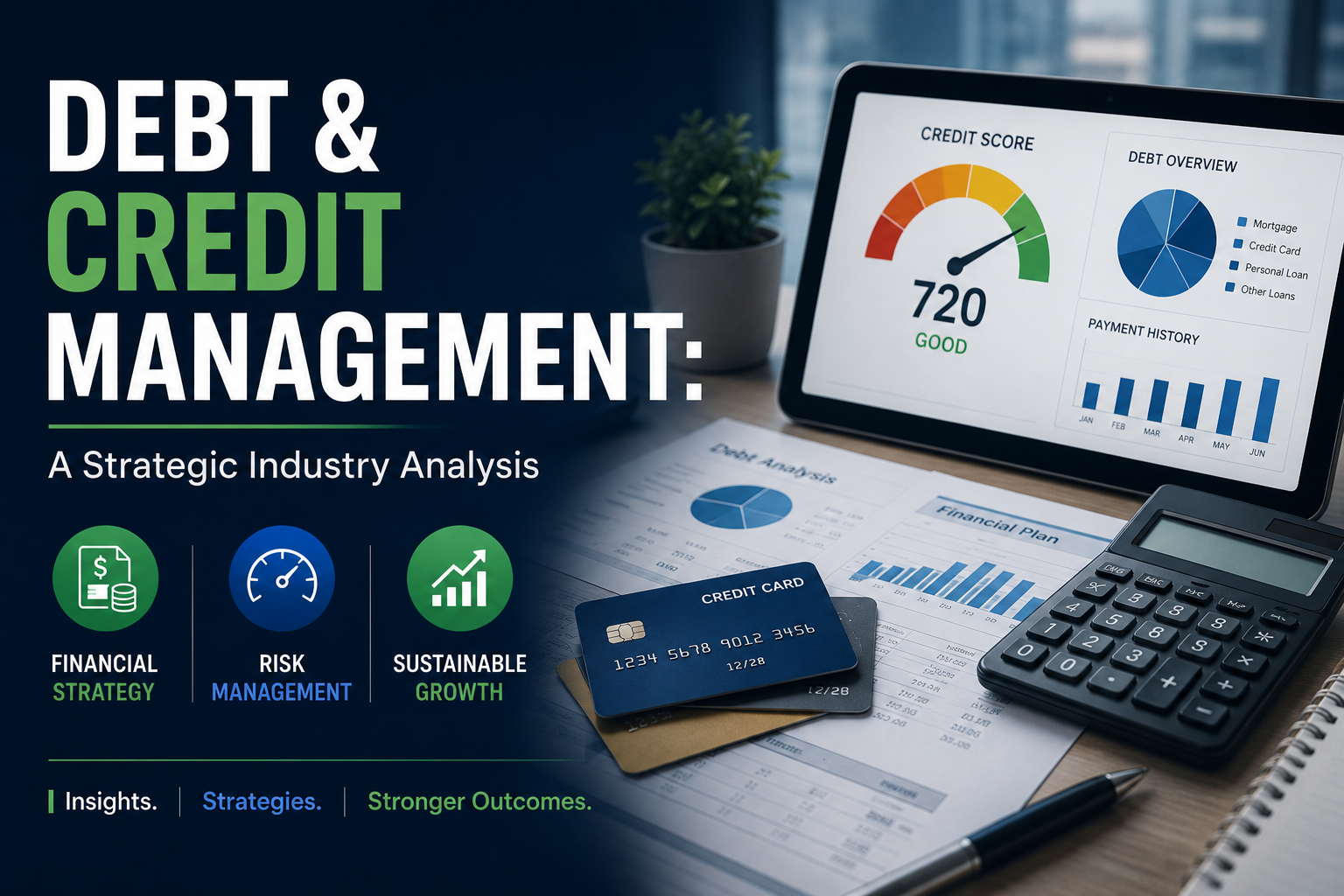
💡 Debt & Credit Management: A Strategic Industry Analysis
A comprehensive guide to mastering debt and credit management using data-driven strategies, macroeconomic insights, and expert financial frameworks.
Executive Summary
Debt and credit management represents the cornerstone of modern personal and corporate finance. According to recent data from the Federal Reserve, total household debt in the United States reached approximately 17.8 trillion dollars in 2024. This surge is driven by a combination of rising housing costs, student loans, and credit card balances. Effective management is no longer just about repayment; it is a strategic necessity for maintaining liquidity and long term wealth. Key findings indicate that consumers who maintain a credit utilization ratio below 30 percent see a significant increase in their FICO scores, which directly impacts their ability to secure lower interest rates. This report analyzes the mechanics of credit scoring, strategic repayment frameworks, and the macroeconomic factors influencing borrowing costs.
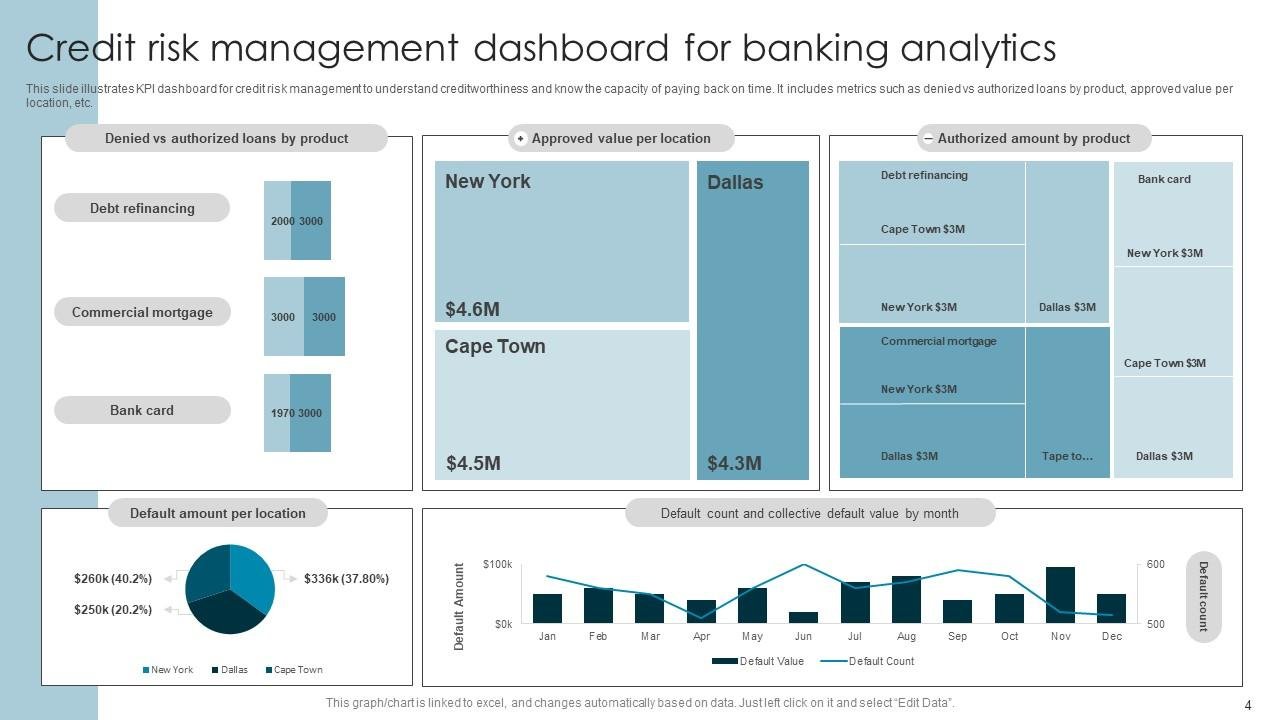
Introduction
The global financial landscape has shifted toward a credit centric model where the ability to leverage debt determines economic mobility. Credit is a double edged sword: when managed with precision, it serves as a tool for asset acquisition and business expansion; when mismanaged, it leads to a cycle of high interest obligations that erode net worth. In the current economic environment, marked by fluctuating inflation and central bank policy adjustments, understanding the nuances of credit management is vital. This analysis provides a roadmap for navigating these complexities, ensuring that individuals and organizations can maintain a robust financial profile while optimizing their debt structures.
The Deep Dive: Mechanics of Credit and Debt
To master credit management, one must first understand the quantitative components that define creditworthiness. The FICO score, the most widely used credit scoring model, is calculated based on five primary factors: payment history (35 percent), amounts owed (30 percent), length of credit history (15 percent), new credit (10 percent), and credit mix (10 percent). Maintaining a high score is essential for reducing the cost of capital. For instance, a borrower with a 760 score may qualify for an interest rate several percentage points lower than someone with a 620 score, potentially saving hundreds of thousands of dollars over the life of a 30 year mortgage.
Strategic credit management is essential for maintaining liquidity, much like tracking 24 Carat Gold Price Today helps investors hedge against inflation. In the banking sector, the health of consumer credit is a primary indicator of market stability. Financial institutions like HDFC Bank show how institutional credit health reflects broader market stability and the effectiveness of risk management protocols.
Debt repayment strategies generally fall into two categories: the Debt Snowball and the Debt Avalanche. The Snowball method focuses on psychological wins by paying off the smallest balances first, while the Avalanche method prioritizes debts with the highest interest rates. Quantitatively, the Avalanche method is superior as it minimizes total interest paid. However, behavioral economics suggests that the Snowball method often leads to higher completion rates due to the positive reinforcement of closing accounts. For government employees or those in structured pay systems, understanding Dearness Allowance (DA) Updates is crucial for balancing debt repayments against rising costs and ensuring that disposable income is allocated efficiently.
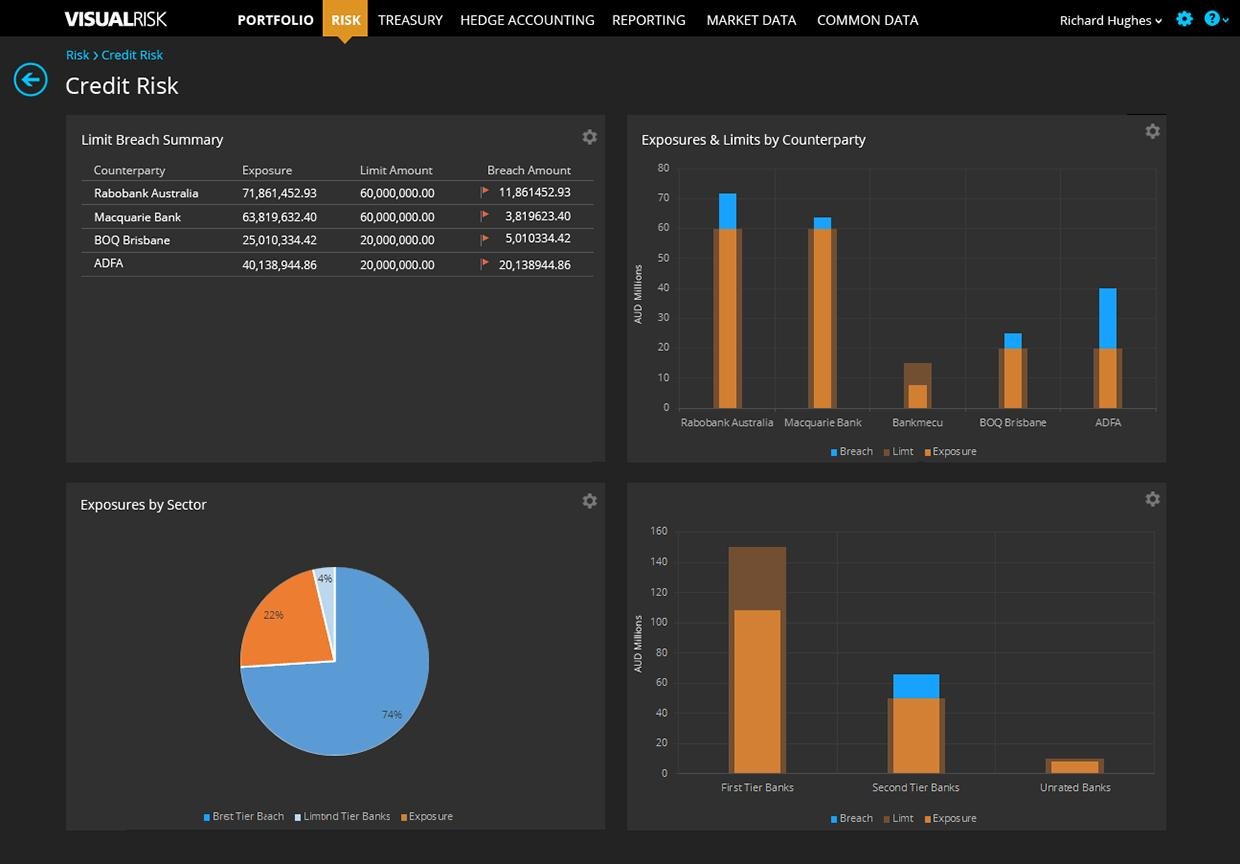
Macroeconomic Influences on Borrowing
Debt does not exist in a vacuum. It is heavily influenced by the Federal Funds Rate and other central bank benchmarks. When central banks raise rates to combat inflation, the cost of variable rate debt, such as credit cards and home equity lines of credit (HELOCs), increases almost immediately. Average credit card APRs have recently hovered between 21 percent and 24 percent, making carryover balances extremely expensive. A strategic approach involves moving high interest debt into fixed rate consolidation loans or utilizing zero percent APR balance transfer offers to stop the accumulation of interest while paying down the principal.
What This Means For You
Navigating debt requires a disciplined, data driven approach. Here are the actionable steps to optimize your credit profile:
- Monitor your Credit Utilization: Keep your total balance below 30 percent of your available credit limit. Ideally, aim for 10 percent to maximize your score.
- Automate Minimum Payments: Payment history is the largest factor in your credit score. Missing even one payment can cause a drop of 60 to 100 points.
- Review Credit Reports Regularly: Errors on credit reports are common. The Federal Trade Commission reports that one in five consumers has an error on at least one of their credit reports that could affect their score.
- Analyze the Debt-to-Income (DTI) Ratio: Lenders generally prefer a DTI ratio below 36 percent. If your ratio is higher, focus on aggressive principal reduction before seeking new credit.
- Avoid Closing Old Accounts: The length of your credit history matters. Keeping older accounts open, even with a zero balance, helps maintain a higher average account age.

Expert Verdict and Future Outlook
The future of credit management is increasingly tied to Artificial Intelligence and alternative data. Lenders are moving beyond traditional FICO scores to include rent payments, utility bills, and even cash flow patterns in their underwriting processes. This shift aims to provide credit access to the thin file population while offering more granular risk assessments. As interest rates stabilize, we expect to see a surge in refinancing activity. The strategic takeaway is to remain liquid and maintain a high credit score now, so you are positioned to capitalize on lower rates when the market pivots. Debt should be viewed as a strategic liability that must be serviced with the same rigor as an investment portfolio.
Frequently Asked Questions
How does a credit limit increase affect my score?
A credit limit increase can improve your score by lowering your credit utilization ratio, provided you do not increase your spending. However, the initial request might trigger a hard inquiry, which could cause a temporary, minor dip in your score.
What is the difference between secured and unsecured debt?
Secured debt is backed by an asset, such as a home or a car, which the lender can seize if you default. Unsecured debt, like credit cards or personal loans, is not backed by collateral and typically carries higher interest rates due to the increased risk to the lender.
How long does negative information stay on a credit report?
Most negative information, including late payments, foreclosures, and collections, stays on your credit report for seven years. Chapter 7 bankruptcy can remain for up to ten years. However, the impact of these items on your score diminishes over time.
Is it better to pay off debt or save for emergencies?
Financial experts generally recommend building a small emergency fund of one thousand to two thousand dollars first to avoid taking on more debt when unexpected expenses arise. Once that is established, focus on paying off high interest debt before building a full three to six month emergency fund.
Can I settle my debt for less than what I owe?
Debt settlement is possible but often requires you to be delinquent on payments first, which severely damages your credit score. It may also result in tax liabilities, as the IRS often views forgiven debt as taxable income. It should be considered a last resort before bankruptcy.
Conclusion
Debt and credit management is an ongoing process of strategic optimization. By understanding the mathematical foundations of credit scores and the macroeconomic factors that drive interest rates, individuals can transform debt from a burden into a managed financial tool. The key is consistency: regular monitoring, disciplined repayment, and a proactive approach to credit health will ensure long term financial resilience and access to the capital necessary for future growth.
Important Note: Financial Disclaimer: This content is for educational purposes only and does not constitute professional financial advice. Always consult with a certified financial planner before making investment decisions.





Comments 0
Leave a Reply
Your email address will not be published. Required fields are marked *
Be the first to share your thoughts!