
💡 F1 Strategic Analysis: Global Motorsport Authority
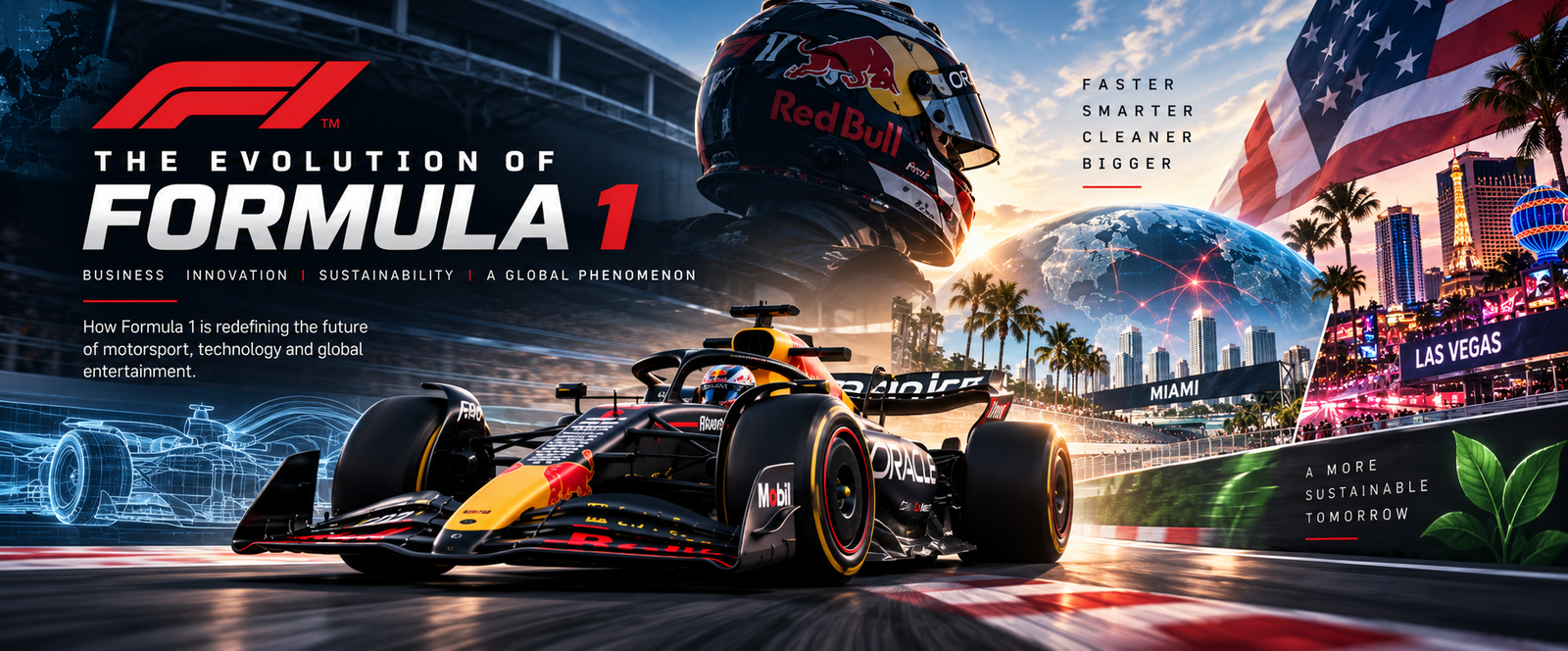
A comprehensive strategic analysis of Formula 1's commercial growth, technical evolution, and its status as a global authority in high-performance engineering.
Executive Summary
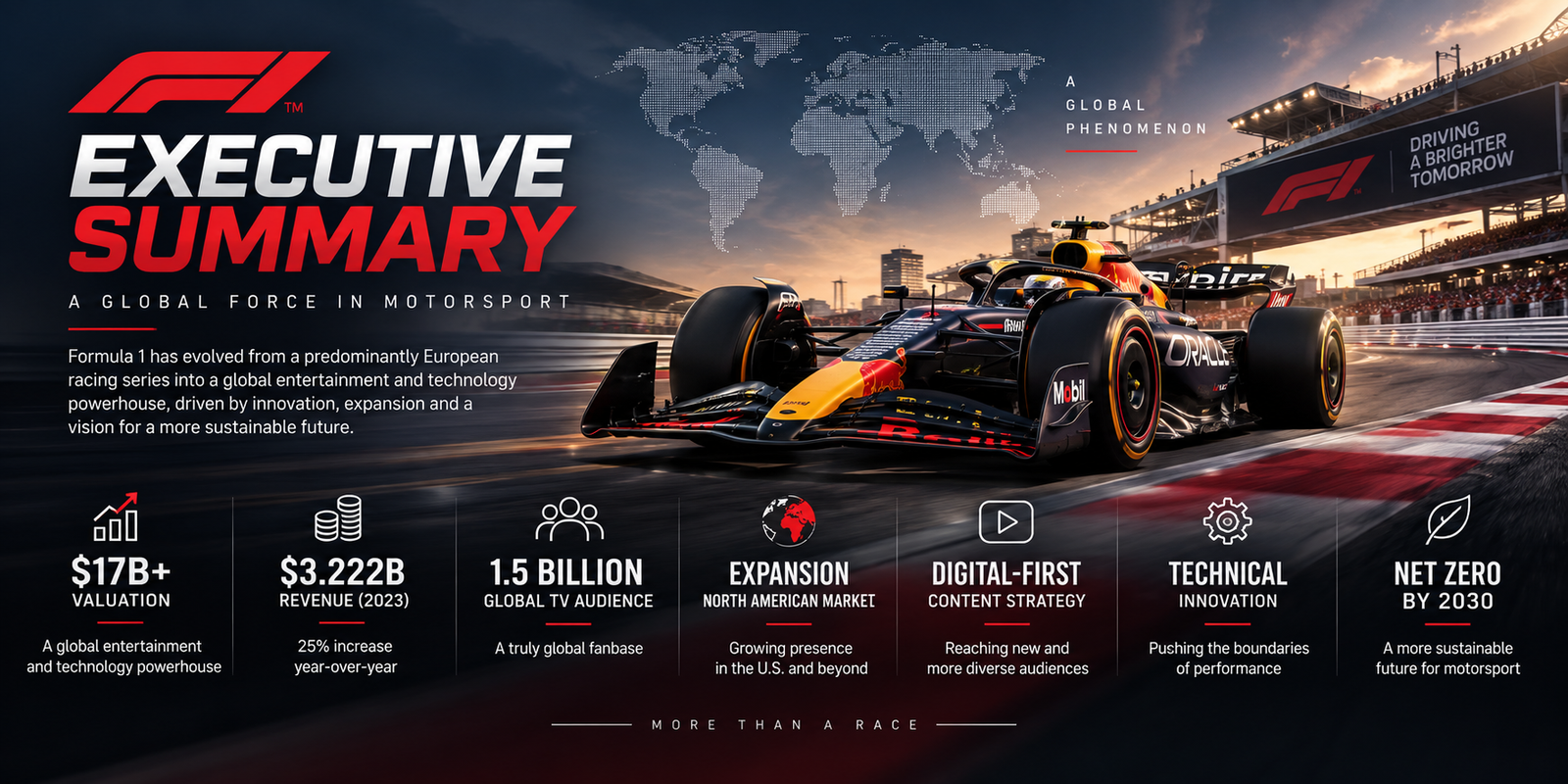
Formula 1 (F1) has evolved from a predominantly European racing series into a global entertainment and technology powerhouse, with its valuation exceeding 17 billion USD. According to Liberty Media's 2023 financial reports, the sport generated 3.222 billion USD in annual revenue, representing a 25 percent increase over the previous year. This growth has been driven by three primary pillars: expansion into the North American market, a digital-first content strategy, and a sophisticated technical framework that reinforces F1's position at the forefront of motorsport innovation. Key indicators include a cumulative global television audience of approximately 1.5 billion and F1's commitment to achieving Net Zero carbon emissions by 2030. This analysis examines the strategic mechanisms that continue to strengthen F1's position as a global authority in motorsport.
Introduction
Formula 1 represents the intersection of elite athleticism, cutting-edge engineering, and high-stakes financial management. Unlike traditional sports, F1 operates as a global technology-driven competition where the battle takes place as much in the design office as it does on the track. The sport's governing body, the FIA, and commercial rights holder, Liberty Media, have helped reshape the F1 brand to appeal to a younger and more diverse global audience. By embracing social media, streaming platforms, and digital content, F1 has established a strong blueprint for modern sports commercialization. Similar to how the cricket strategic analysis reveals a shift toward global commercial authority, F1 has leveraged its heritage to build a modern and increasingly global economic model.
THE DEEP DIVE: The Mechanics of Global Authority
1. The Economic Engine and the Budget Cap
Historically, F1 was defined by intense spending competition, with leading teams reportedly spending hundreds of millions of USD annually. To improve long-term sustainability and competitive balance, F1 introduced its Financial Regulations framework in 2021. For the 2024 season, the base cost cap was approximately 135 million USD. This strategic move was designed to improve the financial health of teams and encourage greater efficiency. The cap covers many performance-related expenditures but excludes areas such as driver salaries and certain marketing costs. This financial discipline has contributed to greater stability across the grid and supported the rapid growth in Formula 1 team valuations.
2. Technical Innovation and the 2026 Power Unit Regulations
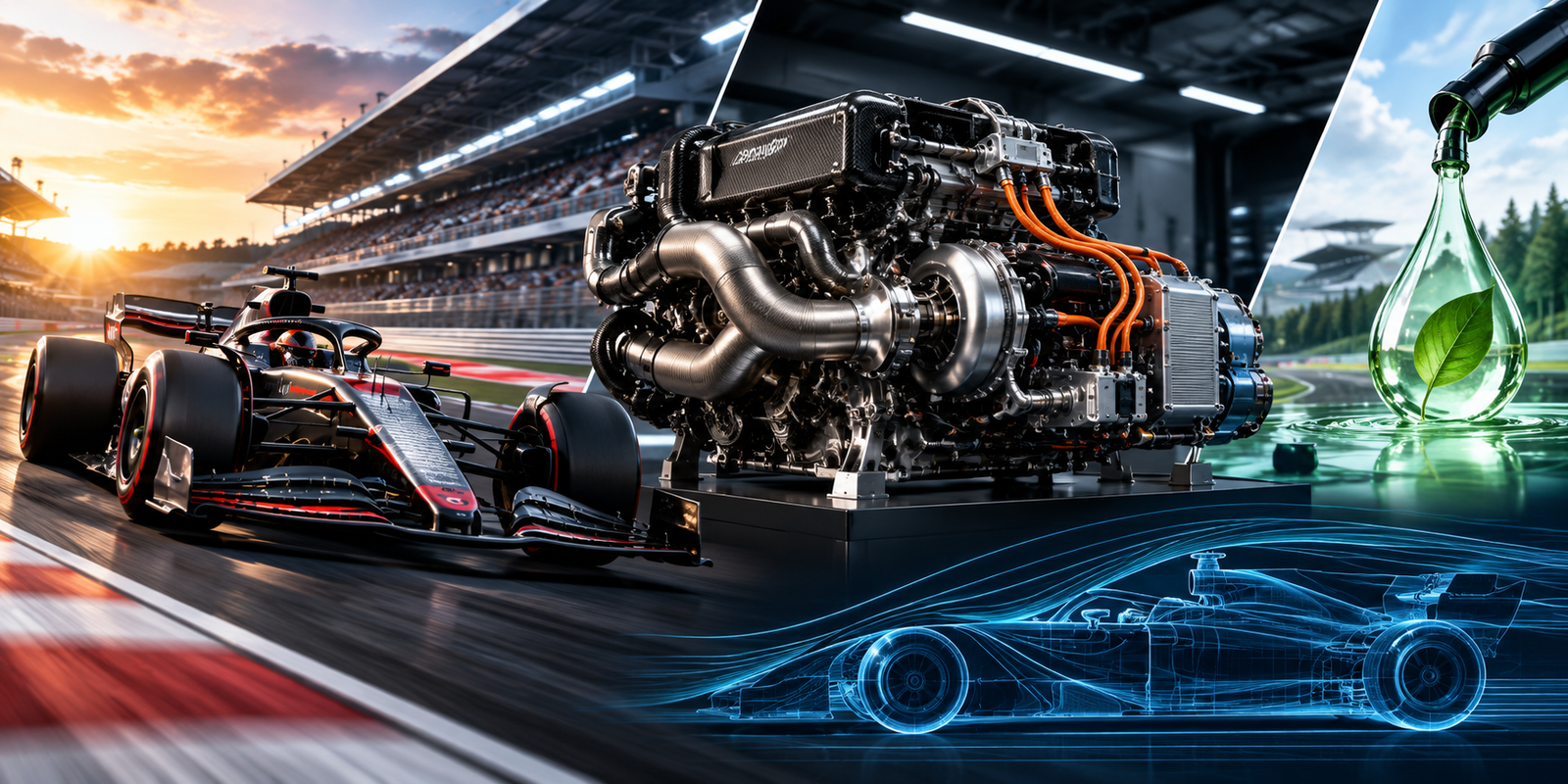
F1 remains one of the world's most advanced laboratories for high-performance automotive technology. Its 1.6-liter V6 turbo-hybrid power units have demonstrated thermal efficiency of more than 50 percent. The 2026 regulations introduce a significant shift, including the removal of the MGU-H and an increase in electrical power from the MGU-K to 350kW, creating an approximately 50/50 balance between internal-combustion and electrical power. Furthermore, F1 has introduced 100 percent Advanced Sustainable Fuel for the new-generation power units. This technical roadmap helps keep F1 relevant to the automotive industry's focus on efficiency, electrification, and lower-carbon technologies. The precision required in these engineering cycles is comparable to the hardware iterations found in the Apple iPhone 18 Pro strategic analysis, where marginal gains can define technological leadership.
3. Data-Driven Performance and Aerodynamics
In F1, data is a critical component of performance. A single car is equipped with more than 300 sensors, generating approximately 1.1 million data points per second during a race. This information is transmitted via telemetry to team facilities for real-time analysis. The sport also uses Aerodynamic Testing Restrictions (ATR), which limit wind-tunnel and computational fluid dynamics (CFD) testing while providing additional testing opportunities to lower-ranked teams to help improve competitive balance. This reliance on large datasets and advanced simulation mirrors the infrastructure seen in the Hugging Face strategic analysis, where data and open-source collaboration drive rapid innovation. The ability to collect, interpret, and apply this data can make a significant difference in race performance.
4. The American Expansion and Media Strategy
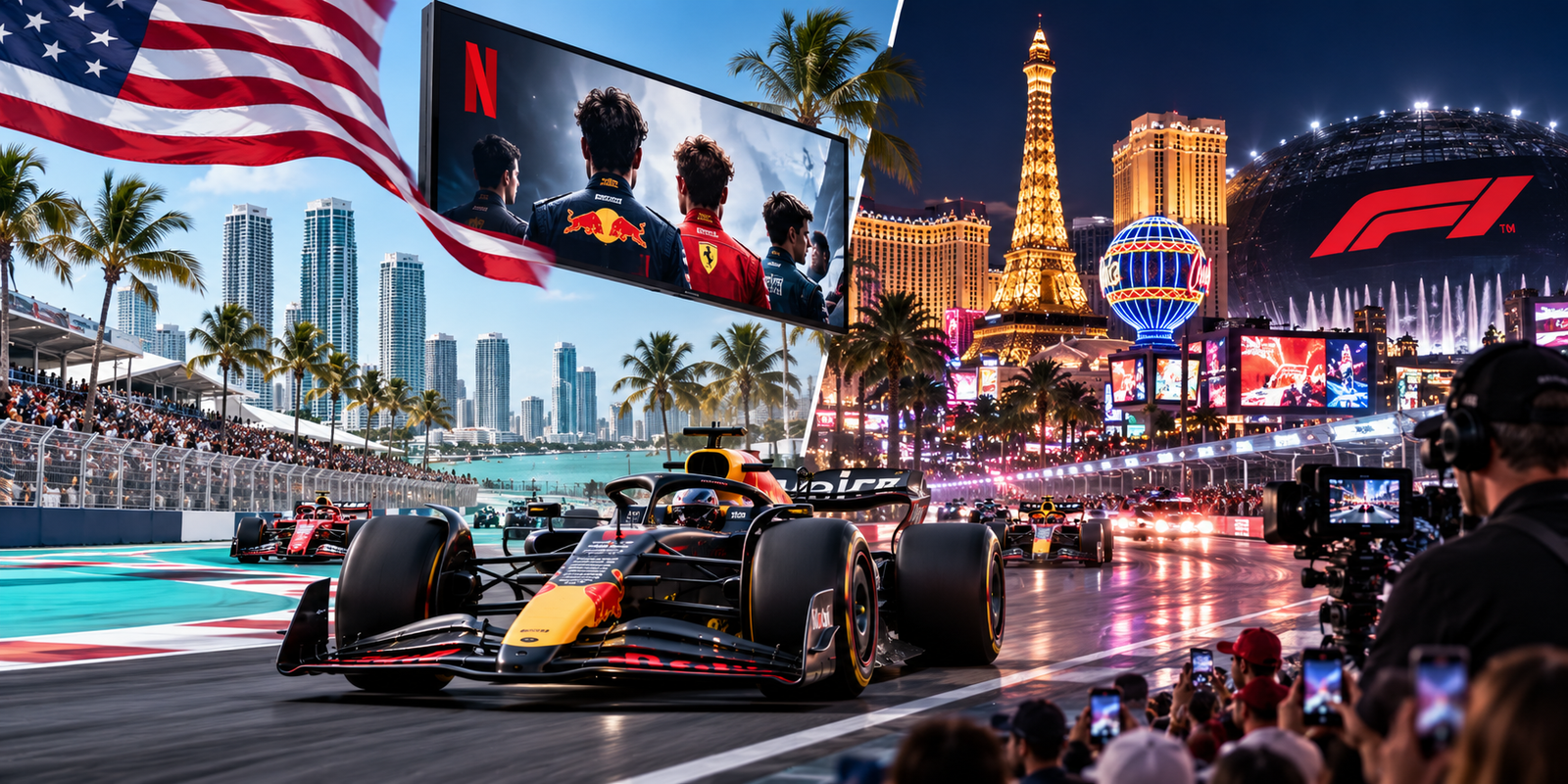
The strategic expansion into the United States has become one of the most significant commercial developments in modern Formula 1. The addition of races in Miami and Las Vegas, combined with the success of the Netflix series Drive to Survive, has significantly increased F1's visibility and audience in the US market. The inaugural Las Vegas Grand Prix in 2023 generated an estimated 1.2 billion USD in economic impact for the local region. This expansion is not simply about adding races; it is about creating high-value sporting and lifestyle events that attract major sponsors and technology partners such as Oracle, Google, and Amazon Web Services.
WHAT THIS MEANS FOR YOU
For the average consumer and tech enthusiast, F1 serves as an important testing ground for future automotive technology. Hybrid power systems, energy recovery, advanced aerodynamics, and lightweight carbon-fiber composites have all benefited from developments and innovations within motorsport. Furthermore, the sport's shift toward sustainable fuels demonstrates how internal-combustion technology can continue to evolve while supporting broader sustainability goals. For business professionals, F1 serves as a masterclass in brand positioning, showing how a legacy sport can be modernized through digital engagement, global expansion, and strategic regulatory changes.
Expert Verdict / Future Outlook
The future of Formula 1 is defined by its ability to balance tradition with technological innovation. The 2026 regulatory overhaul represents a major test of this balance, introducing a new generation of power units, active aerodynamics, and sustainable fuels. The 2026 season also brings new manufacturer involvement, with Audi entering as a works team and Ford partnering with Red Bull Powertrains. The sport is expected to continue expanding its presence across the Middle East, Asia, and other international markets while maintaining its European heritage. A key challenge will be managing the logistical carbon footprint of an extensive race calendar while pursuing the Net Zero 2030 target. With its strong commercial position and continued technical development, F1 is positioned to remain one of the world's leading motorsport platforms.
FAQ
- How much does a Formula 1 car cost? The exact cost varies by team and specification, but estimates commonly place the construction cost of an individual F1 car in the range of 12 million to 15 million USD, excluding research and development, personnel, and other team expenses.
- What is the top speed of an F1 car? F1 cars can typically reach speeds of around 220-230 mph (350-370 km/h), depending on the circuit, aerodynamic setup, and race conditions.
- Why is F1 moving to sustainable fuels? F1 introduced Advanced Sustainable Fuel with its 2026 power-unit regulations as part of its goal to reduce the sport's carbon footprint and reach Net Zero carbon emissions by 2030.
- How do F1 teams make money? Teams generate revenue through their share of Formula 1's commercial income, sponsorships, technical partnerships, prize-related payments, and other commercial activities.
- What replaced DRS in Formula 1's 2026 regulations? The 2026 regulations introduce active aerodynamics and new electrical energy-deployment features designed to improve overtaking and reduce drag. The new system replaces the previous DRS-based approach with a broader set of aerodynamic and energy-management tools.






Comments 0
Leave a Reply
Your email address will not be published. Required fields are marked *
Be the first to share your thoughts!