
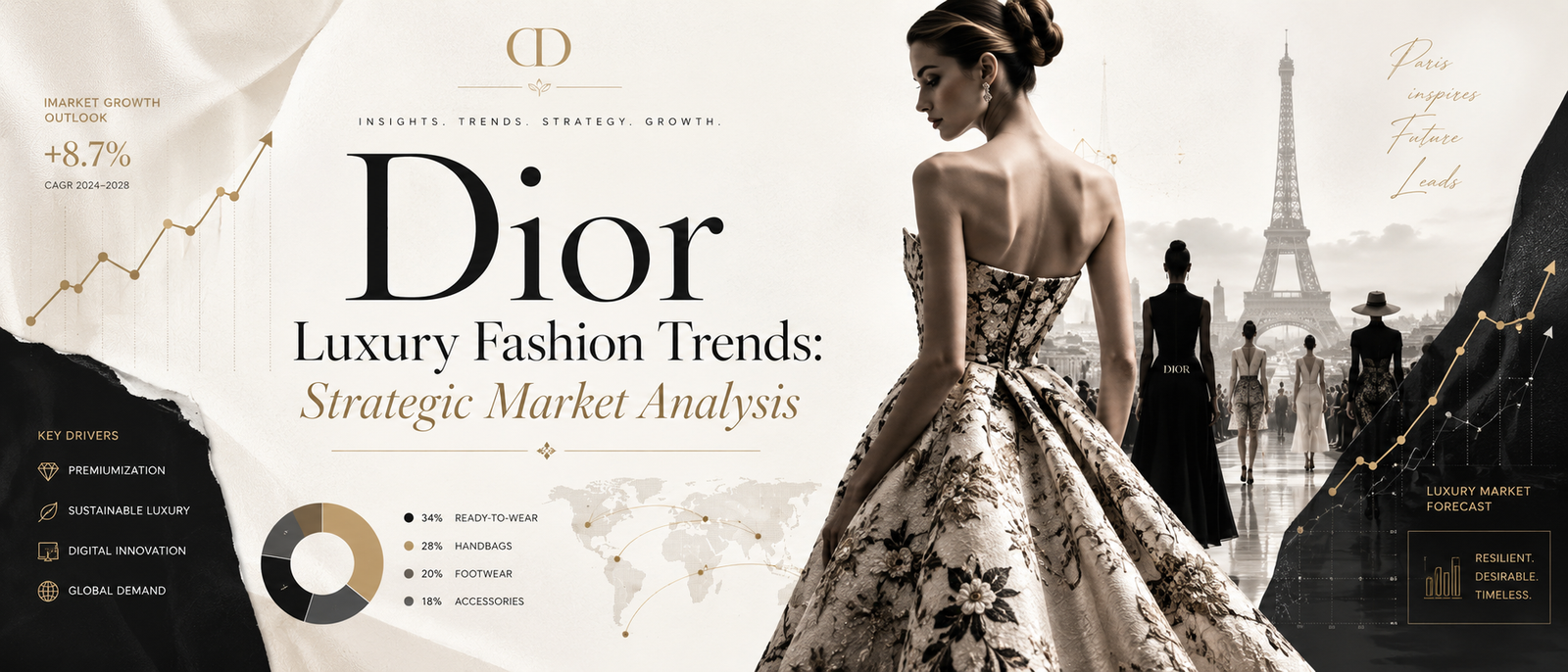
💡 Dior Luxury Fashion Trends: Strategic Market Analysis
An authoritative analysis of Christian Dior's market dominance, creative evolution, and financial performance within the global luxury sector.
Executive Summary
Christian Dior SE continues to serve as the primary engine for the LVMH conglomerate, maintaining a dominant position in the global luxury market through a blend of heritage preservation and aggressive digital transformation. According to the 2023 LVMH annual report, the Fashion and Leather Goods business group, led by Dior and Louis Vuitton, recorded an organic revenue growth of 14 percent, reaching 42.17 billion euros. This analysis examines the strategic pillars of Dior's current success, including the creative leadership of Maria Grazia Chiuri and Kim Jones, the brand's shift toward sustainable luxury under the LIFE 360 initiative, and the economic resilience of its core accessory lines. Key findings indicate that Dior's market share is increasingly driven by 'ultra-high-net-worth' individuals and a robust expansion into the Asia-Pacific region, which now accounts for approximately 30 percent of total luxury consumption globally.
Introduction: The Architecture of Modern Luxury
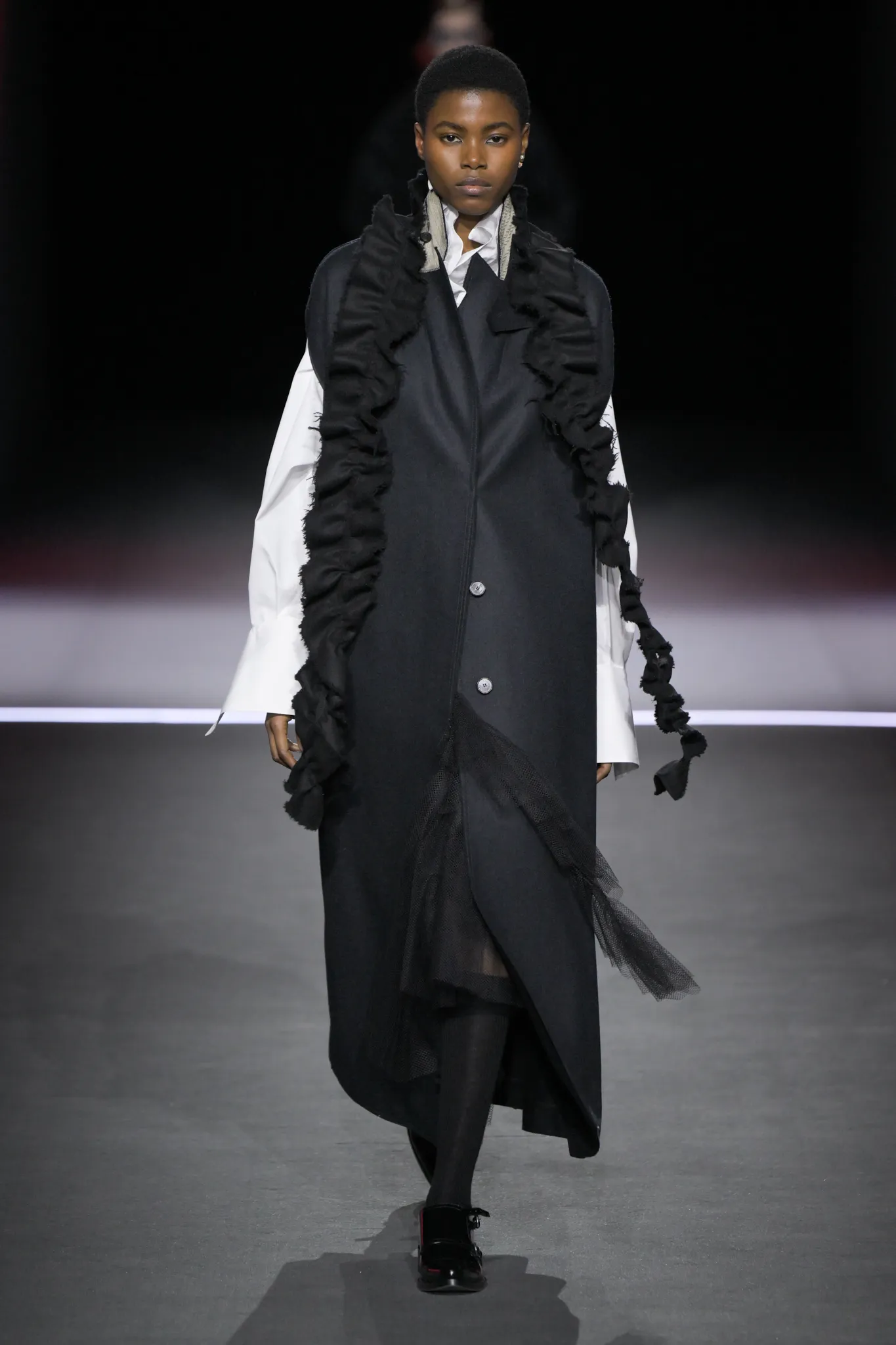
The house of Dior has evolved far beyond its 1947 'New Look' origins to become a case study in strategic brand scaling. In the contemporary landscape, luxury is no longer defined solely by scarcity but by the ability to maintain cultural relevance across multiple demographics simultaneously. Dior achieves this through a dual-track creative strategy: Maria Grazia Chiuri focuses on feminist-centric, narrative-driven womenswear, while Kim Jones integrates streetwear sensibilities with high-tailoring for the menswear division. This approach has allowed Dior to capture the attention of Gen Z consumers without alienating its traditional, legacy-focused clientele. Similar to the Strategic Analysis of Global Equities, the luxury sector requires a deep understanding of macro-economic shifts and consumer sentiment volatility.
The Deep Dive: Strategic Drivers of Dior's Dominance
To understand Dior's current trajectory, one must analyze the specific data points that define its operational success. The brand's strategy is built upon four primary pillars: creative consistency, localized marketing, digital innovation, and vertical integration.
1. Creative Leadership and Market Segmentation
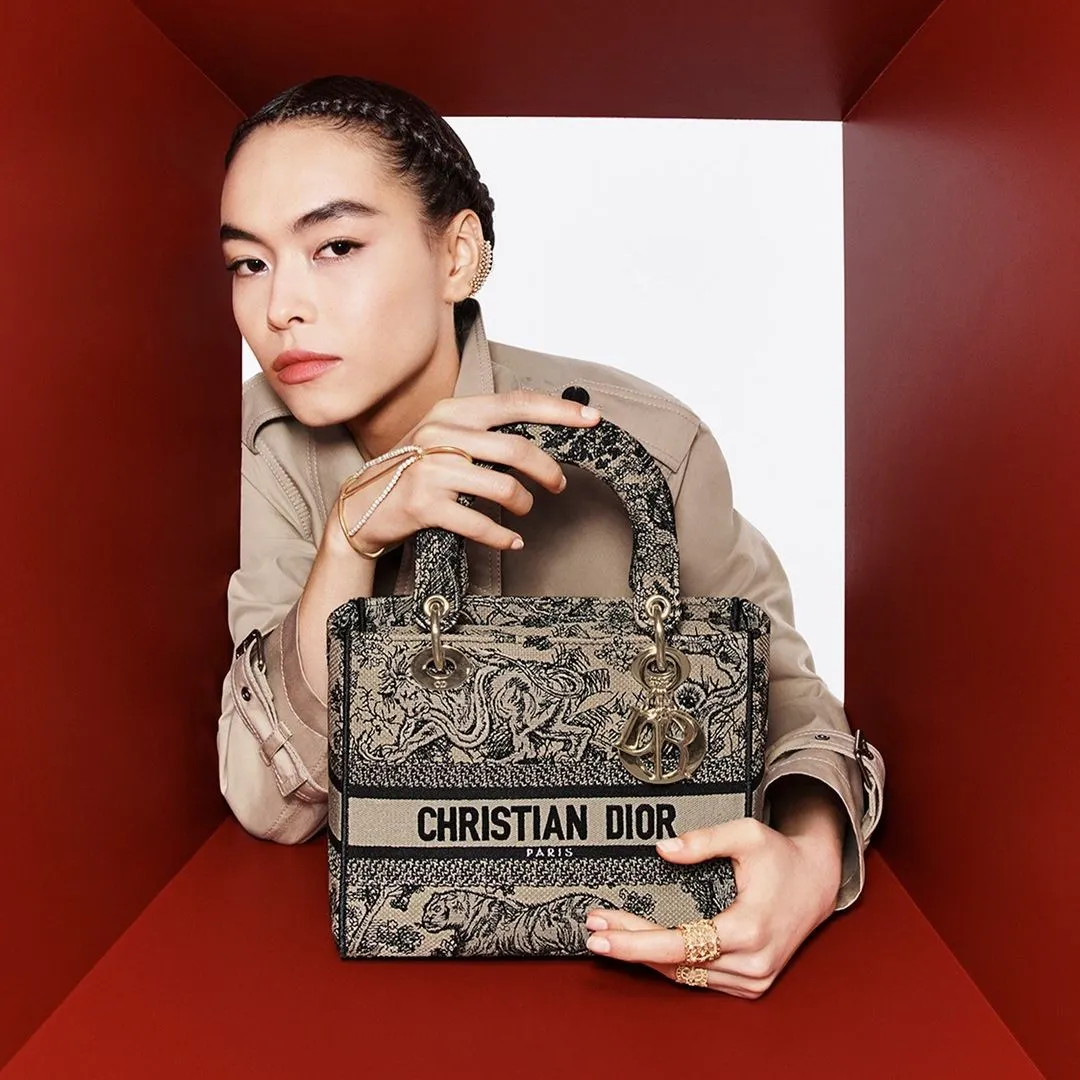
Maria Grazia Chiuri, the first female Artistic Director at Dior, has successfully repositioned the brand as a platform for cultural discourse. Under her tenure, the brand has seen a significant increase in the sales of 'permanent' collections, which include the Lady Dior and Book Tote. These items serve as financial anchors, providing stable revenue regardless of seasonal fashion shifts. On the menswear side, Kim Jones has pioneered the 'luxury collaboration' model, partnering with artists and streetwear brands to create high-demand, limited-edition drops. This strategy mirrors the high-stakes branding seen in the Strategic Evolution of the Modern Actor, where personal brand identity and public perception are meticulously managed to ensure long-term value.
2. Financial Resilience and Global Expansion
In the fiscal year 2023, LVMH reported that its fashion division outperformed the broader market. Dior's contribution to this was bolstered by a 15 percent increase in retail footprint across China and Southeast Asia. The brand's ability to maintain high margins is attributed to its vertical integration, controlling everything from raw material sourcing to the final boutique experience. Investors often compare the stability of luxury giants like Dior to the premium positioning of tech leaders, much like the insights found in the Strategic Analysis of Apple's Future. Both sectors rely on high brand loyalty and a 'prestige' pricing model that remains relatively inelastic during economic downturns.
3. The Digital and Sustainability Pivot
Dior has committed to the LVMH LIFE 360 (LVMH Initiatives For the Environment) program, aiming for a 55 percent reduction in greenhouse gas emissions by 2030. This is not merely a public relations move but a strategic response to the growing demand for 'quiet luxury' and ethical consumption. Data from McKinsey & Company indicates that 60 percent of luxury consumers now consider a brand's sustainability credentials before making a purchase. Dior's digital strategy is equally robust, utilizing augmented reality (AR) for virtual try-ons and blockchain technology to provide digital certificates of authenticity for its most expensive leather goods.
What This Means For You
For the consumer and the investor, the current trends at Dior offer several actionable insights:
- Investment Value: Classic Dior handbags, particularly the Lady Dior, maintain approximately 80 to 90 percent of their retail value on the secondary market, making them viable alternative assets.
- Wardrobe Longevity: The shift toward 'permanent collections' means that purchasing Dior today is an investment in a silhouette that will likely remain relevant for decades.
- Market Sentiment: The brand's success is a bellwether for the health of the global luxury market. If Dior remains strong, it indicates that high-end discretionary spending is resilient.
Expert Verdict and Future Outlook
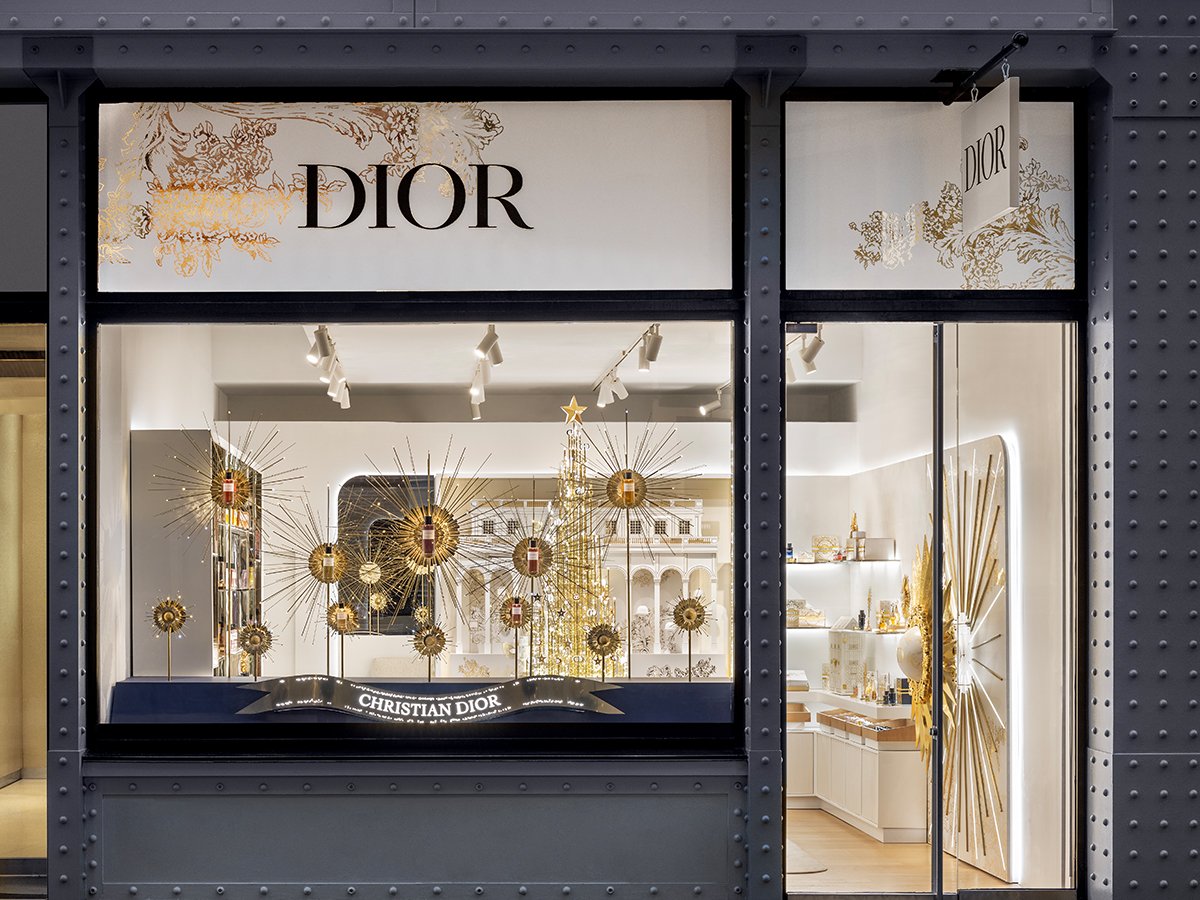
Industry analysts suggest that Dior is currently in a 'consolidation phase.' Having achieved massive growth over the last five years, the focus is now on deepening the relationship with existing clients through exclusive 'VIC' (Very Important Client) experiences and private salons. The future of Dior lies in its ability to navigate the tension between exclusivity and global accessibility. While the brand continues to expand its digital reach, the physical 'maison' experience remains its most powerful tool for brand equity. We expect Dior to continue outperforming the luxury sector average, with a projected annual growth rate of 7 to 9 percent through 2026, driven by its dominance in the beauty and fragrance sectors alongside its core fashion business.
Frequently Asked Questions
Is Dior a good investment for resale?
Yes, Dior is considered one of the top three luxury brands for value retention. Specifically, the Lady Dior and the Saddle Bag are high-demand items in the pre-owned market, often retaining a significant portion of their original price.
Who is the current creative director of Dior?
Dior currently employs two lead creative directors: Maria Grazia Chiuri for Women’s collections and Kim Jones for Men’s collections. Each brings a distinct strategic vision to their respective divisions.
How is Dior addressing sustainability?
Dior follows the LVMH LIFE 360 roadmap, which focuses on circular economy principles, biodiversity protection, and transparency in the supply chain. They are increasingly using recycled materials and eco-friendly tanning processes.
Why is Dior so expensive?
The pricing reflects the cost of high-quality materials, artisan craftsmanship in European ateliers, and the immense brand equity built over decades. The 'Made in Italy' and 'Made in France' labels are central to its value proposition.
Where does Dior rank in the luxury market?
Dior is consistently ranked as a top-tier luxury house, often cited alongside Chanel and Louis Vuitton as the 'big three' of global fashion in terms of revenue and cultural influence.
Conclusion
The strategic evolution of Dior demonstrates that a legacy brand can achieve modern dominance by balancing heritage with data-driven innovation. By maintaining creative excellence and financial discipline, Dior remains a cornerstone of the global luxury economy, offering both aesthetic value and investment stability for the foreseeable future.




Comments 0
Leave a Reply
Your email address will not be published. Required fields are marked *
Be the first to share your thoughts!