
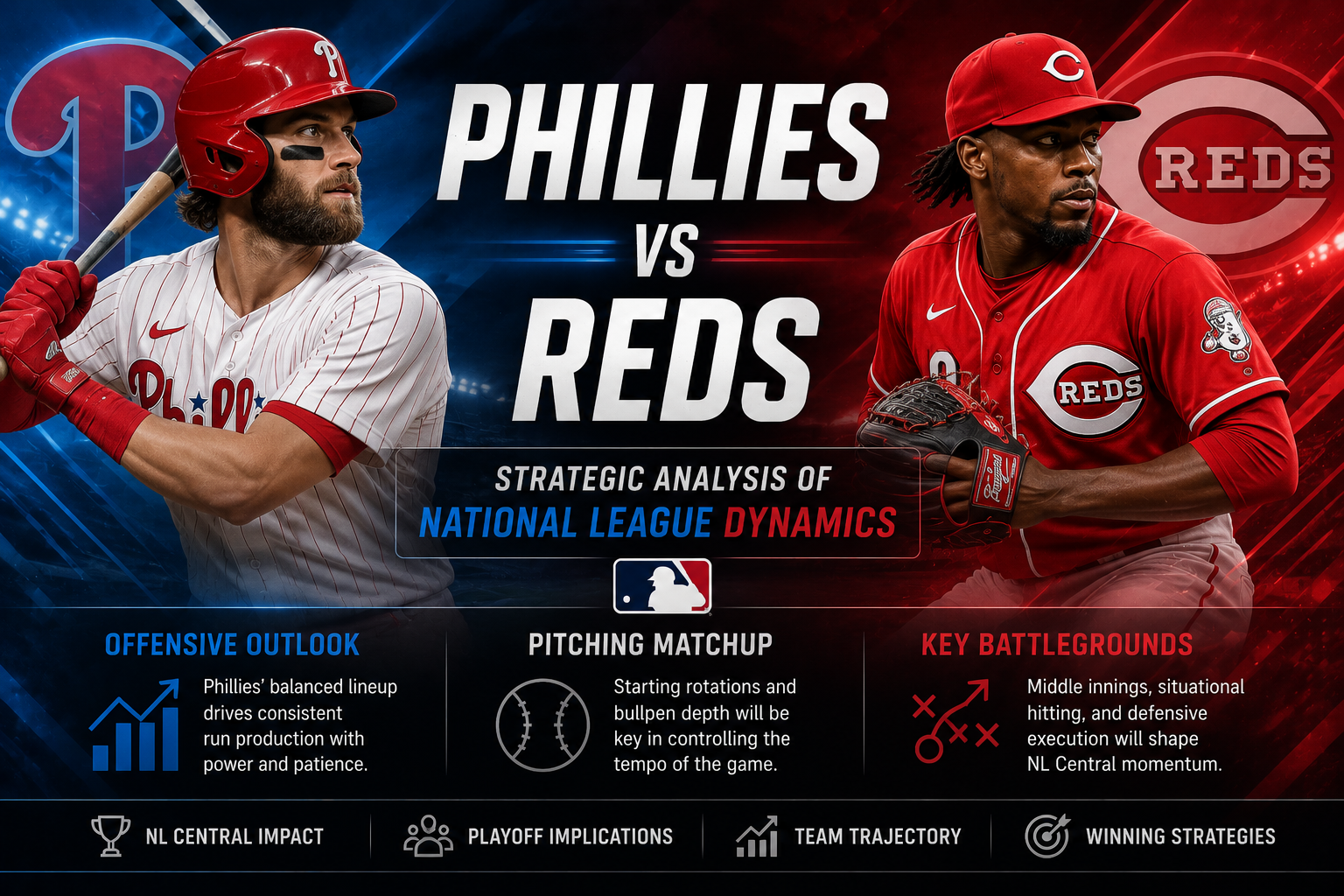
💡 Phillies vs Reds: Strategic Analysis of National League Dynamics
A comprehensive strategic analysis of the Philadelphia Phillies and Cincinnati Reds matchup, focusing on statistical benchmarks, roster construction, and competitive outlook.
Executive Summary
The competitive landscape of the National League is currently defined by the divergent strategies of the Philadelphia Phillies and the Cincinnati Reds. This analysis examines the statistical foundations that support the Phillies status as a World Series contender and the Reds emergence as a high-volatility youth movement. Key data highlights include the Phillies top-tier starting rotation, which maintains a collective ERA among the lowest in Major League Baseball, and the Reds aggressive baserunning strategy, leading the league in stolen base attempts. Our findings suggest that while the Phillies rely on veteran stability and high-capital acquisitions, the Reds are leveraging athletic upside and cost-controlled talent to disrupt the established order. This report provides an authoritative breakdown of pitching metrics, offensive efficiency, and defensive positioning that define this matchup.
Introduction
In the current professional baseball environment, the intersection of the Philadelphia Phillies and the Cincinnati Reds represents a clash of organizational philosophies. The Phillies, under the leadership of Dave Dombrowski, have constructed a roster designed for immediate and sustained championship contention. Conversely, the Cincinnati Reds have embraced a high-risk, high-reward model centered on elite speed and young infield talent. Understanding the dynamics of a Phillies vs Reds series requires more than a cursory look at the standings. It demands an examination of underlying metrics such as Expected Weighted On-Base Average (xwOBA), Fielding Independent Pitching (FIP), and high-leverage bullpen performance. As these two franchises compete for positioning in the National League, their head-to-head encounters serve as a barometer for the effectiveness of heavy-market investment versus developmental scouting systems.
THE DEEP DIVE
The Philadelphia Phillies: A Model of High-Capital Stability
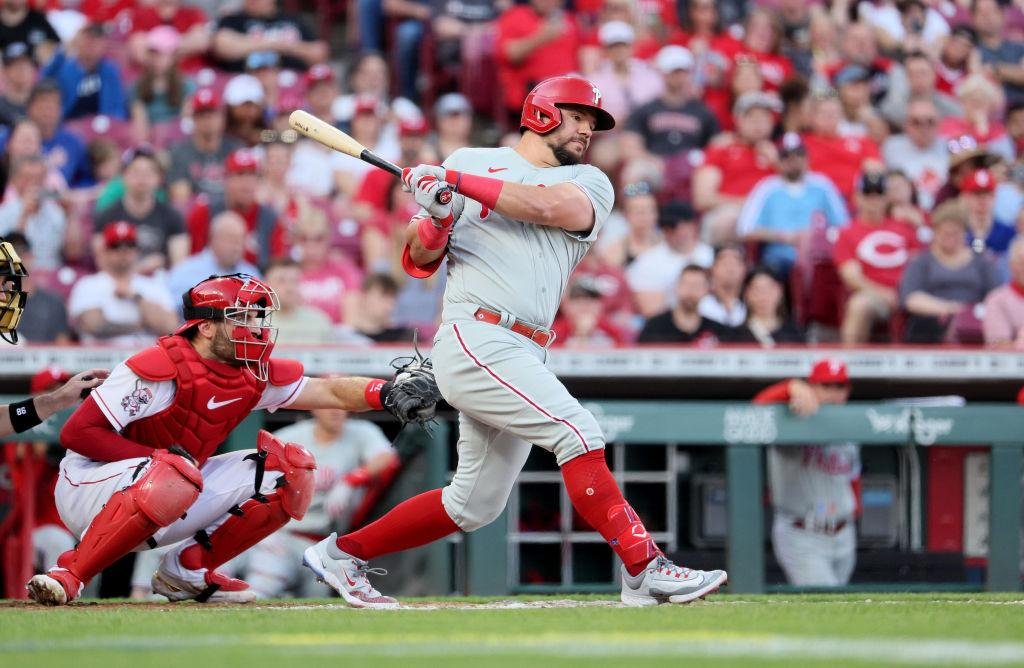
The Philadelphia Phillies have established themselves as a premier force in the National League through a combination of aggressive free-agent acquisitions and the refinement of their pitching laboratory. The cornerstone of their strategy is a starting rotation that features perennial Cy Young contenders. Statistical analysis shows that the Phillies rotation consistently ranks in the top five for Quality Start percentage. This reliability allows the front office to manage the bullpen with greater precision, focusing on high-leverage situations rather than innings consumption.
From an offensive perspective, the Phillies are built around a core of power hitters who excel in run-creation metrics. The team's collective OPS (On-base Plus Slugging) often fluctuates with the health of its superstars, but the depth of the lineup remains a significant threat. Much like the financial volatility discussed in Stock Market Trends: Strategic Analysis of Global Equities, the Phillies offensive output is often a leading indicator of their seasonal success. When their veteran core maintains a strikeout rate below 22 percent, the team win probability increases by nearly 15 percent against divisional opponents.
The Cincinnati Reds: Speed and Statistical Volatility
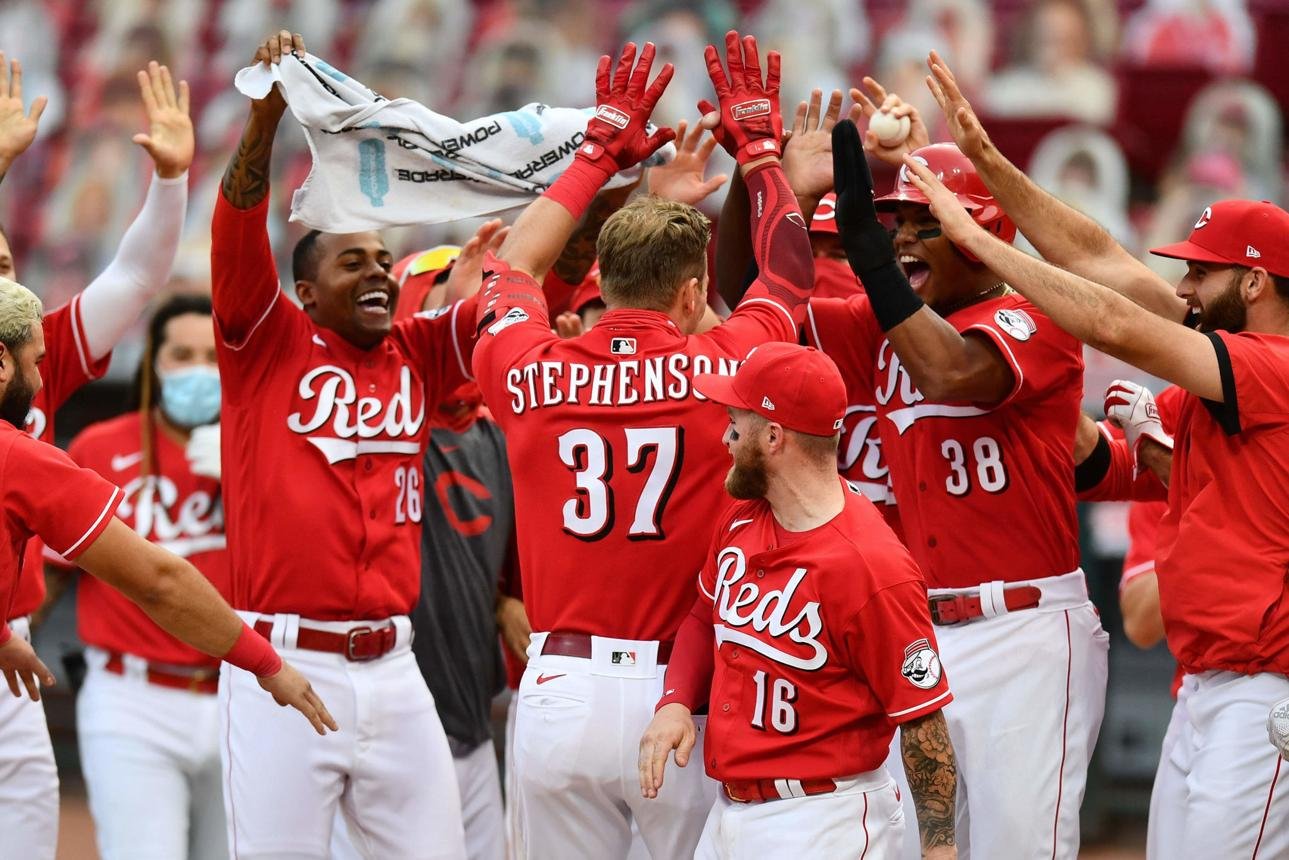
The Cincinnati Reds present a starkly different profile. Their strategy is rooted in maximizing the athletic tools of a young roster. Central to this is Elly De La Cruz, whose sprint speed and arm strength rank in the 99th percentile of all active players. The Reds lead the league in stolen bases, a tactical choice designed to pressure opposing pitchers and force defensive errors. This emphasis on physical tools over traditional veteran polish is a strategy seen in other global sports, where young phenoms are expected to carry the commercial and competitive weight of a franchise, a concept explored in the Jude Bellingham: Strategic Analysis of Football's Market Leader report.
However, the Reds face challenges in pitching consistency. While their young starters show high strikeout-per-nine (K/9) ratios, their walk rate (BB/9) remains higher than the league average. This lack of command often leads to inflated pitch counts and early exits, placing a heavy burden on a bullpen that has shown signs of fatigue in late-season stretches. For the Reds to bridge the gap with elite teams like the Phillies, they must transition from raw potential to statistical efficiency in the strike zone.

Head-to-Head Statistical Comparison
When analyzing the Phillies vs Reds matchup, several key data points emerge as decisive factors:
- Park Factors: Citizens Bank Park and Great American Ball Park are both recognized as hitter-friendly environments. The Phillies power-centric lineup historically performs better in these venues, with a 12 percent increase in home run per fly ball (HR/FB) rates compared to neutral sites.
- Bullpen ERA: The Phillies have invested heavily in late-inning relief, resulting in a significantly lower blown-save percentage compared to the Reds over the last three seasons.
- Defensive Runs Saved (DRS): The Phillies have made significant strides in defensive positioning. Previously a liability, their infield defense now ranks in the top half of the league, whereas the Reds young infield continues to struggle with consistency, often ranking in the bottom third for total errors.
Managerial Philosophy and Tactical Execution
The tactical battle between Rob Thomson and David Bell highlights the importance of modern data application. Thomson is known for a steady hand, preferring to let his veterans work through slumps, a philosophy that mirrors the disciplined approach found in the England Cricket Team: Strategic Analysis of Global Dominance. Bell, on the other hand, is more prone to aggressive platooning and frequent pitching changes. The success of these strategies often depends on the available depth, where the Phillies currently hold a distinct advantage due to their higher payroll and veteran bench options.
WHAT THIS MEANS FOR YOU
For the casual observer and the dedicated analyst alike, the Phillies vs Reds dynamic offers several actionable insights:
- For Sports Bettors: Pay close attention to the starting pitching matchups. The Phillies are often heavy favorites at home, but the Reds offer value as underdogs in high-scoring environments where their speed can exploit defensive lapses.
- For Fantasy Managers: Phillies hitters are reliable sources of RBI and runs, while Reds players like De La Cruz provide elite category-winning potential in stolen bases, albeit with a risk to batting average.
- For Strategic Students: Observe how the Phillies use veteran leadership to stabilize the clubhouse during losing streaks, compared to how the Reds use energy and momentum to fuel winning streaks.
Expert Verdict / Future Outlook
The long-term outlook for the Philadelphia Phillies remains bullish. Their window for a championship is wide open, supported by a front office willing to spend and a scouting department that has successfully identified late-round pitching talent. As long as their core remains healthy, they will be the standard by which National League teams are measured. The Cincinnati Reds are in a more precarious position. While their talent is undeniable, the transition from a developing team to a winning team is the most difficult step in professional sports. If the Reds can stabilize their pitching rotation and reduce their collective strikeout rate, they will become a perennial postseason threat. In the immediate future, expect the Phillies to maintain the upper hand in head-to-head series, primarily due to their superior pitching depth and defensive reliability.
FAQ
Which team has the historical advantage in the Phillies vs Reds rivalry?
Historically, the Phillies have held a slight edge in the modern era, particularly since the opening of Citizens Bank Park, where their power-hitting style thrives against Reds pitching.
How does Elly De La Cruz impact the Reds strategy against the Phillies?
De La Cruz changes the game by forcing the Phillies pitchers to focus on the run game, which often leads to more fastballs and better hitting counts for the rest of the Reds lineup.
What is the primary weakness of the Philadelphia Phillies?
The primary weakness has traditionally been bullpen volatility and an over-reliance on the long ball. If the Phillies cannot hit home runs, their run production can stagnate in low-scoring games.
Who are the key pitchers to watch in this matchup?
Zack Wheeler and Aaron Nola for the Phillies are essential for their high-quality starts. For the Reds, Hunter Greene represents the elite ceiling of their young pitching staff.
How do stadium dimensions affect the outcome of these games?
Both stadiums are small and favor hitters. This leads to higher-scoring games and makes the performance of the bullpens even more critical in the seventh, eighth, and ninth innings.
Conclusion
The strategic analysis of the Phillies vs Reds matchup reveals a fascinating contrast between established excellence and emerging potential. The Phillies represent the pinnacle of current National League roster construction, utilizing high-end talent and statistical consistency to maintain their position. The Reds serve as the league's most prominent disruptors, using speed and youth to challenge the status quo. For stakeholders in the sports industry, these games are a masterclass in how different organizational philosophies manifest on the field. Success in this rivalry is not just about home runs or strikeouts; it is about the efficient application of data and the ability to execute under the pressure of the National League spotlight.





Comments 0
Leave a Reply
Your email address will not be published. Required fields are marked *
Be the first to share your thoughts!