
The phrase Eid Mubarak serves as a universal bridge connecting millions of people across the globe. In the year 2026, this greeting will carry profound significance as the Islamic community observes two major festivals: Eid al-Fitr and Eid al-Adha. These occasions are not merely dates on a calendar but represent the culmination of spiritual discipline, sacrifice, and communal harmony. Understanding the nuances of these celebrations is essential for anyone looking to participate in or respect these global cultural milestones.
According to astronomical calculations and the Hijri calendar, the year 2026 corresponds with the Islamic year 1447 AH. Because the Islamic calendar is lunar-based, the dates for Eid shift approximately ten to eleven days earlier each Gregorian year. This shift influences how the festivities are experienced, particularly regarding seasonal weather patterns and daylight hours for fasting. Eid timing varies each year due to the lunar calendar, which shifts by about 10-11 days annually.
The Mechanics of the Lunar Calendar in 2026
The determination of Eid dates relies heavily on the sighting of the new crescent moon. While astronomical data provides highly accurate projections, the official declaration in many regions, including Saudi Arabia, depends on the physical sighting or the Umm al-Qura calendar. For 2026, official specifications regarding the exact start dates are not fully confirmed until the eve of the events, but scientific models provide a reliable window for planning.
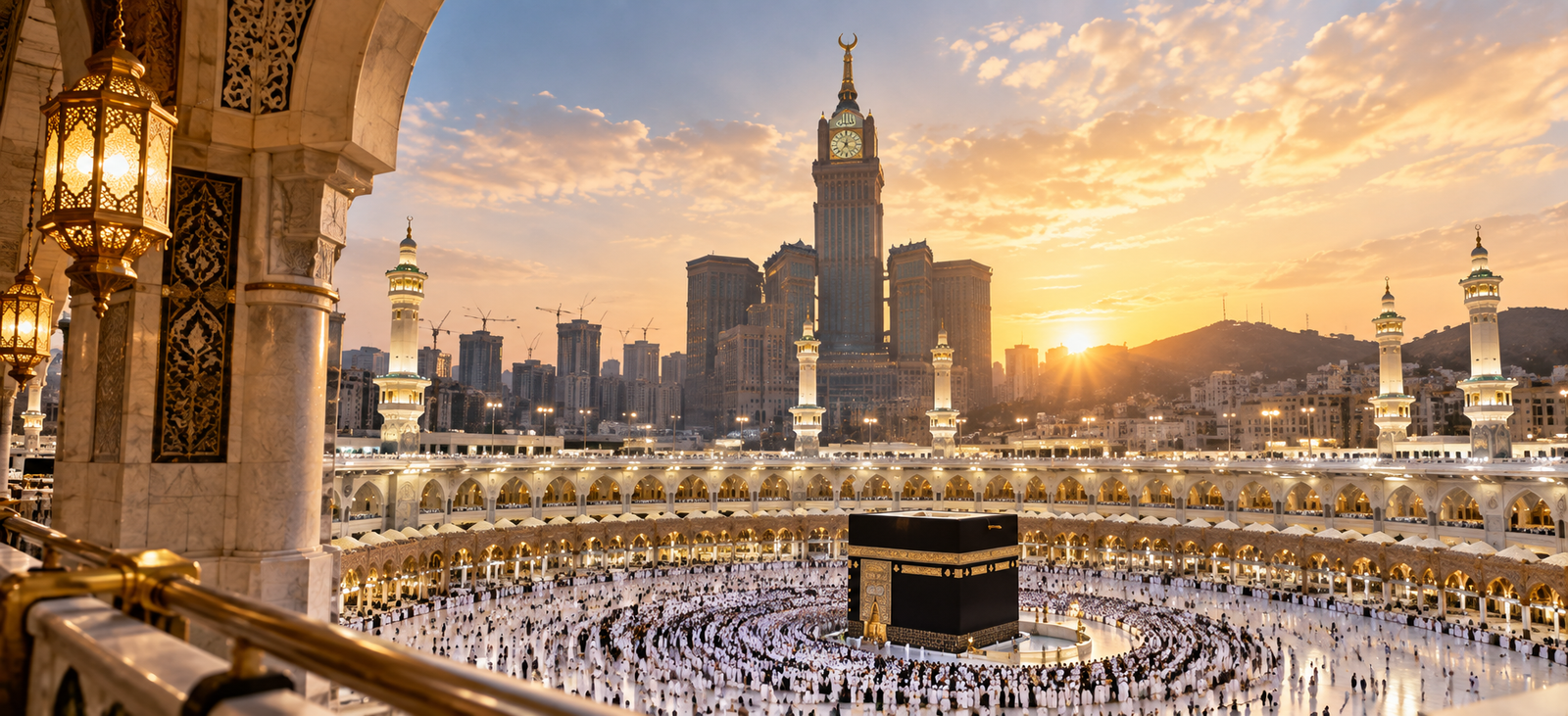
As per global analysts specializing in Islamic cycles, Ramadan 2026 is expected to begin in mid-February. Consequently, Eid al-Fitr 2026 is expected to fall around late March or early April, depending on moon sighting. This period marks the end of a month-long fast and the beginning of the month of Shawwal. Later in the year, Eid al-Adha 2026 is anticipated to take place around May 27, 2026, coinciding with the completion of the Hajj pilgrimage in Makkah. Understanding the Hijri calendar helps in tracking Islamic events more accurately.
The precision of these dates is vital for international logistics, including flight schedules for pilgrims and retail supply chains. In Saudi Arabia, the transition toward Vision 2030 means that these religious periods are also integrated into broader cultural and tourism frameworks, ensuring that the infrastructure can accommodate the millions of visitors expected for Umrah and Hajj.
Eid al-Fitr 2026: The Festival of Breaking the Fast
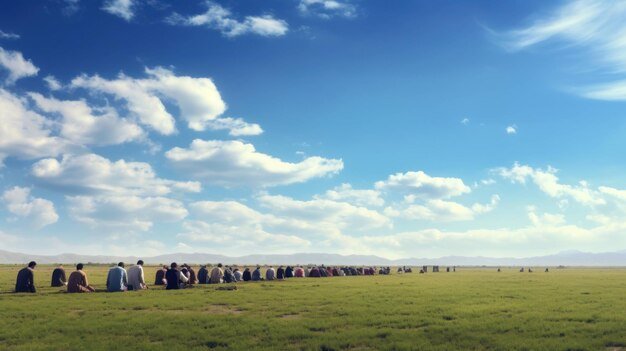
Eid al-Fitr is often referred to as the Lesser Eid, but its social and spiritual impact is immense. It celebrates the successful completion of Ramadan, a period of fasting, prayer, and reflection. The day begins with a specific communal prayer known as Salat al-Eid, performed in large open fields or mosques. This prayer is distinct from the regular five daily prayers and includes additional takbirs (proclamations of greatness).
A core requirement of Eid al-Fitr is Zakat al-Fitr, a mandatory charitable contribution given to the poor before the Eid prayer begins. This ensures that every member of the community, regardless of financial status, can participate in the festivities. Experts in Islamic jurisprudence state that the amount is typically equivalent to one sa (approximately 2.5 kg) of a staple food item like rice or wheat. [Link to: How to Calculate Zakat al-Fitr 2026]
The social aspect of Eid al-Fitr involves wearing new clothes, visiting relatives, and sharing elaborate meals. In many cultures, children receive Eidi, which consists of small gifts or money from elders. The atmosphere is one of gratitude and joy, reflecting the spiritual growth achieved during the preceding month of Ramadan.
Eid al-Adha 2026: The Festival of Sacrifice
Eid al-Adha, or the Greater Eid, occurs during the month of Dhu al-Hijjah. It commemorates the devotion of Prophet Ibrahim and coincides with the Hajj pilgrimage. For those not performing Hajj, the day is marked by the ritual of Qurbani (sacrifice). An animal, such as a sheep, goat, or cow, is sacrificed, and the meat is divided into three equal parts: one for the family, one for relatives and friends, and one for the needy.
According to recent industry reports regarding the livestock sector in the Middle East, the demand for sacrificial animals in 2026 is expected to remain high, prompting early logistical preparations for sustainable and ethical sourcing. Governments often implement strict health and safety regulations to manage the distribution of meat efficiently. [Link to: Hajj 2026 Travel and Safety Guidelines]
The spiritual essence of Eid al-Adha lies in the concept of selflessness. It serves as a reminder to the global community about the importance of charity and the shared responsibility to care for the less fortunate. In 2026, as global connectivity increases, many individuals choose to perform their Qurbani through international relief organizations to reach those in conflict zones or areas facing food insecurity.
Regional Variations in Celebrations
While the core religious practices remain constant, cultural expressions of Eid vary significantly by region. In Saudi Arabia, the festivities are often marked by large-scale public events, fireworks, and traditional dances like the Ardah. The hospitality sector in cities like Riyadh and Jeddah prepares months in advance to host families seeking leisure and entertainment.
In Southeast Asia, particularly Indonesia and Malaysia, the tradition of Mudik or Balik Kampung involves a massive migration of people from cities to their ancestral villages. This reflects the deep-rooted importance of family ties during Eid. In Western nations, Eid is increasingly recognized in the public sphere, with major cities hosting festivals that showcase diverse cuisines and art from across the Muslim world.
Experts suggest that by 2026, digital celebrations will also play a larger role. Virtual gatherings and digital Eidi transfers have become standard practice, allowing families separated by distance to maintain their connections. However, the physical gathering for the Eid prayer remains the irreplaceable cornerstone of the holiday.
Common Mistakes to Avoid During Eid Planning
1. Overlooking Zakat Deadlines: Many people wait until the last minute to pay Zakat al-Fitr. It must be paid before the Eid prayer to be valid. Delaying it until after the prayer changes its status to regular charity.
2. Miscalculating Travel Times: Given the massive scale of movement during Eid, failing to book transport or accommodation months in advance can lead to significant disruptions. This is especially true for those traveling to the Hijaz region in Saudi Arabia.
3. Ignoring Local Sighting Announcements: Relying solely on pre-calculated calendars without checking for local moon-sighting confirmations can lead to confusion regarding the start of the holiday.
4. Neglecting Dietary Restrictions: When hosting or visiting, it is important to be mindful of various dietary needs and to ensure that all food served meets Halal standards, which is the baseline for Eid celebrations.
Pro Tips for a Meaningful Eid 2026
- Early Engagement with Charity: Identify the organizations you wish to support for Qurbani or Zakat weeks in advance to ensure your contribution is processed on time.
- Cultural Sensitivity: If you are a non-Muslim attending an Eid event, wearing modest, festive clothing and offering the greeting Eid Mubarak is highly appreciated.
- Sustainable Celebrations: With growing awareness of environmental impacts, experts suggest opting for eco-friendly decorations and minimizing food waste during large banquets.
- Focus on Mental Well-being: While Eid is a time of celebration, it can be overwhelming. Schedule downtime between social visits to reflect on the spiritual lessons of the season.
Frequently Asked Questions (FAQ)
Q1: What are the expected dates for Eid in 2026?
A1: Eid al-Fitr is projected to begin around March 20, 2026, and Eid al-Adha is expected around May 27, 2026. These dates are subject to the sighting of the moon.
Q2: How do I greet someone during these festivals?
A2: The most common greeting is Eid Mubarak, which means Blessed Eid. Another traditional greeting is Taqabbalallahu Minna wa Minkum, which means May Allah accept from us and from you.
Q3: Is work suspended during Eid in Saudi Arabia?
A3: Yes, both Eid al-Fitr and Eid al-Adha are public holidays in Saudi Arabia. The duration of the break varies between the public and private sectors, usually ranging from four to ten days.
Q4: Can non-Muslims participate in Eid celebrations?
A4: Absolutely. Eid is a time of community and sharing. Non-Muslims are often invited to join the feasts and festivities by their Muslim friends and neighbors.
Q5: What is the significance of the 1447 AH year?
A5: The year 1447 AH is the specific year in the Islamic Hijri calendar that corresponds with most of the 2026 Gregorian year. It marks the passage of time since the Hijrah (migration) of Prophet Muhammad.




Comments 0
Leave a Reply
Your email address will not be published. Required fields are marked *
Be the first to share your thoughts!