💡 The Evolution of European Glory: A Comprehensive Guide to UEFA Champions League History and the New Format
A deep dive into the history of the UEFA Champions League, from its 1955 origins to the revolutionary 2024/25 Swiss-Model format change.
The UEFA Champions League is the pinnacle of European club football, a competition that has evolved from a 16-team knockout tournament in 1955 into a global sporting phenomenon. Starting in the 2024/25 season, the competition undergoes its most significant transformation in decades, moving from the traditional 32-team group stage to a 36-team 'Swiss-Model' league phase. This change is designed to increase the number of high-profile matches between top-tier clubs earlier in the tournament while providing more opportunities for mid-tier teams to compete on the grandest stage.
The Prestige and Allure of the European Cup
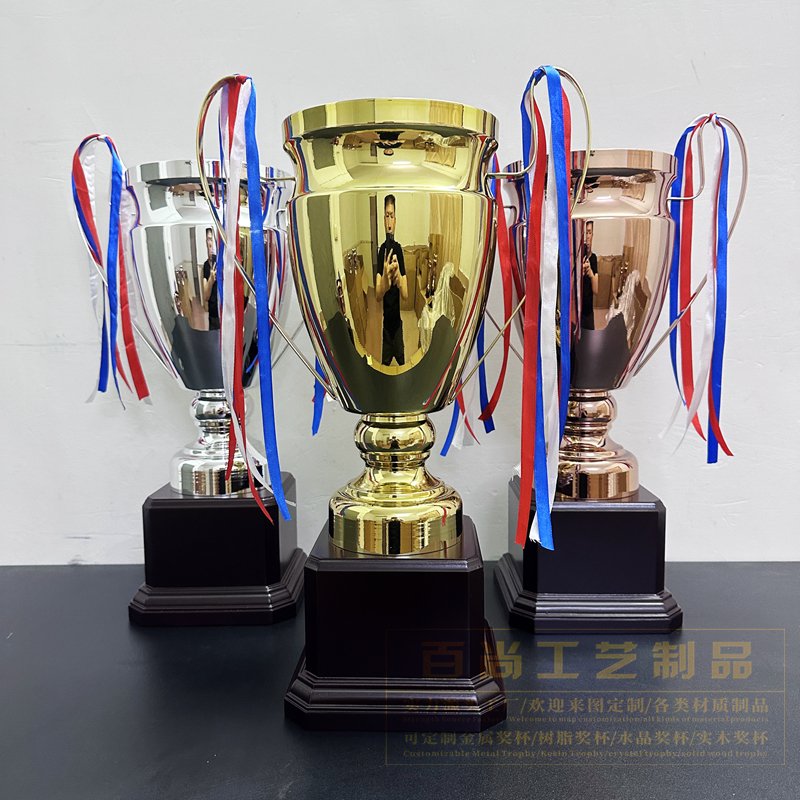
For any professional footballer playing in Europe, lifting the "Big Ears" trophy represents the absolute summit of club achievement. The Champions League (UCL) isn't just a tournament; it is a cultural touchstone that brings together the best talent from across the continent. Its allure lies in its exclusivity and the legendary nights of drama it produces—from last-minute comebacks to the tactical masterclasses of the world’s most elite managers. The competition bridges the gap between domestic success and continental immortality.
The Genesis of Greatness: Gabriel Hanot and the Birth of the European Cup in 1955
The competition was not the brainchild of a governing body, but rather a visionary journalist. In the mid-1950s, Gabriel Hanot, an editor at the French newspaper L'Équipe, proposed a continental club competition after hearing claims from English media that Wolverhampton Wanderers were the "champions of the world." Hanot argued that a true champion could only be crowned if they faced the best teams across Europe in a home-and-away format.
In 1955, the European Champion Clubs' Cup was born. The inaugural tournament featured 16 teams, and Real Madrid emerged as the first winners, defeating Reims 4-3 in a thrilling final in Paris. This victory set the stage for Real Madrid's early dominance, as they won the first five consecutive titles, cementing the tournament's status as the ultimate prize.
The 1992 Revolution: Transitioning from a Knockout Tournament to the Champions League Era
For nearly four decades, the competition remained a straight knockout tournament involving only the domestic league champions of each country. However, by the early 1990s, the demand for more televised matches and guaranteed revenue for big clubs led to a massive rebranding. In 1992, the tournament was officially renamed the UEFA Champions League.
This era introduced the iconic starball logo and the hauntingly beautiful anthem based on George Frideric Handel's "Zadok the Priest." More importantly, it introduced a group stage, ensuring that teams played a minimum number of matches even if they struggled early on. This shift allowed the competition to expand beyond just league champions to include runners-up and eventually up to four (or five) teams from the strongest European leagues.
The Traditional Blueprint: Analyzing the Classic 32-Team Group Stage Structure
From 2003 until 2024, the Champions League followed a consistent and beloved format. Thirty-two teams were divided into eight groups of four. Each team played the others in their group twice (home and away), with the top two teams from each group advancing to the Round of 16. The knockout stages then proceeded over two legs, culminating in a single-match final at a neutral venue.
While this format was highly successful, it faced criticism in recent years for becoming predictable. In many groups, the two wealthiest clubs would secure qualification with games to spare, leading to "dead rubber" matches that lacked competitive tension.
The 2024/25 Paradigm Shift: Deconstructing the New Swiss-Model League Phase
To combat predictability and increase revenue, UEFA has implemented the "Swiss Model" for the 2024/25 season. This is the most radical change in the tournament’s history. Here is how it works:
- Single League Table: Instead of 32 teams divided into groups, there are now 36 teams competing in one single league table.
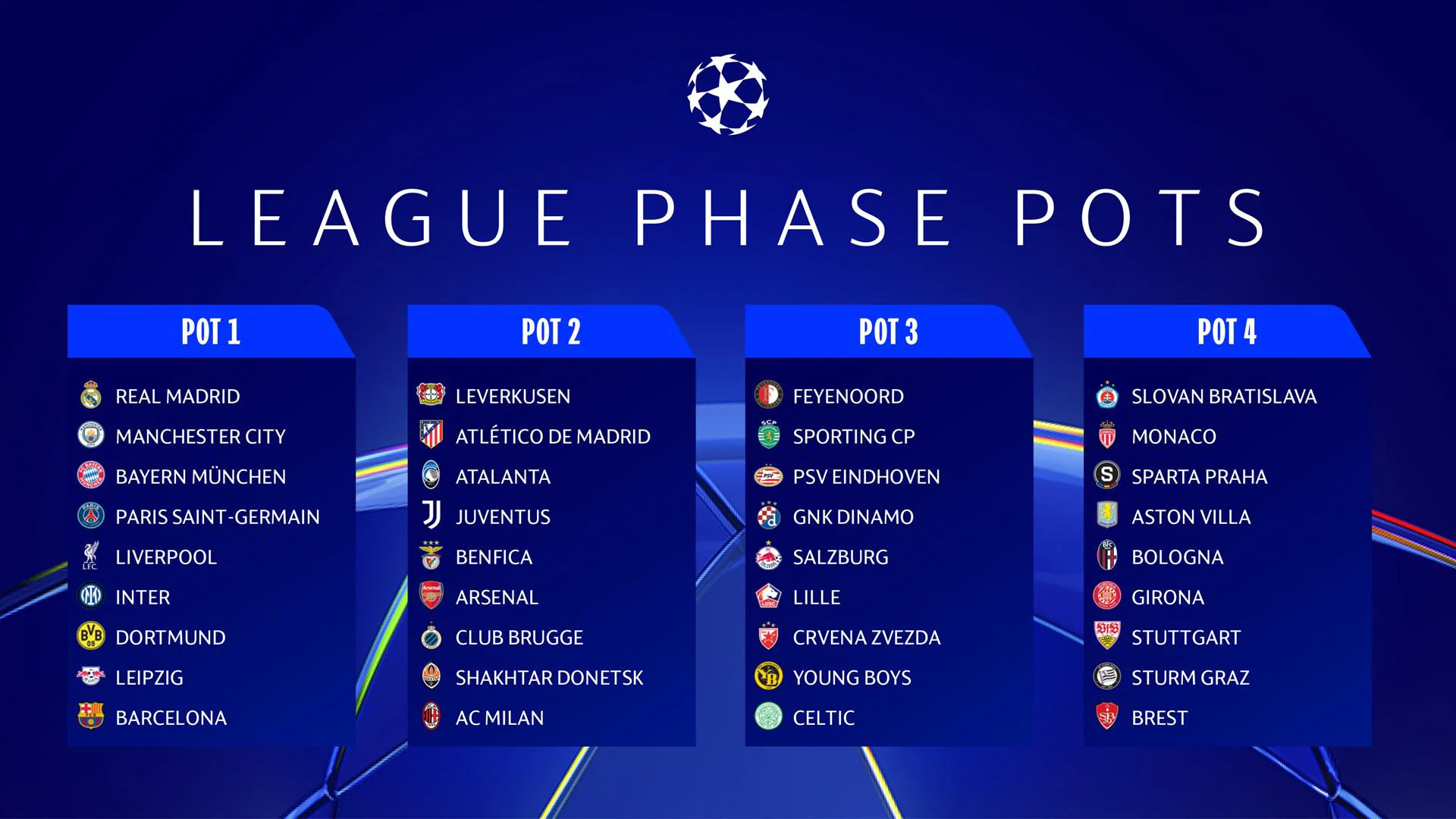
- Eight Matches per Team: Each team plays eight matches against eight different opponents (four at home, four away). These opponents are determined by seeding pots, ensuring every team plays a mix of top-tier, mid-tier, and lower-tier clubs.
- Direct Qualification: The top eight teams in the league table automatically qualify for the Round of 16.
- Play-off Round: Teams finishing 9th to 24th enter a two-legged play-off to secure their spot in the Round of 16. Teams finishing 25th or lower are eliminated entirely (no drop-down to the Europa League).
The primary benefit of this system is that every goal and every point matters for the final league ranking, and fans get to see more matches between the giants of Europe much earlier in the season.
Architects of Dominance: Iconic Clubs and Records
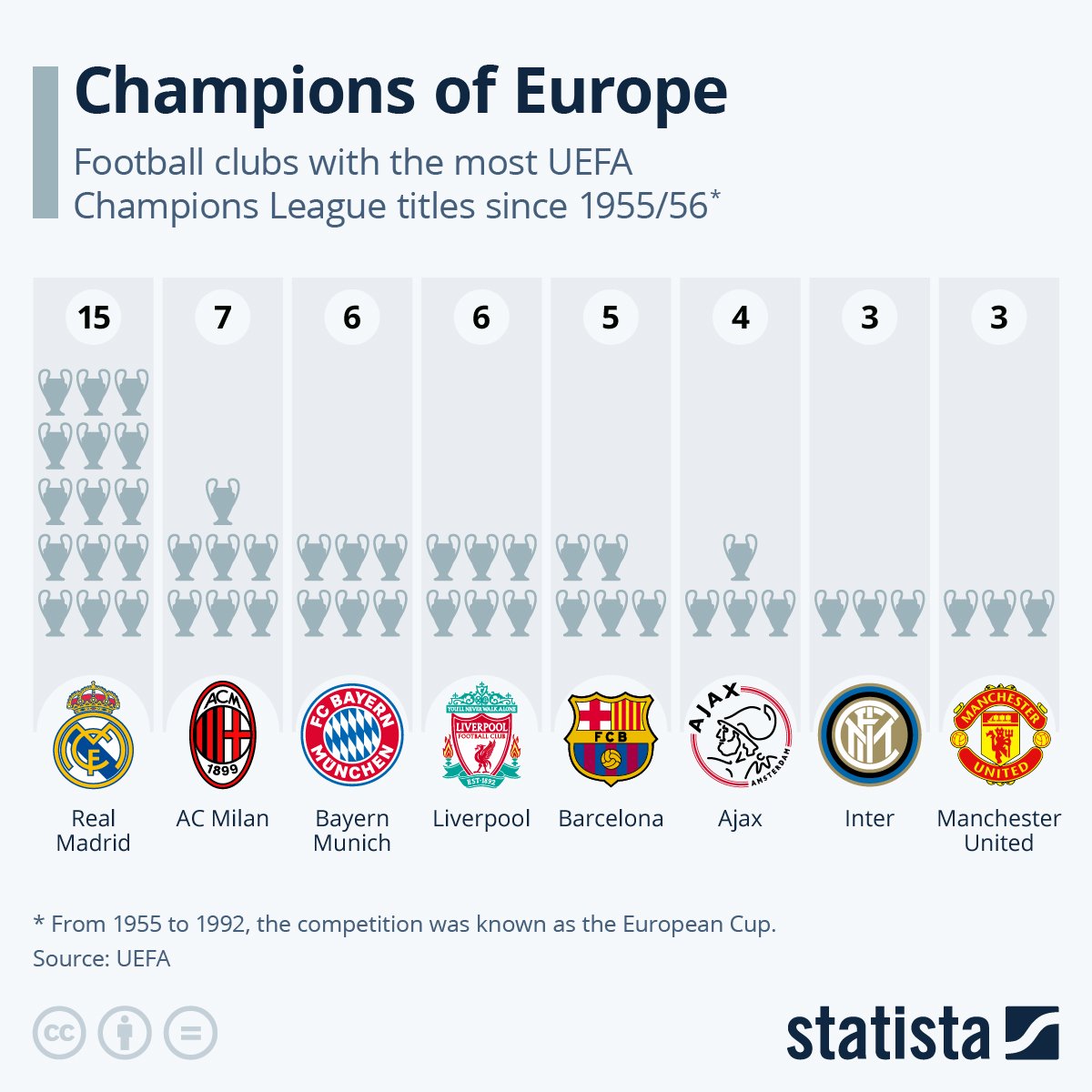
The history of the Champions League is written by the clubs that have mastered its unique pressures. Real Madrid remains the undisputed king of the competition, holding a record 14 titles (as of the 2023/24 season). Other giants include AC Milan (7 titles), Liverpool (6), and Bayern Munich (6).
Individual records are equally staggering. Cristiano Ronaldo holds the record for the most goals in the competition's history, followed closely by Lionel Messi. These players, along with managers like Carlo Ancelotti (the only manager to win four titles), have defined the modern era of the tournament through sheer consistency and tactical brilliance.
The Road to the Final: How Qualification and Coefficient Rankings Shape the Field
Qualification for the Champions League is a year-long battle within domestic leagues. UEFA uses a "Coefficient Ranking" system to determine how many slots each country receives. This ranking is based on the performance of a country's clubs in European competitions over the previous five seasons.
Leagues like the English Premier League, Spanish La Liga, and German Bundesliga typically receive four guaranteed spots. Smaller leagues must navigate several qualifying rounds, known as the "Champions Path" and the "League Path," to earn their place in the league phase. The financial windfall from qualifying is transformative for smaller clubs, often representing a significant portion of their annual budget.
Frequently Asked Questions Regarding the UEFA Champions League Evolution
1. Why did UEFA change the format for 2024/25?
The change was driven by a desire to eliminate predictable group stages and provide more high-quality matches between top teams earlier. It also serves as a response to the threat of a breakaway European Super League by offering clubs more guaranteed matches and increased revenue.
2. Does the winner still get an automatic spot in next year's tournament?
Yes, the defending champion is automatically entered into the league phase of the following season, regardless of where they finish in their domestic league.
3. What happens to teams that finish 25th or lower in the new league phase?
Unlike the previous format where 3rd-place group finishers dropped into the Europa League, teams that finish 25th or lower in the new 36-team league are simply eliminated from all European competitions for that season.
4. How are the eight opponents chosen in the new format?
Teams are divided into four seeding pots. Each team is drawn to play two opponents from each pot (one home, one away), ensuring a balanced schedule for everyone involved.
5. Who has won the most Champions League titles?
Real Madrid holds the record with 14 titles, nearly double that of the next most successful club, AC Milan.
Conclusion
The UEFA Champions League has come a long way from its humble beginnings as a 16-club knockout experiment. Through the 1992 rebranding and the 2024/25 shift to the Swiss Model, the competition has consistently adapted to remain the most prestigious and commercially successful club tournament in the world. While the new format may take some time for traditionalists to get used to, the core essence of the Champions League remains unchanged: it is the stage where legends are born and where the history of football is written.

Comments 0
Leave a Reply
Your email address will not be published. Required fields are marked *
Be the first to share your thoughts!