
💡 Navigating the AIIMS Ecosystem: A Comprehensive Guide to Academic Admissions and Patient Care Services
A detailed guide on how to secure admission to AIIMS for medical studies and how patients can access world-class healthcare services through the ORS portal and OPD registration.
The All India Institute of Medical Sciences (AIIMS) serves as the pinnacle of India’s healthcare and medical education system. To navigate the AIIMS ecosystem, students must clear national-level entrance exams like NEET-UG for undergraduate courses or INI-CET for postgraduate specializations. For patients, access to world-class treatment is managed through the Online Registration System (ORS) and physical OPD counters, providing affordable tertiary care to millions. This guide breaks down the dual nature of AIIMS as both a premier academic hub and a lifeline for patient care.
The Legacy of Excellence in Indian Medical Education and Healthcare
Established as an institution of national importance, AIIMS was created to set a high standard for medical education in India. What began with the flagship campus in New Delhi has expanded into a network of over 20 functional institutes across the country, including AIIMS Rishikesh, Bhopal, Jodhpur, and Bhubaneswar. These institutions are not merely hospitals; they are research-driven universities where the curriculum is designed to produce doctors who are both clinically proficient and socially conscious. For the average citizen, the name AIIMS is synonymous with trust, representing a place where the most complex medical conditions are treated with the latest technology at a fraction of private sector costs.
Securing a Seat: The Modern Admission Pathway for Undergraduate and Postgraduate Aspirants
The path to becoming an AIIMS student has evolved significantly over the last few years. Previously, AIIMS conducted its own separate entrance exam, but the system has now been streamlined into national frameworks.
- Undergraduate (MBBS): Admission to all AIIMS campuses is strictly based on the National Eligibility cum Entrance Test (NEET-UG). Candidates must participate in the centralized counseling conducted by the Medical Counselling Committee (MCC). The competition is intense, often requiring a percentile in the top 0.1% to secure a seat at the New Delhi campus.
- Postgraduate (MD/MS/MDS/DM/M.Ch): For higher medical education, AIIMS utilizes the Institute of National Importance Combined Entrance Test (INI-CET). This exam is conducted twice a year (January and July sessions) and covers AIIMS, JIPMER, PGIMER, and NIMHANS.
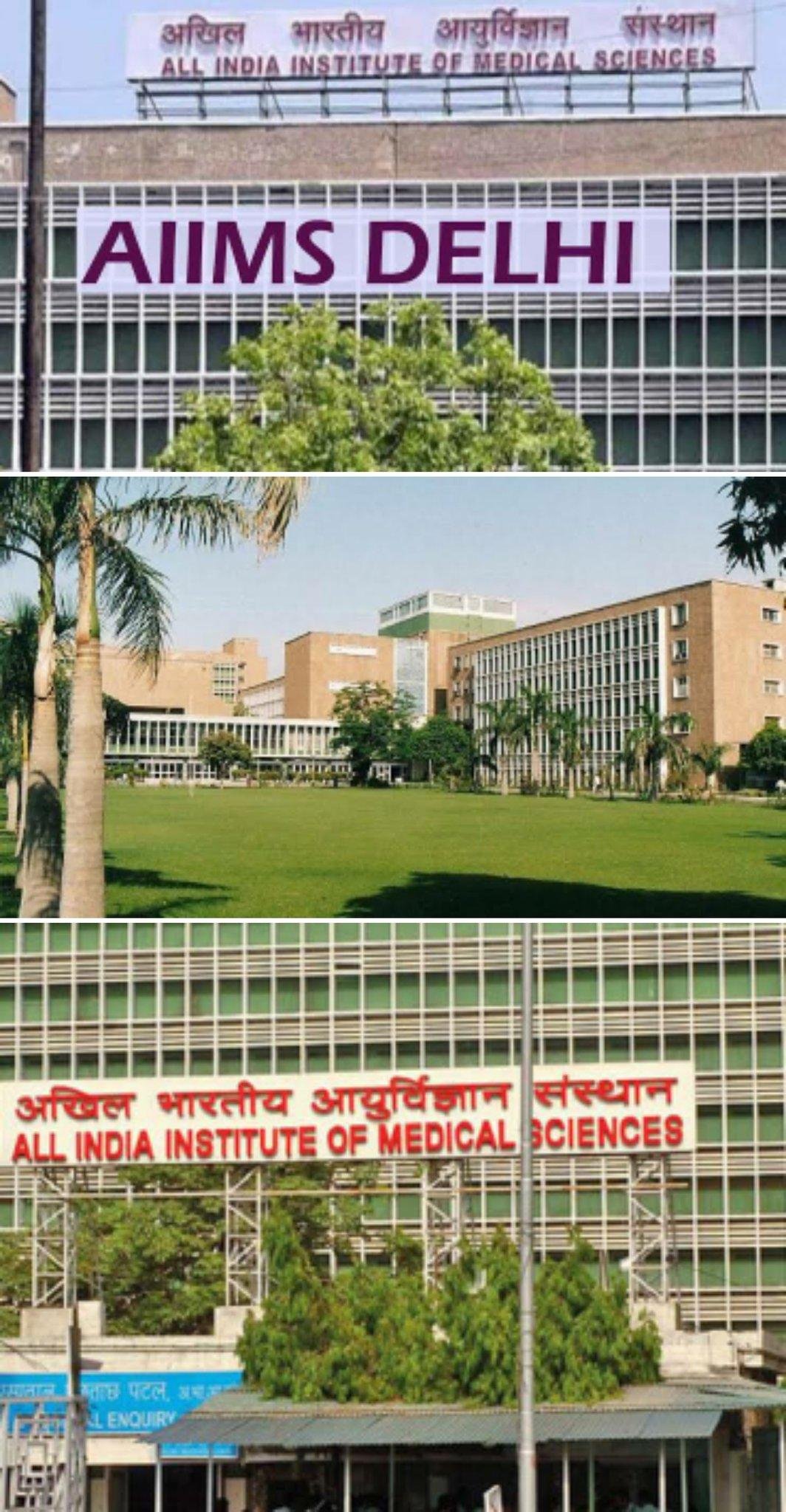
Pros of AIIMS Education: Students benefit from an incredibly high patient load, which provides unmatched clinical exposure. The tuition fees are nominal, often costing less than ₹10,000 for the entire course, including hostel charges.
Limitations: The high-pressure environment and the sheer volume of patients can be overwhelming. Additionally, the lack of a traditional "campus life" found in general universities is a trade-off for the rigorous clinical focus.
Beyond MBBS: Exploring Specialized Nursing, Paramedical, and Research Programs
While the MBBS program gets the most attention, AIIMS is a massive engine for other vital healthcare roles. The nursing and paramedical wings are essential to the ecosystem.
- Nursing: AIIMS conducts its own entrance exams for B.Sc. (Hons.) Nursing and M.Sc. Nursing. The Nursing Officer Recruitment Common Eligibility Test (NORCET) is the gateway for professionals seeking employment within the AIIMS network.
- Paramedical Courses: Programs in Medical Technology, Radiography, and Optometry allow students to specialize in the technical side of medicine.
- Research: The Ph.D. programs at AIIMS are highly regarded, focusing on indigenous medical research and public health solutions tailored to the Indian population.
Accessing World-Class Treatment: A Step-by-Step Guide to AIIMS OPD and Inpatient Services
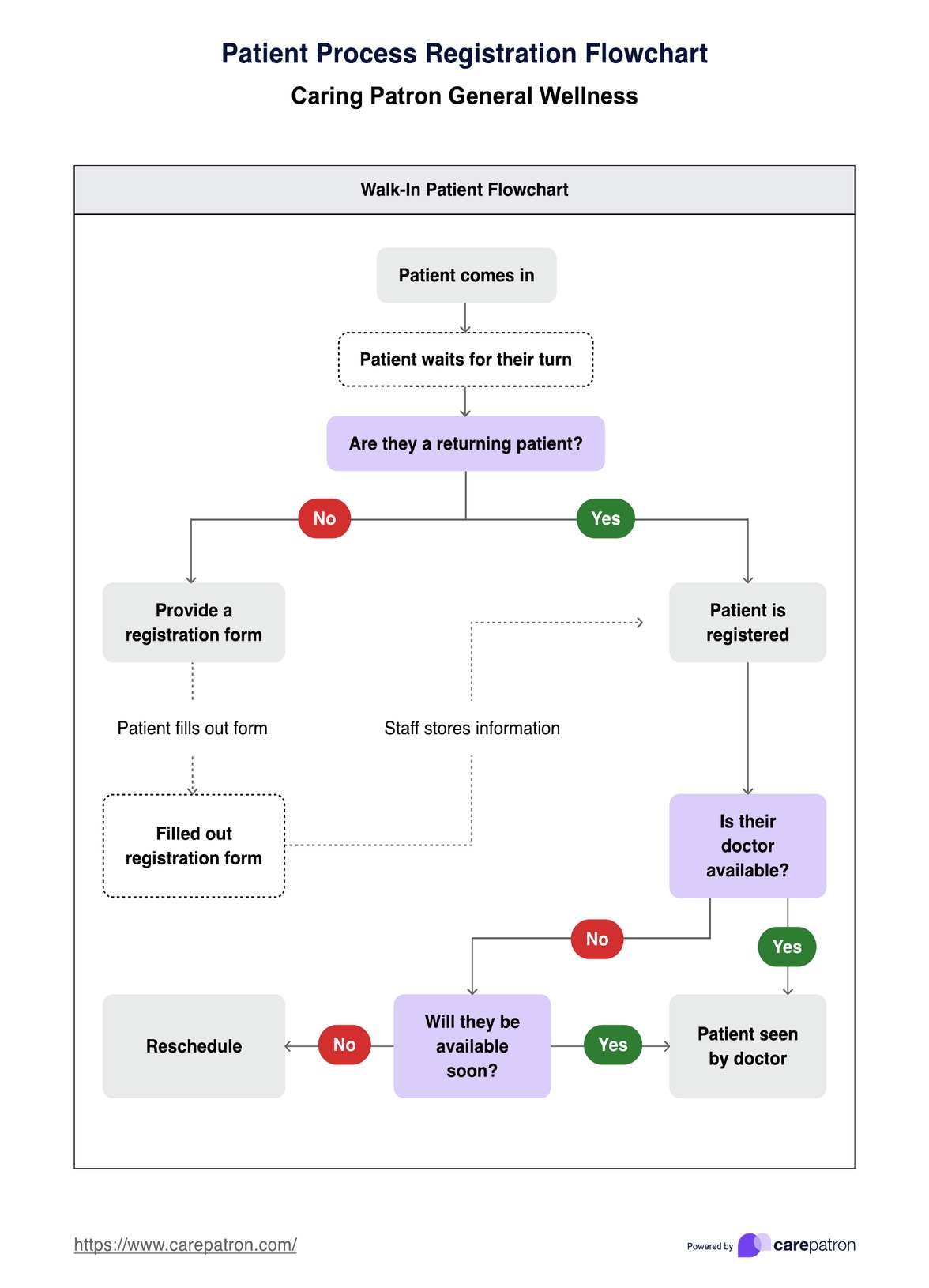
For a patient, entering AIIMS can be daunting due to the massive crowds. However, the process is highly structured. Most AIIMS facilities operate on a referral-based system for specialized clinics, though general OPDs are open to all.
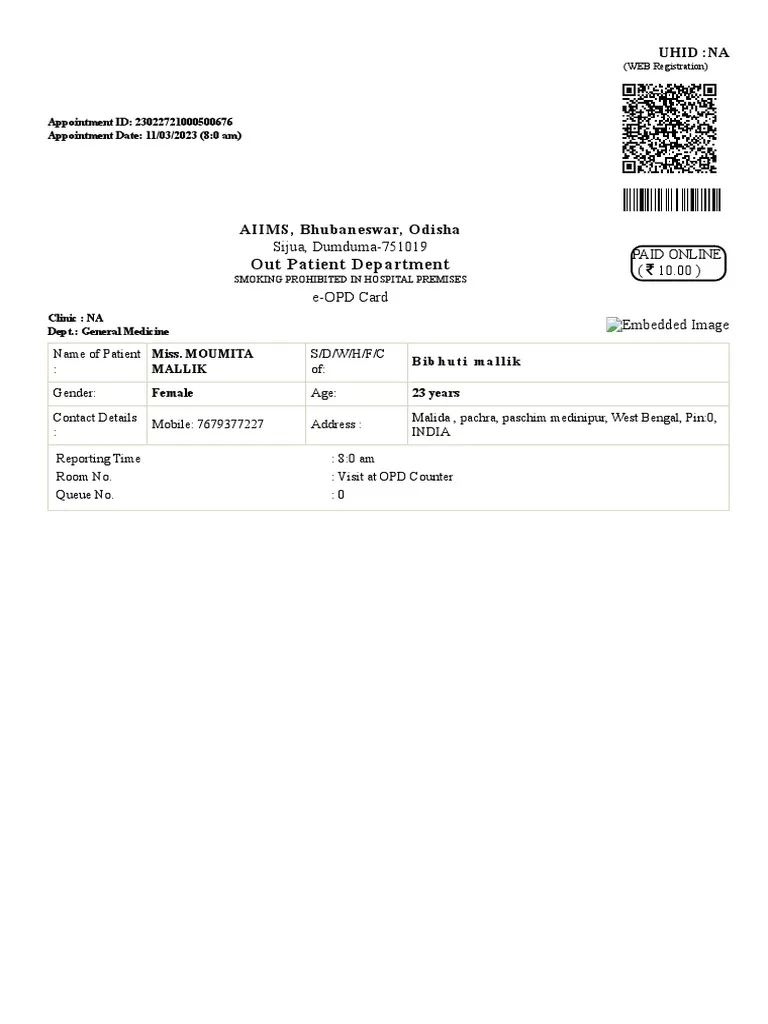
- Registration: You must register either online or at the hospital counters to get a Unique Health Identification (UHID) number.
- Screening: In many departments, patients go through a preliminary screening where junior residents assess the severity of the condition.
- Consultation: Once screened, patients are directed to the respective specialty clinics (Cardiology, Neurology, Oncology, etc.).
- Inpatient Care: If surgery or long-term monitoring is required, patients are admitted to the wards. AIIMS offers general wards (free/low cost) and private wards (paid) based on availability.
Leveraging Digital Health: Navigating the Online Registration System (ORS) and Telemedicine Portals
To reduce the long queues at the physical counters, the government introduced the ORS Patient Portal (ors.gov.in). This is the most efficient way to book an appointment.
- How to Book: Users can log in using their Aadhaar number or mobile number, select the specific AIIMS center, choose the department, and pick an available date.
- Telemedicine: Post-pandemic, AIIMS has expanded its tele-consultation services. Existing patients can often follow up with their doctors via video calls, saving the time and cost of traveling from distant states.
- Digital Reports: Lab results and radiology reports are increasingly being uploaded to the patient portal, allowing for a paperless experience.
Essential Patient Resources: Understanding the Referral System and Emergency Care Protocols
The AIIMS Emergency or "Casualty" department is open 24/7. However, it is reserved for life-threatening conditions like trauma, heart attacks, or acute respiratory distress. For non-emergencies, using the emergency wing often leads to long wait times as doctors prioritize critical cases.
The Referral System: Because AIIMS is a tertiary care center, it is designed to handle cases that primary or secondary hospitals cannot. If you are traveling from another state, it is highly recommended to carry a formal referral letter from your local government hospital. This often helps in navigating the system faster and ensures that the specialists have a history of your previous treatments.
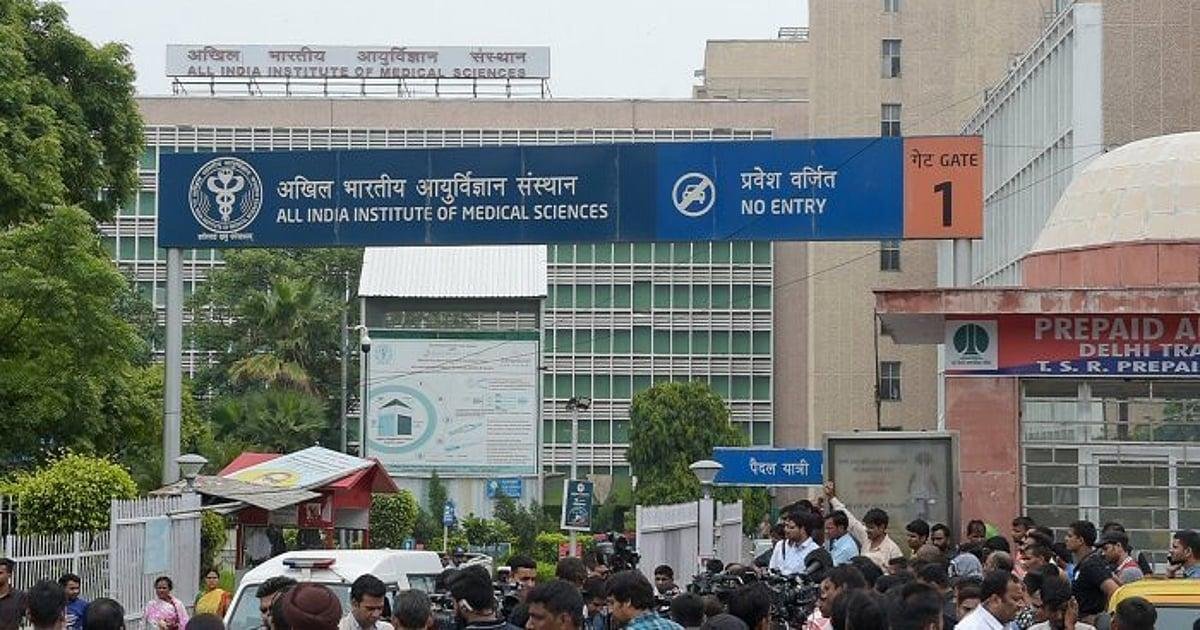
Practical Tips for Patients and Visitors
- Reach Early: If you have a physical OPD appointment, try to reach the hospital by 6:00 AM or 7:00 AM, even if the counters open later.
- Carry Documents: Always keep a folder with your Aadhaar card, previous prescriptions, and lab reports.
- Dharamshalas: For outstation patients, AIIMS often provides or associates with nearby 'Dharamshalas' (guest houses) for low-cost stays during long-term treatment.
Frequently Asked Questions Regarding AIIMS Admissions and Hospital Facilities
1. Can I get admission to AIIMS without NEET?
No, for the MBBS program, NEET-UG is mandatory. However, for Nursing and Paramedical courses, AIIMS conducts its own separate entrance examinations.
2. How do I check the NORCET result?
The NORCET (Nursing Officer Recruitment Common Eligibility Test) results are typically published on the official AIIMS Exams website (aiimsexams.ac.in). Candidates need to log in with their Candidate ID and password to view their rank and scorecard.
3. Is treatment at AIIMS completely free?
Consultations and many basic tests are free or cost a nominal registration fee (usually ₹10). However, specialized surgeries, implants, and certain high-end medicines may involve costs, though they are significantly subsidized compared to private hospitals.
4. How far in advance should I book an online appointment?
Due to high demand, slots for popular departments like Cardiology or Neurology often fill up weeks in advance. It is best to check the ORS portal at the start of the month.
5. Does AIIMS provide emergency ambulance services?
AIIMS has its own ambulance fleet for inter-hospital transfers, but for bringing a patient to the hospital, it is usually recommended to use the centralized 102 or 108 ambulance services.
Important Note: Medical Disclaimer: This information is not intended to be a substitute for professional medical advice, diagnosis, or treatment. Always seek the advice of your physician or other qualified health provider.
Conclusion
The AIIMS network remains the gold standard for both medical aspirants and patients in India. While the admission process demands academic excellence and the patient care system requires patience due to the high volume of visitors, the quality of outcome remains unparalleled. By utilizing digital tools like the ORS portal and staying informed about entrance cycles like NEET and INI-CET, individuals can successfully navigate this complex but rewarding ecosystem. Whether you are a student aiming for a white coat or a family seeking medical hope, AIIMS stands as a pillar of accessible excellence.





Comments 0
Leave a Reply
Your email address will not be published. Required fields are marked *
Be the first to share your thoughts!