
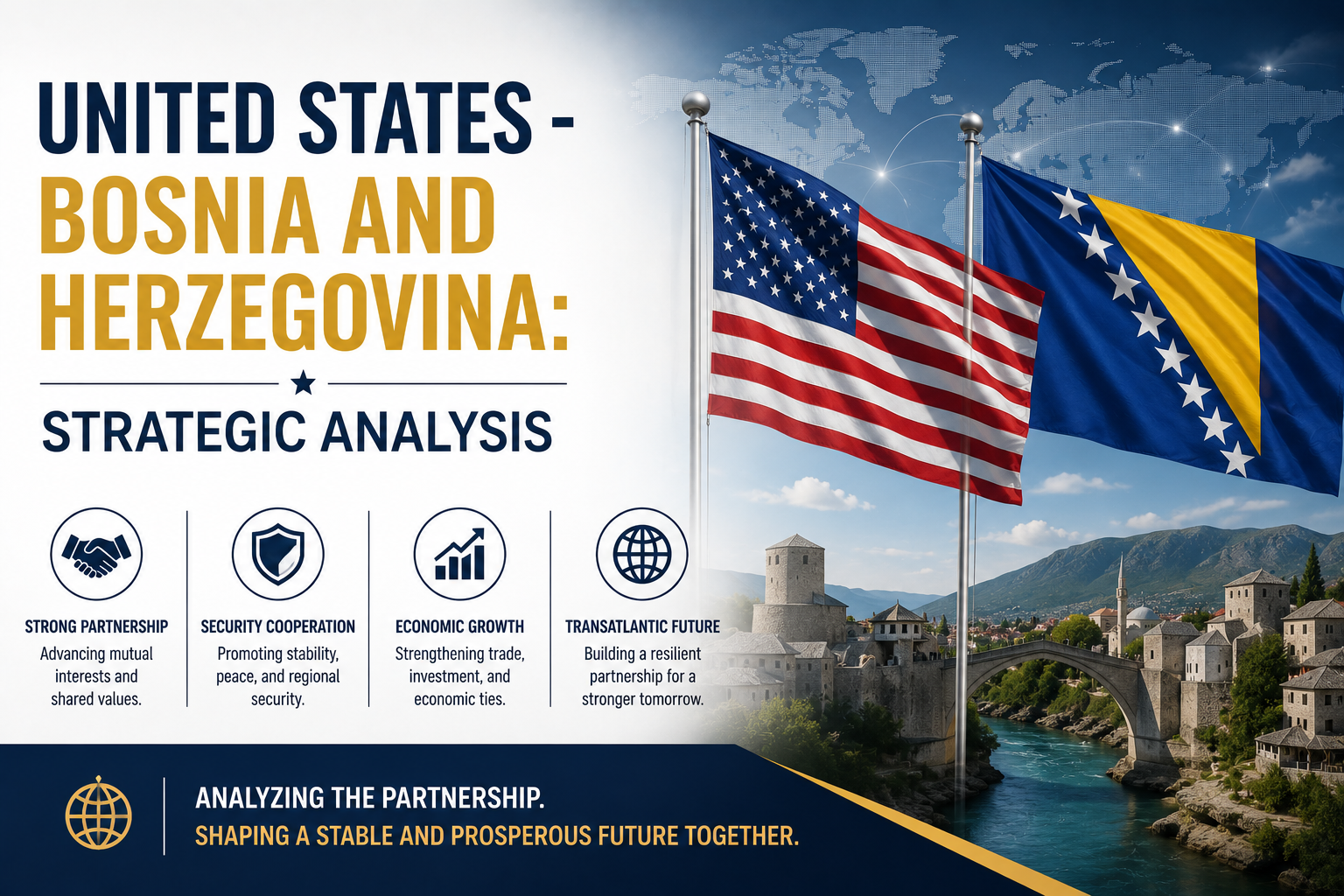
💡 United States - Bosnia and Herzegovina: Strategic Analysis
An in-depth analysis of the diplomatic, security, and economic relations between the United States and Bosnia and Herzegovina, focusing on regional stability and Euro-Atlantic integration.
Executive Summary
The relationship between the United States and Bosnia and Herzegovina remains a cornerstone of Western Balkan stability. Since the signing of the Dayton Peace Agreement in 1995, the United States has transitioned from a military peacekeeper to a strategic partner focused on institutional reform, anti-corruption, and Euro-Atlantic integration. Key data highlights include over 2 billion dollars in total U.S. assistance provided since the mid-1990s and a consistent military partnership through the State Partnership Program. This analysis explores the current geopolitical friction points, including secessionist rhetoric in the Republika Srpska and the strategic importance of countering malign foreign influence in the region.
Introduction
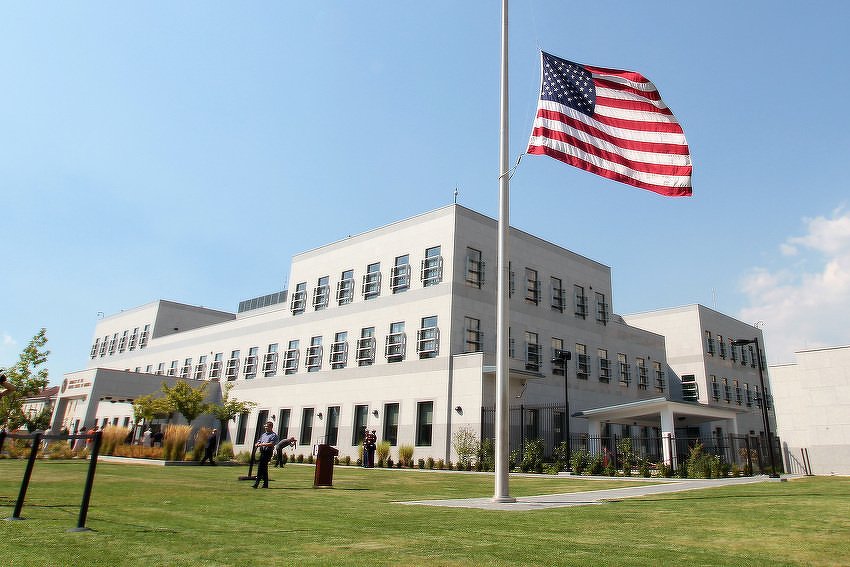
The diplomatic ties between Washington and Sarajevo are defined by a shared commitment to the sovereignty and territorial integrity of Bosnia and Herzegovina. Following the devastating conflict of the 1990s, the United States emerged as the primary architect of the peace framework that continues to govern the nation today. While the initial focus was on reconstruction and the return of refugees, the modern agenda has shifted toward strengthening the rule of law and preparing the country for eventual membership in the European Union and NATO. Understanding this relationship requires a look at how U.S. foreign policy intersects with local ethnic tensions and broader European security concerns, much like the diplomatic nuances explored in our Germany Paraguay: Strategic Analysis of Transatlantic Relations.
The Deep Dive: Security and Defense Cooperation
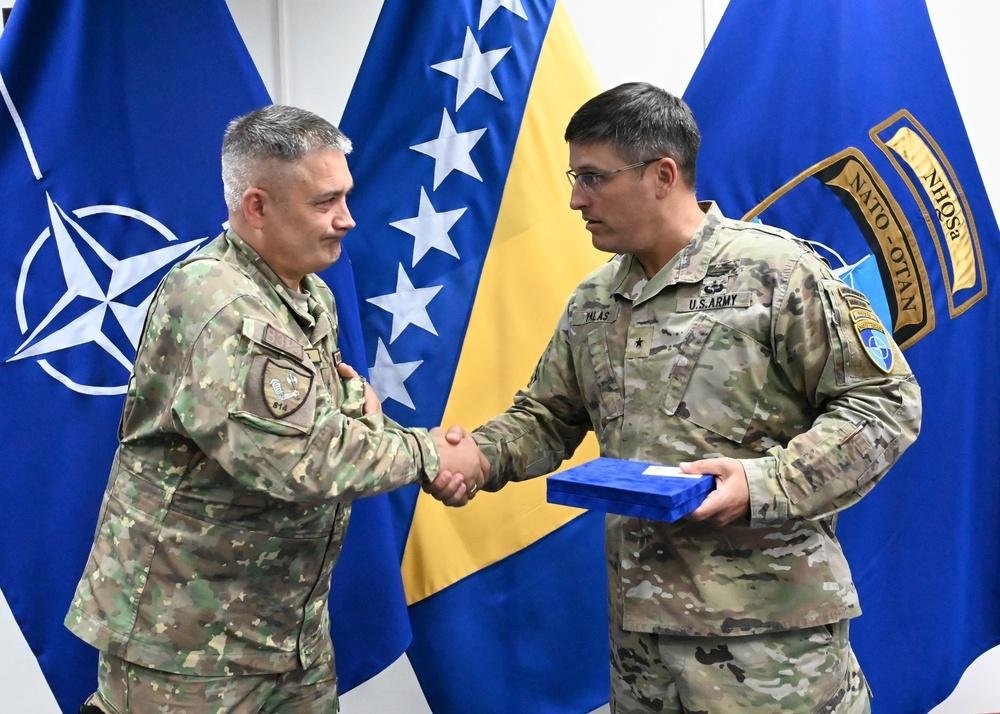
Security cooperation is the strongest pillar of the bilateral relationship. The United States remains the most significant contributor to the modernization of the Armed Forces of Bosnia and Herzegovina (AFBiH). Through the Department of Defense, the U.S. provides training, equipment, and strategic guidance to ensure the AFBiH remains a multi-ethnic, professional force capable of participating in international peacekeeping missions.
A critical component of this cooperation is the State Partnership Program with the Maryland National Guard, which has been active for over 20 years. This program facilitates hundreds of annual engagements, ranging from disaster response drills to high-level military leadership exchanges. Furthermore, the U.S. provides substantial Foreign Military Financing (FMF) to upgrade the country's defensive capabilities, particularly in the realms of rotary-wing aviation and cybersecurity. This proactive stance on regional defense parallels the strategic monitoring seen in other global hotspots, such as the US Iran Strikes: Strategic Analysis of Regional Conflict.
Economic Development and USAID Initiatives
Economic growth in Bosnia and Herzegovina is heavily supported by the United States Agency for International Development (USAID). Current programs focus on three primary areas: private sector growth, energy security, and anti-corruption. According to the 2023 Investment Climate Statement from the U.S. State Department, the country faces significant hurdles due to a fragmented regulatory environment and high levels of perceived corruption. To combat this, USAID has invested heavily in the Tourism Investment and Promotion project and the E-Governance Activity, which aims to digitize public services to reduce opportunities for bribery.
Trade between the two nations, while relatively modest compared to EU-Bosnia trade, shows potential in the services and technology sectors. U.S. firms are increasingly interested in the energy sector, particularly as Bosnia and Herzegovina seeks to diversify its energy sources away from Russian gas. The Southern Interconnection gas pipeline project, supported by the U.S., is a strategic priority intended to link the country to the Croatian gas grid, thereby enhancing energy independence.
Political Challenges and Sanctions
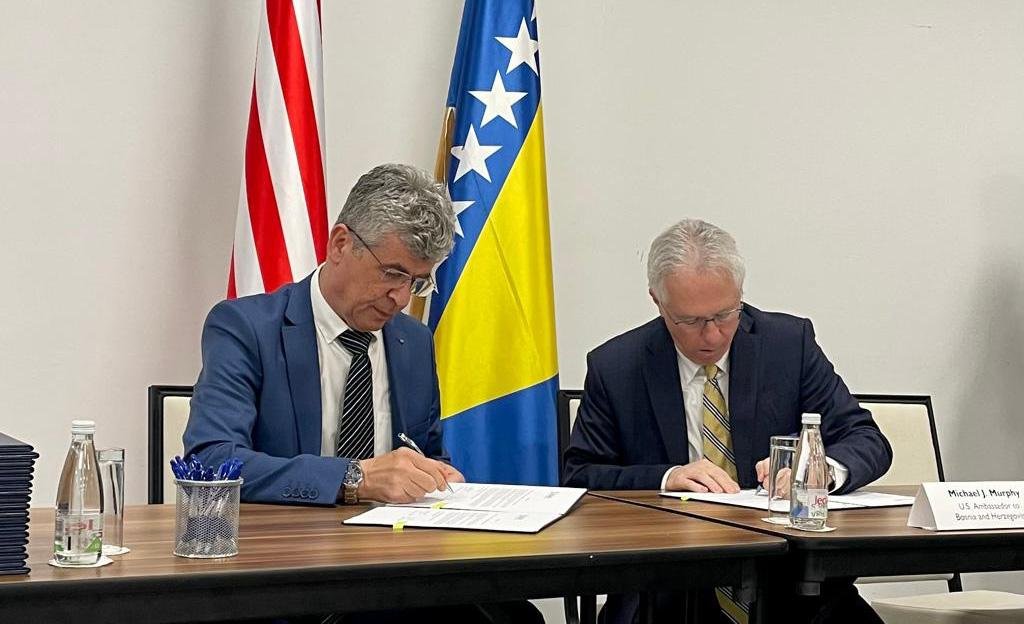
The political landscape is currently characterized by a struggle between centralizing state-level institutions and the decentralizing efforts of certain regional leaders. The U.S. Treasury Department has frequently utilized Executive Order 14033 to impose sanctions on individuals perceived as undermining the Dayton Peace Agreement or engaging in corrupt activities. This includes high-profile designations against leadership in the Republika Srpska (RS) who have advocated for the transfer of state-level competencies back to the entity level.
The U.S. position is clear: any attempt at secession or the weakening of state institutions will be met with diplomatic and economic consequences. This firm stance is supported by the Office of the High Representative (OHR), an international body that the U.S. strongly defends against challenges to its legitimacy. The goal is to ensure that Bosnia and Herzegovina remains a single, sovereign state with two entities and one district, as mandated by international law.
What This Means For You
For international observers and business stakeholders, the U.S. involvement in Bosnia and Herzegovina provides a layer of predictability in an otherwise complex political environment. Here is a breakdown of the practical implications:
- Investment Security: U.S. support for legal reforms and anti-corruption measures is slowly improving the ease of doing business, though patience is required for long-term projects.
- Regional Stability: The continued presence of U.S. military advisors and support for EUFOR Althea ensures that the risk of renewed large-scale conflict remains low.
- Energy Markets: Future opportunities in the energy sector will likely be tied to U.S.-backed infrastructure projects aimed at regional integration.
- Compliance: Organizations operating in the region must stay informed about U.S. sanctions lists to avoid legal complications with entities or individuals designated for undermining peace.
Expert Verdict and Future Outlook
The future of U.S.-Bosnia relations will be dictated by the speed of internal reforms and the ability of the Bosnian government to meet NATO and EU requirements. Expert consensus suggests that while the U.S. will remain the primary security guarantor, the European Union must take the lead on economic integration. The primary risk factor remains the influence of external actors, particularly Russia and China, who often support nationalist agendas to stall Western integration. In the coming decade, we expect to see a surge in U.S. technical assistance for digital transformation and green energy, provided the political climate remains stable enough to support such investments.
FAQ
What is the role of the Dayton Peace Agreement today?
The Dayton Peace Agreement serves as the foundational constitution of Bosnia and Herzegovina. The United States continues to view it as the essential framework for maintaining peace, though it acknowledges that the system requires updates to meet modern democratic standards and human rights requirements set by the European Court of Human Rights.
Why does the U.S. impose sanctions on Bosnian politicians?
Sanctions are used as a tool of foreign policy to discourage actions that threaten the stability of the Western Balkans. This includes secessionist rhetoric, obstruction of the Dayton Agreement, and systemic corruption that drains public resources and hinders economic growth.
Is Bosnia and Herzegovina joining NATO?
Bosnia and Herzegovina is currently a participant in the Membership Action Plan (MAP). While the U.S. strongly supports its accession, the process requires a consensus within the country, which is currently hindered by opposition from leadership in the Republika Srpska.
How much aid does the U.S. provide annually?
U.S. assistance fluctuates but generally totals between 30 million and 50 million dollars annually across various programs, including USAID initiatives, military training, and law enforcement support.
What are the primary U.S. economic interests in the country?
U.S. interests focus on energy infrastructure, telecommunications, and the development of a transparent legal system that allows for fair competition and foreign direct investment.
Conclusion
The strategic partnership between the United States and Bosnia and Herzegovina is vital for the continued peace and progress of the Western Balkans. Through a combination of security cooperation, economic aid, and firm diplomatic pressure against destabilizing forces, the U.S. ensures that the nation remains on a path toward Euro-Atlantic integration. While significant challenges remain regarding corruption and ethnic division, the enduring commitment of Washington provides a necessary check against regional instability.




Comments 0
Leave a Reply
Your email address will not be published. Required fields are marked *
Be the first to share your thoughts!