
💡 Weather Dynamics: Strategic Analysis of Global Meteorological Trends
An authoritative analysis of global weather patterns, the economic impact of climate volatility, and the technological advancements in meteorological forecasting.
Executive Summary
Global weather patterns are undergoing a period of unprecedented volatility, driven by both natural cycles and anthropogenic climate change. According to the World Meteorological Organization (WMO), extreme weather events have increased fivefold over the past 50 years, resulting in economic losses exceeding 3.6 trillion dollars globally. This strategic analysis examines the current state of meteorology, the rising accuracy of predictive modeling through artificial intelligence, and the critical intersection of atmospheric science and global economic stability. Key findings include a 1.1 degree Celsius rise in average global temperatures since 1850 and the increasing reliance on satellite-based data for disaster mitigation.
Introduction
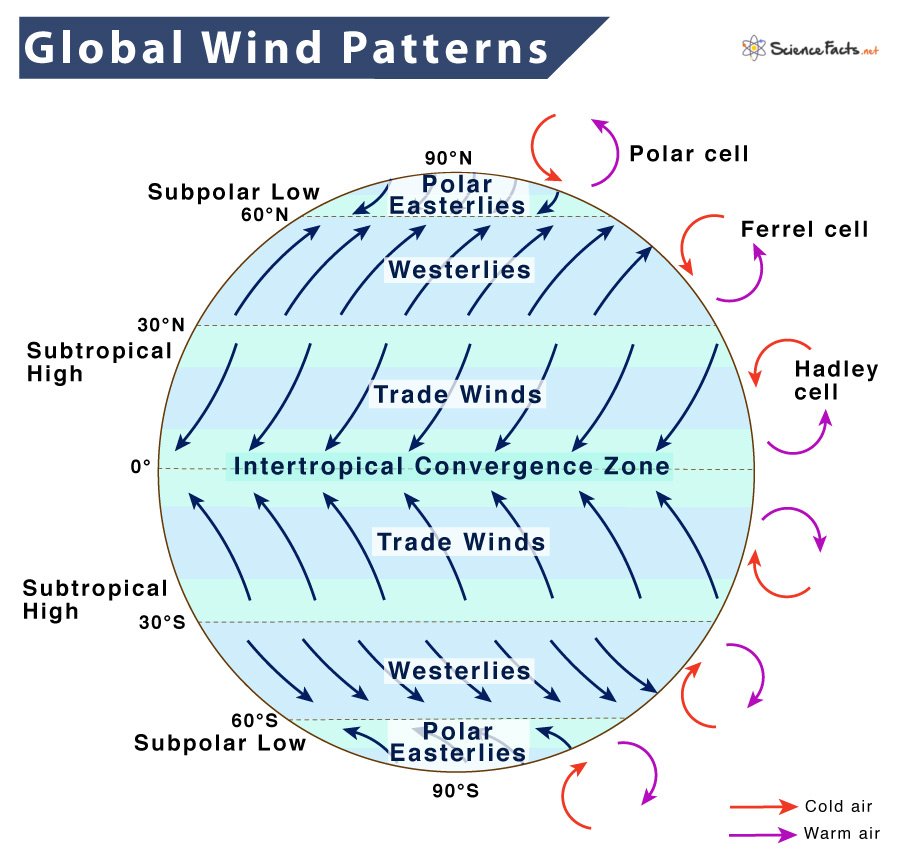
Weather is the fundamental driver of human activity, influencing everything from agricultural yields to the stability of energy grids. While often discussed in the context of daily convenience, the strategic implications of meteorological shifts are profound. The ability to predict and adapt to these changes is no longer a luxury but a necessity for national security and corporate resilience. As we observe more frequent and intense phenomena, understanding the underlying physics and the data-driven future of forecasting becomes essential for stakeholders across all sectors.
The Deep Dive: Atmospheric Physics and Data-Driven Forecasting
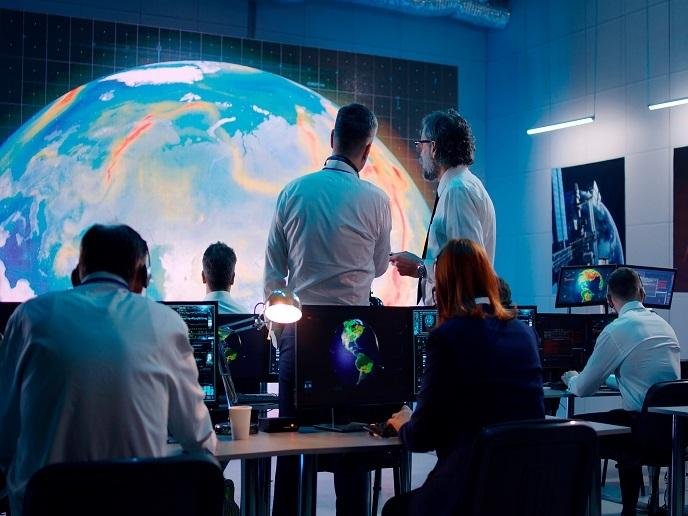
The science of meteorology has transitioned from observational recording to complex numerical weather prediction (NWP). Modern forecasting relies on the integration of massive datasets from ground stations, weather balloons, and advanced satellite constellations. The National Oceanic and Atmospheric Administration (NOAA) processes over 20 terabytes of data daily to generate global models. This data density is critical for managing events like the Central Kentucky Floods: Strategic Disaster Analysis, where localized precipitation data proved vital for emergency response.
The Economic Impact of Weather Volatility
Weather sensitivity affects approximately 30 percent of the global Gross Domestic Product (GDP). Agriculture, insurance, and energy are the most exposed sectors. For instance, the energy sector must balance load demands based on temperature fluctuations, while the insurance industry has seen a sharp rise in claims related to secondary perils such as convective storms and wildfires. The reliability of digital infrastructure during these events is also a major concern. Businesses must evaluate their service continuity, much like the assessments found in the Strategic Analysis of Platform Reliability, to ensure that weather-induced outages do not lead to significant revenue loss.
Technological Advancements in Meteorology
The integration of Artificial Intelligence (AI) and Machine Learning (ML) is the current frontier in weather science. Traditional NWP models are computationally expensive and time-consuming. AI-driven models, however, can provide rapid updates and identify patterns that human analysts might overlook. These technologies are also enhancing communication protocols. Organizations use sophisticated enterprise tools to disseminate alerts, a practice highlighted in the Microsoft Outlook: Strategic Analysis of enterprise communication dominance. By leveraging AI, forecasters can now provide 7-day outlooks with the same accuracy that 3-day outlooks had two decades ago.
Urban Heat Islands and Infrastructure Resilience
As urbanization accelerates, the phenomenon known as the Urban Heat Island (UHI) effect has become a critical area of study. Cities can be 1 to 7 degrees Fahrenheit warmer than surrounding rural areas due to asphalt and concrete absorbing heat. This necessitates a strategic shift in urban planning, focusing on green roofs and reflective materials to mitigate energy demand and public health risks. Infrastructure resilience is being tested by these temperature extremes, requiring engineers to redefine the structural limits of bridges, roads, and power lines.
What This Means For You
- Individual Preparedness: Understanding local weather risks and maintaining a 72-hour emergency kit is now a standard requirement for household safety.
- Business Continuity: Companies must integrate weather-risk assessments into their supply chain management to avoid disruptions caused by extreme events.
- Investment Strategy: Investors are increasingly looking at ESG (Environmental, Social, and Governance) metrics, where weather resilience plays a significant role in long-term asset valuation.
- Insurance Adjustments: Expect a shift in insurance premiums as providers recalculate risks based on more frequent and severe weather patterns.
Expert Verdict / Future Outlook
The future of meteorology lies in hyper-local forecasting. Within the next decade, we expect to see street-level weather predictions powered by dense IoT (Internet of Things) sensor networks. While the challenges posed by a changing climate are significant, the tools available to monitor and predict these changes are more powerful than ever. The focus will shift from simple prediction to proactive adaptation, where data-driven insights allow for the hardening of infrastructure and the optimization of resource allocation before a weather event occurs.
FAQ
- How accurate are 10-day weather forecasts? Currently, 10-day forecasts are accurate about 50 percent of the time. However, 5-day forecasts are accurate approximately 90 percent of the time, representing a significant technological leap over the last 20 years.
- What is the primary cause of increasing extreme weather? While natural cycles like El Niño play a role, the consensus among 97 percent of climate scientists is that the increase in greenhouse gas emissions is the primary driver of intensified weather patterns.
- How does weather affect the global supply chain? Weather causes over 100 billion dollars in annual losses to the global supply chain through port closures, crop failures, and transportation delays.
- Can AI replace human meteorologists? AI is a powerful tool for data processing, but the "human in the loop" remains essential for interpreting complex scenarios and communicating nuanced risks to the public.
- What is the most dangerous type of weather event? Statistically, heatwaves are the deadliest weather-related events globally, often exceeding the mortality rates of floods, hurricanes, and tornadoes combined.
Conclusion
Weather is a complex, high-stakes variable that demands a strategic approach. By integrating advanced data analytics and fostering infrastructure resilience, society can mitigate the risks of an increasingly volatile atmosphere. The strategic takeaway is clear: data-driven adaptation is the only path to stability in a changing climate.





Comments 0
Leave a Reply
Your email address will not be published. Required fields are marked *
Be the first to share your thoughts!