💡 The Evolution of the Men in Blue: A Comprehensive Guide to the Indian National Cricket Team
Explore the journey of the Indian National Cricket Team, from its 1932 debut to becoming a global powerhouse driven by the BCCI, the IPL, and legendary leadership.
The Indian National Cricket Team, affectionately known as the "Men in Blue," is the premier representative body for international cricket in India, governed by the Board of Control for Cricket in India (BCCI). More than just a sports team, it is a cultural cornerstone that unites over 1.4 billion people, representing the pinnacle of athletic achievement and national pride across Test, One Day International (ODI), and T20 formats. From its humble beginnings as an underdog in the early 20th century to its current status as the financial and competitive engine of global cricket, the team’s evolution is a story of resilience, transformation, and ultimate dominance.
Cricket as a Cultural Phenomenon in India
In India, cricket transcends the boundaries of a typical sport. It is often described as a secular religion that bridges gaps between diverse languages, religions, and socio-economic backgrounds. When the national team plays, the country slows down. This deep-seated passion is fueled by a history of iconic moments that have shaped the Indian identity. The emotional investment of the fans has turned cricketers into national icons, making the Indian team one of the most followed and scrutinized sports entities in the world.
Historical Foundations: From the 1932 Lord’s Debut to the 1983 Revolution
India’s journey on the international stage began on June 25, 1932, at Lord’s, where they played their first-ever Test match against England. For several decades, India was primarily seen as a team that struggled overseas but was formidable on spinning tracks at home. However, everything changed in 1983.

The 1983 World Cup victory in England was the catalyst for a revolution. Led by Kapil Dev, a team of underdogs defeated the mighty West Indies in the final. This win shifted the focus of the Indian public from field hockey to cricket and proved that India could compete with—and beat—the best in the world. It laid the groundwork for the commercial and professional explosion that followed.
The BCCI Influence: Understanding the Governance and Financial Powerhouse
The Board of Control for Cricket in India (BCCI) is the wealthiest and most influential cricket board globally. Its rise to power began in the late 1980s and 90s when it realized the massive commercial potential of India’s television audience. By securing lucrative broadcasting rights and corporate sponsorships, the BCCI moved the financial center of gravity of the sport from London to Mumbai.
Today, the BCCI’s influence ensures that India plays a central role in scheduling, international policy, and the growth of the game. This financial strength allows for world-class infrastructure, high-performance centers, and a domestic structure that is the envy of other nations.
Defining Eras of Leadership: Kapil Dev, Sourav Ganguly, and MS Dhoni
The identity of the Indian team has been shaped by its captains. Each era brought a new philosophy to the dressing room:
- Kapil Dev: He instilled the belief that India could win on the world stage, leading by example with his all-round brilliance.
- Sourav Ganguly: Often credited with changing the team's DNA, Ganguly introduced a brand of fearless, aggressive cricket. He focused on winning overseas and backed young talents who would become future legends.
- MS Dhoni: Known as "Captain Cool," Dhoni’s era was defined by tactical genius and a trophy-laden cabinet. Under his leadership, India reached the number one ranking in Tests and won every major ICC trophy.
Major ICC Triumphs: A Chronological Journey
India’s trophy cabinet reflects its status as a powerhouse. Following the 1983 breakthrough, the team saw a long drought in ICC events until the mid-2000s. The 2007 T20 World Cup win with a young squad sparked the T20 revolution in India. This was followed by the historic 2011 ODI World Cup victory on home soil, where MS Dhoni’s winning six at Wankhede became an indelible image for generations.

More recently, the 2024 T20 World Cup victory cemented India's dominance in the shortest format, proving the team's ability to adapt to the modern game's high-intensity demands.
The Modern Era: From Kohli’s Aggression to Rohit’s Strategic Calm
The transition from Virat Kohli to Rohit Sharma marked a shift in leadership styles but not in ambition. Virat Kohli’s tenure was defined by an obsession with fitness and a relentless focus on fast bowling, which made India the most dominant away team in Test cricket. His intensity set new standards for professionalism.
Rohit Sharma brought a more composed, strategically flexible approach. Under his guidance, the team has focused on a "selfless" brand of cricket, emphasizing high strike rates and tactical adaptability. This era has seen India maintain a consistent presence at the top of the rankings across all three formats.
The IPL Catalyst: Transforming India’s Bench Strength
The Indian Premier League (IPL) has been the single biggest factor in India’s modern-day success. By bringing international standards to the domestic level, the IPL has bridged the gap between first-class cricket and international matches. It has created a "bench strength" so deep that India can now field two or three world-class international teams simultaneously—a feat recently demonstrated by the ability to manage 35 to 40 high-quality players across different tours.
Iconic Rivalries and Fortress Grounds
India’s cricketing identity is also defined by its rivalries. While the India-Pakistan matches are the most intense, the Border-Gavaskar Trophy against Australia has emerged as the premier Test rivalry of the 21st century. Winning in Australia back-to-back (2018-19 and 2020-21) remains one of the team's greatest achievements.
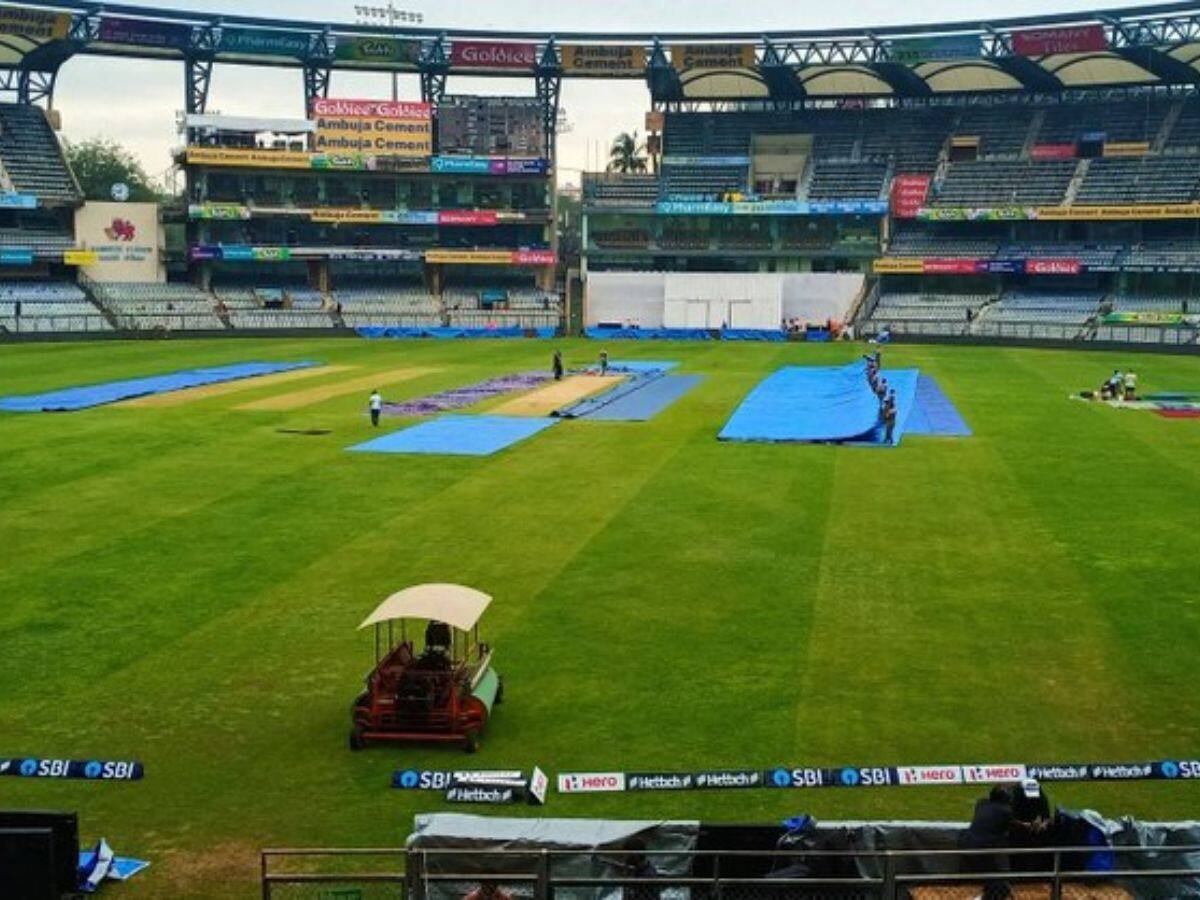
Grounds like the Wankhede Stadium in Mumbai, Eden Gardens in Kolkata, and the Narendra Modi Stadium in Ahmedabad serve as fortresses where the atmosphere is electric, often intimidating visiting teams with a "sea of blue."
The Future of Indian Cricket: Emerging Talents
The roadmap for the future looks bright with the emergence of talents like Shubman Gill, Yashasvi Jaiswal, and Rishabh Pant. The focus is now on transitioning the squad while maintaining dominance. With the integration of data analytics and sports science, the Indian team is evolving to ensure that the production line of talent never stops, aiming for a permanent spot at the pinnacle of global cricket.
Frequently Asked Questions
1. Who is the most successful captain of the Indian cricket team?
In terms of ICC trophies, MS Dhoni is the most successful, having won the 2007 T20 World Cup, the 2011 ODI World Cup, and the 2013 Champions Trophy. In terms of Test wins, Virat Kohli holds the record for the most victories as captain.
2. How are players selected for the Indian National Team?
Selection is based on performance in domestic tournaments (like the Ranji Trophy, Vijay Hazare Trophy, and Syed Mushtaq Ali Trophy) and the IPL. The national selection committee, appointed by the BCCI, monitors these performances alongside fitness levels tested via the Yo-Yo test.
3. What is the significance of the 'Men in Blue' nickname?
The nickname comes from the blue color of the team's limited-overs uniform. While the shade of blue has changed over the years (from light sky blue to dark navy), the color has become synonymous with Indian cricket identity.
4. Why is the BCCI so powerful in world cricket?
The BCCI's power stems from the massive Indian market. India contributes the largest share of global cricket revenue through media rights and sponsorships, giving the BCCI significant leverage in the International Cricket Council (ICC).
Conclusion
The Indian National Cricket Team has evolved from a colonial pastime into a global superpower that dictates the pulse of the sport. Through the visionary leadership of various captains, the financial stewardship of the BCCI, and the game-changing impact of the IPL, the Men in Blue have created a legacy of excellence. As the team transitions into a new era with a deep pool of talent, its status as a dominant force in world cricket remains undisputed, continuing to inspire millions with every boundary and wicket.




Comments 0
Leave a Reply
Your email address will not be published. Required fields are marked *
Be the first to share your thoughts!