
💡 Gujarat Titans vs Mumbai Indians: Analyzing the Tactical Rivalry and Head-to-Head Dominance in the IPL
An in-depth analysis of the Gujarat Titans vs Mumbai Indians rivalry, focusing on tactical shifts, the Hardik Pandya factor, and head-to-head statistical dominance.
The rivalry between the Gujarat Titans (GT) and the Mumbai Indians (MI) represents a unique intersection of IPL history, where the league’s most successful legacy franchise meets its most successful modern expansion team. While Mumbai Indians represent a culture of scouting superstars and high-octane power-hitting, Gujarat Titans have built their reputation on clinical execution, late-game composure, and a bowling-first philosophy. This matchup is defined by a remarkably balanced head-to-head record and a tactical chess match that often centers on which team can better manage the high-pressure moments of the death overs.
The Clash of the New Guard and the Five-Time Champions
When Gujarat Titans entered the IPL in 2022, few expected them to immediately challenge the hierarchy established by Mumbai Indians. However, the two teams quickly became benchmarks for different styles of success. Mumbai Indians, with their five titles, operate on a philosophy of 'intent'—looking to dominate the powerplay and out-muscle opponents with a deep batting lineup. In contrast, Gujarat Titans focus on 'efficiency,' often winning games from losing positions through tactical discipline and a deep trust in their lower-order finishers.
This rivalry is not just about the points table; it is a battle for regional pride in Western India and a test of whether a structured, data-driven approach (GT) can consistently overcome a momentum-based, star-studded system (MI).
The Hardik Pandya Factor: How a Captaincy Shift Redefined the Dynamic
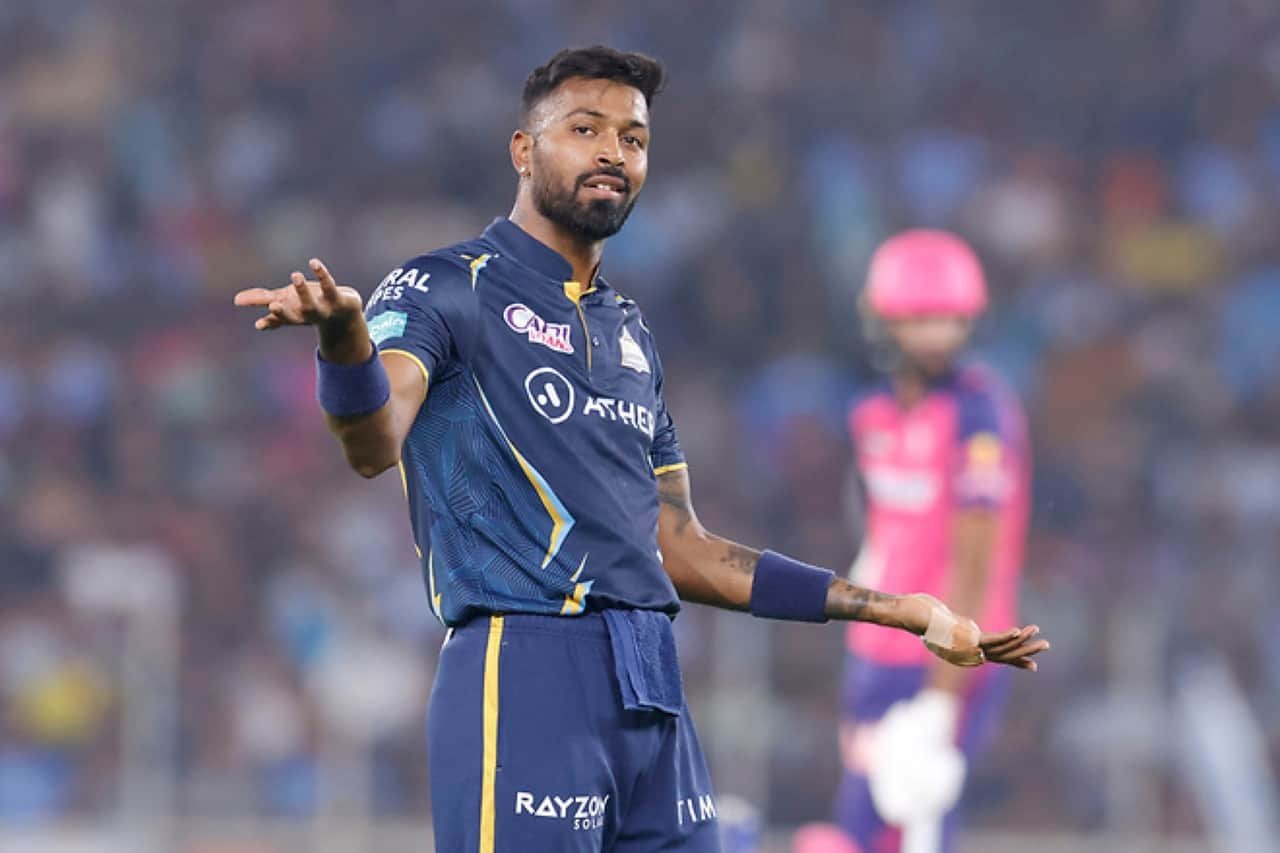
No single element has influenced the GT-MI narrative more than Hardik Pandya. After being a core part of Mumbai’s golden era, Pandya moved to Gujarat as their inaugural captain, leading them to a title and a final in consecutive years. His subsequent return to Mumbai Indians as captain created a seismic shift in the tactical and emotional landscape of both franchises.
For Gujarat, Pandya’s departure forced a transition to Shubman Gill’s leadership, emphasizing a younger, more fluid tactical setup. For Mumbai, integrating a former player as a leader after a long period of stability under Rohit Sharma introduced new internal dynamics. This 'captaincy trade' has made every encounter between these two teams a study in leadership styles—Pandya’s aggressive, instinctive captaincy versus the more composed, collaborative approach now seen at the Titans.
Statistical Breakdown: Analyzing Head-to-Head Records
Statistically, the rivalry is one of the most competitive in the league. Unlike matchups where one team historically dominates, GT and MI have traded blows almost equally. Key performance metrics highlight that while Mumbai often posts higher total scores, Gujarat tends to be more successful in defending totals or chasing in the final over.
- Win-Loss Ratio: The teams are nearly neck-and-neck, with the home-ground advantage often being the deciding factor.
- Average Totals: Mumbai Indians typically average 180+ against GT, while GT’s strength lies in keeping opponents under 170.
- Impact Players: Rashid Khan has historically been the biggest thorn in Mumbai’s side, maintaining an economy rate significantly lower than the league average against their middle-order power hitters.
Contrasting Philosophies: Clinical Consistency vs. Power-Hitting Legacy
The tactical divide between these two teams is fascinating. Mumbai Indians often build their squad around 'ceiling'—players who can win a game single-handedly, such as Suryakumar Yadav or Ishan Kishan. Their strategy is often to post a total so high that the opposition's tactical plan becomes irrelevant.
Gujarat Titans, however, play a game of 'floors.' They ensure that even if their top stars fail, the collective contribution of their bowling unit and versatile all-rounders keeps them in the hunt. GT’s reliance on specialized roles—such as designated finishers and middle-over enforcers—contrasts sharply with MI’s reliance on raw batting power and high-velocity pace bowling.
Marquee Player Matchups: The Individual Battles
Certain individual contests within this rivalry frequently dictate the match outcome. The most prominent is the battle between Shubman Gill and Jasprit Bumrah. Gill’s ability to navigate the powerplay against the world’s best speedster often sets the tone for the Titans' innings. Similarly, the contest between Rashid Khan and Mumbai’s right-handed heavy hitters is a tactical highlight; Mumbai often attempts to play Rashid out safely, whereas the Titans use him as an attacking weapon to induce errors.
Fortress Ahmedabad vs. The Wankhede Cauldron
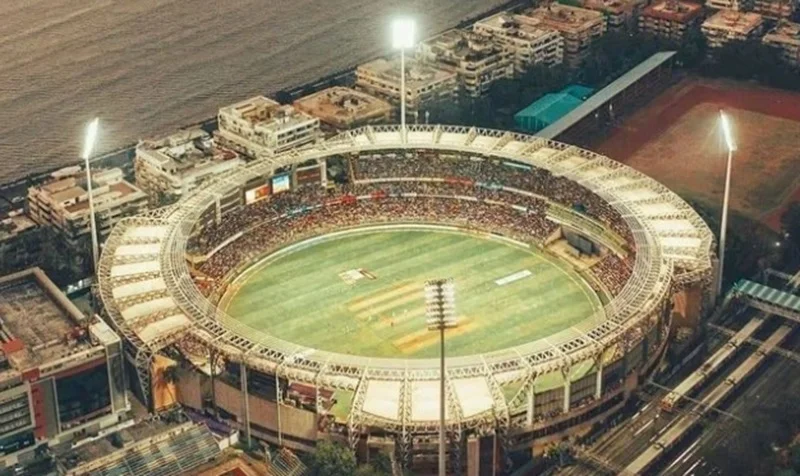
Venue dynamics play a massive role in how these teams prepare. The Narendra Modi Stadium in Ahmedabad, with its massive boundaries and varied soil types, rewards Gujarat’s disciplined bowling and tactical placement. It is a ground where 'finding the gaps' is more important than raw power.
Conversely, the Wankhede Stadium in Mumbai is a high-scoring 'cauldron' with short boundaries and a lightning-fast outfield. This environment favors Mumbai’s aggressive batting style. When GT travels to Mumbai, they are forced to adapt to a high-scoring game, whereas when MI travels to Ahmedabad, they often struggle with the larger dimensions and the slower nature of the pitch during the middle overs.
The Tactical Playbook: Death Overs and Powerplay Strategies
The final three overs of each innings are where this rivalry is won or lost. Gujarat Titans have mastered the art of 'defensive' death bowling—using wide yorkers and slower balls to frustrate hitters. Mumbai Indians traditionally prefer an 'offensive' death bowling approach, targeting the stumps and using high pace to rattle the tail-enders.
In the powerplay, Mumbai’s strategy is usually to maximize the first six overs regardless of wicket loss, while Gujarat takes a more measured approach, prioritizing wickets in hand to fuel their late-innings surges. This difference in pacing makes their matches a constant see-saw of momentum.
Frequently Asked Questions
Who has the highest individual score in a GT vs MI match?
Shubman Gill holds one of the highest scores in this rivalry, notably his century in the 2023 Qualifier 2, which remains one of the most dominant batting performances in IPL playoff history.
Which bowler has taken the most wickets in this rivalry?
Rashid Khan (GT) and Mohit Sharma (GT) have been the most prolific wicket-takers against Mumbai, often breaking partnerships in the middle and death overs.
What is the highest team total recorded in a GT vs MI game?
Totals in this rivalry frequently cross the 200-run mark, especially at venues like Wankhede or during high-stakes playoff matches in Ahmedabad.
How has the captaincy change affected the head-to-head dynamic?
The shift of Hardik Pandya to MI has introduced a layer of psychological complexity. While MI gained a versatile captain, GT’s transition to Shubman Gill has led to a more calculated, data-driven approach to their on-field tactics.
Conclusion
The Gujarat Titans vs Mumbai Indians rivalry is a testament to how the IPL has evolved. It is no longer just about who has the biggest stars, but who can better execute a tactical plan under pressure. While Mumbai Indians bring a legacy of dominance and explosive talent, Gujarat Titans have introduced a blueprint for consistency and clinical finishing. As both teams continue to evolve their squads and leadership, this matchup will remain the gold standard for tactical cricket in the T20 format, balancing the raw power of the old guard with the calculated precision of the new.


Comments 0
Leave a Reply
Your email address will not be published. Required fields are marked *
Be the first to share your thoughts!