

💡 Navigating Forex Factory: A Comprehensive Strategic Guide for Indian Currency Traders
A deep dive into using Forex Factory effectively for Indian traders, covering IST synchronization, economic calendar mastery, and sentiment analysis.
Forex Factory is a comprehensive web-based platform that provides retail currency traders with real-time economic data, market forums, and performance tracking tools. For Indian traders, its primary value lies in its ability to translate complex global macroeconomic events—such as US Federal Reserve interest rate changes or geopolitical shifts in the Middle East—into a predictable schedule synchronized with Indian Standard Time (IST). By using its economic calendar and sentiment indicators, traders in India can better manage the volatility of pairs like USD/INR or major crosses like EUR/USD and USD/JPY.
The Role of Forex Factory in the Modern Indian Trader’s Toolkit
In the Indian trading landscape, where the NSE and MCX provide structured environments for currency derivatives, the missing link is often a clear view of global catalysts. Forex Factory fills this gap by acting as a central nervous system for the currency market. It provides a level playing field where a retail trader in Mumbai has access to the same high-impact news releases as an institutional desk in London.
The platform is particularly useful for those trading the USD/INR pair. Since the Rupee is heavily influenced by the US Dollar’s strength and global oil prices, tracking US economic health via Forex Factory is non-negotiable. It helps traders move away from reactive trading (reacting to price moves after they happen) to proactive trading (preparing for moves based on scheduled data).
Mastering the Economic Calendar: Aligning Global Volatility with IST
The most common mistake Indian traders make on Forex Factory is failing to synchronize the platform’s clock. By default, the site may show Eastern Time (EST) or GMT. For a trader operating during the Indian market hours (9:00 AM to 5:00 PM), seeing a news event scheduled for 8:30 AM when it actually occurs at 7:00 PM IST can lead to disastrous capital losses.
To fix this, click on the time displayed at the top right of the website and select "(GMT +5:30) Bombay, Calcutta, Madras, New Delhi." Once saved, every economic event—from the Non-Farm Payrolls (NFP) to the Reserve Bank of India’s policy announcements—will appear in your local time. This allows you to know exactly when to tighten your stop-losses or step away from the terminal during high-slippage events.
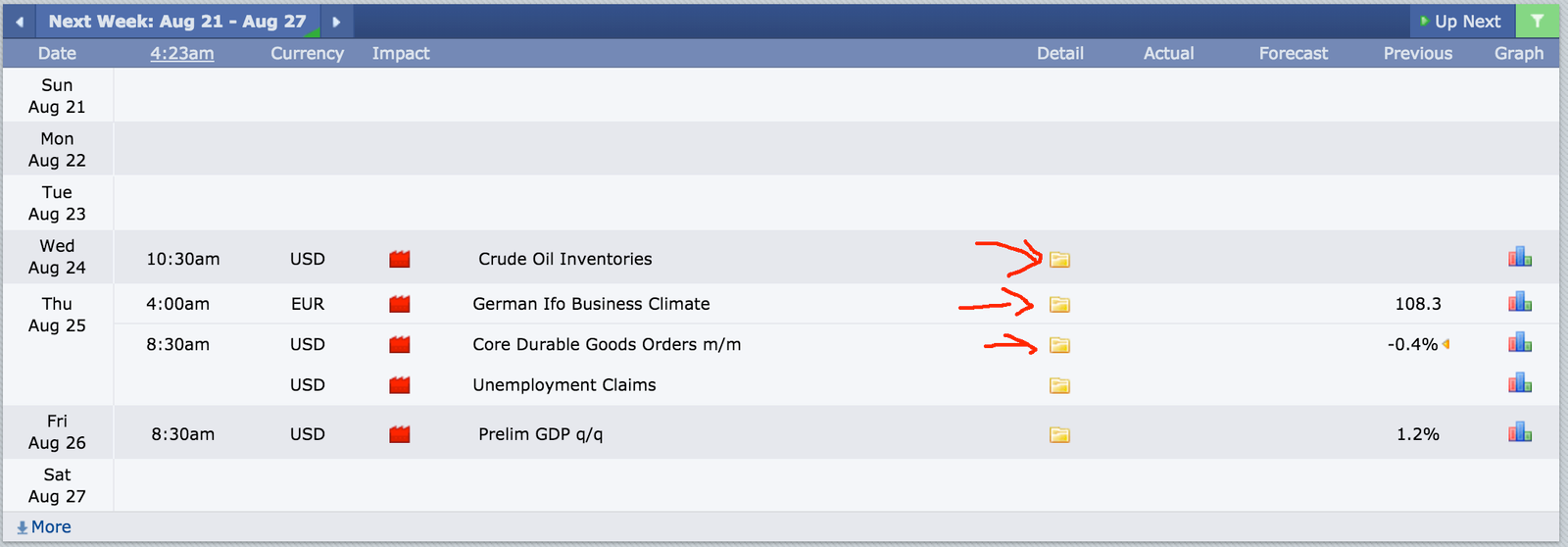
Interpreting Impact Ratings: How High-Volatility News Affects USD/INR and Major Pairs
Forex Factory uses a color-coded system to categorize news impact:
- Red Folders: High impact. These events, such as CPI data or Central Bank rate decisions, cause immediate and often violent price swings.
- Orange Folders: Medium impact. These can cause volatility if the actual data deviates significantly from the forecast.
- Yellow Folders: Low impact. These are routine data points that rarely move the market on their own.
For an Indian trader, a "Red Folder" for the USD is effectively a high-volatility warning for the USD/INR pair. For instance, if the US Federal Reserve signals a hawkish stance, the Dollar Index (DXY) typically rises, putting downward pressure on the Rupee. Similarly, geopolitical tensions in regions like Iran can lead to a surge in crude oil prices. Since India is a major oil importer, this news—often tracked through the platform’s news feed—directly correlates to a weaker Rupee.
Harnessing Collective Intelligence: Navigating Forums and Sentiment Indicators
The Forex Factory forums are among the most active in the world. While they offer a wealth of knowledge, they can also be a source of "analysis paralysis." For Indian traders, the value lies in specialized threads focusing on price action or specific pairs like the GBP/USD or USD/JPY.
The Sentiment Indicator (located in the 'Market' tab) shows the percentage of Forex Factory members who are long versus short on a specific pair. This is a contrarian tool. If 90% of retail traders are long on USD/INR, institutional players may seek to drive the price lower to hunt liquidity. Using this data helps you understand where the "crowd" is positioned so you can avoid common retail traps.
The Trade Explorer: Analyzing Performance and Verifying Strategies
The Trade Explorer is a sophisticated interface that allows you to link your brokerage account (via MT4 or MT5) to Forex Factory. It creates an automated journal of your trades, calculating your equity curve, drawdowns, and average win/loss ratios.
Advantages: It provides an honest, data-driven look at your trading performance. It is much harder to ignore a declining equity curve than a series of mental notes. For those looking to learn from others, the Trade Explorer allows you to view the verified performance of seasoned traders, ensuring you aren't following "experts" who don't actually trade.
Limitations: While it is a powerful auditing tool, it cannot account for the emotional state of the trader or the specific regulatory constraints of the Indian market (such as the restricted pair list on Indian exchanges).
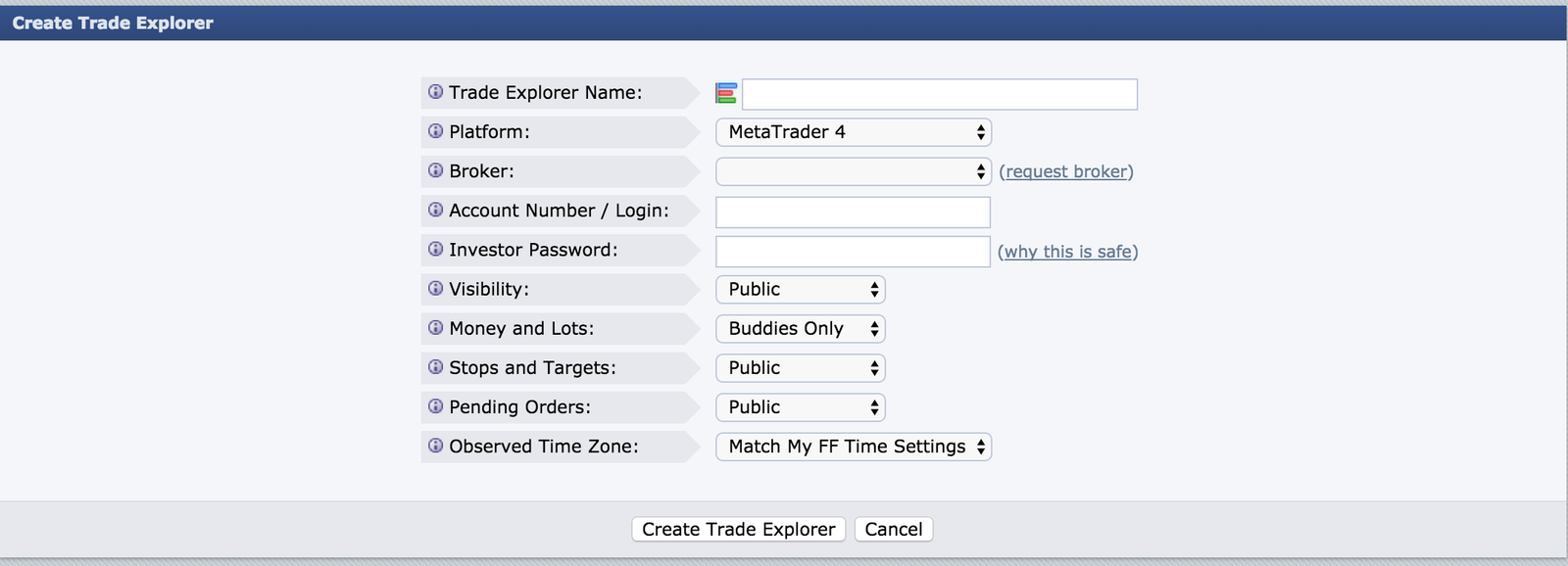
Practical Setup: Customizing the Dashboard for Maximum Efficiency
To make the platform work for you without being overwhelmed, follow these customization steps:
- Filter the Noise: Click the 'Filter' icon on the calendar. Uncheck the Yellow and White folders. Focus only on Red and Orange.
- Select Relevant Currencies: If you only trade USD/INR, filter for USD news. If you trade crosses, include EUR, GBP, and JPY.
- Set Browser Alerts: You can enable sound notifications so that you are alerted 10 minutes before a high-impact event occurs.
- Use the News Tab: Use the search function to look for keywords like "RBI," "Crude Oil," or "Fed" to find relevant headlines that impact the Indian economy.
Frequently Asked Questions for Indian Forex Traders
1. Can I trade directly on Forex Factory?
No, Forex Factory is an information and social platform, not a broker. You must use a SEBI-registered broker to execute trades in India.
2. Why does the USD/INR price on Forex Factory differ from my broker?
Forex Factory typically shows the "Spot" market price, which is the global OTC (Over-The-Counter) rate. Indian exchanges like NSE trade "Currency Futures," which usually trade at a slight premium or discount to the spot price due to interest rate differentials.
3. Is the sentiment indicator accurate for the Indian market?
The sentiment indicator reflects the positions of global retail traders on the platform. While it doesn't specifically track Indian NSE traders, it is a very good proxy for global USD strength, which ultimately dictates the direction of the Rupee.
4. How do I track RBI news on Forex Factory?
While the calendar focuses heavily on G7 nations, major RBI interest rate decisions are listed. You can also monitor the "News" section for real-time updates on Indian economic policy.
Conclusion: Integrating Forex Factory into a Disciplined Trading Routine
Using Forex Factory effectively is about filtering out the noise to find actionable data. For the Indian trader, the platform serves as an early warning system. By spending 10 minutes every morning checking the calendar for "Red Folders" and ensuring your clock is set to IST, you can avoid the majority of unforced errors caused by unexpected volatility. Whether you are analyzing sentiment to avoid retail traps or using the Trade Explorer to audit your progress, Forex Factory is an indispensable tool for anyone serious about navigating the global currency markets from India.
Important Note: Financial Disclaimer: This content is for educational purposes only and does not constitute professional financial advice. Always consult with a certified financial planner before making investment decisions.





Comments 0
Leave a Reply
Your email address will not be published. Required fields are marked *
Be the first to share your thoughts!