
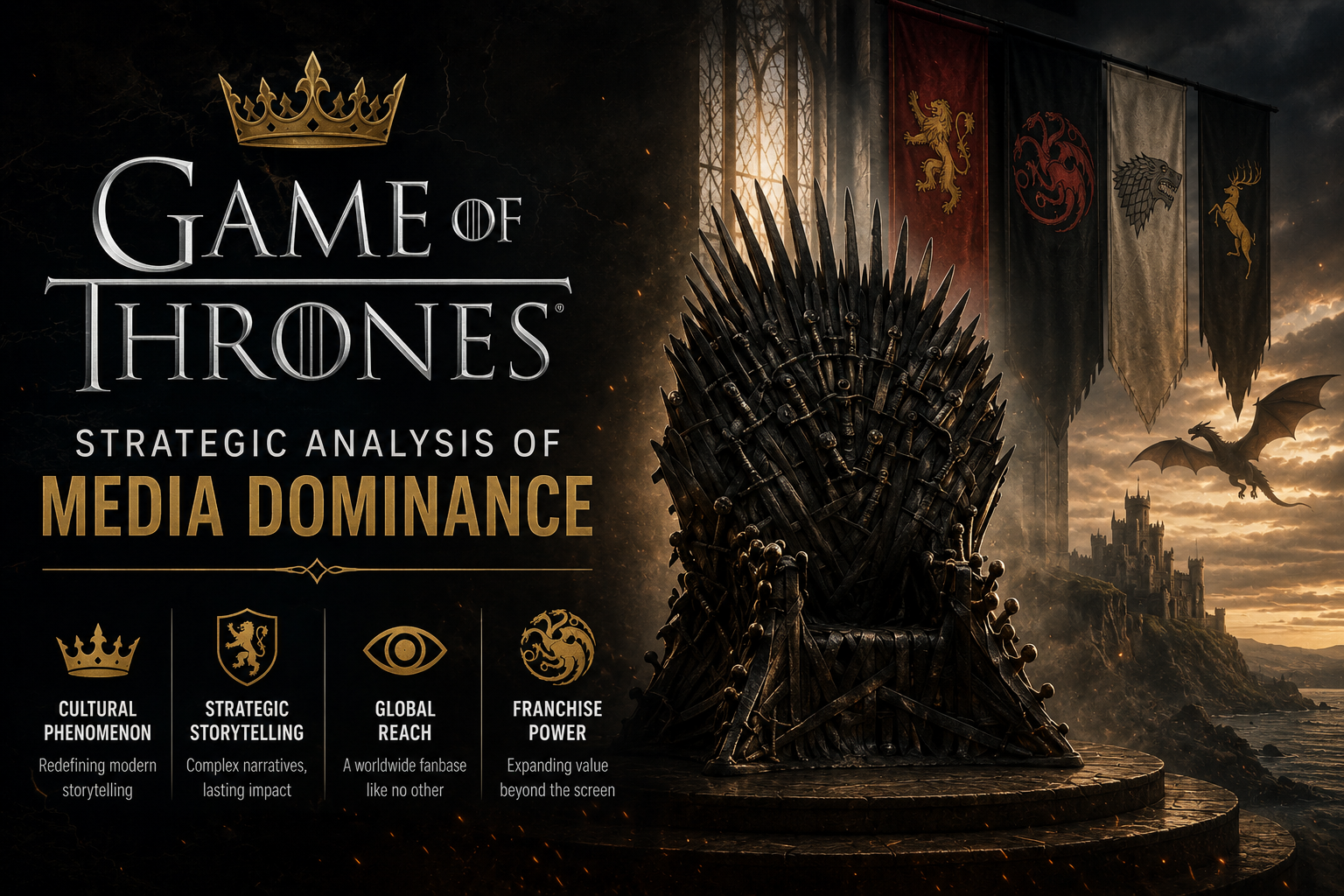
💡 Game of Thrones: Strategic Analysis of Media Dominance
An authoritative analysis of Game of Thrones' impact on the global media landscape, production economics, and the strategic evolution of HBO.
Executive Summary
Game of Thrones represents a pivotal moment in the history of global entertainment, transitioning from a niche fantasy series to a cultural phenomenon that redefined the economics of television production. This analysis highlights how HBO leveraged a production budget exceeding 15 million dollars per episode in its final season to secure 59 Emmy Awards and a peak viewership of 19.3 million live viewers for its series finale. Key data indicates that the franchise remains a cornerstone of the Warner Bros. Discovery portfolio, driving significant subscriber retention for the Max streaming platform. The strategic management of this intellectual property (IP) has set the benchmark for high-fantasy adaptations and the expansion of cinematic universes in the digital age.
Introduction
The arrival of Game of Thrones in 2011 signaled a departure from traditional television constraints. Based on George R.R. Martin’s A Song of Ice and Fire, the series utilized a sophisticated narrative structure and high-fidelity production values to capture a global audience. Unlike previous attempts at high-fantasy, HBO focused on political realism and character-driven stakes, which allowed the show to transcend genre boundaries. By examining the trajectory of this series, industry analysts can observe the shift from linear broadcasting to the prestige streaming era. This transition is comparable to the Apple TV strategic analysis regarding how premium content serves as a loss leader for broader ecosystem loyalty. Game of Thrones did not just sell a story; it sold the necessity of an HBO subscription.
THE DEEP DIVE: The Economics and Strategy of Westeros
To understand the dominance of Game of Thrones, one must analyze the financial and operational scale of its production. During its eight-season run, the series expanded from a 6 million dollar per episode budget to a staggering 15 million dollars. This investment was not merely for visual effects but served as a strategic moat against competitors. The high barrier to entry created by HBO’s production quality forced other networks to reconsider their content acquisition strategies.
The series also pioneered a global distribution model. By broadcasting simultaneously in over 170 countries, HBO mitigated the risks of piracy while maximizing cultural impact. This global synchronization is a tactic often seen in major sports leagues. For instance, the Premier League strategic analysis shows how centralized broadcasting rights can elevate a domestic product into a global powerhouse. Game of Thrones achieved a similar feat in the scripted space, creating a weekly global conversation that sustained its relevance for nearly a decade.
From a data perspective, the impact on tourism and local economies was substantial. Northern Ireland, the primary filming location, reported that the series contributed over 250 million pounds to the local economy through 2018. This demonstrates the ancillary economic value of major media franchises. Furthermore, the intellectual property management extended into merchandising, gaming, and licensing, creating a multi-billion dollar ecosystem that continues to generate revenue through spin-offs like House of the Dragon.
The series also navigated the complexities of consumer sentiment and brand resilience. Despite a divisive final season, the franchise maintained its market position. This resilience is a critical study in brand equity. Much like the AMC Entertainment strategic analysis highlights the importance of theatrical experiences, Game of Thrones proved that event-based television could still command massive attention in an increasingly fragmented media market. The series became the ultimate water-cooler show, a feat that few modern productions have replicated.
WHAT THIS MEANS FOR YOU
For the average consumer and media professional, the legacy of Game of Thrones offers several actionable insights into the current entertainment landscape:
- The Rise of the Mega-Franchise: Expect more high-budget adaptations of established IP as networks seek to minimize risk and maximize built-in audiences.
- Subscription Value: Premium content remains the primary driver for streaming service adoption. If you are evaluating streaming costs, look for platforms that control high-value, exclusive IP.
- The Death of the Spoiler: The global simultaneous release model means that digital literacy and social media management are essential for viewers who wish to experience stories in real-time.
- Production Quality Expectations: The standard for television has been permanently raised. Consumers now expect cinematic quality in their home viewing experience.
Expert Verdict / Future Outlook
The future of the Game of Thrones franchise is intrinsically linked to the broader strategy of Warner Bros. Discovery. The success of House of the Dragon, which drew nearly 10 million viewers for its premiere, confirms that the appetite for Westeros remains high. Industry experts predict that the franchise will follow a model similar to Star Wars or Marvel, with multiple concurrent projects in development, including the upcoming A Knight of the Seven Kingdoms. However, the challenge lies in maintaining quality control to avoid brand fatigue. The strategic focus will likely shift toward diversifying the types of stories told within the universe, ranging from animated series to lore-heavy prequels, ensuring that the brand remains fresh for new generations of viewers.
FAQ
How much did Game of Thrones contribute to HBO's growth?
Game of Thrones was the primary catalyst for the growth of HBO Now, the network's first standalone streaming service. During the show's peak, HBO reported a significant surge in domestic subscribers, reaching over 140 million globally by the series' end.
What is the total Emmy count for the series?
Game of Thrones holds the record for the most Emmy Awards won by a scripted series, with a total of 59 wins. This includes four wins for Outstanding Drama Series.
Why was the final season so expensive?
The final season cost roughly 15 million dollars per episode due to the extended filming schedules, massive battle sequences like the Long Night, and the increased salaries of the core cast members who had become global stars.
How did the series impact Northern Ireland?
The series transformed Northern Ireland into a global hub for film production. Beyond the direct 250 million pound economic boost, it led to the creation of permanent studio infrastructure and a thriving screen tourism industry.
What are the confirmed spin-offs?
Currently, House of the Dragon is in active production with multiple seasons planned. A Knight of the Seven Kingdoms: The Hedge Knight has been greenlit, and several other projects, including an Aegon the Conqueror series, are in various stages of development.
Conclusion
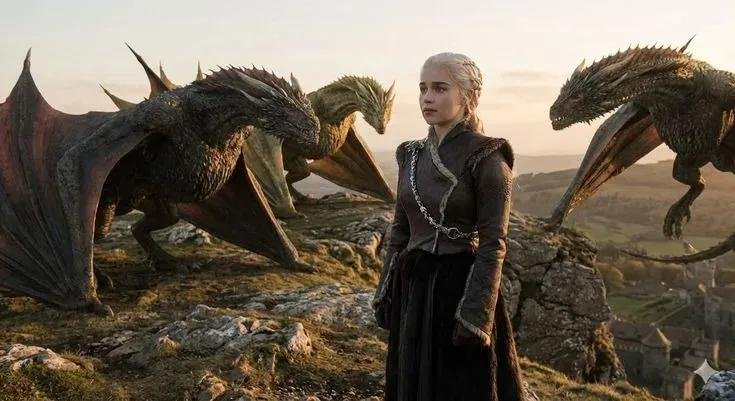
Game of Thrones stands as a masterclass in strategic media management and production excellence. By investing heavily in high-quality storytelling and global distribution, HBO created a template for the modern blockbuster series. The franchise's ability to drive subscription revenue, stimulate local economies, and maintain cultural relevance despite a changing media landscape underscores its status as a cornerstone of the entertainment industry. As the universe continues to expand, its strategic influence will remain a primary reference point for any organization seeking to dominate the global content market.




Comments 0
Leave a Reply
Your email address will not be published. Required fields are marked *
Be the first to share your thoughts!