

Gudi Padwa and Ugadi Wishes: A Comprehensive Guide to Traditions and Meaningful Greetings
The arrival of the lunar New Year in India marks a period of profound spiritual renewal and cultural vibrancy. Known as Gudi Padwa in Maharashtra and Goa, and Ugadi in Andhra Pradesh, Telangana, and Karnataka, this festival signifies the start of the month of Chaitra. It is a time when families come together to celebrate new beginnings, prosperity, and the triumph of good over evil. Understanding the depth of these celebrations allows individuals to craft Gudi Padwa and Ugadi wishes that resonate with sincerity and cultural awareness.
These festivals are deeply rooted in the Indian lunisolar calendar and mark the traditional New Year in several states. As the spring season or Vasanta Ritu begins, the earth rejuvenates, and so does the spirit of the community. This guide provides an in depth look at how to approach these celebrations and how to share greetings that reflect the true essence of the occasion.
The Significance of Gudi Padwa and Ugadi
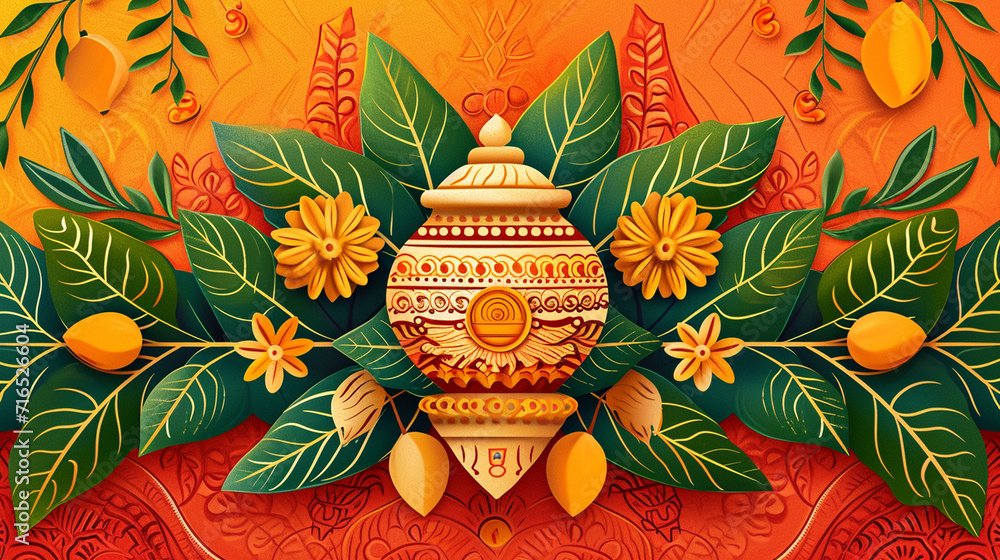
While celebrated under different names, Gudi Padwa and Ugadi share a core philosophy. In Maharashtra, Gudi Padwa is associated with the crowning of Lord Rama after his return to Ayodhya and the victory of King Shalivahana. The Gudi, a bright cloth tied to a bamboo stick with a copper pot (kalash) on top, is hoisted outside homes to symbolize victory and ward off evil. You can also read more about the significance of Chaitra Navratri.
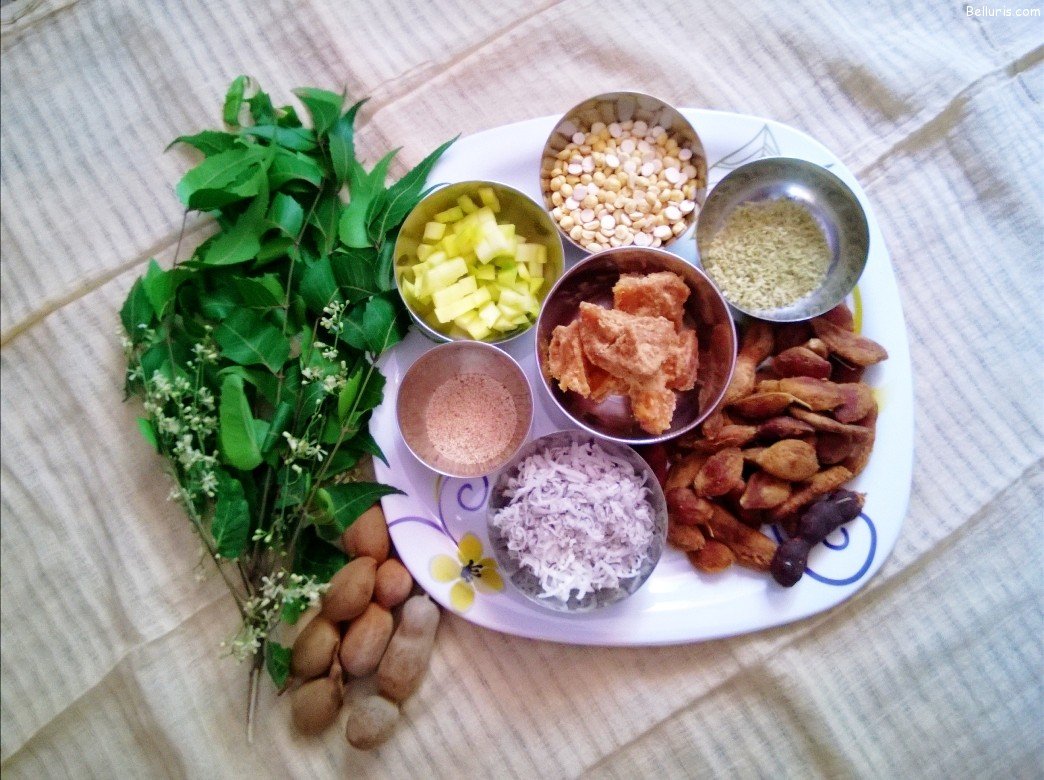
In the Deccan region, Ugadi (derived from Yuga Adi, meaning the start of an era) celebrates the day Lord Brahma began the creation of the universe. Experts suggest that the focus here is on the acceptance of life in all its hues. This is best represented by the Ugadi Pachadi, a dish containing six different tastes, symbolizing that life is a mixture of sadness, happiness, anger, fear, disgust, and surprise.
In recent years, there has been a growing interest in celebrating these festivals in a more traditional and meaningful way. People are moving away from generic digital forwards and seeking meaningful ways to connect with their roots. This shift highlights the importance of understanding the specific nuances of Gudi Padwa and Ugadi wishes.
Crafting Authentic Gudi Padwa and Ugadi Wishes
When sending wishes, it is essential to tailor the message to the specific cultural context of the recipient. A generic message may lack the personal touch that makes a greeting memorable. Here is a breakdown of how to structure your wishes for different audiences.
For Gudi Padwa (Marathi Context)
Gudi Padwa wishes often focus on the concepts of prosperity (Samruddhi) and health (Arogya). Using traditional Marathi phrases adds a layer of respect and authenticity. For example, wishing someone a Nutan Varshabhinandat (New Year greetings) is a standard yet powerful way to express your sentiments.
For Ugadi (Telugu and Kannada Context)
Ugadi greetings often revolve around the concept of the New Year bringing sweetness and balance. In Telugu, one might say Ugadi Subhakankshalu, while in Kannada, the phrase Ugadi Habbada Shubhashayagalu is used. These wishes often invoke the blessings of the Almighty for a year filled with peace and success.
The Philosophy of the Six Tastes (Shadruchulu)
A unique aspect of Ugadi that often finds its way into wishes and messages is the philosophy of the six tastes. Incorporating this into your greetings shows a deep understanding of the festival. The ingredients used in the Ugadi Pachadi are:
- Neem Buds: For bitterness, representing sadness.
- Jaggery: For sweetness, representing happiness.
- Green Chili: For pungency, representing anger.
- Salt: For saltiness, representing fear.
- Tamarind: For sourness, representing disgust.
- Unripened Mango: For tanginess, representing surprise.
Linguistic experts suggest that mentioning these elements in a wish, such as May your year be a perfect balance of all the flavors of life, makes the greeting far more impactful than a simple Happy New Year.
Step by Step Guide to Celebrating at Home
To truly appreciate the spirit behind Gudi Padwa and Ugadi wishes, one should understand the rituals involved. Following these steps can help in creating a festive atmosphere that inspires heartfelt communication.
- Purification: The day begins with a ritual oil bath (Abhyangana Snan), which is believed to cleanse the body and soul.
- Decoration: Homes are cleaned and decorated with vibrant Rangolis and mango leaf torans. This symbolizes the welcoming of positive energy.
- The Gudi Hoisting: For those celebrating Gudi Padwa, the Gudi is positioned on the right side of the main entrance, visible to everyone.
- Panchangam Sravanam: In many households, the reading of the new year forecast (Panchangam) is an essential ritual to understand the astrological outlook for the year. Learn more about the importance of Vedic astrology and Panchangam readings.
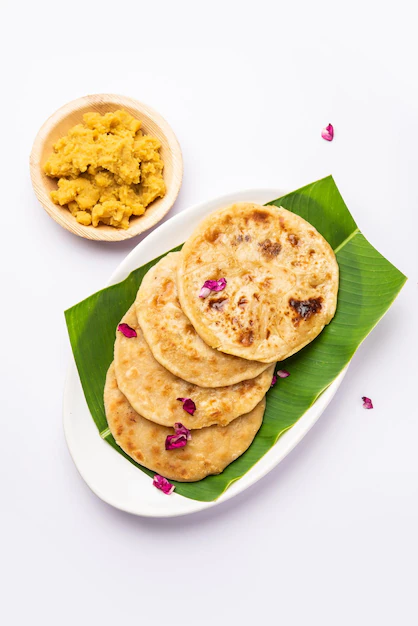
- Offering Food: Preparing traditional delicacies like Puran Poli (for Gudi Padwa) or Obbattu/Holige (for Ugadi) and offering them to the deities before sharing with family.
Common Mistakes to Avoid in Festive Greetings
While the intention behind Gudi Padwa and Ugadi wishes is always positive, certain common mistakes can diminish the impact of your message. Experts suggest avoiding the following:
- Using Generic Templates: Avoid copying and pasting the same message to everyone in your contact list. Personalizing the name or a specific detail makes a big difference.
- Confusing the Festivals: While they fall on the same day, Gudi Padwa and Ugadi have distinct cultural identities. Ensure you use the correct terminology based on the recipient's heritage.
- Overly Commercial Language: Keep the focus on tradition and spirituality rather than discounts or material gains, unless the context is specifically professional.
- Ignoring Language Nuances: If you are using a local language, ensure the grammar and spelling are correct. A misspelled traditional greeting can sometimes come across as disrespectful.
Pro Tips for Digital Greetings
In the modern era, most Gudi Padwa and Ugadi wishes are shared via social media or messaging apps. To stand out, consider these professional insights:
Use High Quality Visuals: Instead of low resolution forwarded images, create your own graphics using clean, traditional motifs like marigold flowers, mango leaves, or the Gudi itself.
Incorporate Poetry or Shlokas: Adding a relevant Sanskrit shloka or a line from a traditional poem can elevate the spiritual quality of your wish.
Focus on Wellness: In a post pandemic world, wishes that emphasize health and mental peace are highly valued. Today, people prefer more personal and meaningful festive messages instead of generic greetings.

Frequently Asked Questions
1. Why do Gudi Padwa and Ugadi fall on the same day?
Both festivals mark the first day of the Chaitra month in the Hindu lunisolar calendar. While the names and specific legends differ across states, the astronomical significance of the New Year remains the same.
2. What is the best time to send Gudi Padwa and Ugadi wishes?
It is traditional to send wishes early in the morning, as the festivals begin at sunrise. Sending greetings during the Brahma Muhurta or shortly after the ritual bath is considered very auspicious.
3. Can I celebrate both Gudi Padwa and Ugadi?
Yes, many people in cosmopolitan cities or multicultural families celebrate both. The core values of renewal, gratitude, and family bonding are universal to both festivals.
4. What are the traditional foods associated with these festivals?
For Gudi Padwa, Puran Poli and Shrikhand are staples. For Ugadi, the Ugadi Pachadi and Pulihora (tamarind rice) along with sweet Obbattu are the primary traditional dishes.
5. Is there a specific color associated with these festivals?
Bright colors like yellow and green are highly favored, as they represent the harvest, spring, and new life. Many people choose to wear traditional attire in these shades.
Conclusion
Gudi Padwa and Ugadi are more than just festivals; they are a celebration of the resilience of the human spirit and the cyclical beauty of nature. By understanding the deep seated traditions and the symbolic meanings behind the rituals, you can share Gudi Padwa and Ugadi wishes that truly connect with others. Whether it is through the hoisting of the Gudi or the tasting of the six flavors of Ugadi Pachadi, these festivals remind us to embrace life with equanimity and hope. As you prepare for the New Year, let your greetings be a reflection of this ancient wisdom and modern warmth.
Final Takeaway: Meaningful festive greetings are built on a foundation of cultural respect and an understanding of the balance between life's varied experiences.





Comments 0
Leave a Reply
Your email address will not be published. Required fields are marked *
Be the first to share your thoughts!