
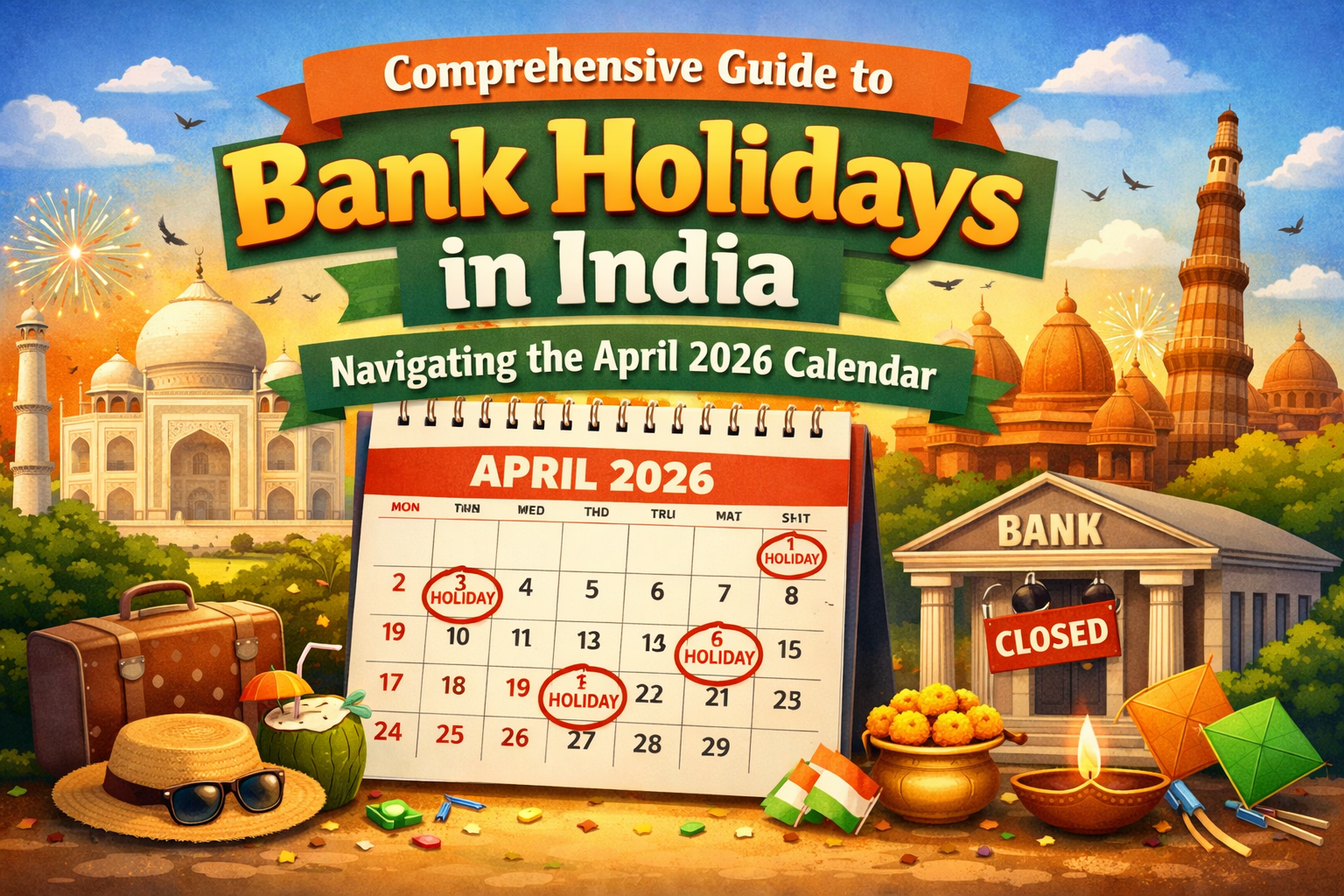
💡 Where is Today bank holiday?
A detailed guide on bank holidays in India for April 2026, including state-wise variations, RBI regulations, and tips for managing financial transactions during closures.
Understanding the schedule of bank holidays is a vital aspect of financial management for every citizen in India. Whether you are a business owner managing payroll, a professional planning a loan application, or an individual needing to visit a branch for locker access, knowing when the doors are closed can save significant time and effort. In the Indian banking system, holidays are not uniform across the country. They are governed by a complex set of rules established by the Reserve Bank of India and individual state governments.
As per the Reserve Bank of India annual schedule, holidays are categorized into three distinct buckets: Holidays under the Negotiable Instruments Act, Holidays under the Negotiable Instruments Act and Real Time Gross Settlement Holiday, and Banks Closing of Accounts. This categorization ensures that while physical branches might be closed, many digital services continue to function, albeit with certain limitations regarding clearing cycles.
What is the Negotiable Instruments Act?
The Negotiable Instruments Act of 1881 is the primary legal framework that dictates bank holidays in India. According to global analysts studying Indian fiscal policy, this act allows the central government and state governments to declare specific days as public holidays. When a day is notified under this act, it means that commercial banks, cooperative banks, and even the central bank branches in that specific jurisdiction will remain closed for public transactions. It is important to note that these holidays often vary from one state to another based on local festivals and cultural significance.
Why is April 1st a holiday for banks?
In the context of the Indian financial year, the first day of April holds immense significance. Financial experts suggest that this day is reserved for the annual closing of accounts. While the date marks the beginning of a new financial year for the public, for bankers, it is a day of intense internal auditing and balancing of books. Consequently, while the staff is present, there are no public-facing transactions. This is a pan-India holiday where all banks remain closed for customer service to ensure the transition to the new fiscal year is seamless and accurate.
How to understand the April 2026 holiday calendar
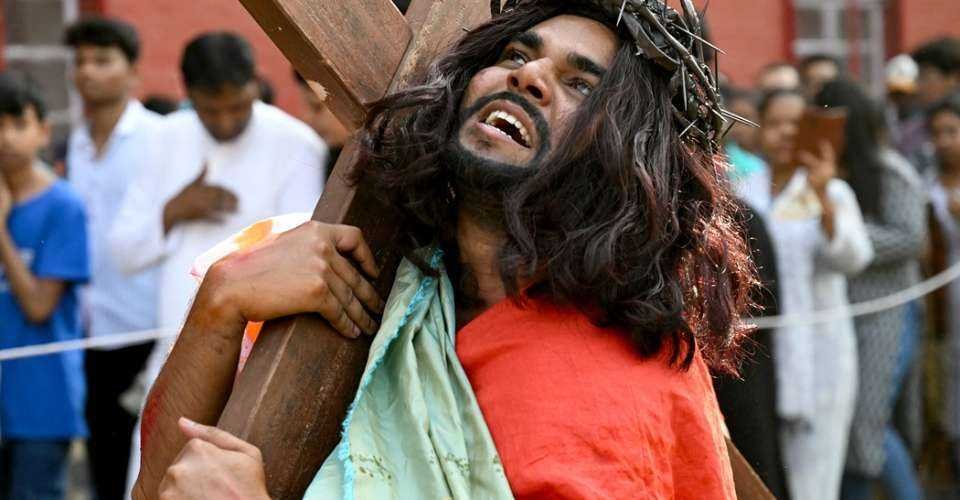
April 2026 is expected to be a month filled with numerous regional and national holidays. Beyond the standard second and fourth Saturdays, several cultural and religious events coincide during this period. For instance, the month typically sees celebrations like Mahavir Jayanti, Good Friday, and Ambedkar Jayanti. Because these festivals are observed with varying degrees of intensity across different states, a bank might be closed in Maharashtra for a local festival while remaining fully operational in West Bengal.

State-wise variations in bank closures
The beauty of India lies in its diversity, and this is reflected in the bank holiday list. Regional holidays such as Bohag Bihu in Assam, Vishu in Kerala, or Tamil New Year in Tamil Nadu ensure that the banking schedule remains localized. According to recent industry reports, the lack of awareness regarding state-specific holidays is one of the leading causes of failed physical banking visits. It is always recommended to check the specific list issued by the regional office of the Reserve Bank of India for your particular state before planning a visit.
What is the impact of bank holidays on digital transactions?
In the modern era, a bank holiday does not mean a complete halt to financial activities. Most digital banking channels remain operational 24 hours a day. Services like the Unified Payments Interface (UPI), Immediate Payment Service (IMPS), and Automated Teller Machines (ATMs) function regardless of whether the physical branch is open. However, certain high-value transactions that rely on Real Time Gross Settlement (RTGS) or National Electronic Funds Transfer (NEFT) might experience delays if the holiday falls under the specific RBI category that affects these systems. Experts suggest that users should plan high-value transfers at least twenty four hours in advance of a known holiday period.
How to manage finances during a long holiday weekend
When a public holiday falls on a Friday or a Monday, it creates a long weekend, especially when combined with the standard Sunday closure. This can lead to a surge in ATM usage and a potential shortage of cash in certain areas. To manage this effectively, individuals should ensure they have sufficient liquidity or rely on digital payment methods. For businesses, it is crucial to process vendor payments and employee salaries well before the commencement of a long holiday stretch to avoid clearing delays.
Common mistakes to avoid during bank holidays
One of the most frequent errors made by customers is submitting cheques for clearing just before a holiday. Since cheque truncation systems require manual verification at certain stages, a holiday can add two to three days to the clearing cycle. Another common mistake is attempting to update passbooks or request physical statements on days when only digital services are active. Understanding that a bank holiday affects physical infrastructure more than digital infrastructure is key to avoiding frustration.
Why does the Reserve Bank of India regulate these dates?
The regulation of bank holidays is not just about giving staff time off. It is about maintaining the stability of the financial system. By synchronizing holidays, the RBI ensures that interbank settlements and currency chest operations are managed without chaos. As per industry standards, a predictable holiday calendar allows the stock markets and other financial institutions to align their operations, preventing liquidity crunches in the economy.
Pro tips for efficient banking in April 2026
- Always maintain a digital copy of the state-wise holiday list on your smartphone.
- Use mobile banking apps for routine tasks like balance inquiries, fund transfers, and bill payments.
- If you have a time-sensitive task like a property registration or a large cash withdrawal, schedule it for the middle of the week, away from potential holiday clusters.
- Check the status of your local ATM through bank apps if you are in a region prone to high holiday traffic.
- Ensure that your contact details are updated with the bank to receive notifications regarding any sudden changes in branch timings.
Frequently Asked Questions
What is the rule for Saturday holidays in Indian banks?
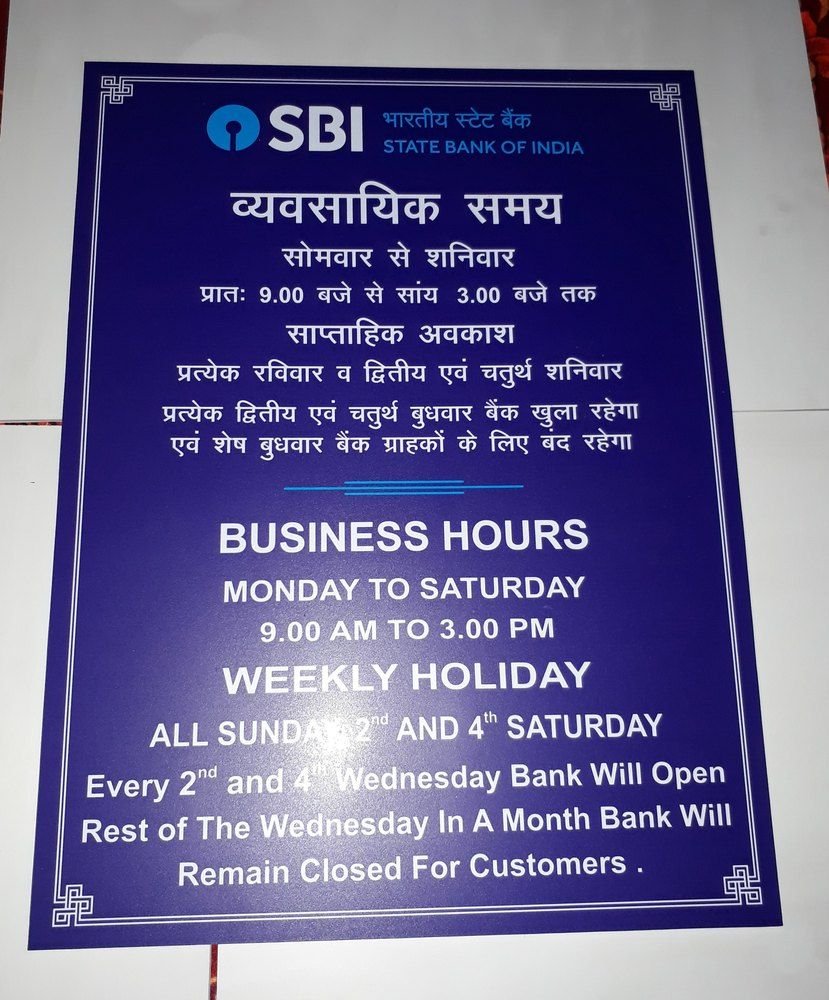
In India, banks follow a specific pattern for weekends. All banks remain closed on the second and fourth Saturdays of every month. The first, third, and fifth Saturdays (if applicable) are full working days for all bank employees and customers.
How to check if today is a bank holiday in my city?
The most reliable way to check is by visiting the official website of the Reserve Bank of India and navigating to the Holiday section. You can filter the results by state and month to get an accurate list of closures in your specific city.
Why is Ambedkar Jayanti significant for bank holidays?
Ambedkar Jayanti, observed on April 14, is a national holiday in India. It commemorates the birth anniversary of Dr. B.R. Ambedkar, the architect of the Indian Constitution. Almost all banks across all states remain closed on this day as it is a notified holiday under the Negotiable Instruments Act.
Can I still use the bank locker on a holiday?
No, bank locker facilities are only available during the operational hours of the physical branch. Since accessing a locker requires the presence of bank officials and the operation of the strong room, these services are unavailable on all public holidays, Sundays, and second or fourth Saturdays.
What is the difference between a national holiday and a regional bank holiday?
National holidays like Republic Day, Independence Day, and Gandhi Jayanti result in the closure of all banks across the country. Regional holidays, such as Gudi Padwa or Onam, only affect banks in the specific states where these festivals are celebrated. This is why a bank in Delhi might be open while a bank in Kerala is closed on the same day.
Conclusion
Navigating the bank holiday landscape in India requires a blend of foresight and digital savvy. By understanding the RBI framework and the specific cultural context of April 2026, you can ensure that your financial life remains uninterrupted. While physical branches may take a break, the robust digital infrastructure of modern Indian banking ensures that your money is always within reach. Proper planning is the cornerstone of financial peace of mind, especially during a month as busy as April.
Important Note: Financial Disclaimer: This content is for educational purposes only and does not constitute professional financial advice. Always consult with a certified financial planner before making investment decisions.
Related Media
Image Gallery





Comments 0
Leave a Reply
Your email address will not be published. Required fields are marked *
Be the first to share your thoughts!