
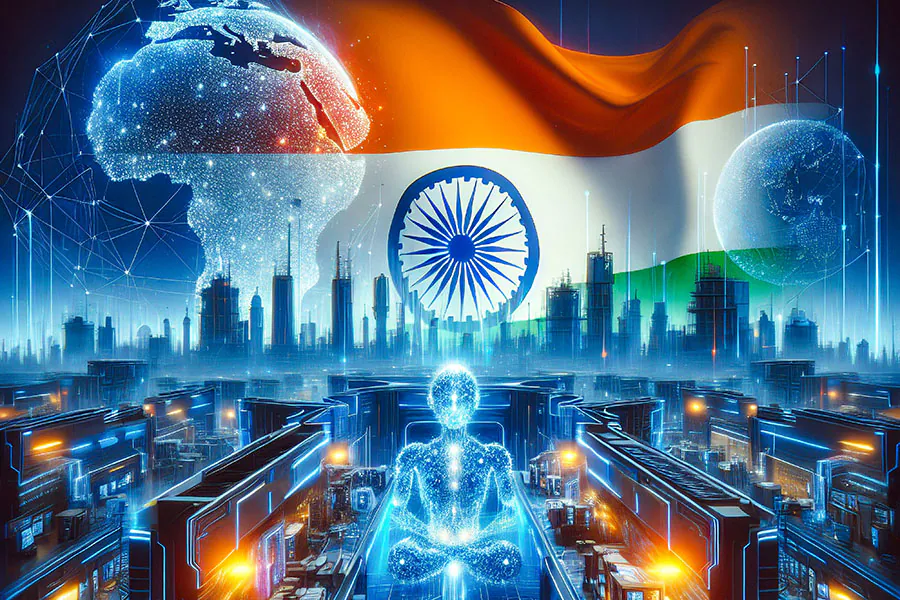
💡 India's Strategic Evolution: Economic & Digital Analysis
An authoritative analysis of India's 2026 strategic outlook, focusing on digital transformation, economic growth, and global supply chain shifts.
Quick Take: India’s 2026 Strategic Outlook
As we approach 2026, India stands at a pivotal juncture in its economic trajectory. The International Monetary Fund (IMF) and World Bank consistently project India as the fastest-growing major economy, with a steady GDP growth rate expected to hover between 6.5 percent and 7 percent. The strategic focus has shifted from mere service-sector dominance to a comprehensive manufacturing and digital-first approach. Key data points indicate that India’s digital economy is growing 2.4 times faster than the overall economy, positioning it to contribute nearly 20 percent of the national GDP by 2026.
Introduction: India’s Position in the New Global Order
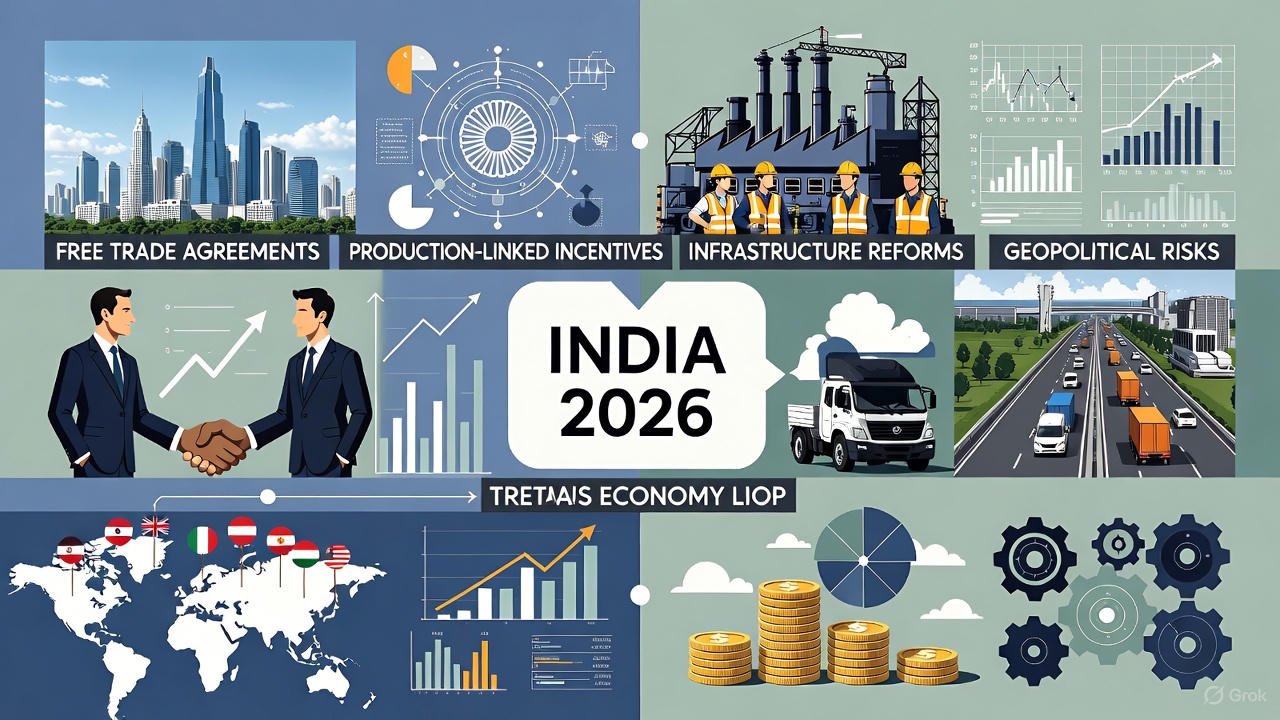
The global geopolitical landscape is undergoing a significant realignment, and India is emerging as a central pillar in this new order. No longer viewed simply as an emerging market, the nation is now a strategic partner for both Western and Eastern blocs. This unique position is bolstered by the 'China Plus One' strategy, where global corporations seek to diversify their supply chains away from over-reliance on a single geography. India’s strategic evolution is characterized by aggressive infrastructure development, a young workforce with a median age of 28, and a robust regulatory framework designed to attract foreign direct investment.
Practical Explanation: The India Stack and Digital Transformation
The cornerstone of India’s modernization is the 'India Stack', a set of open APIs and digital public goods that have revolutionized identity, payments, and data management. At the heart of this is the Aadhaar system, which provides a digital identity to over 1.3 billion citizens. For a deeper look at how this identity layer functions as a foundation for economic participation, refer to our UIDAI: A Strategic Analysis of India's Digital Identity. This infrastructure has enabled the Unified Payments Interface (UPI) to process over 13 billion transactions monthly, accounting for nearly 46 percent of global real-time digital payments. This digital backbone reduces transaction costs, eliminates leakage in government subsidies, and fosters a climate of financial inclusion that was previously unimaginable.
Real-life Use Cases: Fintech Revolution and Global Supply Chain Shifts
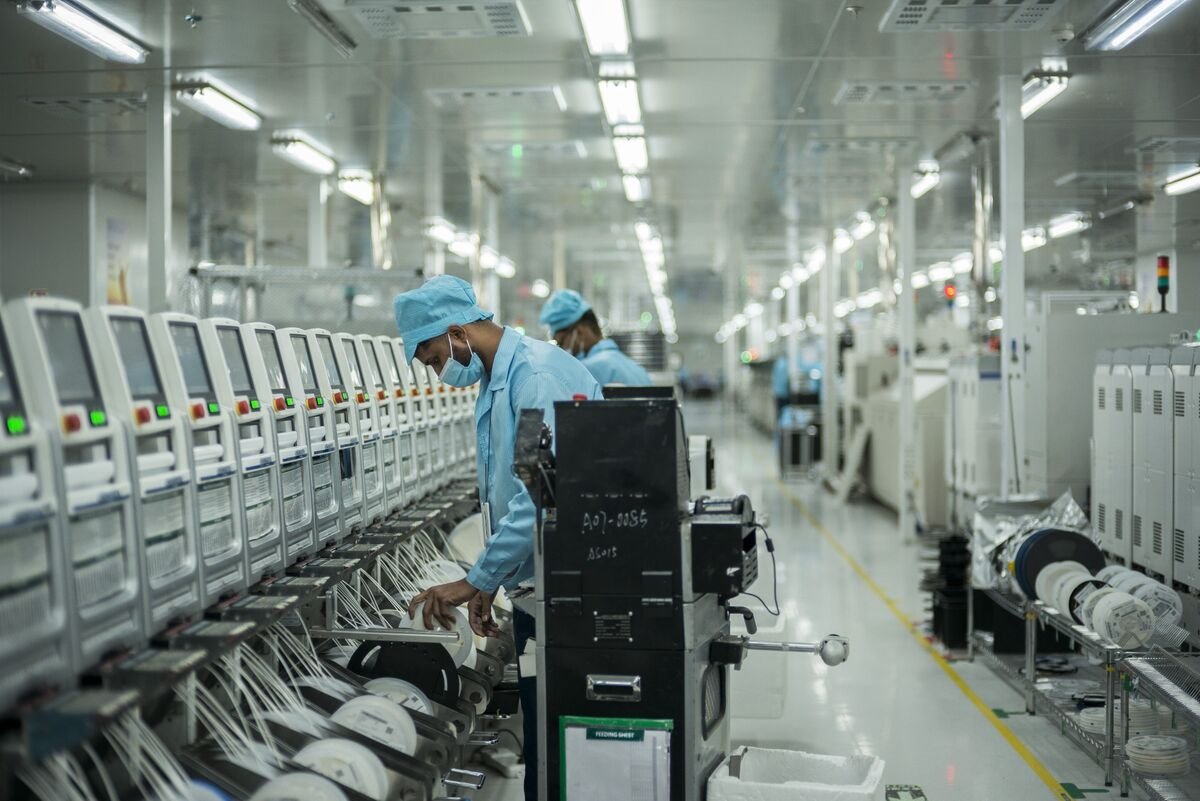
The practical application of India's strategy is most visible in the fintech and manufacturing sectors. In fintech, the democratization of credit is occurring through the Open Network for Digital Commerce (ONDC) and the Account Aggregator framework. Small business owners in rural areas can now access formal credit within minutes, based on their digital transaction history rather than traditional collateral. In manufacturing, the Production Linked Incentive (PLI) schemes have successfully attracted giants like Apple and Samsung to move significant portions of their production to Indian soil. In 2023-24, Apple manufactured over 14 billion dollars worth of iPhones in India, signaling a massive shift in the global technology supply chain. This transition is transforming India into a high-tech manufacturing hub, moving beyond basic assembly to complex component fabrication.
What This Means for You: Actionable Insights for Professionals
For professionals and investors, India’s trajectory offers specific opportunities. The rise in disposable income is driving a premiumization trend across consumer goods, real estate, and financial services. Investors should look closely at companies that are consistently returning value to shareholders while adapting to these shifts. For instance, analyzing corporate performance such as the ITC Dividend 2026: Projections and Strategic Analysis can provide insights into how legacy conglomerates are navigating the modern economic landscape. Professionals should focus on upskilling in digital literacy, data analytics, and supply chain management, as these areas will see the highest demand for talent over the next three years.
Comparison Table: India vs. Peer Emerging Economies
To understand India's relative standing, it is essential to compare key metrics with other emerging markets such as Vietnam, Brazil, and Indonesia.
| Metric (2024-2026 Proj.) | India | Vietnam | Brazil | Indonesia |
|---|---|---|---|---|
| GDP Growth Rate | 6.7% | 6.0% | 2.2% | 5.0% |
| Digital Adoption Index | High | Medium-High | Medium | Medium-High |
| FDI Inflow Trend | Increasing | Steady | Fluctuating | Increasing |
| Ease of Doing Business | Improving | High | Moderate | Improving |
Expert Tips: Navigating the Indian Market and Policy Landscape
- Prioritize Local Partnerships: Despite liberalization, navigating local state-level regulations is easier with established domestic partners who understand regional nuances.
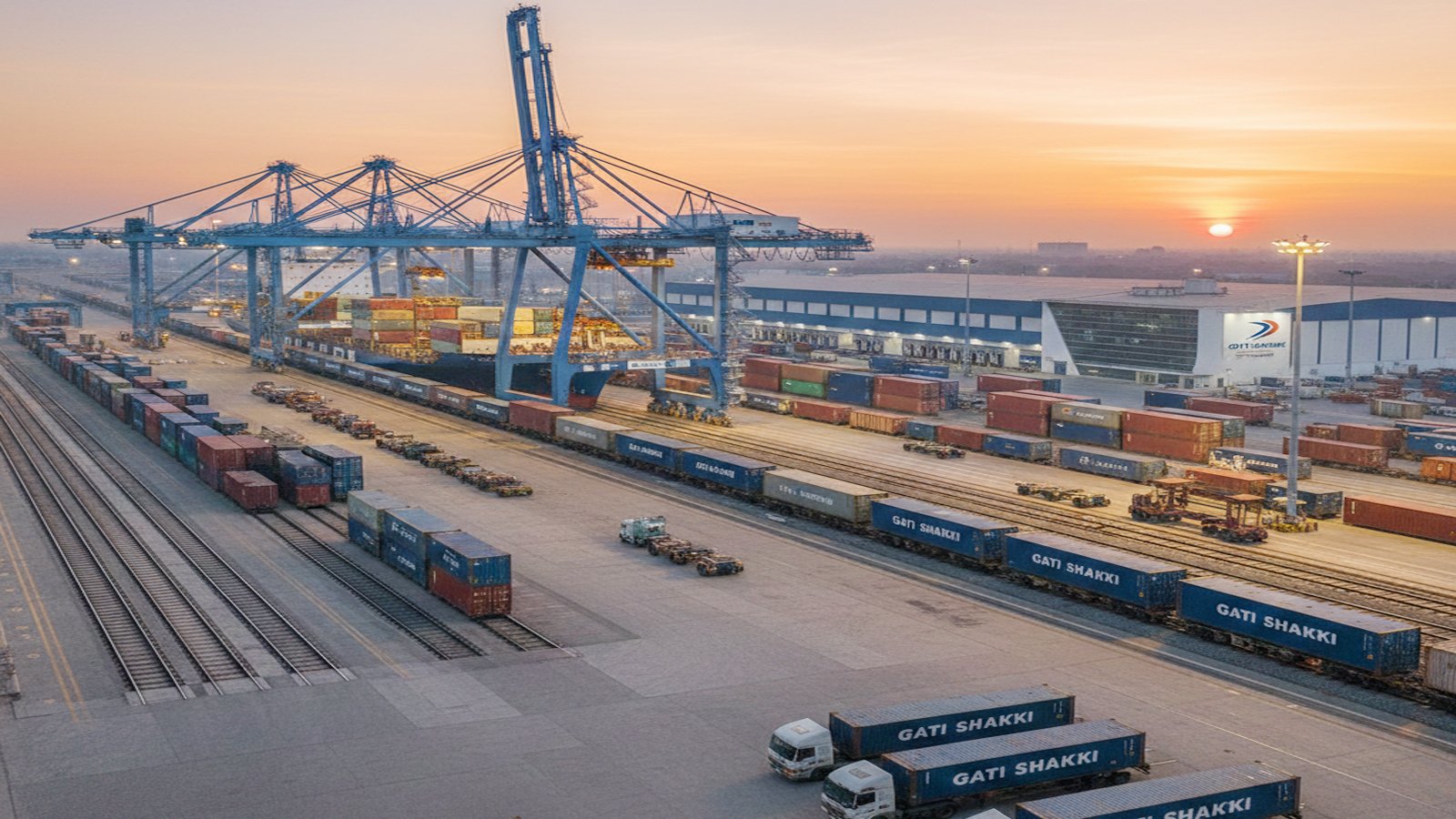
- Monitor Gati Shakti Updates: The national master plan for multi-modal connectivity is drastically reducing logistics costs. Businesses should align their distribution hubs with these new corridors.
- Leverage Digital Public Infrastructure: Use the existing India Stack to build scalable solutions rather than creating proprietary silos for identity and payments.
- Focus on Sustainability: Regulatory bodies are increasingly mandating ESG reporting. Companies that integrate green energy and sustainable practices early will have a competitive advantage in securing capital.
Advantages vs. Limitations: Demographic Dividend vs. Structural Hurdles
India’s greatest advantage is its demographic dividend. With over 500 million people under the age of 25, the nation possesses a massive labor force and a burgeoning consumer market. However, this advantage is contingent upon successful skill development. Structural hurdles remain, including a complex legal system that can lead to long wait times for dispute resolution and a bureaucracy that, while improving, still presents challenges for small and medium enterprises. Land acquisition and power costs also remain higher than some Southeast Asian competitors, necessitating continued policy intervention to maintain manufacturing competitiveness.
FAQ: Understanding India's Strategic Trajectory
Is India on track to become a 5 trillion dollar economy?
Current projections suggest India will reach this milestone by late 2027 or 2028, provided it maintains a real GDP growth of at least 7 percent and manages inflationary pressures effectively.
How does the India Stack benefit foreign investors?
It provides a transparent, paperless, and cashless environment that reduces the cost of doing business and allows for rapid scaling of consumer-facing applications.
What are the key risks to India’s economic growth?
Global oil price volatility, geopolitical tensions affecting trade routes, and the pace of domestic structural reforms are the primary risks monitored by analysts.
Which sectors are expected to lead the growth?
Information technology, renewable energy, pharmaceutical manufacturing, and consumer electronics are the frontrunners for the 2026 outlook.
How is India addressing climate change within its growth strategy?
India has set a target of 500 GW of non-fossil fuel energy capacity by 2030 and is heavily subsidizing green hydrogen and solar manufacturing through PLI schemes.
Conclusion: The Road to a $5 Trillion Economy
The strategic evolution of India is a testament to the power of combining demographic potential with digital infrastructure. By building a resilient domestic market while simultaneously integrating into global value chains, India is securing its future as an economic superpower. As the nation grows, the rise in middle-class wealth will also fuel a boom in domestic tourism and lifestyle spending. For those looking to see the results of this economic rise in the leisure sector, exploring the Ultimate Goa Travel Guide 2026 showcases how infrastructure and increased spending power are transforming traditional destinations. The road to a 5 trillion dollar economy is paved with digital innovation, manufacturing prowess, and a clear strategic vision that prioritizes long-term stability over short-term gains.
Important Note: Financial Disclaimer: This content is for educational purposes only and does not constitute professional financial advice. Always consult with a certified financial planner before making investment decisions.





Comments 0
Leave a Reply
Your email address will not be published. Required fields are marked *
Be the first to share your thoughts!