
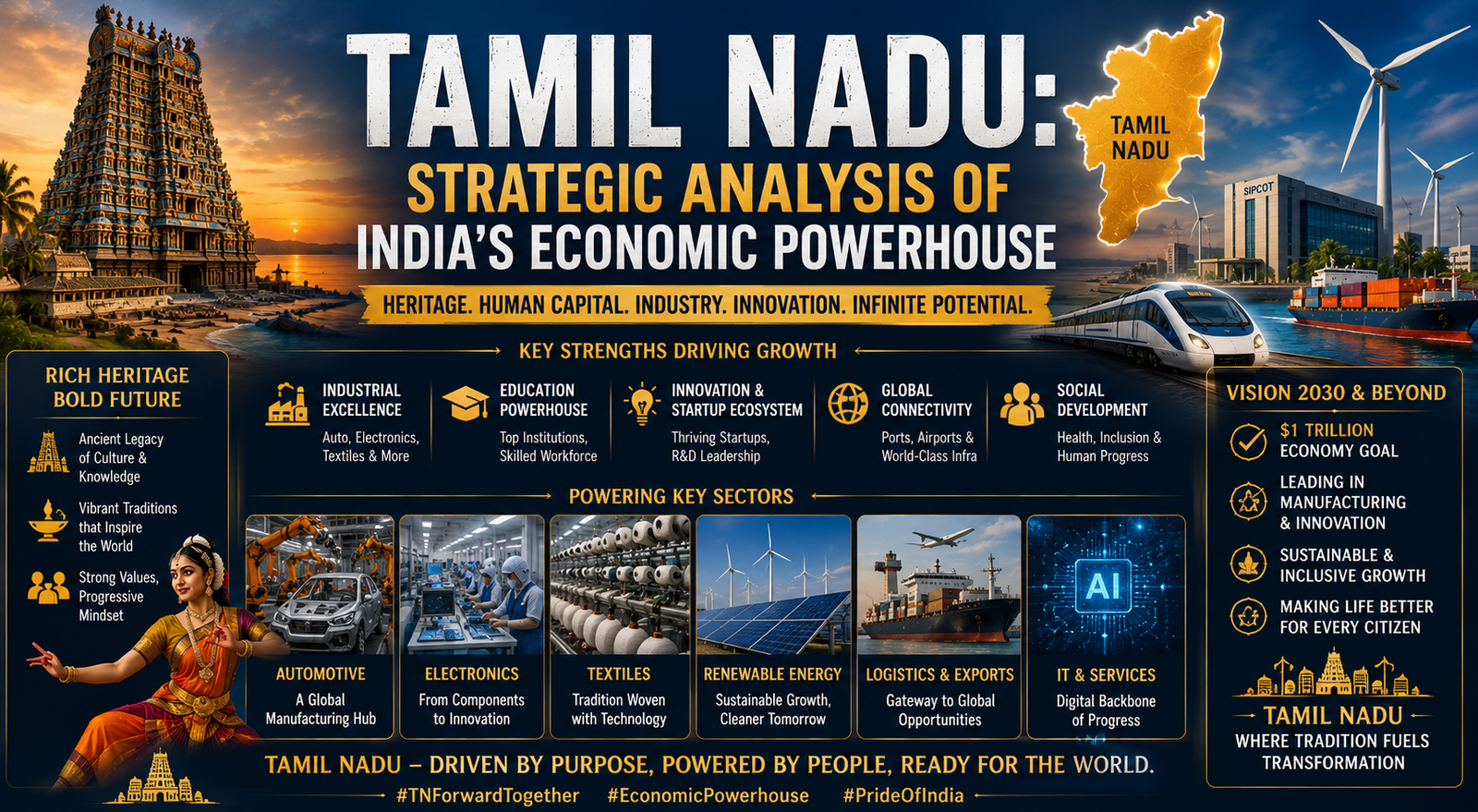
💡 Tamil Nadu: Strategic Analysis of India's Economic Powerhouse
A comprehensive strategic analysis of Tamil Nadu's industrial clusters, economic growth, and its path toward a one trillion dollar economy by 2030.
Executive Summary
Tamil Nadu currently operates as the second-largest state economy in India, contributing approximately 9 percent to the national Gross Domestic Product (GDP). With a Gross State Domestic Product (GSDP) estimated at over 28 trillion INR for the 2023-2024 fiscal year, the state has established itself as a global leader in automotive manufacturing, textile exports, and renewable energy. Key data highlights include a Gross Enrolment Ratio (GER) in higher education of nearly 47 percent, significantly outperforming the national average of 27 percent. Furthermore, the state accounts for over 30 percent of India's automobile exports and 45 percent of its electronic exports, making it a critical node in global supply chains. This analysis examines the strategic frameworks driving this growth and the state's ambitious roadmap to reach a one trillion dollar economy by 2030.
Introduction
Tamil Nadu represents a unique case study in balanced regional development. Unlike many states that rely on a single urban center, Tamil Nadu has successfully nurtured a distributed industrial model across multiple cities like Chennai, Coimbatore, Madurai, Tiruppur, and Hosur. This geographic spread of economic activity has created a resilient infrastructure that supports both traditional manufacturing and high-tech services. As the gateway to South India, the state serves as a primary link for maritime trade through its three major ports, facilitating a significant portion of the country's international commerce. Understanding the strategic evolution of this region requires a look at how it aligns with India's Strategic Evolution: Economic & Digital Analysis, particularly in the context of manufacturing and digital infrastructure.
The Deep Dive: Industrial and Economic Architecture
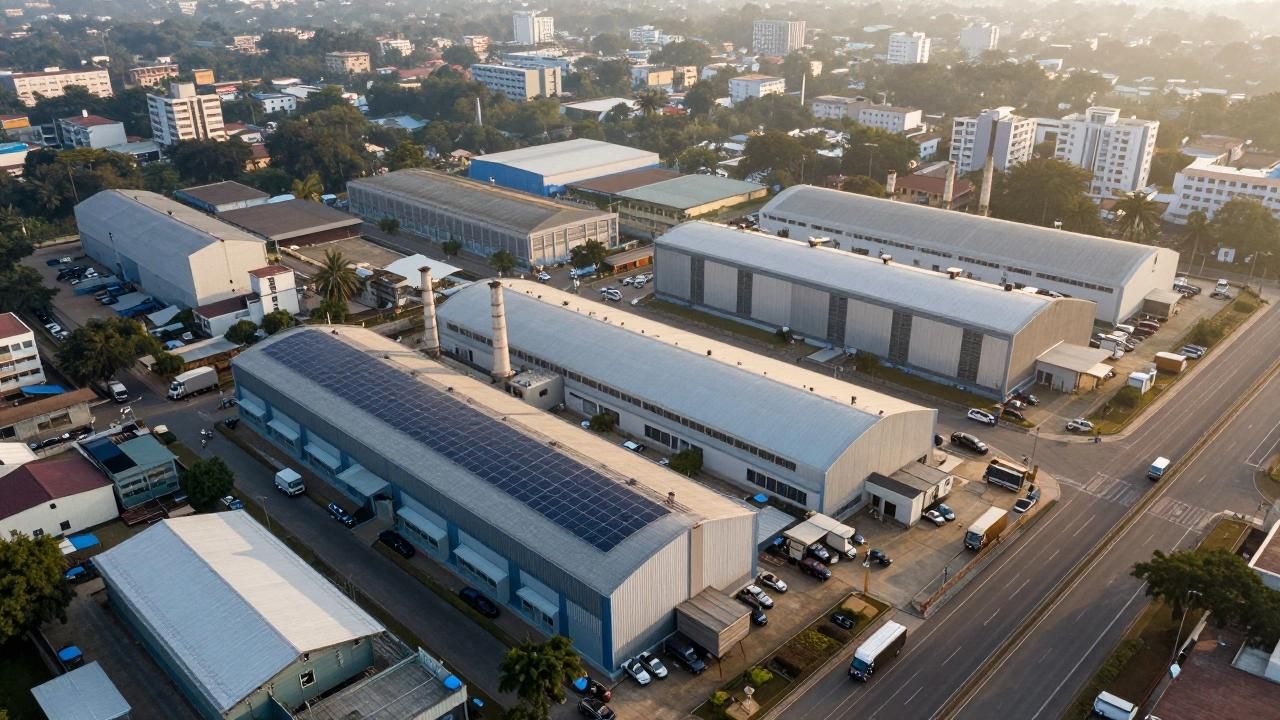
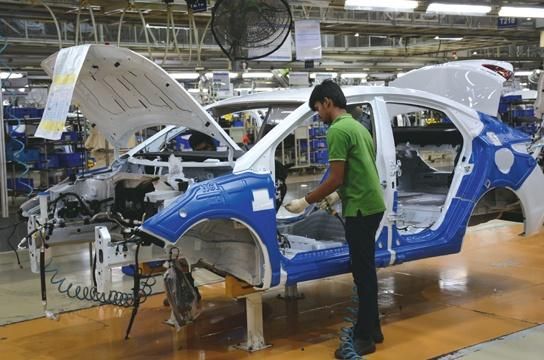
The economic success of Tamil Nadu is rooted in its cluster-based development strategy. This approach has allowed specific regions to specialize in industries where they have a competitive advantage. For instance, Chennai is widely recognized as the Detroit of Asia, housing major global players like Hyundai, Ford, and Renault-Nissan. The automotive sector in the state is not merely about assembly; it encompasses a vast ecosystem of component manufacturers and research facilities. This industrial density provides a significant moat against regional competitors.
In the textile sector, the Tiruppur-Coimbatore-Erode belt, often referred to as the Textile Valley, contributes over 50 percent of India's knitwear exports. This region utilizes a vertically integrated model where spinning, weaving, and garmenting occur in close proximity, reducing logistical overheads. Strategic investments in technology upgrades and sustainable manufacturing practices have kept this cluster competitive despite rising labor costs in other parts of Asia.
The electronics manufacturing sector has seen an unprecedented surge recently. With the entry of major contract manufacturers like Foxconn and Pegatron, Tamil Nadu has become the primary hub for smartphone assembly in India. Data from the Ministry of Commerce indicates that the state's electronics exports grew by nearly 200 percent in the last two fiscal years. This growth is supported by a robust policy framework that provides capital subsidies and land allotments to high-value manufacturing units.
Digital governance also plays a pivotal role in the state's strategic framework. By leveraging systems similar to those discussed in the UIDAI: A Strategic Analysis of India's Digital Identity report, Tamil Nadu has streamlined business approvals through its single-window clearance system. This digital-first approach reduces bureaucratic friction and enhances the ease of doing business, which is a major draw for Foreign Direct Investment (FDI).
Infrastructure and Human Capital
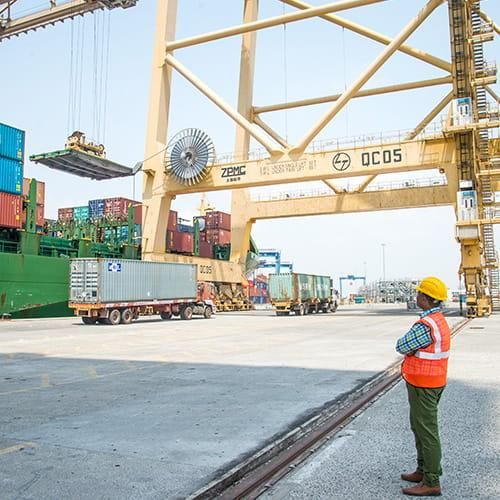
Infrastructure is the backbone of Tamil Nadu's industrial prowess. The state boasts the highest road density in India and a well-connected rail network. Its three major ports, Chennai, Ennore, and Tuticorin, handle a diverse range of cargo from automobiles to coal and liquid chemicals. The presence of these ports is a strategic advantage that allows for seamless export-oriented growth. Furthermore, the state has invested heavily in renewable energy, particularly wind and solar power. Tamil Nadu currently has the highest installed capacity of wind energy in India, contributing significantly to its green energy goals and providing industrial units with sustainable power options.
Human capital remains the state's most significant asset. With over 500 engineering colleges and a high concentration of technical institutes, Tamil Nadu produces a large pool of skilled labor annually. The state's focus on social welfare and education has resulted in a workforce that is not only technically proficient but also highly productive. This demographic advantage is a key reason why global technology firms continue to establish their Global Capability Centers (GCCs) in Chennai.
The real estate and urban development sectors have also mirrored this growth. As more professionals migrate to industrial hubs, the demand for residential and commercial spaces has increased. This trend aligns with broader national shifts seen in the Mortgage Market Strategic Analysis: 2024-2025 Trends, where urbanization drives credit demand and housing development. Tamil Nadu's urban population stands at approximately 48.4 percent, the highest among large Indian states, necessitating sophisticated urban planning and infrastructure management.
What This Means For You
For the individual reader, investor, or professional, the strategic growth of Tamil Nadu offers several actionable insights:
- Investment Opportunities: The state's focus on electronics and renewable energy makes it a prime location for equity investments in companies operating within these supply chains.
- Job Market Trends: There is a high demand for specialized skills in electric vehicle (EV) technology, semiconductor design, and data analytics as the state transitions toward high-tech manufacturing.
- Tourism and Lifestyle: Beyond industry, Tamil Nadu offers a high quality of life with a blend of heritage and modern amenities. The temple tourism circuit and the hill stations of the Western Ghats remain major draws for domestic and international travelers.
- Business Expansion: Small and medium enterprises (SMEs) can benefit from the state's cluster-based ecosystem, which provides access to shared infrastructure and a ready market for components and services.
Expert Verdict and Future Outlook
The strategic outlook for Tamil Nadu is overwhelmingly positive, yet it faces challenges that require careful management. The state's goal of reaching a one trillion dollar economy by 2030 requires a sustained annual growth rate of approximately 15 to 18 percent. To achieve this, the government must continue to diversify into emerging sectors like aerospace, defense, and biotechnology. Additionally, managing the water requirements of both industry and agriculture remains a critical environmental hurdle. Industry experts suggest that the state's focus on the FinTech city in Chennai and the expansion of the aerospace park in Hosur will be the primary drivers of the next phase of growth. The transition to electric mobility is another area where Tamil Nadu is poised to lead, with several EV manufacturers setting up massive production hubs in the state.
FAQ: Authoritative Insights
1. What makes Tamil Nadu a leader in Indian manufacturing?
Tamil Nadu's leadership stems from its diverse industrial base, excellent port connectivity, and a highly skilled workforce. The state's cluster-based model allows for specialized growth in sectors like automotive, textiles, and electronics.
2. How does Tamil Nadu's education system contribute to its economy?
The state has one of the highest Gross Enrolment Ratios in higher education in India. This focus on technical and vocational training ensures a steady supply of skilled labor for its manufacturing and IT sectors.
3. What are the key sectors for investment in Tamil Nadu?
Key sectors include Electric Vehicles (EVs), electronics manufacturing, renewable energy (wind and solar), and information technology services.
4. How is the state planning to reach its $1 trillion GDP goal?
The strategy involves attracting high-value manufacturing, enhancing digital infrastructure, expanding export capabilities, and developing new industrial corridors in less developed regions.
5. Is Tamil Nadu safe for business and tourism?
Tamil Nadu consistently ranks high on safety and social stability indices in India. It has a professional police force and a stable political environment, making it conducive for both business operations and travel.
Conclusion
Tamil Nadu stands as a testament to the power of structured industrial planning and social investment. By successfully integrating traditional manufacturing with modern technology and renewable energy, the state has created a robust economic model that serves as a blueprint for regional development. As it moves toward its ambitious 2030 targets, the strategic focus on innovation, human capital, and infrastructure will remain the cornerstones of its success. For stakeholders, the state offers a stable, high-growth environment that is well-positioned to capitalize on the shifting dynamics of global trade and digital transformation.





Comments 0
Leave a Reply
Your email address will not be published. Required fields are marked *
Be the first to share your thoughts!