

Gurgaon (Gurugram) is currently experiencing changing weather conditions, including rain alerts, cold wave effects, and air quality concerns. In recent weeks, the Millennium City has experienced a period of intense weather volatility, ranging from record-breaking cold waves to sudden rain forecasts and persistent air quality concerns. For the thousands of professionals navigating the Delhi-Gurgaon Expressway and the residents of its sprawling high-rises, real-time weather tracking has become an essential tool for daily planning.
The city is seeing frequent weather changes, including temperature shifts, rain chances, and pollution concerns, bringing with it a mix of clear skies, hazardous pollutants, and impending precipitation. Authorities and weather experts are keeping a close watch on the shifting patterns, as the city prepares for a series of environmental challenges that impact everything from public health to transit infrastructure.
IMD Weather Alert: Rain and Thunderstorms Forecast
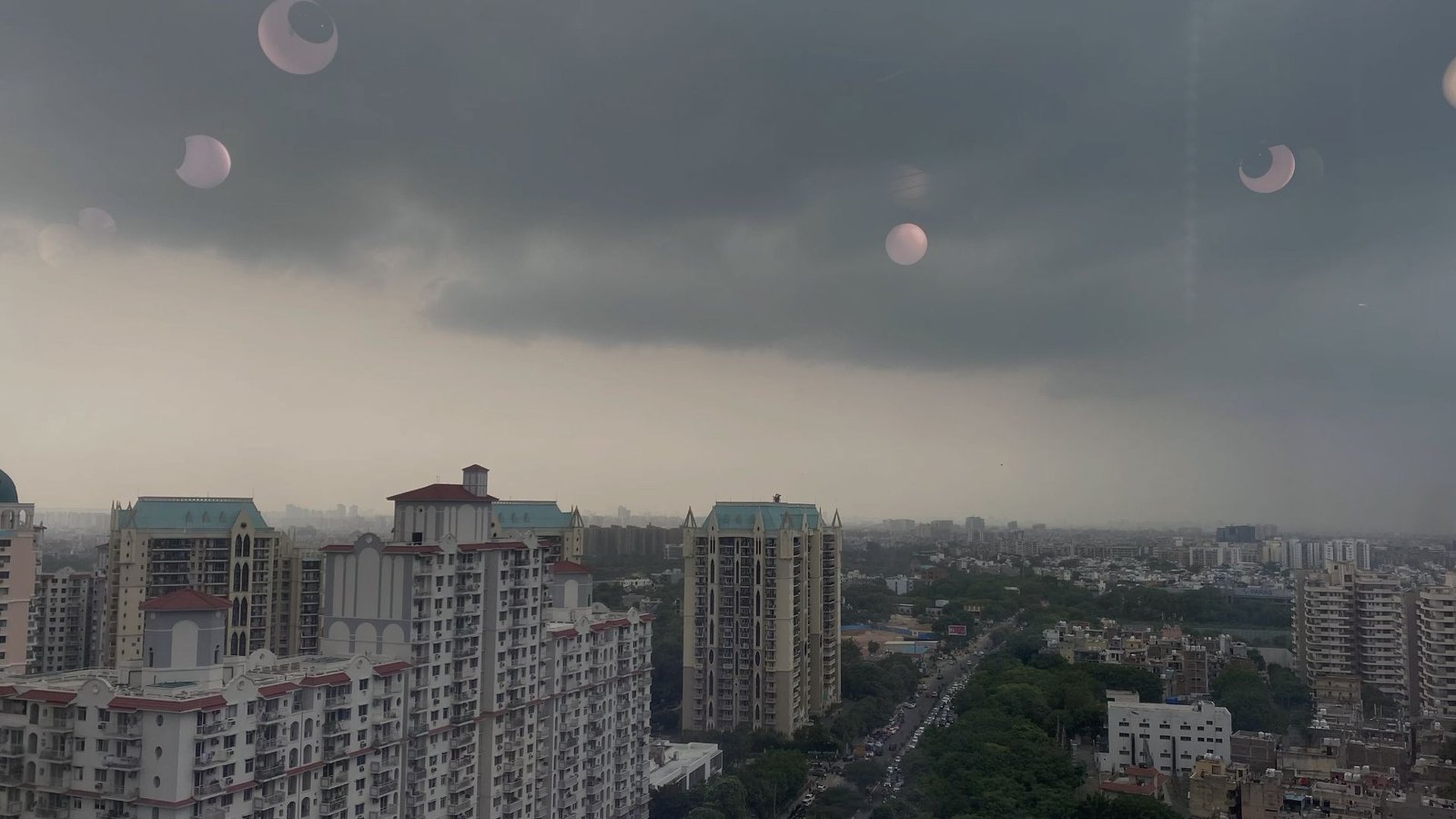
IMD has issued a yellow alert for rain and thunderstorms in Gurgaon and nearby NCR areas for March 19–20. According to the latest forecasts, Gurgaon, along with Delhi and Noida, is expected to witness a significant change in weather conditions. The IMD predicts that rain and thunderstorms are likely to persist across the city through March 20, marking a wet start to the latter half of the month. This alert serves as a cautionary signal for residents to prepare for sudden downpours and potential lightning strikes.
The anticipated rainfall is expected to have a dual impact on the city. While the moisture may provide temporary relief from the dust and heat, the sudden influx of rain can lead to a sharp rise in humidity levels. Furthermore, the thunderstorms are likely to cause a dip in the maximum temperatures, offering a brief respite from the climbing mercury as the city transitions out of the winter months. Commuters are advised to stay updated with real-time alerts, as these localized storms can often be intense and unpredictable.
Gurugram AQI Update: Hazardous Air Quality Concerns
Gurgaon is still facing poor air quality, with AQI often reaching hazardous levels even during clear weather.. Recent updates indicate that the Air Quality Index (AQI) in Gurugram remains at alarming levels, frequently entering the 'Hazardous' category. This situation presents a frustrating paradox for residents who may see blue skies while breathing in high concentrations of particulate matter (PM2.5 and PM10).
The persistence of poor air quality, even in the absence of dense fog, highlights the deep-seated pollution challenges facing the NCR. Health experts and local authorities have issued advisories, particularly for vulnerable groups such as children, the elderly, and those with respiratory conditions. During these periods of severe pollution, residents are encouraged to minimize outdoor activities, use air purifiers indoors, and wear high-grade masks when venturing outside. The stagnation of pollutants in the atmosphere remains a critical concern for the city's long-term public health.
Extreme Winter Trends: Record-Breaking Cold Waves
Gurgaon recently experienced very low winter temperatures, including a minimum of 0.6°C during a cold wave. In a staggering turn of events, temperatures in the city plummeted to a low of 0.6°C, as a severe cold wave gripped the region. This temperature hit a new low for the city, reflecting a broader trend of extreme weather events in Northern India. The freezing conditions were accompanied by dense fog, which significantly hampered visibility on the roads and disrupted morning commutes for thousands of workers.
Comparing these current extremes with historical weather data reveals a pattern of increasing volatility. The shift from severe cold to sudden rain highlights the unpredictable nature of Gurgaon's climate. During the peak of the cold wave, the city faced not only freezing temperatures but also the logistical challenges of fog-induced delays in rail and air travel, emphasizing the need for robust winter-ready infrastructure in the Millennium City.
Seasonal Transitions: From Severe Cold to Spring Showers
The weather is now shifting from cold conditions to warmer days, with chances of rain and thunderstorms. This shift is largely driven by Western Disturbances-weather systems originating from the Mediterranean region that bring moisture and turbulence to Northern India. These disturbances are the primary cause of the thunderstorms and rain forecast for late March.
During this period, residents can expect significant temperature fluctuations. While the days may start to feel warmer, the arrival of rain can cause evening temperatures to drop suddenly. This transition period requires residents to stay adaptable, as the weather can shift from clear and sunny to stormy within a matter of hours. The interplay between these moisture-laden winds and the local topography of the NCR creates a dynamic environment that keeps meteorologists on high alert.

Impact on Infrastructure and Daily Commute
Rain and fog often affect traffic and visibility on major roads like the Delhi-Gurgaon Expressway, causing delays. The Delhi-Gurgaon Expressway, one of the busiest stretches of road in the country, often bears the brunt of these weather events. Sudden rain can lead to waterlogging in low-lying areas and underpasses, causing significant traffic congestion and increasing the risk of vehicle breakdowns. During the recent cold wave, dense fog reduced visibility to near zero, requiring drivers to exercise extreme caution.
Safety remains a top priority during these periods. Authorities recommend that drivers use fog lights, maintain a safe distance from other vehicles, and avoid speeding during low-visibility conditions. Furthermore, the potential for waterlogging necessitates better urban planning and drainage maintenance to ensure that the city remains functional even during heavy downpours. For those relying on public transport, weather-induced delays are a common occurrence that must be factored into daily schedules.
Preparing for Gurgaon’s Weather Extremes
Given the volatility of the local climate, residents of the NCR must be prepared for a wide range of conditions. For the rainy season, keeping umbrellas, raincoats, and waterproof gear is essential. During the winter, high-quality thermal wear is necessary to combat temperatures that can drop toward the freezing point. Additionally, with the AQI often reaching hazardous levels, maintaining indoor air quality through filters and plants has become a necessity rather than a luxury.
Staying updated with real-time information from the IMD and local news outlets is the best way to navigate these changes. By understanding the patterns of Western Disturbances and the triggers for air pollution, the community can better manage health risks and logistical hurdles. Preparation and awareness are the keys to thriving in Gurgaon’s ever-changing environment.

Conclusion and Frequently Asked Questions
In summary, Gurgaon is currently navigating a complex weather pattern involving IMD yellow alerts for rain, hazardous air quality levels, and the lingering effects of a record-breaking cold winter. As the city transitions through March, residents should remain vigilant regarding weather updates and health advisories.
Frequently Asked Questions
Q: Will it rain in Gurgaon today?
IMD has issued a yellow alert for March 19–20 with chances of rain and thunderstorms in Gurgaon.
Q: Why is the AQI high despite clear weather?
AQI stays high due to pollution particles like PM2.5 from vehicles and industrial activity.
Q: What was the lowest temperature recorded in Gurgaon recently?
Gurgaon recently recorded a minimum temperature of 0.6°C during a cold wave.





Comments 0
Leave a Reply
Your email address will not be published. Required fields are marked *
Be the first to share your thoughts!