💡 H-1B Visa Policy and Global Talent Strategy
An authoritative analysis of H-1B visa policies, their impact on the global talent war, and strategic implications for corporate ROI and innovation.
Executive Summary
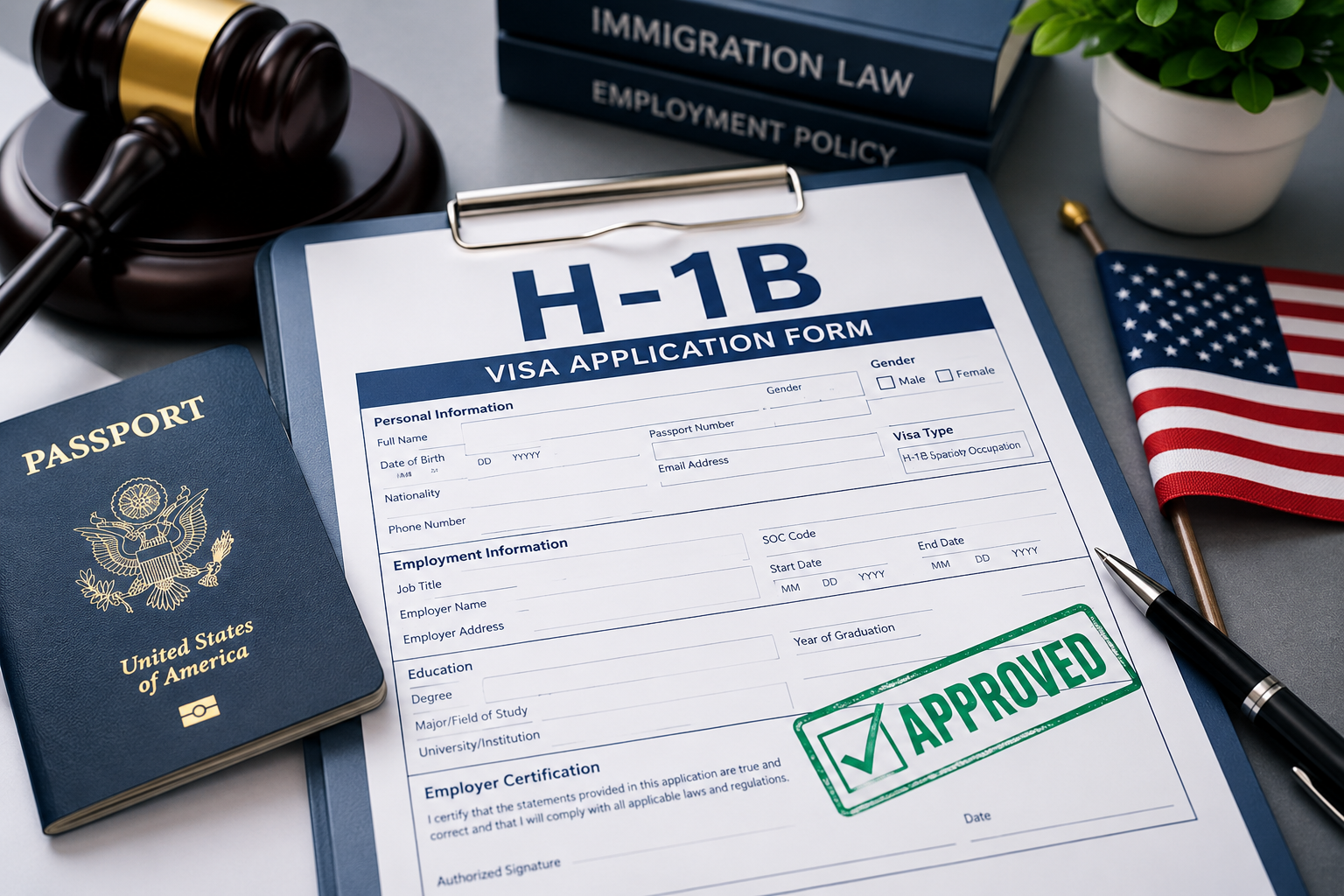
The H-1B visa program remains a major pathway for U.S. employers seeking highly skilled foreign professionals, particularly in technology, engineering, healthcare, and other specialty occupations. The statutory annual cap remains 85,000 new H-1B visas, including 65,000 under the regular cap and 20,000 for the U.S. advanced-degree exemption.
Demand continues to far exceed the available cap. For FY 2025, USCIS received 470,342 eligible H-1B registrations, compared with 758,994 in FY 2024. USCIS attributed much of this decline to the introduction of its new beneficiary-centric selection process, which limits duplicate registrations for the same individual.
The economic importance of H-1B talent extends beyond filling specialized roles. Research has linked skilled immigration with innovation and increased patenting in some firms and industries, although the size of the effect varies across studies. Rather than claiming a universal 10% increase in patenting, the evidence suggests that access to highly skilled international talent can contribute to innovation and long-term business growth.
Introduction: The Global Race for Intellectual Capital
In the modern corporate landscape, the ability to secure specialized talent is no longer simply an HR function; it is a core strategic priority. The H-1B visa program allows U.S. employers to hire foreign professionals in specialty occupations requiring specialized knowledge, making it particularly important for technology, engineering, healthcare, research, and other highly skilled fields. As organizations expand globally, access to international talent has become an important factor in maintaining competitiveness and innovation.
THE DEEP DIVE: Policy Mechanics and Economic Impact
The H-1B program operates under an annual statutory limit of 65,000 regular-cap visas, plus 20,000 additional visas for qualifying beneficiaries with advanced degrees from U.S. institutions. Beginning with the FY 2025 registration cycle, USCIS introduced a beneficiary-centric selection process, giving each individual beneficiary a single opportunity in the selection process regardless of the number of registrations submitted on their behalf. The change was intended to reduce duplicate registrations and improve the integrity of the lottery system.
From a corporate perspective, H-1B sponsorship also involves government filing fees and, depending on the case, legal and other employer costs. These expenses vary according to factors such as the petition type, employer size, and requested services, so a single universal sponsorship-cost figure can be misleading. Despite these costs, companies continue to use the program to access specialized expertise in fields such as software development, engineering, healthcare, and advanced technology.
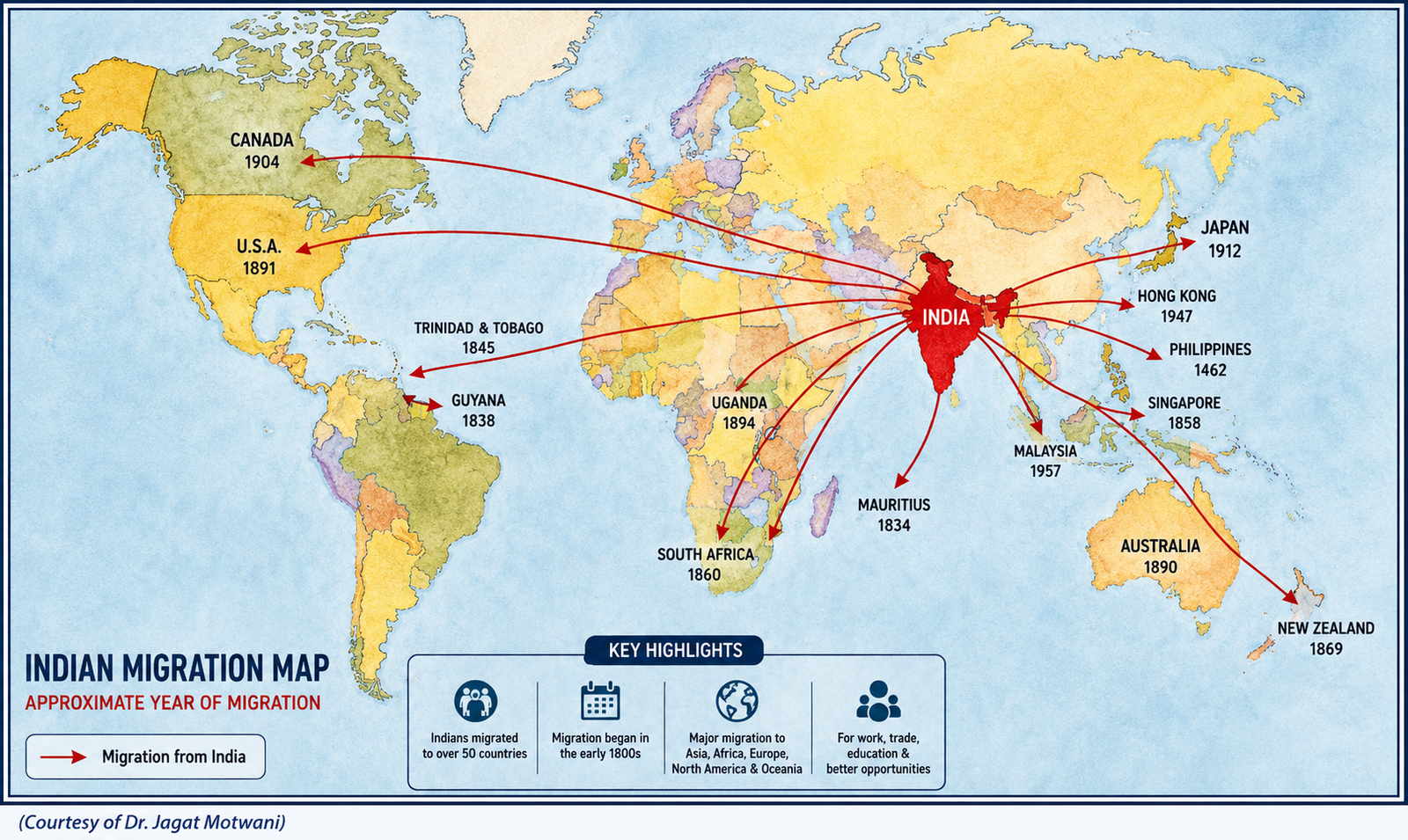
The geographical distribution of H-1B talent is also significant. India was the country of birth for approximately 71% of H-1B beneficiaries in approved petitions in FY 2024, making it by far the largest source country. China was the second-largest source at approximately 12%.
This concentration highlights the strong connection between U.S. technology and professional-services employers and international talent markets. For companies, the strategic challenge is therefore not only obtaining H-1B workers but also building broader global talent strategies that can manage immigration uncertainty, compliance requirements, costs, and long-term employee retention.
Corporate Strategy and Risk Mitigation
For large organizations, H-1B policy is an important workforce and risk-management consideration. Because the annual selection process is competitive, companies often develop broader global mobility strategies to reduce dependence on a single immigration pathway. These strategies may include:
- Global Hiring: Building teams in countries with strong technology and professional talent pools.
- Nearshoring: Using talent in countries with compatible time zones while reducing reliance on U.S. visa availability.
- Remote Work Infrastructure: Investing in secure collaboration and cloud systems that allow international teams to work effectively across locations.
- International Expansion: Establishing development or operational centers outside the United States when business and talent requirements justify it.
Companies with geographically diversified workforces can reduce the operational impact of changes in U.S. immigration policy. This makes global talent planning an increasingly important component of long-term workforce strategy.
WHAT THIS MEANS FOR YOU: Actionable Breakdown
For business leaders and HR professionals, the H-1B environment requires a proactive approach:
- Budget for Immigration Costs: Account for applicable USCIS filing fees, legal expenses, and optional services such as premium processing when planning sponsorship costs.
- Prioritize Compliance: Employers must comply with H-1B requirements, including applicable wage obligations, Labor Condition Application requirements, and recordkeeping rules.
- Evaluate Alternative Options: Depending on the employee and employer circumstances, alternatives such as the O-1 or L-1 classifications may be worth evaluating. These categories have different eligibility requirements and are not subject to the H-1B annual cap.
- Plan for Retention: When a company invests significantly in specialized talent, long-term retention and, where appropriate, employment-based permanent-residence planning can help protect that investment.
- Build a Global Talent Strategy: Maintaining qualified talent outside the United States can provide additional flexibility when immigration policies or hiring conditions change.

Expert Verdict / Future Outlook
The future of H-1B policy will likely remain focused on program integrity, wage protections, employer compliance, and access to highly skilled international talent. Recent changes, including the beneficiary-centric selection process, demonstrate the government's continued effort to reduce duplicate registrations and improve the integrity of the H-1B system.
For employers, the key strategic challenge will be balancing access to global talent with changing immigration requirements and costs. At the same time, competition from other countries for highly skilled workers means that companies increasingly need flexible global workforce strategies. Whether the U.S. ultimately changes the statutory 85,000 annual cap remains a policy question rather than a settled outcome.
FAQ: Authoritative Insights
What is the current H-1B cap?
The statutory cap is 65,000 visas under the regular quota plus 20,000 for qualifying U.S. advanced-degree beneficiaries, for a total of 85,000 new cap-subject H-1B visas annually.
How does the beneficiary-centric selection work?
USCIS selects registrations based on the unique beneficiary rather than the number of registrations submitted. USCIS also requires valid passport or qualifying travel-document information for each beneficiary.
What are the prevailing wage requirements?
For H-1B employment, employers generally must pay the higher of the actual wage paid to similarly qualified employees or the applicable prevailing wage for the occupation and area of employment.
Can H-1B holders change employers?
Yes. Eligible H-1B workers may generally use H-1B portability. In qualifying cases, the worker can begin employment with the new employer after the new employer properly files a nonfrivolous H-1B petition, subject to the applicable requirements.
Is H-1B a direct path to a Green Card?
No. H-1B status does not automatically lead to permanent residence. However, H-1B status is compatible with pursuing employment-based permanent residence, and eligible workers may pursue a Green Card through a separate immigration process.
Important Note: Immigration laws and policies can change rapidly. This article is for general educational and strategic-analysis purposes and is not legal or immigration advice. Individuals and employers should consult a qualified U.S. immigration attorney for advice regarding their specific circumstances.
Conclusion
The H-1B visa program is more than an immigration mechanism; it is an important component of the U.S. talent and innovation ecosystem. Its annual cap, competitive selection process, wage requirements, compliance obligations, and evolving regulatory environment create both challenges and opportunities for employers.
For businesses, the strongest strategy is not simply to depend on the H-1B lottery. Companies that combine U.S. hiring with global talent planning, strong immigration compliance, employee retention, and geographically diversified teams will be better positioned to adapt to changes in immigration policy.






Comments 0
Leave a Reply
Your email address will not be published. Required fields are marked *
Be the first to share your thoughts!