
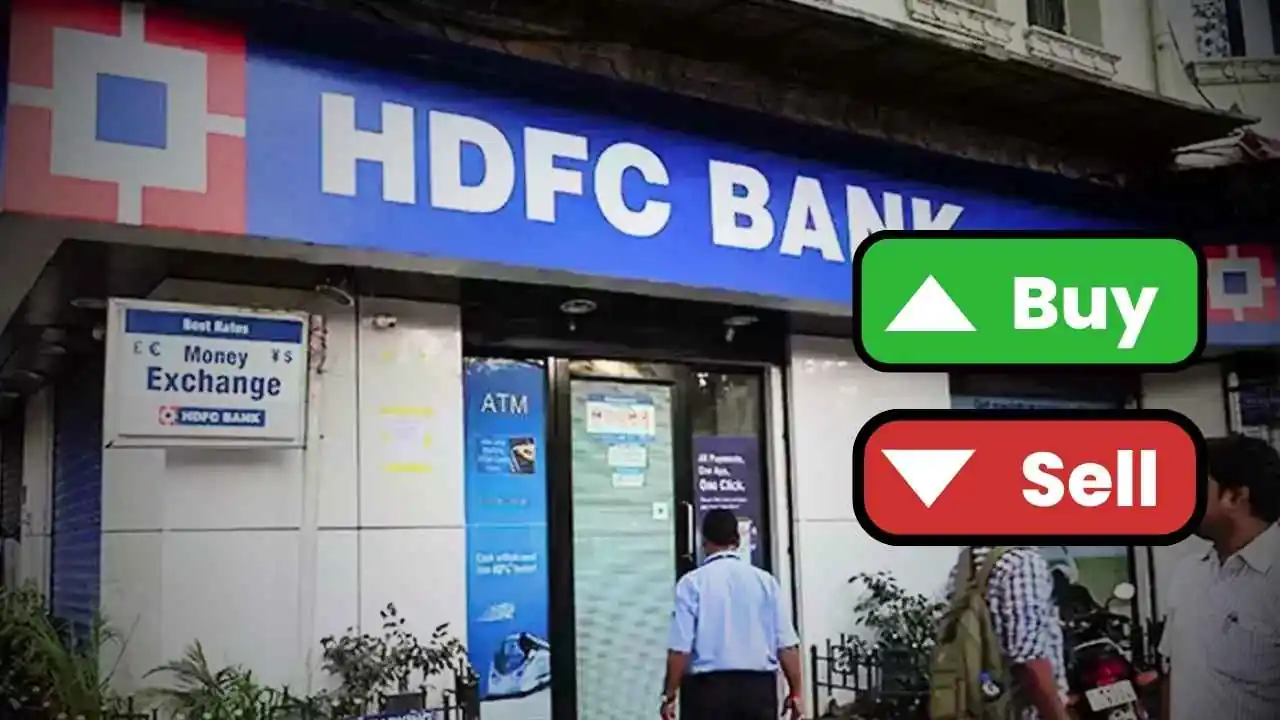
💡 Where is Hdfc bank share price?
A comprehensive guide to HDFC Bank share price movements, exploring fundamental drivers, leadership impact, and long-term investment strategies for Indian investors.
Understanding HDFC Bank Share Price: A Comprehensive Guide for Investors
As of 2026, HDFC Bank remains one of India’s most trusted private banks, and its share price is closely watched by investors across the country. The stock often reflects broader economic trends such as interest rates, loan growth, and overall market sentiment. For investors, understanding the factors affecting the HDFC Bank share price is not just about tracking numbers on a screen; it involves analyzing complex macroeconomic factors, internal governance, and the evolving landscape of digital banking.
In the world of finance, few entities command as much attention as HDFC Bank. Whether you are a retail investor looking for long-term wealth creation or a professional analyst monitoring sectoral shifts, the movements in this specific stock provide deep insights into consumer spending, credit growth, and the overall stability of the banking sector in India.
What are the primary drivers of the HDFC Bank share price?
The valuation of HDFC Bank is influenced by several fundamental metrics that reflect its operational efficiency and profitability. Here are the key factors that directly affect the HDFC Bank share price:
- Net Interest Margin (NIM): This is the difference between the interest income earned by the bank and the interest paid to its lenders. A stable or expanding NIM is typically viewed positively by the market, as it indicates efficient capital management.
- Asset Quality: Investors closely monitor Gross Non-Performing Assets (GNPA) and Net Non-Performing Assets (NNPA). HDFC Bank has historically maintained superior asset quality compared to its peers, which has earned it a valuation premium.
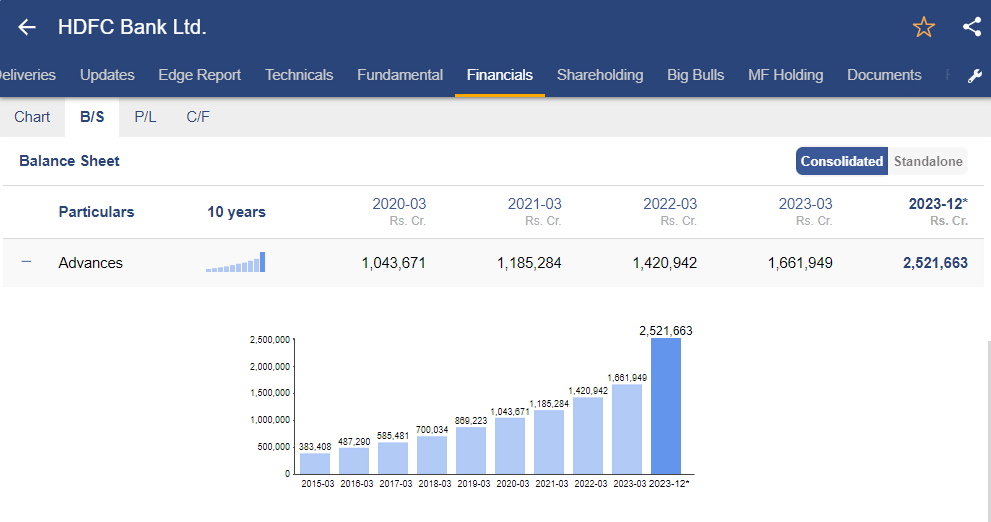
- Credit Growth: The rate at which the bank expands its loan book, particularly in retail and corporate segments, directly impacts future earnings expectations.
- Deposit Growth: In a competitive environment, the ability to mobilize low-cost deposits (CASA ratio) is vital for sustaining margins.
Real Example: How HDFC Bank Share Price Reacts
For example, when the Reserve Bank of India (RBI) increases interest rates, HDFC Bank often benefits in the short term because it can earn more from loans. However, if interest rates stay high for a long time, loan demand may slow down, which can impact the bank’s growth and share price.
How does corporate governance affect HDFC Bank stock valuation?
Corporate governance is a cornerstone of investor trust. In large institutions, the relationship between the board and the executive leadership is scrutinized heavily.Corporate governance plays an important role in investor confidence. Any major leadership change or uncertainty in management can create short-term fluctuations in the share price, as investors prefer stability in large financial institutions like HDFC Bank. such as Chairman Atanu Chakraborty and CEO Sashidhar Jagdishan, can create a sense of uncertainty among institutional investors.
When leadership transitions occur or when there are reports of disagreements regarding the strategic direction of the bank, the market often reacts by pricing in a risk premium. Stability in the boardroom ensures that the bank can focus on long-term goals like digital transformation and post-merger integration without internal distractions. As per recent industry reports, maintaining a cohesive leadership structure is essential for HDFC Bank to navigate the challenges of the post-merger era with HDFC Limited.

What was the impact of the HDFC Limited merger on the share price?
The merger between HDFC Bank and its parent entity, HDFC Limited, was one of the largest corporate actions in Indian history. This structural change had a profound impact on the HDFC Bank share price. While the merger created a financial behemoth with a massive balance sheet, it also brought challenges related to regulatory requirements, such as the Cash Reserve Ratio (CRR) and Statutory Liquidity Ratio (SLR) on the newly added liabilities.
Analysts observe that the post-merger phase involves a period of consolidation. The market is currently evaluating how quickly the bank can cross-sell its products to the vast customer base of the erstwhile HDFC Limited. The synergy benefits are expected to manifest over the long term, but the immediate pressure on margins due to higher funding costs has been a point of discussion among market participants.
How to analyze HDFC Bank share price using technical and fundamental tools?
For individuals looking to make informed decisions, a dual approach combining fundamental and technical analysis is often recommended.
Fundamental Analysis
This involves looking at the Price-to-Book (P/B) ratio and the Price-to-Earnings (P/E) ratio. Historically, HDFC Bank has traded at a higher P/B ratio than most Indian banks due to its consistent return on equity (ROE) and low default rates. Investors should compare these ratios against five-year averages to determine if the stock is undervalued or overvalued.
Technical Analysis
For example, if the RSI of HDFC Bank goes above 70, it may indicate the stock is overbought and could see a short-term correction. Similarly, when the 50-day moving average crosses above the 200-day moving average, it is often seen as a bullish signal by traders. Moving averages, such as the 50-day and 200-day Simple Moving Averages (SMA), help in identifying the long-term trend of the stock. A crossover where the short-term average moves above the long-term average is often interpreted as a bullish signal.
What are the common mistakes investors make with HDFC Bank shares?
Even with a blue-chip stock like HDFC Bank, investors can fall into certain traps. Recognizing these common mistakes can help in preserving capital:
Many beginner investors make the mistake of buying HDFC Bank shares just because the price is rising, without checking interest rates or RBI policies. This can lead to poor investment decisions and losses.
- Overreacting to Short-term News: While leadership changes or quarterly fluctuations are important, long-term investors should focus on the structural growth story of Indian banking rather than daily headlines.
- Neglecting Sectoral Shifts: The rise of FinTech and digital payment platforms poses a challenge to traditional banking. Investors should assess how well HDFC Bank is adapting its technology stack to compete.
Pro Tips for Investing in HDFC Bank
According to seasoned market experts, a disciplined approach is key to handling a heavyweight stock like HDFC Bank. Here are some professional insights:
- The SIP Approach: Given the stock's significance, a Systematic Investment Plan (SIP) approach can help in averaging the purchase cost over different market cycles.
- Monitor FII Holdings: HDFC Bank is a favorite among Foreign Institutional Investors (FIIs). Large inflows or outflows from global emerging market funds often dictate the short-term direction of the share price.
- Watch the Credit-to-Deposit Ratio: In the current environment, the bank's ability to grow its deposit base faster than its loan book is a key metric to watch for margin sustainability.

Frequently Asked Questions (FAQs)
What is the significance of HDFC Bank in the Nifty 50 index?
HDFC Bank holds one of the highest weightages in the Nifty 50 index. This means that significant movements in the HDFC Bank share price can single-handedly influence the direction of the entire Indian stock market index.
How do interest rate hikes affect HDFC Bank shares?
Generally, interest rate hikes can lead to higher margins if the bank passes on the rate increase to borrowers faster than it does to depositors. However, very high rates can also lead to a slowdown in loan demand and potential increases in defaults.
Why is the leadership structure of HDFC Bank so closely watched?
As a systemic institution, the leadership at HDFC Bank is responsible for managing trillions of rupees in assets. Investors look for a harmonious relationship between the Chairman and the CEO to ensure that the bank's strategic vision is executed without friction.
Is HDFC Bank considered a defensive stock?
While it is a growth stock within the banking sector, many investors treat it as a defensive play due to its historical resilience during market downturns and its high standards of risk management.
Should You Invest in HDFC Bank in 2026?
HDFC Bank continues to be a strong option for long-term investors due to its stable performance and strong management. However, after the HDFC Ltd merger, investors should be aware of short-term challenges like margin pressure and slower deposit growth. It is always better to invest with a long-term perspective rather than reacting to short-term market movements.
Conclusion
The HDFC Bank share price is a reflection of many moving parts: from the individual performance of its massive loan portfolio to the broader dynamics of the Indian economy and the stability of its internal leadership. While short-term fluctuations caused by governance reports or merger-related adjustments are inevitable, the bank's fundamental strength remains a point of interest for market participants. By understanding the core drivers and maintaining a long-term perspective, investors can better navigate the complexities of India's premier private banking stock.
Important Note: Financial Disclaimer: This content is for educational purposes only and does not constitute professional financial advice. Always consult with a certified financial planner before making investment decisions.
Related Media
Quick View: Understanding HDFC Bank Share Price: Factors Influencing India's Largest Private Lender





Comments 0
Leave a Reply
Your email address will not be published. Required fields are marked *
Be the first to share your thoughts!