

💡 Hyderabad: Strategic Analysis of India's Tech and Pharma Hub
An in-depth professional analysis of Hyderabad’s economic growth, infrastructure development, and its emergence as a global leader in IT and Life Sciences.
Executive Summary
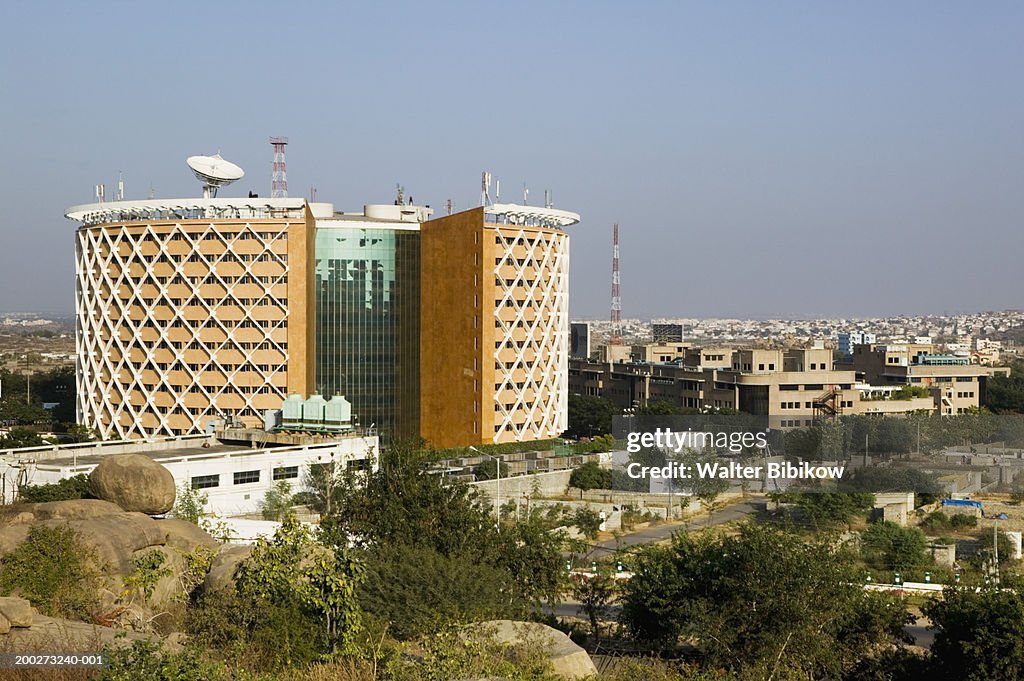
Hyderabad has transitioned from a historical administrative center to a global powerhouse in the technology and life sciences sectors. This strategic analysis highlights three primary growth drivers: a robust pharmaceutical ecosystem contributing to 30 percent of global vaccine production, a rapidly expanding IT sector with over 900,000 employees, and a real estate market that has seen a 15 to 20 percent year-on-year capital appreciation. Key data indicates that Hyderabad contributes approximately 10 percent to India’s total IT exports, valued at over 24 billion USD. The city's growth is underpinned by the TS-iPASS policy framework, which ensures rapid industrial clearances, making it a primary destination for Foreign Direct Investment (FDI) in the Asia-Pacific region.
Introduction: The Economic Pivot of Southern India
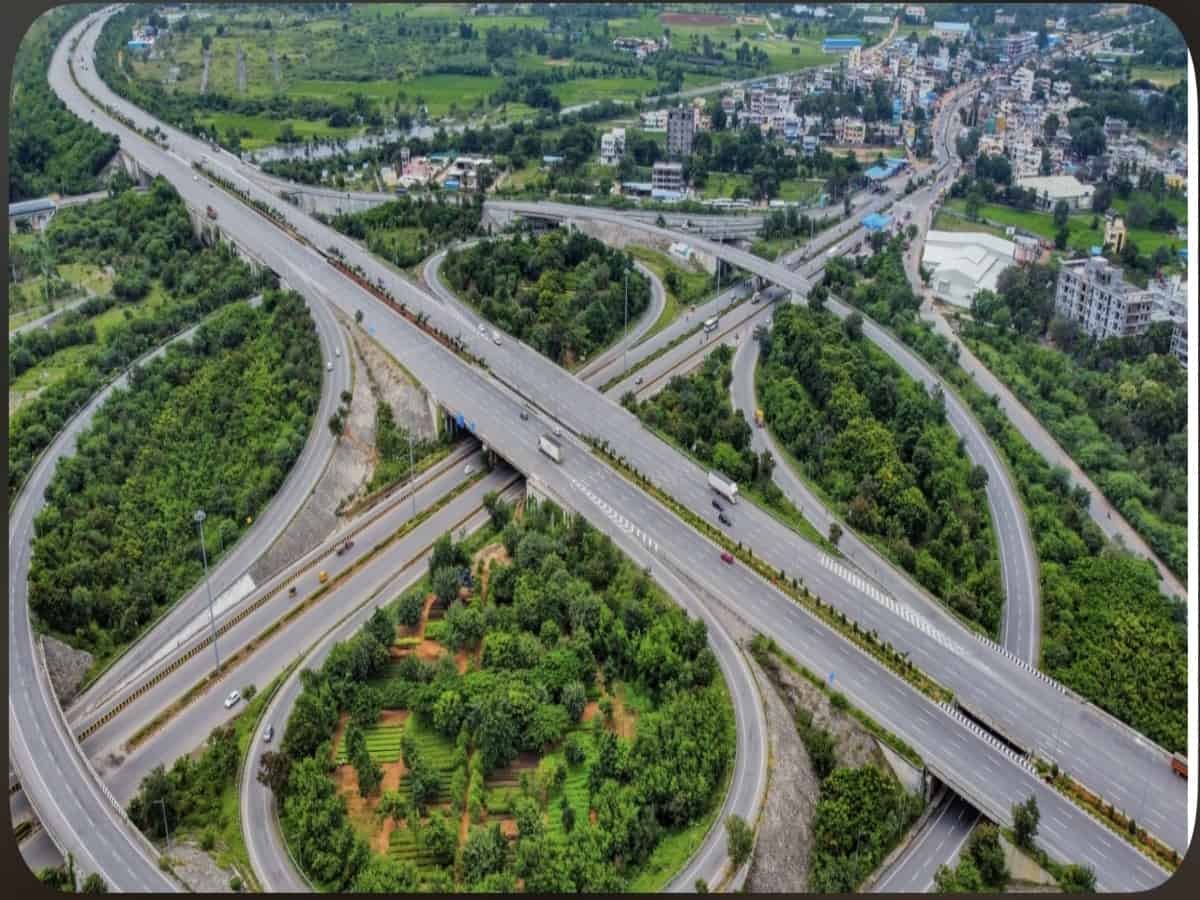
For decades, Hyderabad was recognized primarily for its heritage and administrative significance. However, the last twenty years have seen a radical shift in its economic DNA. Unlike other metropolitan areas that rely on a single industry, Hyderabad has cultivated a dual-engine economy powered by information technology and pharmaceutical manufacturing. The city has effectively leveraged its geographic advantage in the Deccan Plateau to build a massive infrastructure network, including the 158-kilometer Outer Ring Road (ORR), which has redefined urban expansion. As we analyze the 2026 Strategic Outlook: Global Shifts in Technology and Finance, Hyderabad emerges as a critical node in the global supply chain, particularly for high-end software development and biotechnology.
The IT and SaaS Dominance
The Information Technology sector in Hyderabad is no longer just a back-office hub for global corporations. It has evolved into a center for Research and Development (R&D). Major global players, including Microsoft, Google, Amazon, and Meta, have established their largest offices outside of the United States in this city. According to recent industry reports, the city saw an office space absorption of 8 million square feet in the last fiscal year alone. This growth is not limited to software services but extends into the fintech space. The rise of digital payment ecosystems in the city reflects the broader financial trends analyzed in the Jio Finance Share Price: Strategic Analysis of Market Value report, where institutional investment is increasingly flowing into tech-heavy urban centers.
The presence of T-Hub, India’s largest startup incubator, has further solidified the city’s reputation as a leader in innovation. With over 2,000 startups supported, the ecosystem focuses on deep tech, artificial intelligence, and machine learning. This focus ensures that the local workforce remains competitive in an era of rapid automation and digital transformation.
The Pharma Capital: Genome Valley and Beyond
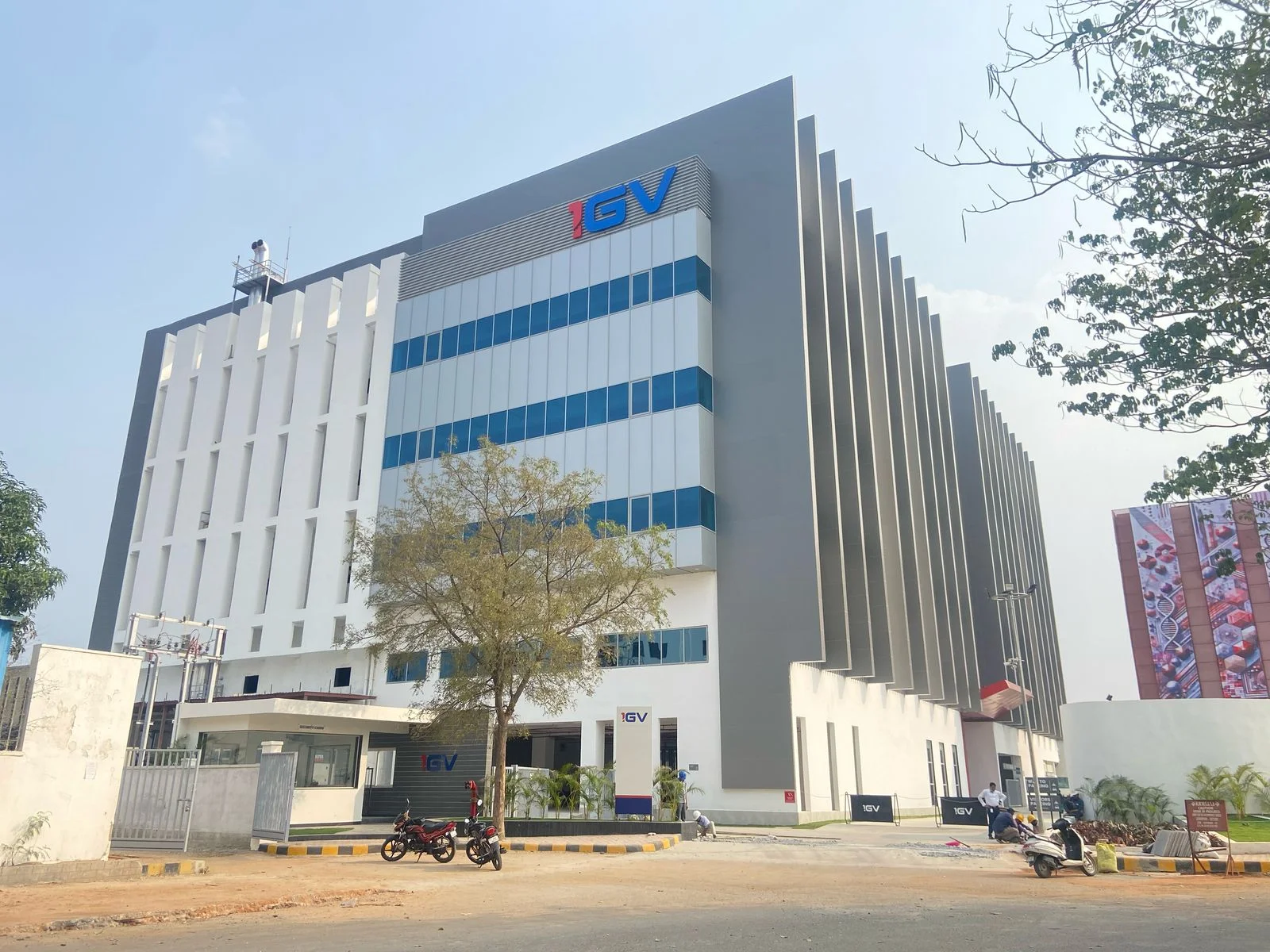
Hyderabad is often referred to as the Vaccine Capital of the World. The Genome Valley cluster, India's first organized cluster for Life Sciences R&D and clean manufacturing, houses over 200 companies. The strategic importance of this region cannot be overstated; it accounts for a significant portion of the global supply of generic medicines and vaccines. The city’s pharmaceutical industry is supported by a specialized workforce and a regulatory environment that favors high-tech manufacturing. This industrial prowess is comparable to the engineering precision found in other sectors, such as those highlighted in the MV Electrosystems: A Strategic Analysis of Industrial Engineering, where technical infrastructure meets large-scale production requirements.
The upcoming Hyderabad Pharma City, spanning over 19,000 acres, is projected to attract 9.7 billion USD in investment and create over 500,000 jobs. This project is designed to be the world's largest integrated pharma park, incorporating advanced waste management and environmental sustainability protocols to meet international ESG standards.
Infrastructure and Real Estate Dynamics
The physical transformation of Hyderabad is a direct result of proactive urban planning. The Regional Ring Road (RRR) and the expansion of the Hyderabad Metro Rail are pivotal projects that facilitate connectivity between the central business districts and the peripheral growth corridors. In the residential sector, Hyderabad has maintained a healthy inventory level despite rising prices, primarily due to the steady influx of high-income professionals. Unlike other Indian metros that face extreme land scarcity, Hyderabad’s radial development model allows for sustainable expansion. Data from Knight Frank indicates that the city has consistently outperformed its peers in terms of residential sales volume and price stability over the last five years.
What This Means For You
- For Investors: The real estate and commercial sectors offer stable long-term yields, particularly in the western corridor (Gachibowli, Tellapur, and Kokapet).
- For Professionals: The city provides a lower cost of living compared to Bangalore or Mumbai while offering equivalent or superior career opportunities in high-tech sectors.
- For Businesses: The TS-iPASS system reduces bureaucratic hurdles, allowing for faster operational scaling and market entry.
- For Policy Makers: Hyderabad serves as a blueprint for how integrated infrastructure and industry-specific clusters can drive regional GDP.
Expert Verdict and Future Outlook
The future of Hyderabad is inextricably linked to its ability to transition into a knowledge-based economy. While the pharma and IT sectors provide a solid foundation, the next phase of growth will likely come from aerospace, defense, and semiconductor manufacturing. The city already hosts major defense laboratories and aerospace parks where companies like Lockheed Martin and Tata Advanced Systems operate. The strategic outlook remains highly positive, with an estimated GDP growth rate of 8.5 to 9.2 percent over the next decade. The primary challenge will be managing the rapid urbanization to ensure that environmental standards and water security are maintained as the population continues to surge.
FAQ: Frequently Asked Questions
1. Why is Hyderabad preferred over Bangalore for IT investments?
While Bangalore has a larger legacy ecosystem, Hyderabad offers better planned infrastructure, lower office rentals, and a more streamlined government approval process through single-window clearances.
2. What is the significance of Genome Valley?
Genome Valley is India's first biotech cluster. It provides a specialized ecosystem for life sciences companies, focusing on R&D, which is crucial for global vaccine and drug development.
3. How has the Outer Ring Road (ORR) impacted the city's economy?
The ORR has decentralized the city's growth, allowing for the development of satellite townships and reducing congestion in the core urban areas, which in turn has boosted real estate value along the corridor.
4. Is Hyderabad a good destination for manufacturing?
Yes, specifically for high-value manufacturing like pharmaceuticals, aerospace, and electronics. The state's industrial policies provide significant incentives for large-scale manufacturing units.
5. What are the key challenges facing Hyderabad's growth?
The primary challenges include managing the rising demand for water, improving the secondary road network, and ensuring that the rapid increase in property prices does not lead to an affordability crisis for the middle class.
Important Note: Financial Disclaimer: This content is for educational purposes only and does not constitute professional financial advice. Always consult with a certified financial planner before making investment decisions.
Conclusion
Hyderabad represents a successful model of planned urban and industrial evolution. By balancing the needs of the technology sector with a world-class pharmaceutical infrastructure, the city has secured its position as a primary economic engine for India. For stakeholders ranging from global corporations to individual investors, Hyderabad offers a unique combination of stability, growth potential, and operational efficiency that is rarely matched in the current global market.





Comments 0
Leave a Reply
Your email address will not be published. Required fields are marked *
Be the first to share your thoughts!