
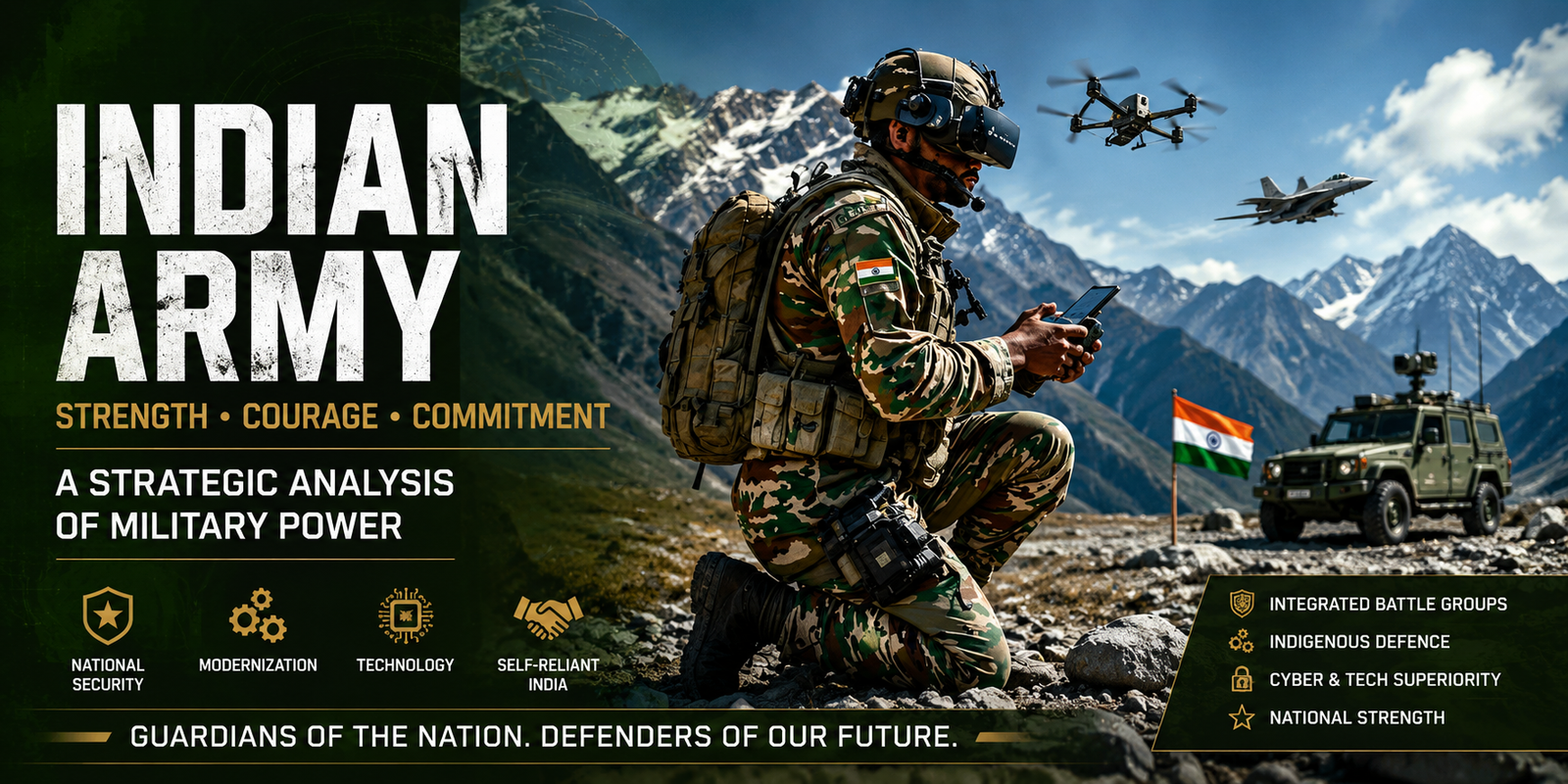
💡 Indian Army: A Strategic Analysis of Military Power
A comprehensive strategic analysis of the Indian Army, focusing on modernization, geopolitical influence, and defense indigenization.

3. Technological Integration and Cyber Defense
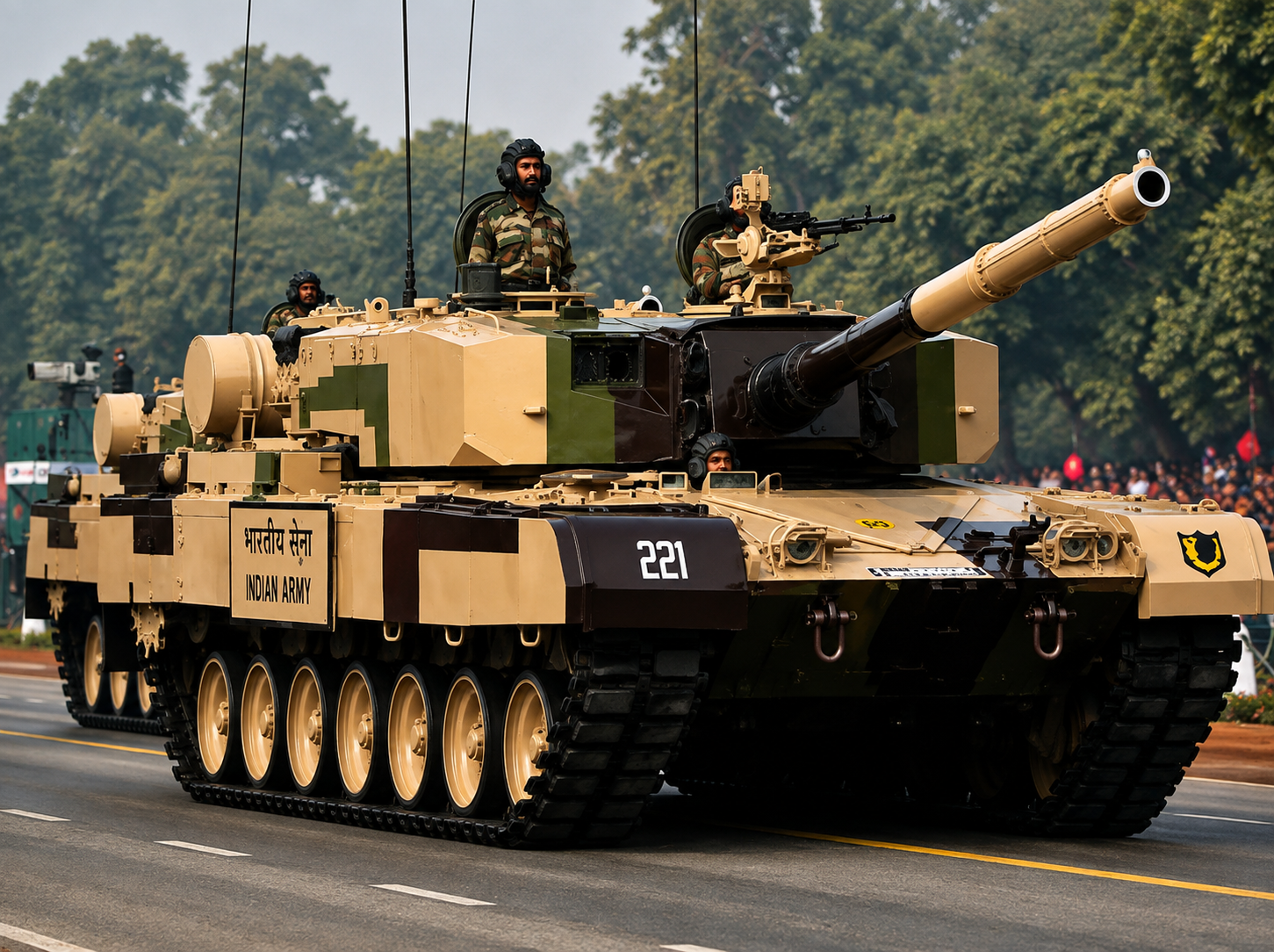
Modern warfare is no longer confined to physical battlefields. The Indian Army is increasingly adopting technologies such as Artificial Intelligence (AI), Unmanned Aerial Systems (UAS), robotics, and advanced surveillance systems to strengthen its operational capabilities. The Army Design Bureau (ADB) plays an important role in connecting the Army with Indian industry, startups, and research institutions to support the development of emerging defence technologies, including unmanned systems and counter-drone capabilities. At the broader defence level, the establishment of the Defence Cyber Agency (DCA) reflects the growing importance of protecting military networks and digital infrastructure. These technological developments are becoming increasingly important as modern conflicts place greater emphasis on cyber operations, electronic warfare, surveillance, and information superiority.
4. Internal Security and Democratic Stability
Beyond its primary responsibility of defending India against external threats, the Indian Army also contributes to internal security when called upon by the government. This includes counter-insurgency operations in Jammu and Kashmir and parts of the Northeast, where the Army operates alongside other security forces and government agencies. The Army may also provide logistical, medical, engineering, and security assistance during major national emergencies and events when required. Its role in these areas demonstrates the Army’s broader contribution to national security and crisis response while operating within India’s constitutional and legal framework.
WHAT THIS MEANS FOR YOU
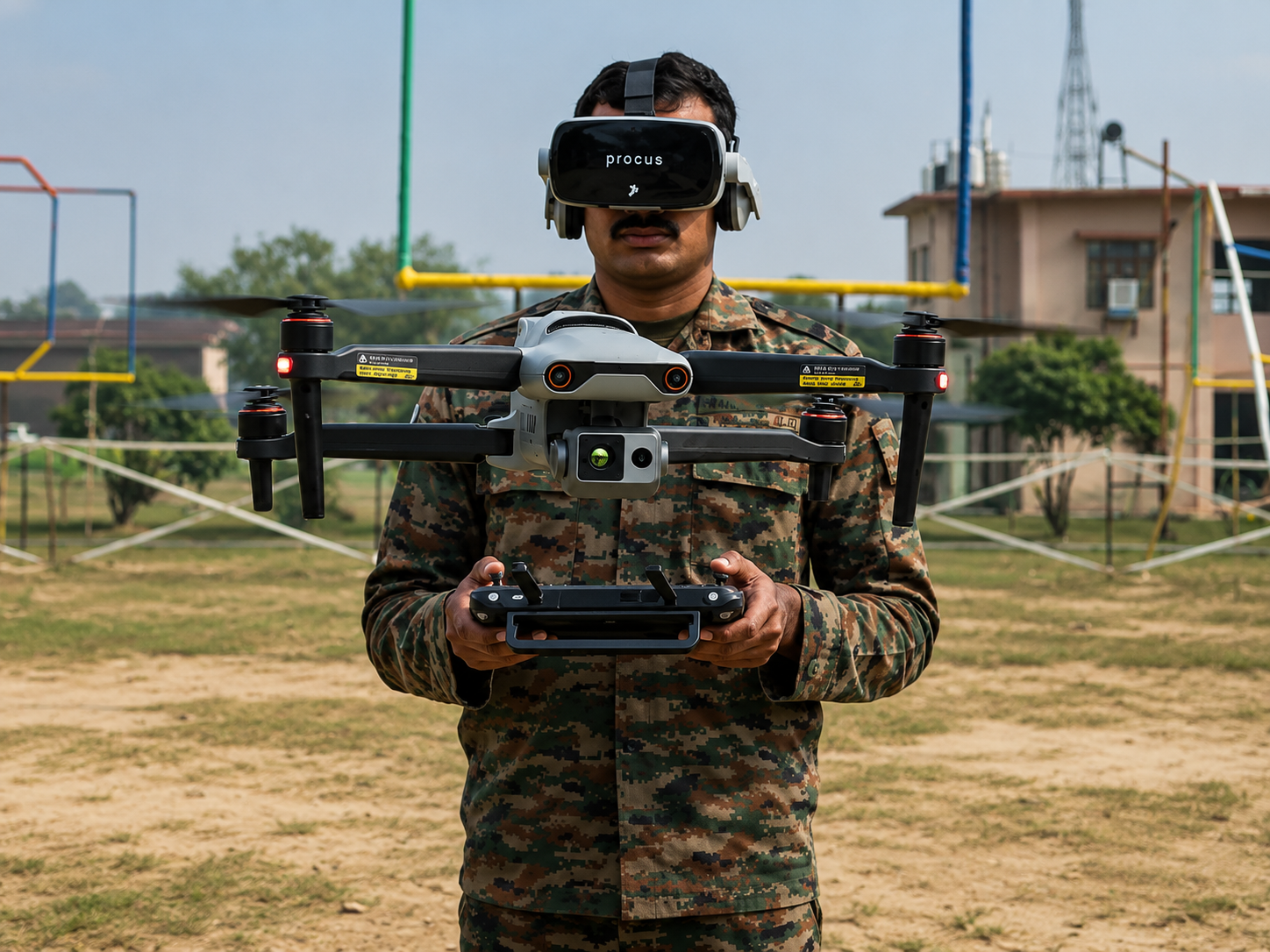
For the general observer and the strategic investor, the evolution of the Indian Army signifies a maturing nation-state. The shift toward domestic defense production creates massive opportunities for the private sector, particularly in aerospace, electronics, and heavy machinery. As the army modernizes, the demand for high-tech solutions will drive innovation in the civilian sector as well. For the average citizen, a strong and modern army provides the security necessary for continued economic growth and regional influence. Understanding these shifts helps in grasping the broader trajectory of India as a rising global power.
Expert Verdict / Future Outlook
The Indian Army is at a crossroads where legacy systems meet futuristic requirements. The successful implementation of the Agnipath scheme will be critical in managing the burgeoning pension bill, which currently consumes a significant portion of the defense budget. Experts believe that the next decade will see the army becoming increasingly automated, with a higher ratio of technology to manpower. The future outlook remains positive, provided that the synergy between the military, the government, and the private industry continues to strengthen. The focus will likely remain on enhancing intelligence, surveillance, and reconnaissance (ISR) capabilities to maintain a deterrent edge in the Indo-Pacific.
FAQ
- What is the primary role of the Indian Army? The primary role is to preserve national interests and safeguard the sovereignty and territorial integrity of India against external threats and internal subversion.
- How does the Indian Army rank globally? According to the Global Firepower Index 2024, the Indian Army is ranked as the 4th most powerful military force in the world.
- What is the Agnipath scheme? It is a recruitment model where youth serve for four years as Agniveers, after which 25 percent are retained for permanent service, aimed at lowering the average age of the force.
- How is the army contributing to Aatmanirbhar Bharat? By prioritizing the procurement of indigenous weapons systems, such as the Arjun Tank, Tejas aircraft (in coordination with the Air Force), and Pinaka rocket launchers.
- What are Integrated Battle Groups? IBGs are agile, brigade-sized units that integrate various arms of the military to ensure rapid and flexible response capabilities.
Conclusion
The Indian Army is undergoing a profound transformation, moving away from its colonial-era structures toward a modern, self-reliant, and technologically integrated force. By balancing the need for traditional border security with the demands of modern cyber and electronic warfare, the institution remains the bedrock of India's strategic autonomy. As the nation continues its ascent on the global stage, the army’s ability to adapt to new threats while fostering a domestic industrial base will be the defining factor of its success. The strategic takeaway is clear: the Indian Army is no longer just a defensive shield but a proactive engine of technological and industrial growth.




Comments 0
Leave a Reply
Your email address will not be published. Required fields are marked *
Be the first to share your thoughts!