
💡 Indian Express: Strategic Analysis of Media Influence
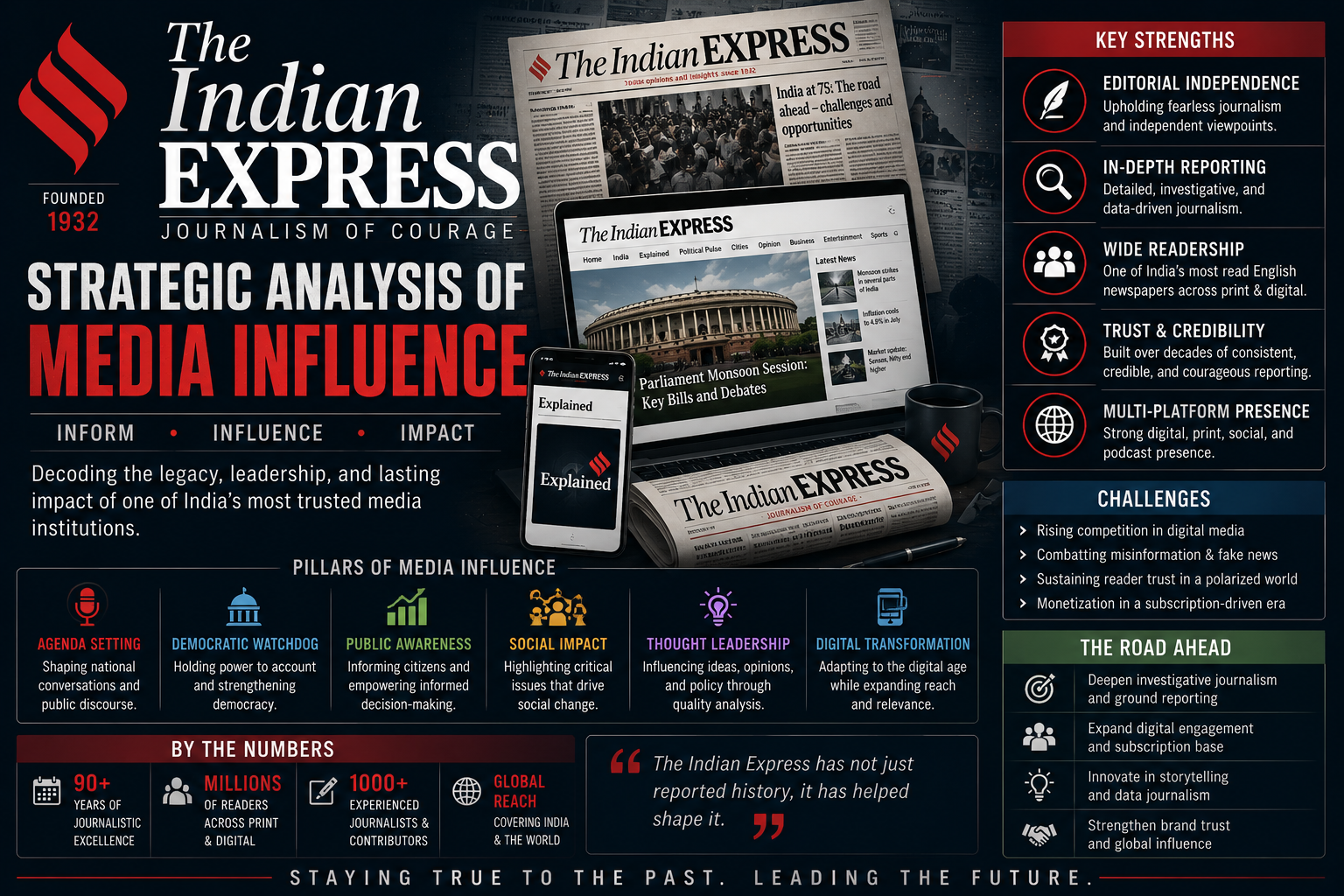
An in-depth analysis of The Indian Express, exploring its historical legacy, digital transformation, and its role in shaping Indian public discourse through the Journalism of Courage.
Executive Summary
The Indian Express stands as a cornerstone of Indian democracy, maintaining a reputation for investigative rigor and editorial independence for over nine decades. This strategic analysis highlights the organization's transition from a print-heavy legacy brand to a digital-first powerhouse. Key findings include a significant surge in digital readership, with the group consistently ranking among the top news publishers in India according to Comscore data. The analysis also examines the brand's unique value proposition, defined by its Journalism of Courage motto, which has allowed it to maintain high trust scores in an era of media polarization. Data indicates that while print circulation across the industry has faced headwinds, The Indian Express has successfully leveraged its premium digital subscription model, Express Premium, to diversify revenue streams and stabilize its financial outlook.
Introduction: The Pillars of Independent Journalism
In the complex landscape of global media, few institutions command as much respect for their historical defiance of authority as The Indian Express. Founded in 1932 by Ramnath Goenka, the publication became synonymous with the struggle for press freedom, most notably during the Internal Emergency of 1975 to 1977. Today, the organization operates within a highly competitive market, balancing the traditional demands of investigative reporting with the technological requirements of the digital age. This analysis provides a comprehensive look at how the publication navigates political pressures, economic shifts, and the rapid evolution of news consumption habits. By examining its editorial strategies and business adaptations, we can understand its continued relevance in a period where many legacy brands are struggling to survive.
The Deep Dive: Strategic Evolution and Impact
Historical Context and the Goenka Legacy
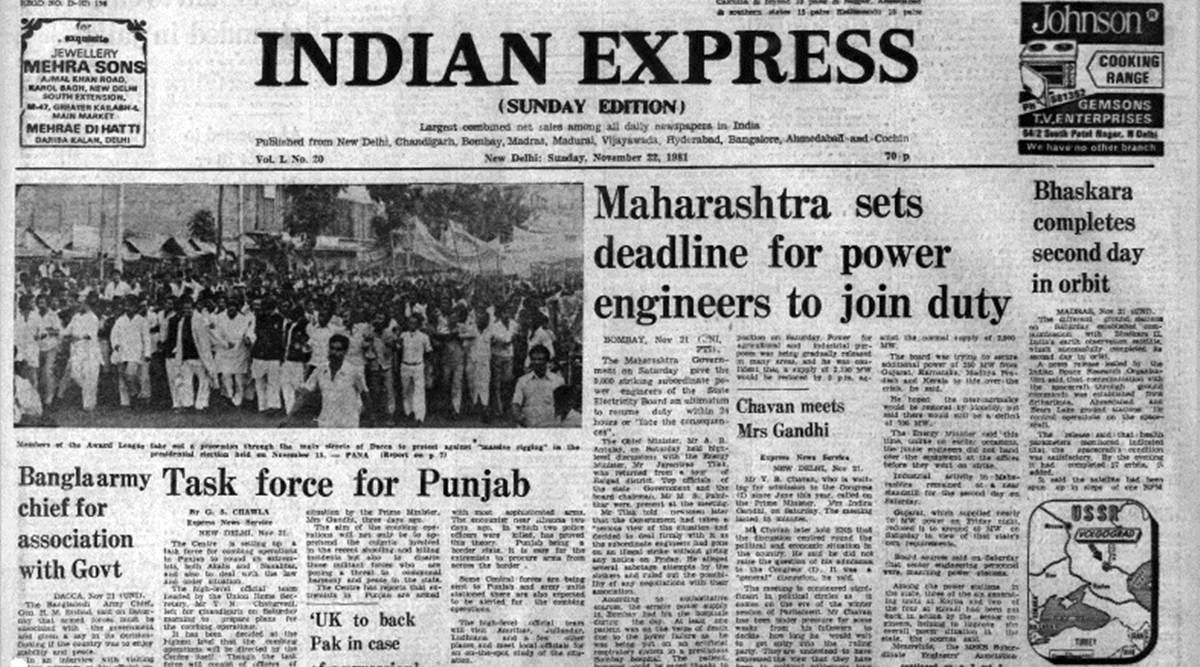
The identity of The Indian Express is inextricably linked to its founder, Ramnath Goenka. His vision was centered on a press that acts as a watchdog rather than a cheerleader for the state. This ethos was solidified when the newspaper famously published a blank editorial page to protest censorship during the Emergency. This historical capital continues to drive the brand's authority today. Unlike many competitors that prioritized high-volume, low-effort content, The Indian Express maintained a focus on policy analysis and investigative depth. This strategic positioning has helped it capture a demographic of influential readers, including policymakers, bureaucrats, and industry leaders who require nuanced information, much like the insights found in a Stock Market Today: Strategic Analysis of Global Trends report.
Digital Transformation and Audience Engagement
The shift to digital-first operations was not merely a technical change but a cultural one. The Indian Express Group has expanded its reach through specialized platforms such as Financial Express, Jansatta, and its flagship website. According to industry reports, the group reaches over 150 million unique users monthly across its digital platforms. The introduction of the Express Premium paywall in recent years represents a strategic move toward a reader-funded model. This approach reduces reliance on government and corporate advertising, which can often compromise editorial integrity. The group's investment in podcasts, newsletters, and data journalism has successfully attracted a younger, tech-savvy audience that values long-form content over clickbait.
Investigative Prowess and Global Collaborations
One of the strongest indicators of the brand's authority is its participation in global investigative projects. As a member of the International Consortium of Investigative Journalists (ICIJ), The Indian Express has been at the forefront of major revelations such as the Panama Papers, the Paradise Papers, and the Pandora Papers. These investigations require immense resources and a commitment to long-term research. By exposing complex financial structures and corporate malfeasance, the publication reinforces its role as a critical analyst of institutional ethics, similar to the scrutiny applied in a Byju's Strategy and Corporate Governance: A Strategic Analysis. These reports do not just inform the public; they often lead to legislative inquiries and policy changes, demonstrating the tangible impact of high-quality journalism.
Market Competition and Economic Resilience
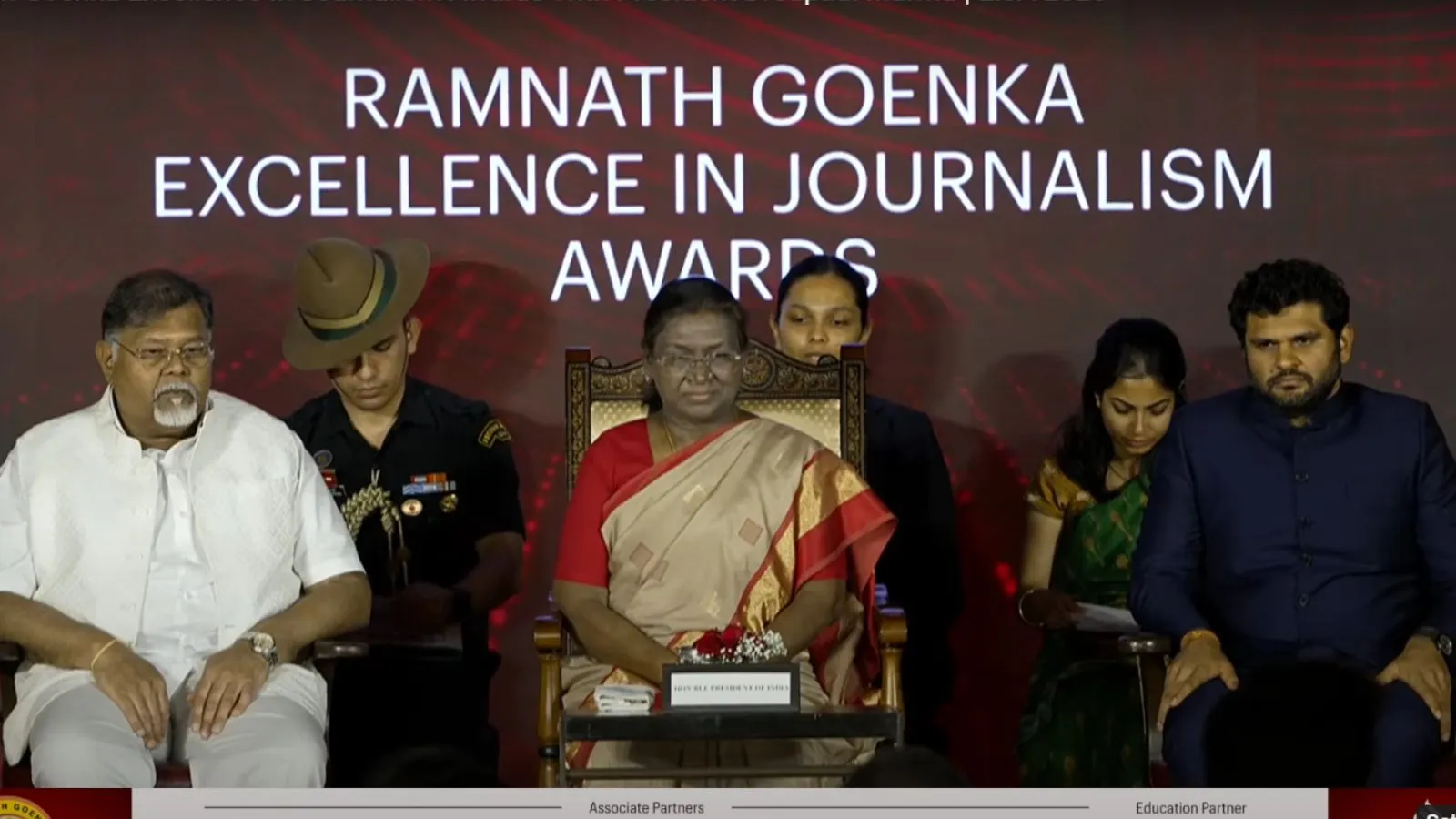
The Indian media market is one of the most crowded in the world, with thousands of registered publications and hundreds of news channels. The Indian Express competes directly with giants like The Times of India and The Hindu. While The Times of India leads in total circulation and advertising revenue through a more commercialized approach, The Indian Express has carved out a niche as the thinking person's newspaper. Its economic resilience is built on a diversified portfolio. The group has also ventured into the events space with the Express Adda and the Ramnath Goenka Excellence in Journalism Awards, which further cement its position as a thought leader in the industry. As digital platforms continue to disrupt traditional broadcasting, as seen in the Kick Streaming: A Strategic Analysis of the Digital Broadcast Disruptor, The Indian Express must continue to innovate its delivery mechanisms to maintain its competitive edge.
What This Means For You
For the average consumer of news, the health of an institution like The Indian Express is a barometer for the health of the democratic discourse. Here is what its current trajectory means for the reader:
- Reliability of Information: In an era of rampant misinformation, the brand provides a verified and fact-checked alternative to social media news cycles.
- In-depth Analysis: Readers gain access to Explained sections that break down complex legal, scientific, and political issues into understandable narratives.
- Accountability: The publication's focus on investigative journalism ensures that those in power are held to account, providing a layer of public oversight.
- Diverse Perspectives: Through its opinion pages, the paper offers a platform for a wide range of voices, from retired judges to grassroots activists.
Expert Verdict and Future Outlook
The future of The Indian Express depends on its ability to scale its digital subscription model without diluting its editorial standards. Industry analysts suggest that the next five years will be critical as the 5G rollout in India further accelerates news consumption on mobile devices. The group's strategy to integrate artificial intelligence for personalized news feeds while maintaining human-led investigative teams is a sound approach. However, the rising costs of newsprint and the increasing pressure on digital ad yields remain significant challenges. The expert consensus is that The Indian Express will likely remain a dominant force in the intellectual and political landscape of India, provided it continues to prioritize its Journalism of Courage over short-term commercial gains.
FAQ
Who owns The Indian Express?
The Indian Express is currently owned and managed by the Express Group, with Viveck Goenka serving as the Chairman and Managing Director. The family-led structure has been instrumental in maintaining the editorial independence established by the founder, Ramnath Goenka.
How does The Indian Express maintain its editorial independence?
The organization maintains independence through a combination of a strong internal culture of dissent, a diversified revenue model that includes digital subscriptions, and a historical legacy that prioritizes the role of the press as a watchdog over political and corporate interests.
What is the Explained section in The Indian Express?
The Explained section is a hallmark of the publication's digital and print strategy. It focuses on taking complex current events and breaking them down into context, history, and impact, making it a highly valued resource for students and professionals alike.
Is The Indian Express available in languages other than English?
Yes, the group has a significant presence in the vernacular market. Jansatta is its prominent Hindi daily, and Loksatta is its highly influential Marathi daily. Both publications follow the same rigorous editorial standards as the English flagship.
How has the digital paywall affected its readership?
While paywalls generally restrict total traffic, the Express Premium model has allowed the group to identify and cultivate a loyal base of high-value readers. This shift focuses on quality of engagement and average revenue per user (ARPU) rather than simple page view metrics.
Conclusion
The Indian Express remains an essential institution in the global media ecosystem. Its ability to adapt to the digital age while preserving its core values of investigative integrity and editorial courage serves as a blueprint for legacy media worldwide. As it navigates the challenges of the 21st century, its commitment to factual reporting and policy analysis will continue to be its greatest strategic asset.





Comments 0
Leave a Reply
Your email address will not be published. Required fields are marked *
Be the first to share your thoughts!