
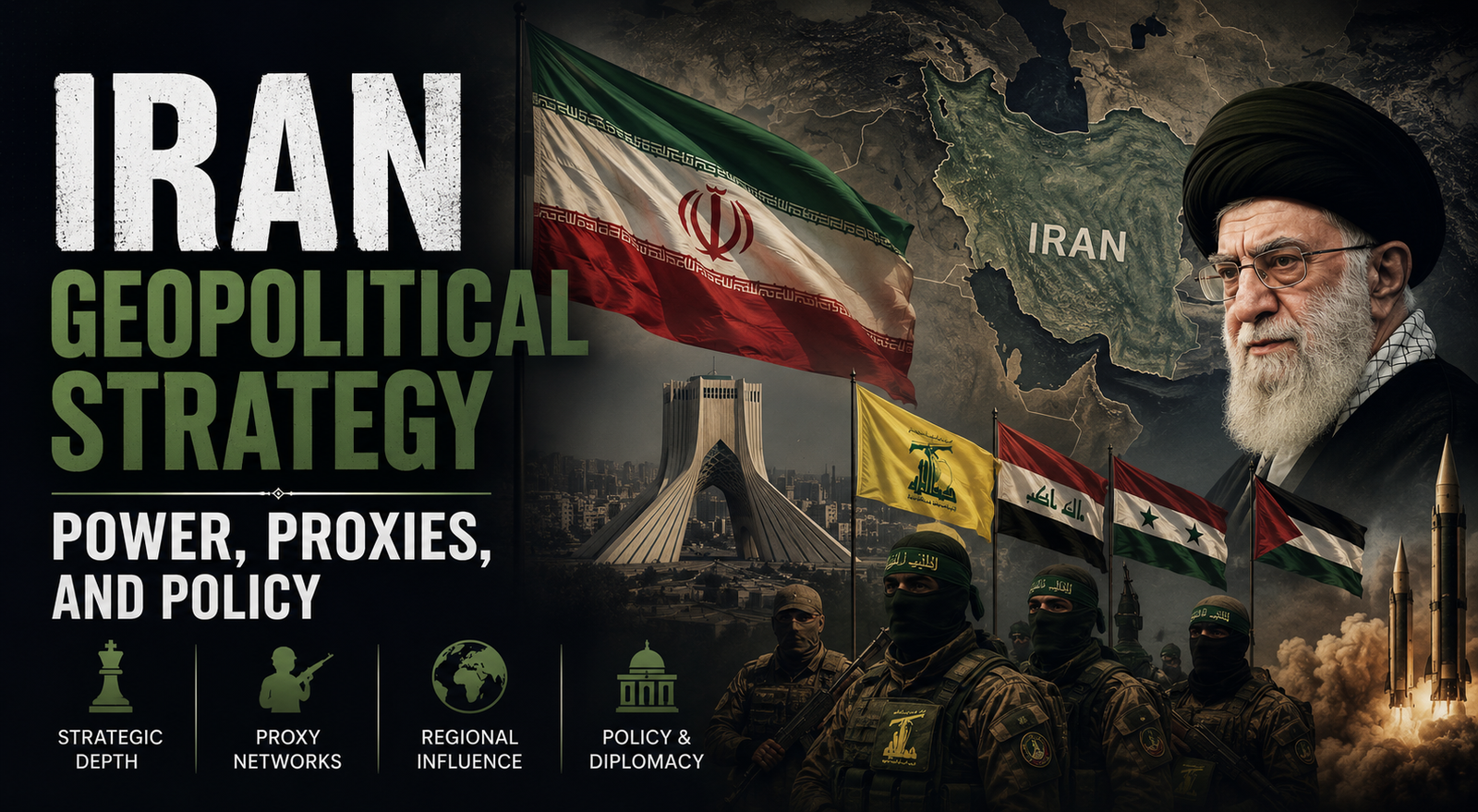
💡 Iran Geopolitical Strategy: Power, Proxies, and Policy
An in-depth analysis of Iran's regional influence, the Axis of Resistance, nuclear deterrence, and its strategic pivot toward Russia and China.
Executive Summary
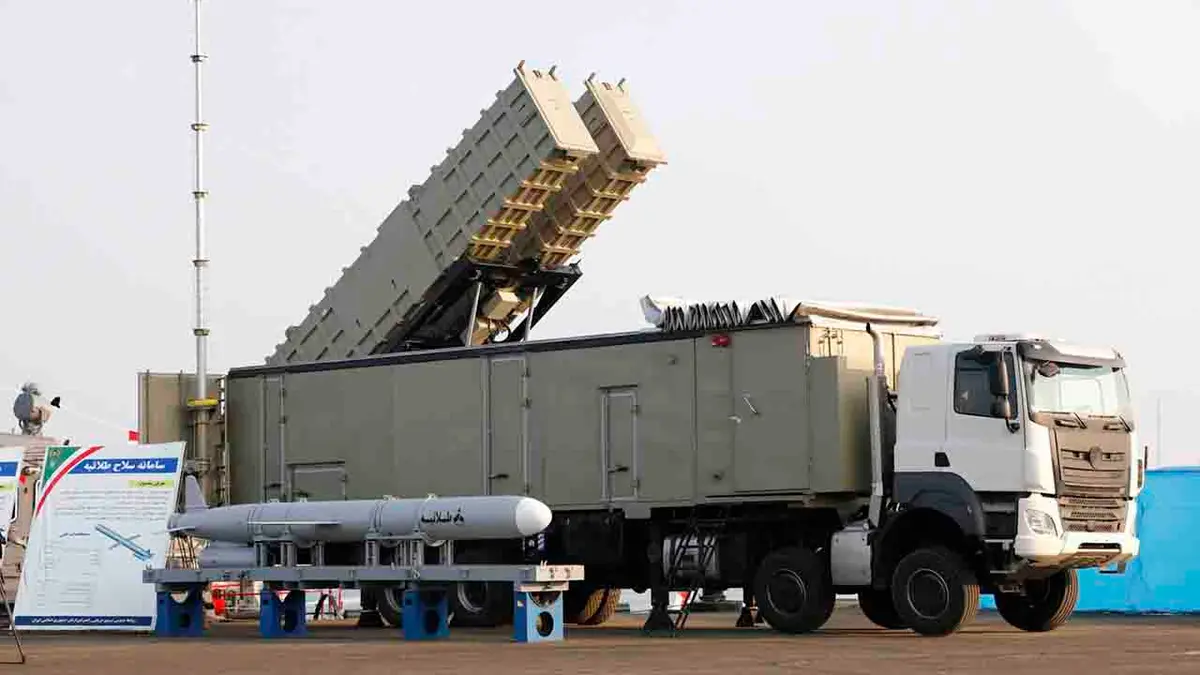
Iran's geopolitical strategy is defined by a doctrine of forward defense, utilizing a network of non-state actors known as the Axis of Resistance to project power far beyond its borders. Key findings indicate that Iran currently maintains a missile arsenal with ranges up to 2,500 kilometers and has increased its uranium enrichment to 60 percent purity, according to International Atomic Energy Agency (IAEA) reports. Strategically, Tehran has shifted from seeking Western rapprochement to a Look to the East policy, strengthening ties with Moscow and Beijing. This analysis examines the military, economic, and diplomatic pillars that sustain Iran's position as a central, albeit controversial, power in the Middle East.
Introduction
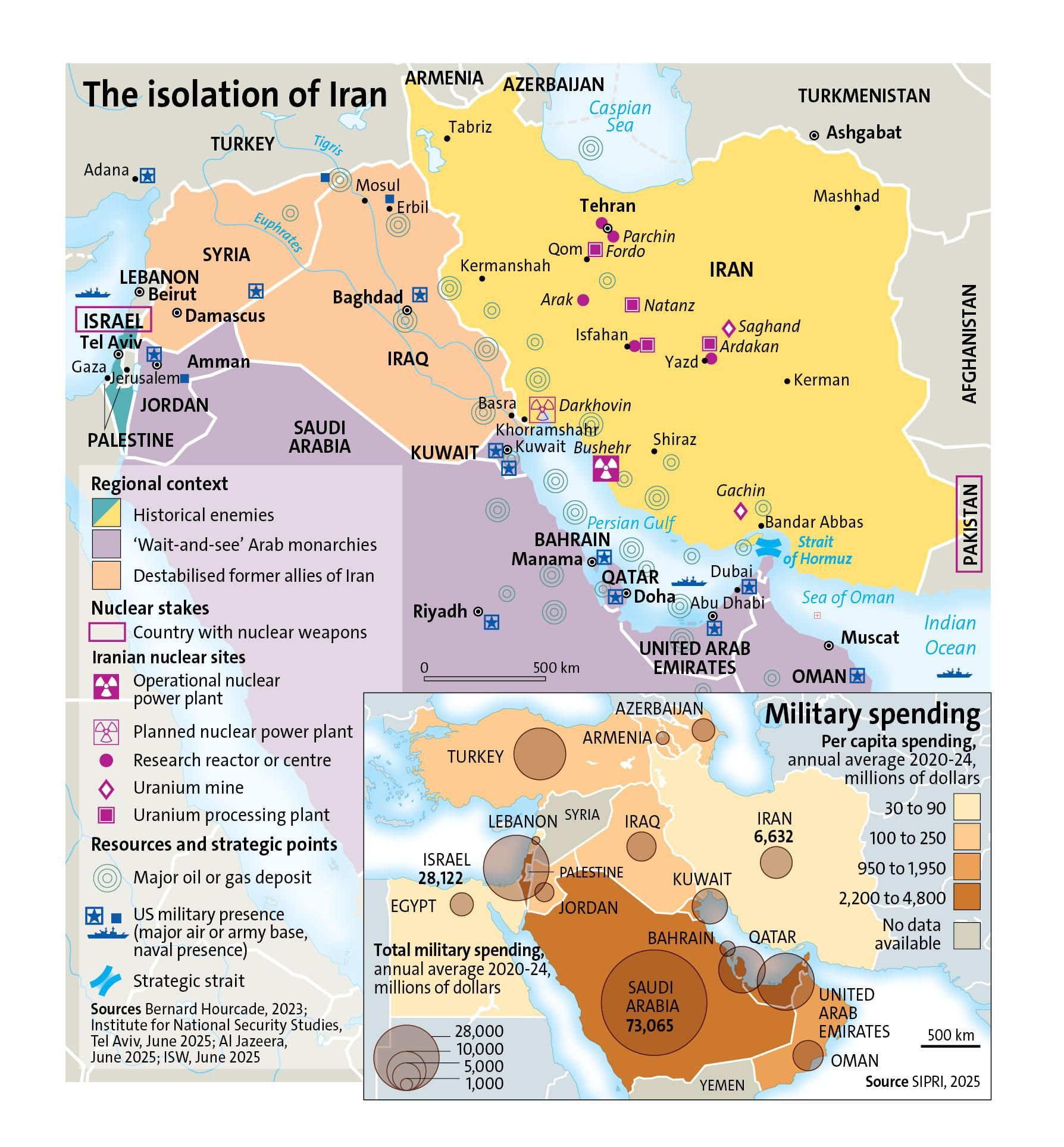
The Islamic Republic of Iran occupies a unique and pivotal position in the global geopolitical landscape. Situated at the crossroads of Central Asia, the Middle East, and the Caucasus, Iran controls the Strait of Hormuz, a maritime chokepoint through which approximately 20 percent of the world's total oil consumption passes. Since the 1979 Revolution, Tehran's foreign policy has been characterized by a fierce pursuit of strategic autonomy and an opposition to what it perceives as Western hegemony. To understand Iran's current moves, one must look past the headlines and analyze the calculated framework of asymmetric warfare and diplomatic maneuvering that the leadership in Tehran employs to ensure regime survival and regional dominance.
THE DEEP DIVE: Pillars of Iranian Strategy
1. The Doctrine of Forward Defense and the Axis of Resistance
At the heart of Iran's military strategy is the concept of forward defense. This involves engaging adversaries on foreign soil to prevent conflict from reaching Iranian borders. The primary vehicle for this is the Islamic Revolutionary Guard Corps (IRGC) and its elite Quds Force. Iran has successfully cultivated a network of proxies including Hezbollah in Lebanon, various militias in Iraq and Syria, and the Houthis in Yemen. This network allows Tehran to exert influence across the Levant and the Arabian Peninsula while maintaining a degree of plausible deniability. Recent data suggests that the Houthis' ability to disrupt Red Sea shipping lanes has significantly raised the cost of global trade, demonstrating the reach of Iranian-backed capabilities.
2. Nuclear Leverage and Deterrence
The Iranian nuclear program remains the most significant point of friction between Tehran and the international community. Following the U.S. withdrawal from the Joint Comprehensive Plan of Action (JCPOA) in 2018, Iran has systematically reduced its compliance. As of 2024, the IAEA reports that Iran possesses enough highly enriched uranium to produce several nuclear warheads if it chooses to move toward weaponization. This program serves as a critical bargaining chip in negotiations and a deterrent against external military intervention. The strategic calculation is clear: the closer Iran moves to the nuclear threshold, the higher the cost of any potential conflict for its rivals.
Global defense experts have closely monitored these developments. For instance, in a recent John Healey: Strategic Analysis of UK Defence Policy, the emphasis on regional stability in the Middle East highlights how Iranian nuclear ambitions force Western powers to recalibrate their maritime and territorial defense strategies.
3. Economic Resilience and the Pivot to the East
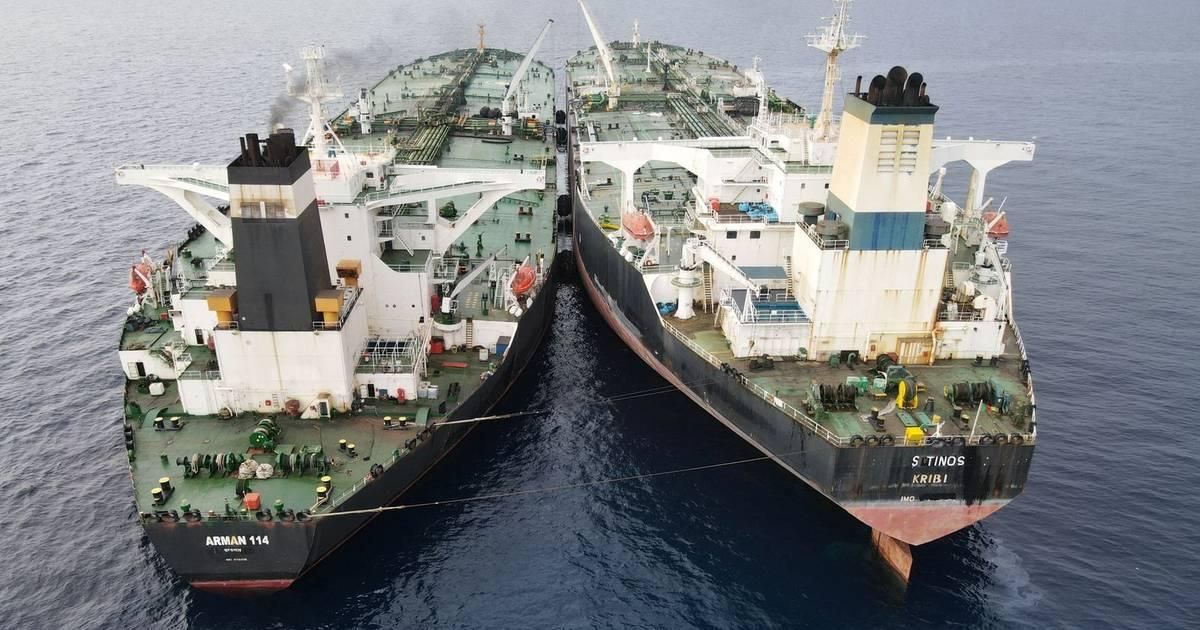
Despite decades of crippling sanctions, the Iranian economy has shown a remarkable degree of resilience through its Resistance Economy model. Iran has pivoted its trade focus toward China, which remains the largest buyer of Iranian crude oil. Estimates suggest that Iran exported over 1.5 million barrels per day in early 2024, largely through clandestine ship-to-ship transfers. This economic lifeline is bolstered by a 25-year strategic partnership with China and deepening military cooperation with Russia, particularly in the exchange of drone technology and aviation assets.
The volatility of the Middle East directly impacts global energy costs. Fluctuations in the region often lead to shifts in consumer prices worldwide, much like the trends observed in the Petrol Price in Delhi: A Strategic Economic Analysis, where global geopolitical tension is a primary driver of domestic energy inflation.
4. The Maximum Pressure Legacy
The strategy of the United States toward Iran underwent a radical shift during the 2017 to 2021 period. The policy known as Maximum Pressure sought to collapse the Iranian economy and force a new, more restrictive deal. While it caused significant internal inflation and domestic unrest, it also pushed Iran closer to its Eastern allies. This era is a critical component of any Donald Trump: A Strategic Analysis of Economic Policy and Global Influence, as the decisions made during this tenure continue to shape the current escalatory cycle in the Middle East.
WHAT THIS MEANS FOR YOU
- Global Energy Security: Any escalation in the Persian Gulf can lead to immediate spikes in oil and gas prices, affecting everything from transportation costs to the price of household goods.
- Regional Stability: For those involved in international trade or logistics, the security of the Red Sea and the Gulf of Oman is paramount. Iran's influence over these waterways means that regional politics are now global supply chain issues.
- Investment Climates: Geopolitical risk in the Middle East often leads to market volatility. Investors must account for the Iranian factor when evaluating emerging markets or energy sectors.
- Cybersecurity Threats: Iran has developed sophisticated cyber capabilities. Businesses in the finance and infrastructure sectors should remain vigilant against state-sponsored digital incursions.
Expert Verdict and Future Outlook
The future of Iran's geopolitical strategy will likely be defined by two factors: the domestic succession of the Supreme Leader and the outcome of the ongoing conflicts in Gaza and Ukraine. Iran has proven it can survive isolation, but the cost has been high. We expect Iran to continue strengthening its ties within the BRICS+ framework and the Shanghai Cooperation Organization (SCO). While a direct conventional war with the West remains unlikely due to the high costs for all parties, the shadow war of proxies, cyberattacks, and maritime disruptions is expected to intensify. Tehran's ultimate goal remains a Middle East where the United States has a diminished presence, allowing Iran to act as the primary regional hegemon.
FAQ
What is the Axis of Resistance?
The Axis of Resistance is an informal political and military alliance led by Iran. It includes the Syrian government, Hezbollah in Lebanon, various Iraqi militias, and the Houthi movement in Yemen. Its primary goal is to counter Western and Israeli influence in the Middle East.
How do sanctions affect Iran's strategy?
Sanctions have limited Iran's access to the global financial system, forcing it to develop a shadow banking network and rely on oil sales to China. Rather than stopping its regional activities, sanctions have often incentivized Iran to use cheaper, asymmetric methods of warfare, such as drones and proxies.
Is Iran a nuclear-armed state?
Currently, Iran is not recognized as a nuclear-armed state. However, it has the technical capability and the enriched uranium stockpiles to produce a weapon in a short timeframe if the political decision is made to do so. This is often referred to as being a nuclear threshold state.
What is the role of the IRGC?
The Islamic Revolutionary Guard Corps is a branch of the Iranian Armed Forces intended to protect the country's Islamic republic system. It is significantly more powerful than the regular military, controlling large sectors of the Iranian economy and overseeing the country's proxy operations abroad.
Why is the Strait of Hormuz so important?
The Strait of Hormuz is the world's most important oil transit chokepoint. Because of its narrow width, Iran can easily threaten to close the strait, which would cause an immediate and catastrophic disruption to the global energy supply.
Conclusion
Iran's geopolitical strategy is a sophisticated blend of ideological conviction and pragmatic survival. By leveraging asymmetric military assets and building a robust network of regional allies, Tehran has ensured that it cannot be ignored or easily sidelined. As the world moves toward a more fragmented, multipolar order, Iran's ability to navigate between Western pressure and Eastern cooperation will determine the future of Middle Eastern security. For global observers, understanding the nuances of this strategy is essential for anticipating the next shift in the international political landscape.





Comments 0
Leave a Reply
Your email address will not be published. Required fields are marked *
Be the first to share your thoughts!