
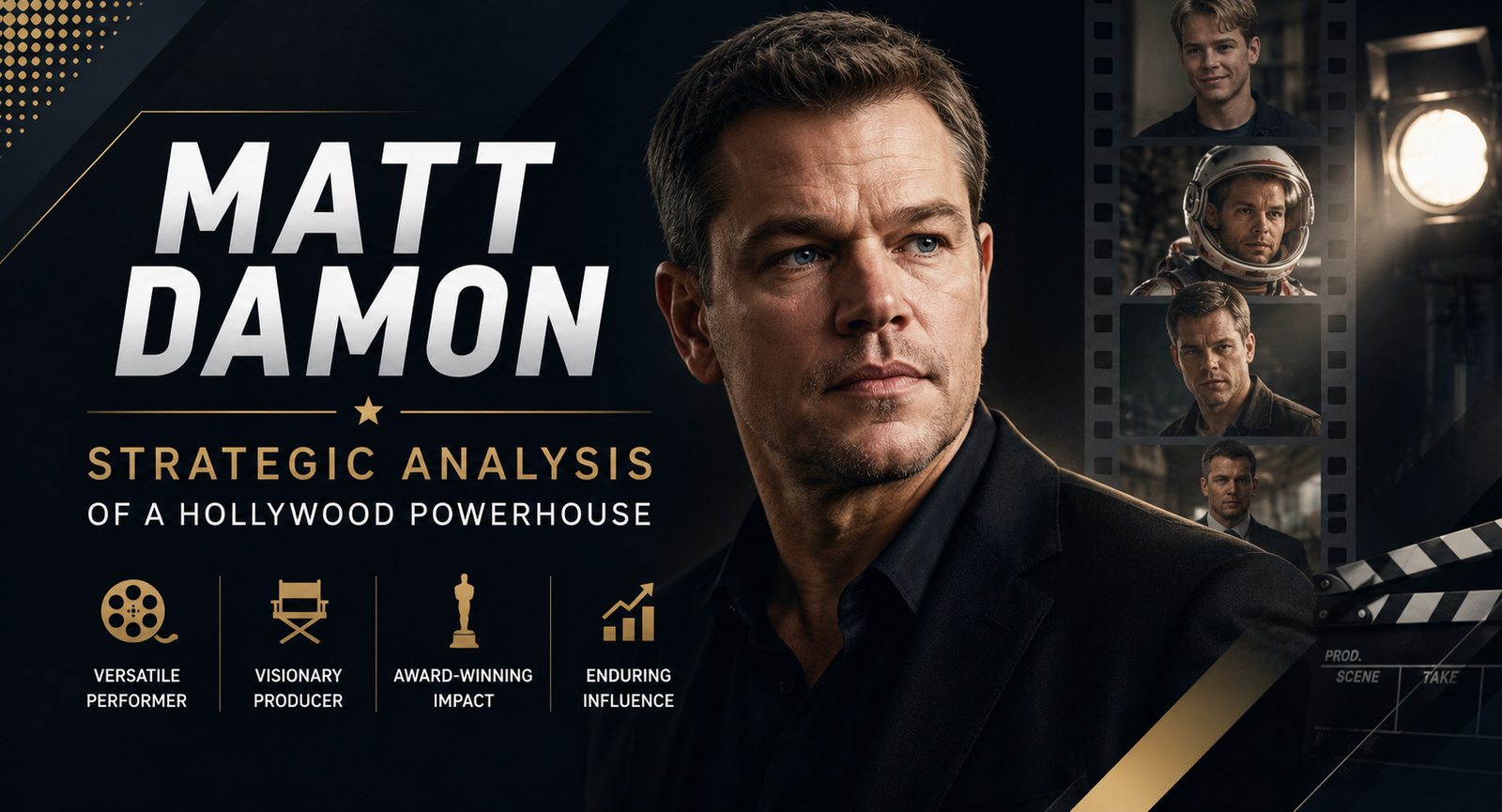
💡 Matt Damon: Strategic Analysis of a Hollywood Powerhouse
An authoritative analysis of Matt Damon's career trajectory, economic impact on the film industry, and his disruptive business model with Artists Equity.
Executive Summary
Matt Damon represents a rare intersection of critical acclaim and sustained commercial viability in the global film industry. With a domestic box office total exceeding 3.8 billion dollars and a global reach surpassing 7 billion dollars, Damon has transitioned from a traditional leading man to a strategic architect of modern cinema. This analysis highlights his shift toward the Artists Equity production model, which prioritizes profit sharing for crew members, and his consistent ability to anchor high-concept intellectual properties. Key data points include a 1.6 billion dollar cumulative gross for the Bourne franchise and a strategic pivot toward streaming partnerships that redefine traditional theatrical windows.
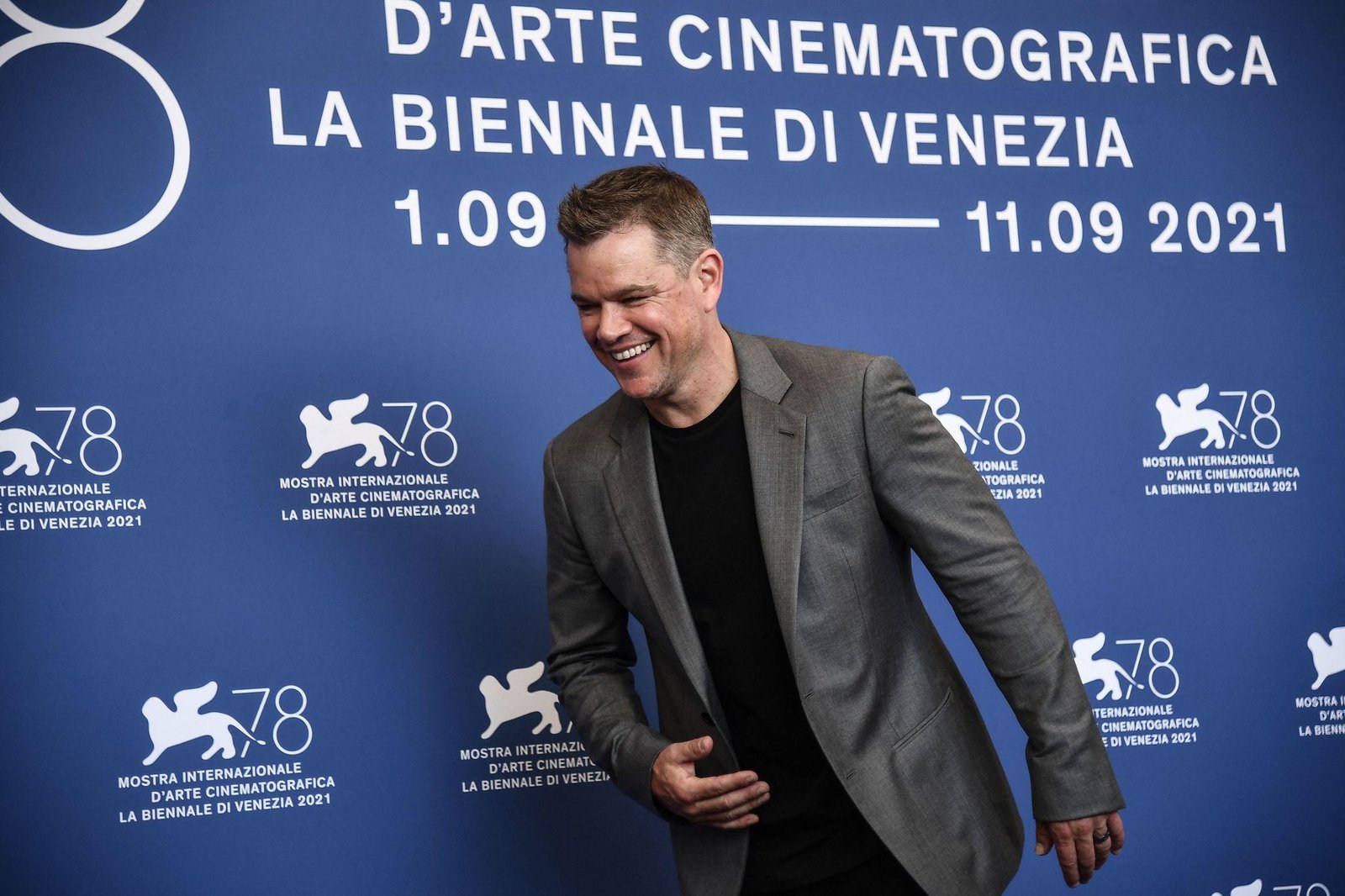
Introduction: The Strategic Architect of Cinema
In the landscape of contemporary entertainment, few figures command as much institutional trust as Matt Damon. Since his emergence with the Academy Award winning Good Will Hunting in 1997, Damon has maintained a career trajectory characterized by calculated risk and high-yield returns. Unlike many of his peers who became synonymous with a single superhero franchise, Damon has diversified his portfolio across high stakes thrillers, prestigious dramas, and science fiction epics. This diversification is not merely an artistic choice but a defensive strategy against the volatility of the box office. His career reflects The Strategic Evolution of the Modern Actor, where brand longevity is built on a foundation of reliability and intellectual property ownership rather than fleeting celebrity status.
The Deep Dive: Economic and Structural Impact
1. The Commercial Architecture of the Damon Brand
Matt Damon's economic value is best understood through his role in the Jason Bourne series. This franchise fundamentally altered the landscape of the action genre, moving away from the campy tropes of the 1990s toward a gritty, hyper-realistic aesthetic. According to industry financial reports, the five films in the Bourne universe have generated over 1.6 billion dollars globally. Damon's participation in these films provides him with the leverage to finance smaller, more experimental projects. This 'one for them, one for me' approach has allowed him to work with prestigious directors like Christopher Nolan, Martin Scorsese, and Ridley Scott while maintaining his status as a top-tier earner.
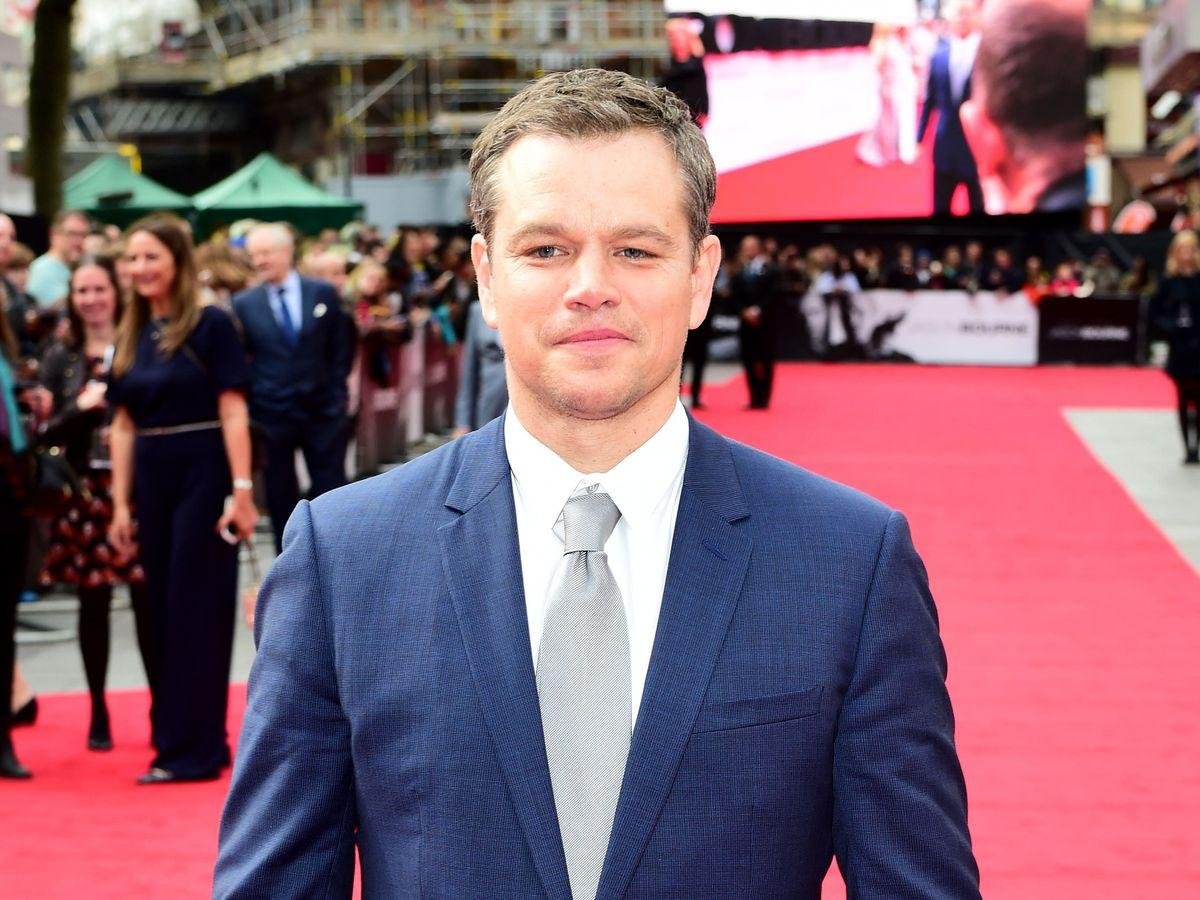
2. Artists Equity: Disrupting the Production Model
Perhaps the most significant development in Damon's recent career is the launch of Artists Equity in 2022, a production company co-founded with Ben Affleck and backed by a 100 million dollar investment from RedBird Capital Partners. This venture is designed to address the inequities of the streaming era. Traditionally, backend profits were reserved for stars and directors. Artists Equity utilizes a data-driven approach to share profits with the entire production crew, including cinematographers, editors, and costume designers. Their first feature, Air (2023), served as a proof of concept, grossing 90 million dollars theatrically before becoming a major driver for Amazon Prime Video. This model mirrors the cultural shift toward more equitable storytelling, similar to the themes explored in our Ted Lasso: Strategic Analysis of a Cultural Phenomenon, where collaborative leadership and collective success take center stage.
3. Critical Consistency and Demographic Reach
Data from Rotten Tomatoes and Metacritic indicates that Damon maintains an average critical score significantly higher than the industry mean for leading men. His ability to appeal to both the 18-35 and 35-55 demographics makes him a low-risk investment for major studios. Films like The Martian (2015) demonstrate this reach, earning 630 million dollars worldwide and securing seven Academy Award nominations. His presence acts as a quality seal, reducing the marketing spend required to convince audiences of a film's value. This brand integrity is a result of rigorous script selection and a refusal to over-saturate the market with low-quality content.

What This Means For You
For the average consumer, Matt Damon's career serves as a benchmark for quality in an era of content overload. When a project carries his name as either a lead actor or a producer, it typically signals a higher level of narrative complexity and production value. For industry professionals and investors, his move into production with Artists Equity provides a blueprint for how to navigate the post-theatrical world. It suggests that the future of Hollywood lies in transparency, profit sharing, and sustainable budgeting rather than the bloated 200 million dollar budgets that have recently struggled to find profitability.
Expert Verdict and Future Outlook
The future for Matt Damon is increasingly focused on the executive suite. While he remains a highly sought-after actor, his primary influence will likely stem from his ability to greenlight projects that other studios might find too risky. The success of Artists Equity will be the defining metric of his legacy in the coming decade. Experts predict that as the theatrical window continues to shrink, Damon's strategy of creating high-quality, mid-budget adult dramas will fill the void left by major studios focusing exclusively on franchise reboots. His recent involvement in Oppenheimer further solidifies his status as a key player in 'event cinema' that does not rely on capes or masks.
FAQ: Authoritative Insights
- What is Matt Damon's highest-grossing film? Excluding his cameo in Thor: Love and Thunder, The Martian remains his highest-grossing lead role, with 630.2 million dollars in global box office revenue.
- How many Oscars has Matt Damon won? Damon has won one Academy Award for Best Original Screenplay for Good Will Hunting. He has been nominated five times in total across acting and producing categories.
- What is the goal of his company, Artists Equity? The company aims to provide fairer compensation and profit-sharing for all members of a film crew, not just the top-billed stars, by leveraging data and streaming residuals.
- Is Matt Damon still playing Jason Bourne? While there are no official plans for a sixth film with Damon, both he and director Paul Greengrass have stated they would return if the script and timing were appropriate for the character's arc.
- Which directors does Matt Damon work with most frequently? Damon has long-standing professional relationships with Steven Soderbergh, Gus Van Sant, and Paul Greengrass, often appearing in multiple projects under their direction.
Conclusion: The Strategic Takeaway
Matt Damon has successfully navigated three decades of industry volatility by evolving from a breakout talent into a systemic influencer. His career proves that brand longevity is achieved through a combination of commercial reliability and structural innovation. By championing a more equitable production model and consistently delivering high-value performances, Damon has secured his position as a pillar of the modern entertainment economy. His trajectory offers a masterclass in professional pivot points and the power of strategic partnerships in a shifting digital landscape.




Comments 0
Leave a Reply
Your email address will not be published. Required fields are marked *
Be the first to share your thoughts!