

💡 Who is Iran israel attack?
An in-depth guide to the Iran-Israel conflict, the role of the Natanz nuclear facility, and how these Middle Eastern tensions impact global security and India's economy.
Understanding the Shadow War: Why the Iran-Israel Conflict Matters
The geopolitical landscape of the Middle East is often defined by the complex and long-standing rivalry between Iran and Israel. While this friction has existed for decades, it frequently manifests in covert operations, cyber warfare, and strategic sabotage. One of the most recurring focal points of this tension is the Natanz nuclear facility. For global observers and specifically for a nation like India, understanding these dynamics is crucial because the stability of this region directly influences global energy prices, maritime security, and international diplomacy.
The relationship between Iran and Israel is widely described by geopolitical experts as a shadow war, characterized by covert operations, cyber warfare, and proxy conflicts. Unlike traditional warfare, this conflict is fought through proxies, intelligence operations, and technological interference. The primary point of contention remains Iran's nuclear program, which Israel views as an existential threat. Conversely, Iran maintains that its nuclear ambitions are for peaceful energy purposes, leading to a perpetual cycle of accusations and defensive maneuvers.

What is the Natanz Nuclear Facility?
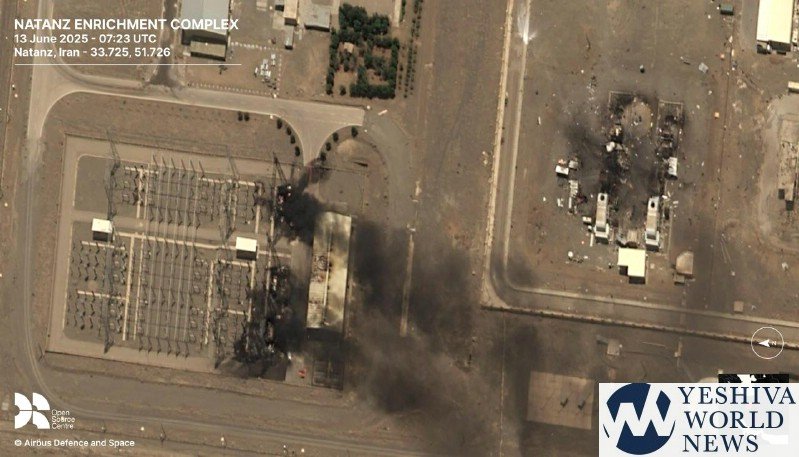
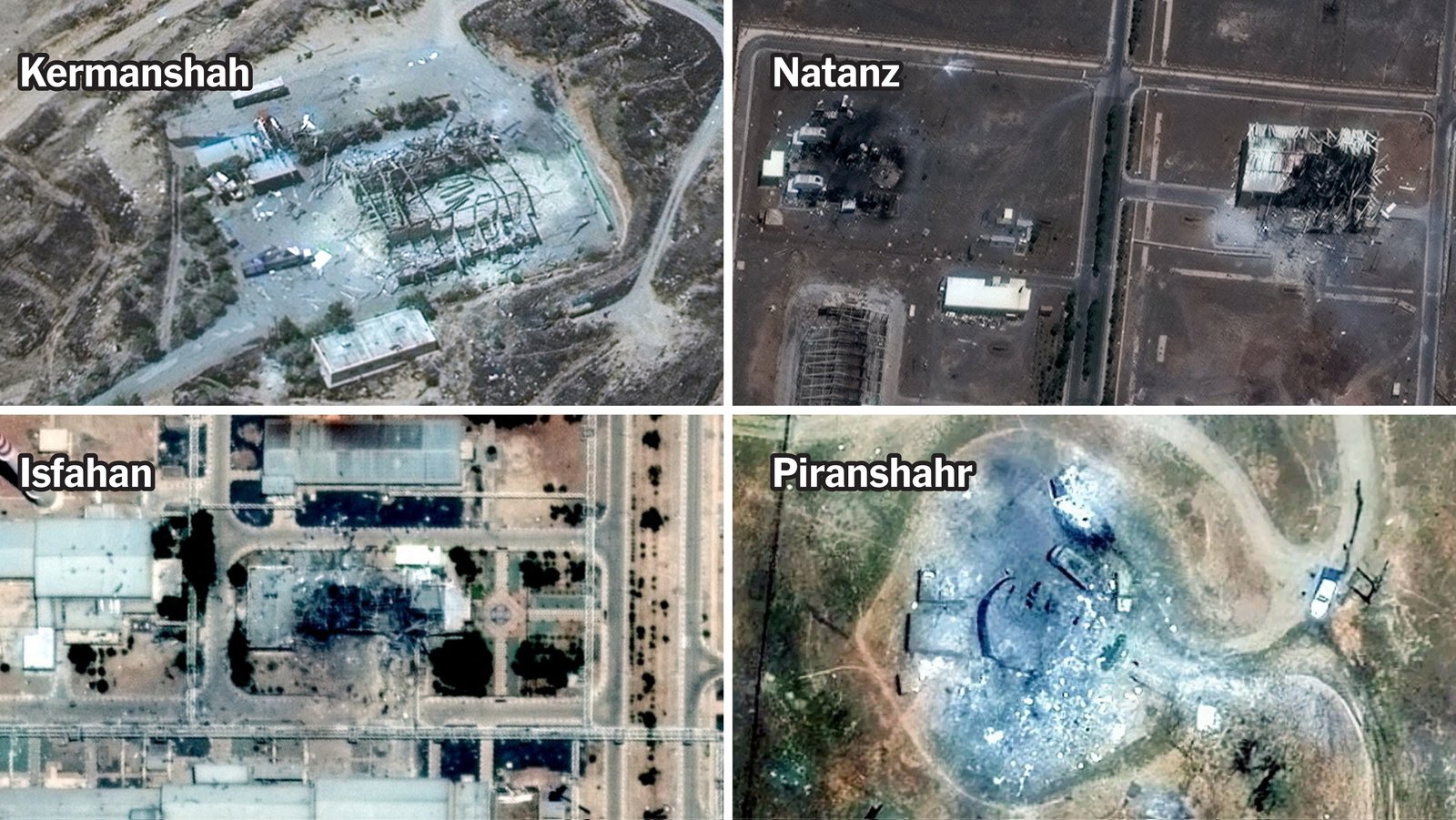
To understand the gravity of the situation, one must first ask: What is the Natanz nuclear facility? Located in the Isfahan province, Natanz is Iran's primary uranium enrichment site. It is a massive complex, much of which is built deep underground to protect it from potential airstrikes. The facility houses thousands of centrifuges, which are devices used to spin uranium gas at high speeds to increase the concentration of the Uranium-235 isotope.
The Natanz Nuclear Facility is considered the core of Iran’s uranium enrichment program and a focal point of international scrutiny. Because uranium enrichment is a dual-use technology, it can produce fuel for nuclear power plants or, if enriched to higher levels, the core of a nuclear weapon. This ambiguity is what makes Natanz a constant target for international scrutiny and covert operations. The facility is monitored by the International Atomic Energy Agency to ensure compliance with global nuclear regulations, yet it remains a flashpoint for regional conflict.
The Role of Sabotage and Cyber Warfare
In the modern era, conflict is not always about moving troops across borders. The Iran-Israel tension is a prime example of how cyber warfare can be used to achieve strategic goals. Over the years, the Natanz facility has experienced various technical failures and power outages that Iran has attributed to external interference, specifically pointing toward the intelligence agencies of Israel and the United States.
As per recent industry reports, the use of sophisticated malware to disrupt industrial control systems is a hallmark of this conflict. By targeting the software that controls the centrifuges, an adversary can cause physical damage to the machinery without firing a single shot. This method of engagement allows for plausible deniability while significantly delaying the progress of nuclear enrichment. This strategy of maximum pressure through technical disruption has become a core component of the regional security paradigm.
Why does Israel view Iran as a Strategic Threat?
The security doctrine of Israel is built on the principle of preventing any hostile regional power from acquiring nuclear capabilities. Strategic analysts suggest that Israel fears a nuclear-armed Iran would not only pose a direct threat but would also provide a nuclear umbrella for its proxies across the Middle East. This would limit Israel's ability to conduct conventional military operations and could fundamentally shift the balance of power in the region.
Furthermore, the rhetoric between the two nations remains highly charged. Iran’s leadership has frequently called for the end of the Israeli state, while Israel has vowed to take all necessary measures to ensure Iran never achieves nuclear breakout capacity. This mutual distrust ensures that any development at facilities like Natanz is met with immediate concern and potential counter-action.
The Involvement of the United States
How does the United States fit into this equation? The US has long been a key ally of Israel and has maintained a series of sanctions against Iran aimed at curbing its nuclear program. While the US often emphasizes diplomatic solutions and international agreements, it also maintains a significant military presence in the Middle East to protect its interests and those of its allies.
The United States and Israel maintain close intelligence cooperation aimed at preventing nuclear proliferation in the region regarding Iran's nuclear progress. While their tactics may sometimes differ, their ultimate goal remains aligned: ensuring that Iran does not develop a nuclear weapon. The collaboration between these two nations creates a formidable front that Iran must navigate, leading to the complex accusations of joint attacks on facilities like Natanz.

How does the Iran-Israel Conflict affect India?
For India, tensions between Iran and Israel represent a delicate diplomatic balancing act due to its strategic and economic ties with both nations. India maintains strong strategic and economic ties with both nations, making any escalation in the region a matter of national concern. There are several key areas where this conflict impacts India:
- Energy Security: India is one of the world's largest consumers of energy. The Middle East is a primary source of India's crude oil and natural gas. Any conflict that disrupts shipping lanes in the Persian Gulf or leads to sanctions can cause a spike in global oil prices, directly affecting the Indian economy and inflation.
- The Indian Diaspora: Millions of Indian citizens live and work in the Middle East. A large-scale conflict could jeopardize their safety and lead to massive repatriation efforts, as seen in previous regional crises.
- Strategic Projects: India has invested heavily in the Chabahar Port in Iran, which serves as a gateway for trade with Central Asia and Afghanistan, bypassing Pakistan. Increased tensions or sanctions on Iran can delay these vital infrastructure projects.
- Defense Ties: On the other hand, Israel is one of India's top defense suppliers, providing advanced technology in surveillance, missiles, and cyber security. India must manage its relationship with Israel without alienating Iran.
Common Misconceptions about the Conflict
One common mistake is viewing this conflict purely as a religious struggle. While religious identity plays a role in regional politics, the Iran-Israel rivalry is primarily a geopolitical struggle for regional hegemony and national security. Another misconception is that the conflict is always on the verge of a full-scale war. In reality, both sides have shown a preference for a controlled escalation, using covert means to avoid a direct confrontation that would be devastating for the entire global economy.
Expert Insights: The Future of Regional Stability
Geopolitical trends indicate that the cycle of sabotage and retaliation is likely to continue unless diplomatic solutions are achieved as long as the fundamental issues surrounding the nuclear program remain unresolved. The transition from physical sabotage to sophisticated cyber-attacks represents a new frontier in global warfare. For countries like India, the focus remains on advocating for maritime security and diplomatic dialogue to ensure that trade routes remain open and energy prices remain stable.
Frequently Asked Questions (FAQs)
What is the Natanz facility used for?
The Natanz facility is primarily used for uranium enrichment. It uses centrifuges to increase the concentration of Uranium-235, which is necessary for both civilian nuclear power and potentially for nuclear weapons if enriched to high enough levels.
Why are the US and Israel often linked in these attacks?
The US and Israel share a common strategic goal of preventing Iran from acquiring nuclear weapons. Because of their close intelligence-sharing relationship and advanced technological capabilities, Iran frequently blames both nations for any setbacks or sabotage at its nuclear sites.
How do these tensions affect global oil prices?
The Middle East produces a significant portion of the world's oil. Tensions near the Strait of Hormuz, a vital maritime chokepoint, create market uncertainty. Investors fear supply disruptions, which leads to higher crude oil prices globally.
Can the Iran-Israel conflict lead to a full-scale war?
While the risk of miscalculation always exists, most analysts believe that both nations prefer covert operations and proxy warfare. A full-scale war would have catastrophic economic and military costs for both sides and the international community.
What is India's official stance on this conflict?
India typically maintains a policy of strategic autonomy. It calls for peace and stability in the region through diplomatic means and dialogue, as it has significant interests in maintaining good relations with both Iran and Israel.
Conclusion
The conflict between Iran and Israel, centered on facilities like Natanz, is a defining feature of modern geopolitics. It represents a shift toward technological and covert warfare where the stakes are high for global security and economic stability. For a rising power like India, the situation requires a careful diplomatic approach to protect its energy interests, its citizens abroad, and its strategic investments. Understanding the nuances of this shadow war is essential for interpreting modern geopolitics and the evolving dynamics of global security in the 21st century.
Related Media
Quick View: Iran Israel Conflict Explained: The Strategic Importance of the Natanz Nuclear Facility and Global Geopolitical Impacts





Comments 0
Leave a Reply
Your email address will not be published. Required fields are marked *
Be the first to share your thoughts!