
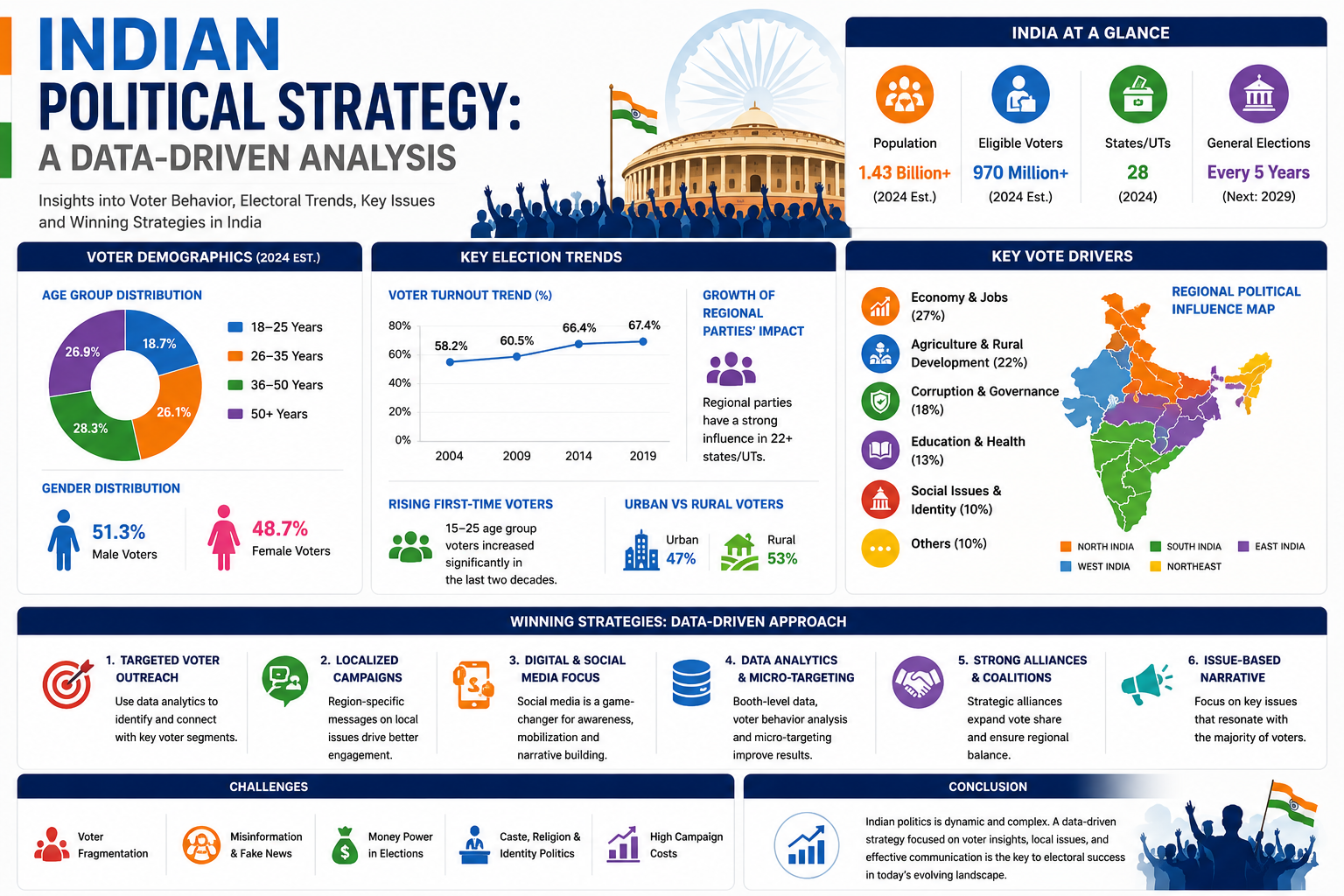
💡 Indian Political Strategy: A Data-Driven Analysis
An authoritative analysis of the strategic frameworks, data-driven campaigning, and demographic engineering shaping modern Indian elections.
Executive Summary
Modern Indian political strategy has transitioned from traditional grassroots mobilization to a high-tech, data-centric ecosystem. Key findings indicate that the 2024 electoral landscape is defined by three primary pillars: the rise of the Labharthi (beneficiary) class, the professionalization of booth-level management, and the saturation of digital micro-targeting. Statistics show that direct benefit transfers (DBT) have reached over 900 million citizens, creating a new loyal voter base that transcends traditional caste lines. This report analyzes how political parties leverage big data, social media sentiment analysis, and regional identity to secure electoral dominance.
Introduction
India represents the most complex democratic exercise on the planet, with an electorate exceeding 960 million voters. Navigating this landscape requires more than just charismatic leadership; it demands a sophisticated blend of demographic engineering and technological precision. In the current era, Indian political strategy is no longer confined to local rallies and wall paintings. It has become an industry valued at billions of dollars, utilizing specialized consultants, AI-driven messaging, and hyper-local organizational structures. Understanding these mechanics is essential for any observer of global geopolitics and economic stability.
The Deep Dive: The Pillars of Modern Electioneering
1. The Rise of Welfarism and the Labharthi Class
One of the most significant shifts in Indian political strategy over the last decade is the institutionalization of welfarism. Strategic planners have identified that tangible service delivery creates a stronger bond with the voter than abstract ideological promises. Data from government reports indicate that schemes such as the Pradhan Mantri Awas Yojana (housing) and Ujjwala Yojana (gas connections) have created a dedicated class of voters known as Labharthis. These individuals often vote based on the direct impact of government policy on their quality of life. This strategy has been particularly effective in states like Uttar Pradesh, where Yogi Adityanath’s political journey has been bolstered by the efficient implementation of central and state welfare programs.
2. Digital Micro-Targeting and Social Media Hegemony
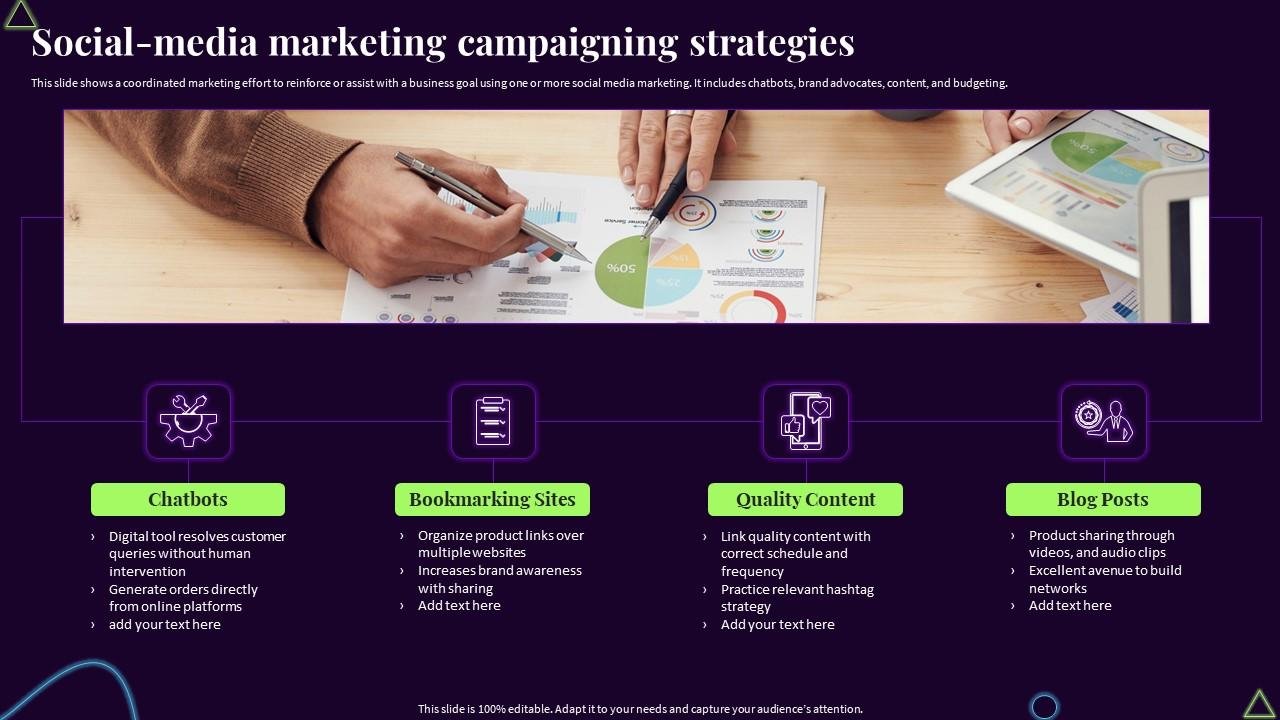
India has over 750 million smartphone users, making digital platforms the primary battleground for political narratives. Strategy now involves the use of WhatsApp as a tool for micro-targeting. Political parties segment the electorate into thousands of digital cells based on age, profession, and local grievances. This allows for the dissemination of tailored content that resonates with specific groups. For instance, a farmer in Punjab receives a different message than a tech professional in Bengaluru. This level of granularity ensures that the campaign narrative remains relevant to the individual, increasing the conversion rate of undecided voters.
3. The Panna Pramukh System: Organizational Precision
At the heart of successful Indian political strategy is the Panna Pramukh (Page In-charge) system. This involves assigning a party worker to every single page of the voter list. This worker is responsible for maintaining constant contact with the 30 to 60 voters listed on that page. This hyper-local approach ensures high voter turnout on election day. While national narratives are important, the battle is often won or lost at the booth level. This organizational discipline is a key reason why certain parties maintain a high strike rate even in competitive regions.
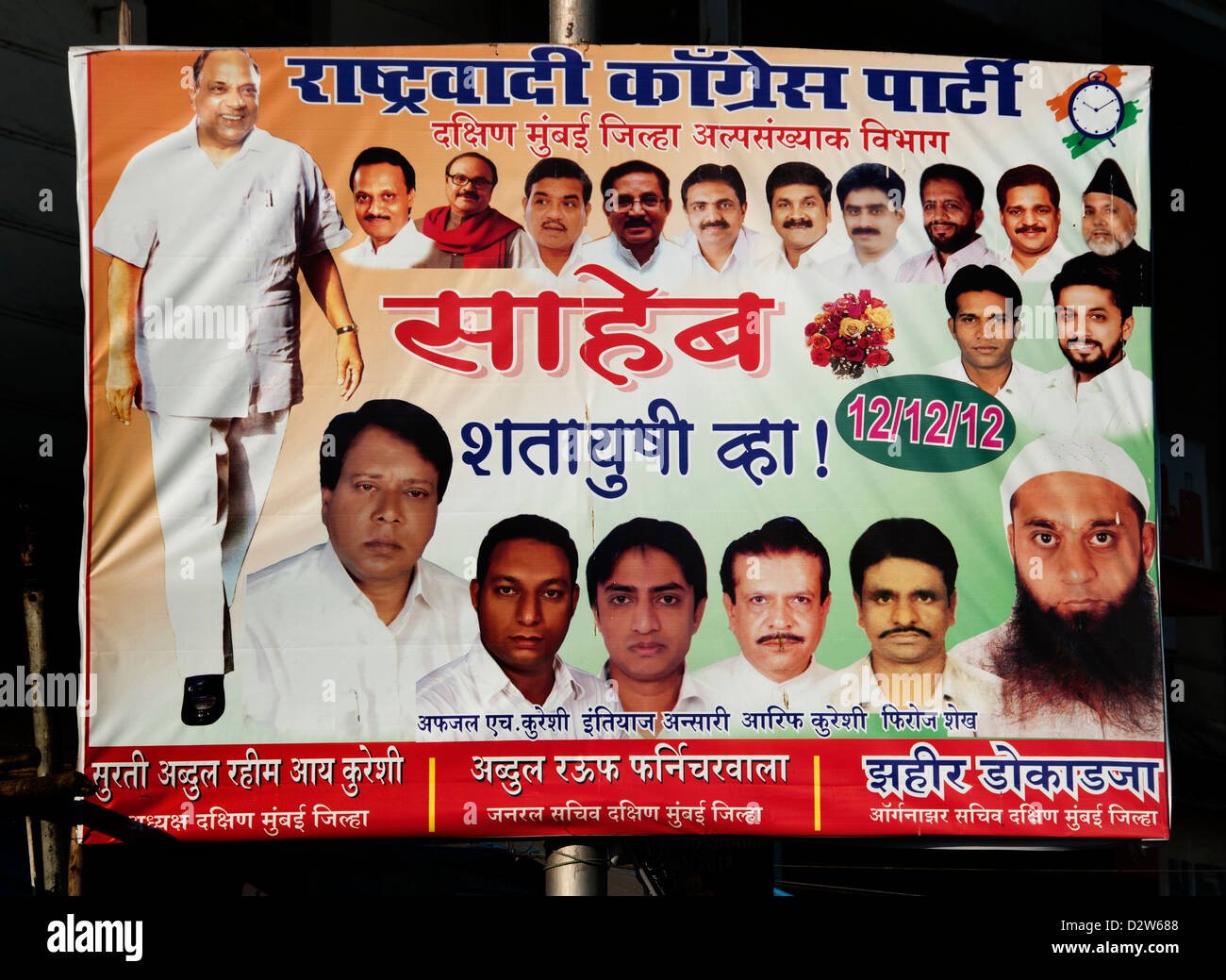
4. Regional Identity and Coalition Dynamics
While national parties focus on centralized themes, regional players emphasize local identity and linguistic pride. Strategy in states like West Bengal or Tamil Nadu often revolves around protecting regional interests from perceived central encroachment. For example, understanding Mamata Banerjee’s electoral base reveals how a deeply localized strategy can effectively counter national political waves. Successful strategists must balance these regional aspirations with broader economic goals, such as maintaining Indian economic stability and global investor confidence.
What This Means For You
- Voter Awareness: Recognizing that the content on your social media feed is likely part of a sophisticated micro-targeting campaign can help you seek out more balanced information.
- Policy Impact: Understanding the Labharthi model explains why governments prioritize certain welfare schemes over long-term infrastructure projects.
- Economic Trends: Political stability or shifts in power directly influence market volatility and currency performance.
- Civic Engagement: Knowing the importance of the booth-level structure highlights why local participation is the most effective way to influence national policy.
Expert Verdict / Future Outlook
The future of Indian political strategy lies in the integration of Artificial Intelligence and Deepfake technology for personalized campaigning. We are moving toward an era where a candidate could theoretically send a personalized video message to millions of voters, addressing them by name and discussing their specific local issues. However, as the strategy becomes more data-heavy, the risk of misinformation increases. The professionalization of politics will continue, with more parties hiring specialized consultancy firms to manage everything from ticket distribution to social media sentiment. The ultimate winner will be the party that can best synchronize technological prowess with authentic grassroots connectivity.
FAQ
1. How much do political parties spend on digital strategy in India?
While official figures are limited, industry estimates suggest that major national parties spend hundreds of millions of dollars on digital advertising, social media management, and data analytics during a general election cycle.
2. What is the role of caste in modern political strategy?
Caste remains a fundamental variable, but its role is changing. Strategists now focus on sub-caste coalitions and non-dominant groups to break traditional vote banks, a process often called social engineering.
3. Does social media sentiment accurately predict election results?
Not always. While social media provides a snapshot of the vocal demographic, it often misses the silent voter base in rural areas who may not be active on platforms like X (formerly Twitter) but are influential on WhatsApp.
4. How do political consultants influence candidate selection?
Consultants use private surveys and winnability metrics to advise parties on which candidates have the highest statistical probability of winning, often overriding traditional seniority.
5. Why is the booth-level strategy considered more important than rallies?
Rallies build momentum and narrative, but the booth-level strategy ensures that the supporters actually reach the polling station and cast their vote, which is the only metric that determines the outcome.
Conclusion
Indian political strategy has evolved into a sophisticated science that blends traditional social structures with cutting-edge data analytics. By focusing on the Labharthi class, digital micro-targeting, and rigorous organizational management, political entities can navigate the complexities of the world's largest democracy. For the citizen and the investor alike, understanding these strategic maneuvers is vital for anticipating the future trajectory of India's governance and economy.




Comments 0
Leave a Reply
Your email address will not be published. Required fields are marked *
Be the first to share your thoughts!