
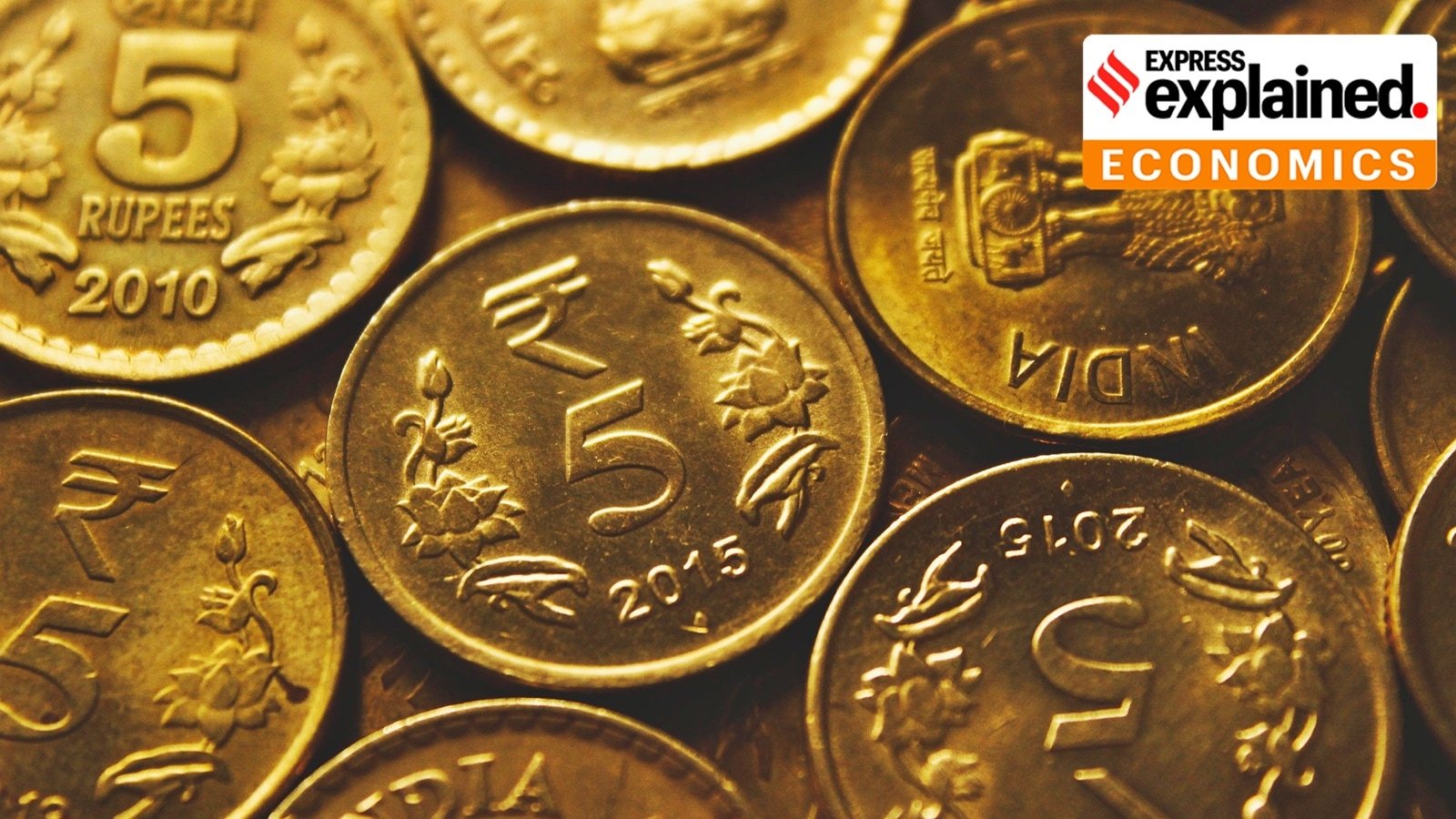
💡 Rupee Performance and Valuation: A 2024 Economic Analysis
A professional analysis of the Indian Rupee's performance, valuation metrics, and the strategic role of the RBI in maintaining currency stability.
Executive Summary
The Indian Rupee (INR) has demonstrated significant resilience in the 2023-2024 fiscal period despite aggressive global monetary tightening and geopolitical instability. Key data highlights include a record high in foreign exchange reserves exceeding 640 billion USD and a strategic management of the Real Effective Exchange Rate (REER) to maintain export competitiveness. While the Rupee has faced pressure from the US Dollar Index (DXY), the volatility remains among the lowest in emerging market currencies. This report analyzes the structural drivers of the Rupee valuation, the impact of trade deficits, and the outlook for the currency in a shifting global economic landscape.
Introduction
The valuation of the Rupee serves as a critical barometer for India's economic health and its integration into the global financial system. As the world's fastest-growing major economy, India's currency performance is no longer just a reflection of local trade balances but is increasingly influenced by global capital flows and interest rate differentials. Understanding the nuances of Rupee performance requires an analytical look at the central bank's intervention strategies, foreign portfolio investment (FPI) trends, and the domestic inflationary environment. This analysis provides a high-level overview of the factors governing the INR and what stakeholders can expect in the coming quarters.
The Deep Dive: Structural Drivers and Performance Metrics
The performance of the Rupee is dictated by a complex interplay of internal and external variables. To understand the current valuation, we must examine the specific pillars that support or suppress the currency's value.
1. The Role of the Reserve Bank of India (RBI)
The RBI employs a managed float exchange rate system. Unlike a purely free-floating currency, the RBI intervenes in the spot and forward markets to prevent excessive volatility. This strategy is evident in the stabilization of the Rupee within a narrow band even when the US Federal Reserve hiked interest rates to a 22-year high. By utilizing its massive forex reserves, the RBI ensures that the currency does not experience the sharp devaluations seen in other emerging markets. For those managing local finances, understanding banking operations and holiday schedules is essential for timing transactions during these periods of managed stability.
2. The US Dollar Dominance and Interest Rate Differentials
The primary external pressure on the Rupee is the strength of the US Dollar. When the US Federal Reserve maintains high interest rates, capital tends to flow back to dollar-denominated assets, leading to an outflow from emerging markets like India. In 2024, the yield on the US 10-year Treasury has remained a pivotal metric for Rupee traders. Despite these pressures, the Rupee has outperformed several of its peers due to India's robust GDP growth rate, which is projected to stay above 7 percent. This growth attracts long-term Foreign Direct Investment (FDI), which provides a fundamental floor for the currency.
3. Trade Deficit and Crude Oil Dynamics
India imports nearly 85 percent of its crude oil requirements. Consequently, global Brent crude prices have a direct inverse relationship with the Rupee's value. A rise in oil prices expands the current account deficit (CAD), putting downward pressure on the INR. However, the diversification of oil sources and the increase in service exports, particularly in the IT and consulting sectors, have helped offset the merchandise trade deficit. This shift in trade dynamics is a vital component of the Rupee's long-term valuation strategy.
4. Geopolitics and Policy Continuity
Political stability is a major factor in currency valuation as it dictates the predictability of economic reforms. The market perceives political stability and policy continuity as a signal of lower risk, which encourages foreign institutional investors to maintain their positions in Indian equities and bonds. Furthermore, the inclusion of Indian government bonds in global bond indices like the JPMorgan GBI-EM index is expected to bring in an estimated 25 billion USD in passive inflows, providing a significant structural support for the Rupee.
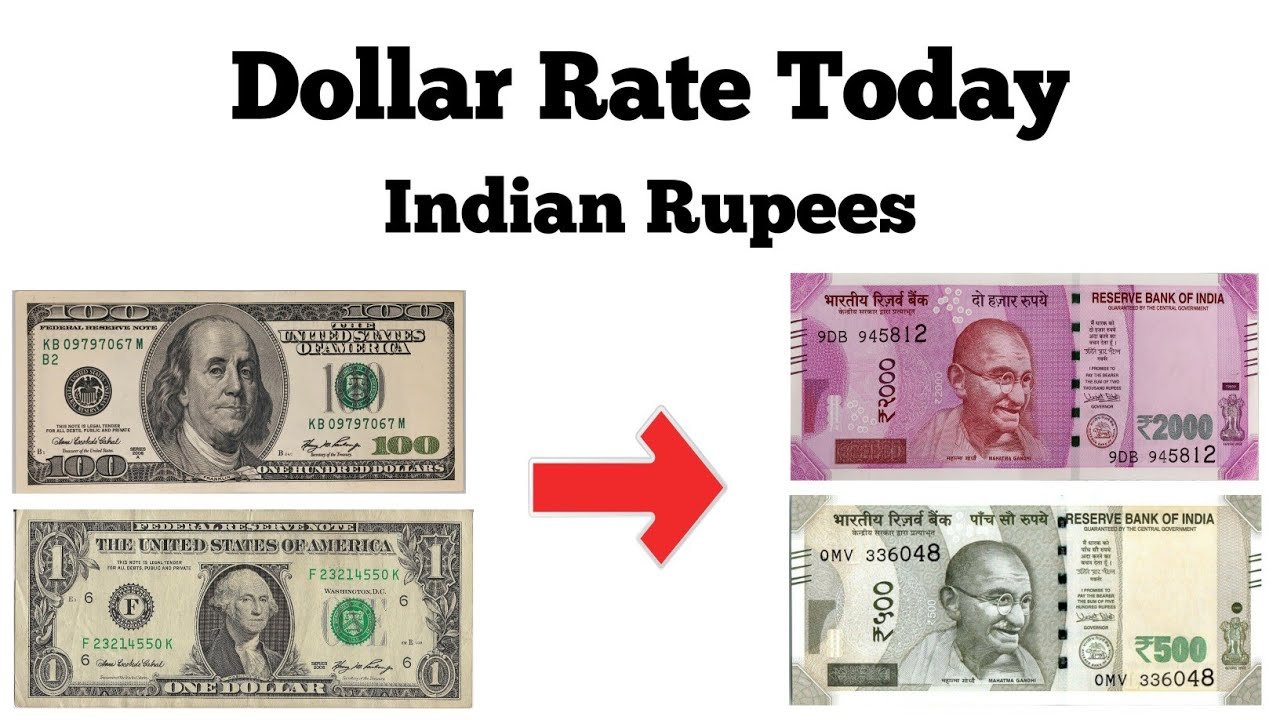
5. Regional Comparisons and Global Positioning
When comparing the Rupee to other regional currencies, it is important to look at the broader landscape. For instance, in regional economic comparisons, we see how different fiscal policies affect local currency strength. The Rupee remains the dominant anchor in South Asia, influencing the monetary policies of neighboring nations. Its valuation is increasingly compared to the Chinese Yuan and the Brazilian Real rather than smaller regional counterparts, reflecting India's status as a global manufacturing and services hub.
What This Means For You
For the average citizen and business owner, the valuation of the Rupee has direct consequences on the cost of living and operational expenses. Here is a breakdown of the practical impacts:
- Imported Goods: A weaker Rupee makes electronics, oil, and gold more expensive, contributing to domestic inflation.
- Travel and Education: For those looking to travel abroad or study in foreign universities, a depreciating Rupee increases the total cost in local terms.
- Export Opportunities: Businesses that export goods or services benefit from a weaker Rupee as their foreign earnings translate into more local currency, improving profit margins.
- Investment Strategy: Investors should consider currency hedging if they have significant exposure to foreign markets, as the INR/USD exchange rate can fluctuate based on global sentiment.
Expert Verdict and Future Outlook
The consensus among financial analysts is that the Rupee will remain in a state of consolidated stability with a slight bias toward depreciation in line with inflation differentials. The RBI is expected to continue its policy of building reserves during periods of Rupee strength and defending the currency during bouts of global panic. The inclusion in global bond indices is a game changer that will likely decouple the Rupee from some of the traditional pressures of the trade deficit. By late 2024 and early 2025, if the US Federal Reserve begins a rate-cutting cycle, we could see the Rupee appreciate toward the 81-82 level against the dollar.
FAQ
1. Why does the Rupee fall when oil prices rise?
Since India imports the majority of its oil, higher prices mean India must spend more US Dollars to buy the same amount of fuel. This increase in demand for dollars leads to a decrease in the value of the Rupee.
2. How do forex reserves help the Rupee?
Forex reserves act as a cushion. If the Rupee falls too quickly, the RBI can sell dollars from its reserves and buy Rupees, thereby increasing the demand for the local currency and stabilizing its price.
3. What is the difference between REER and NEER?
The Nominal Effective Exchange Rate (NEER) is the weighted average of bilateral exchange rates. The Real Effective Exchange Rate (REER) adjusts this for inflation. REER is a better indicator of a country's international competitiveness.
4. Does a strong Rupee always mean a strong economy?
Not necessarily. While a strong Rupee indicates investor confidence, it can also make Indian exports more expensive and less competitive in the global market. A balanced valuation is usually preferred.
5. How does the US Fed rate affect the INR?
Higher US rates offer better returns for investors in the US, leading them to pull money out of Indian markets. This outflow of capital reduces the demand for the Rupee, causing it to depreciate.
Conclusion
The Indian Rupee is navigating a period of controlled transition. While global headwinds such as high US interest rates and volatile energy prices persist, India's strong macroeconomic fundamentals provide a solid foundation. The strategic intervention by the RBI, coupled with rising foreign exchange reserves and inclusion in global indices, suggests that the Rupee will maintain its status as a stable and reliable currency in the emerging market space. For businesses and investors, the focus should remain on monitoring global central bank policies and domestic fiscal health as the primary indicators of future currency movement.
Important Note: Financial Disclaimer: This content is for educational purposes only and does not constitute professional financial advice. Always consult with a certified financial planner before making investment decisions.





Comments 0
Leave a Reply
Your email address will not be published. Required fields are marked *
Be the first to share your thoughts!