
💡 Trump, Iran, and the Strait of Hormuz: Strategic Analysis
A comprehensive analysis of the geopolitical tensions between the US and Iran regarding the Strait of Hormuz, focusing on economic impact and strategic policy.
Executive Summary
The geopolitical relationship between the United States and Iran, specifically concerning the Strait of Hormuz, remains one of the most critical variables in global energy security. During the Trump administration, the implementation of the Maximum Pressure campaign significantly altered the regional balance of power. Key data highlights include the fact that the Strait of Hormuz serves as the transit point for approximately 21 million barrels of oil per day, representing roughly 21 percent of global petroleum liquids consumption. Our analysis indicates that the strategic shift toward unilateral sanctions led to a 6 percent contraction in Iranian GDP in 2019, while simultaneously increasing the operational risks for commercial shipping in the Persian Gulf. This report examines the mechanics of these tensions and the enduring economic consequences for global markets.
Introduction
The Strait of Hormuz is a narrow waterway separating the Persian Gulf from the Gulf of Oman. At its narrowest point, the shipping lanes are only two miles wide in either direction. For decades, this geographic choke point has been the centerpiece of US-Iran relations. The tension reached a historical peak following the 2018 US withdrawal from the Joint Comprehensive Plan of Action (JCPOA). By re-imposing secondary sanctions, the United States aimed to reduce Iranian oil exports to zero, a move that Iran countered with threats to close the Strait. Understanding this dynamic requires a look at military posture, international maritime law, and the global energy supply chain. This analysis provides a data-backed overview of the strategic maneuvers that defined the Trump era and their continuing influence on international relations.
The Deep Dive: Maximum Pressure and Maritime Security
The Maximum Pressure campaign was designed to leverage the dominance of the US dollar and the global financial system to isolate the Iranian economy. According to data from the US Treasury Department, over 1,500 individuals and entities were sanctioned during this period. The primary objective was to force Iran back to the negotiating table to address not only its nuclear program but also its ballistic missile development and regional influence.
The Economic Significance of the Choke Point
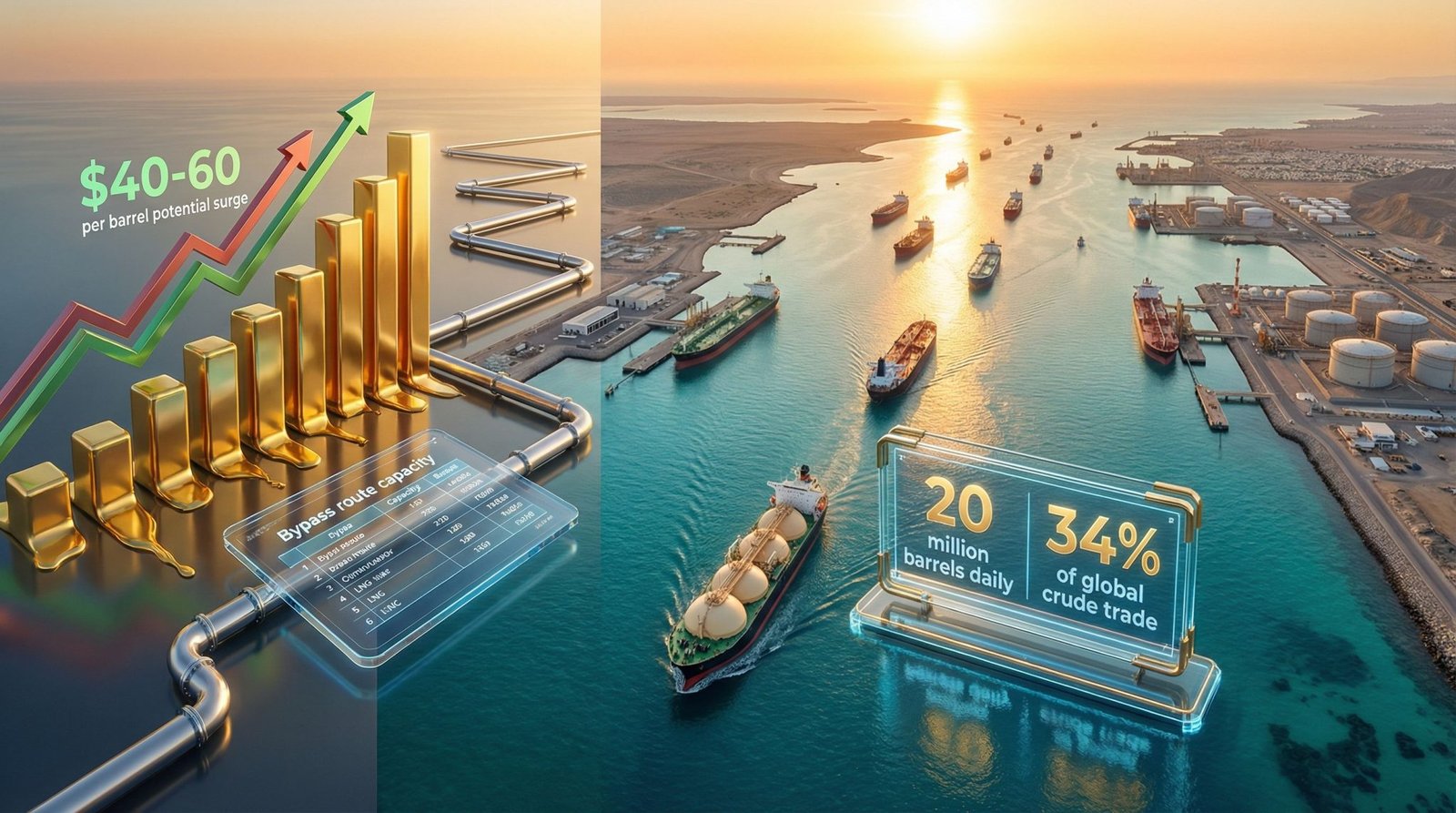
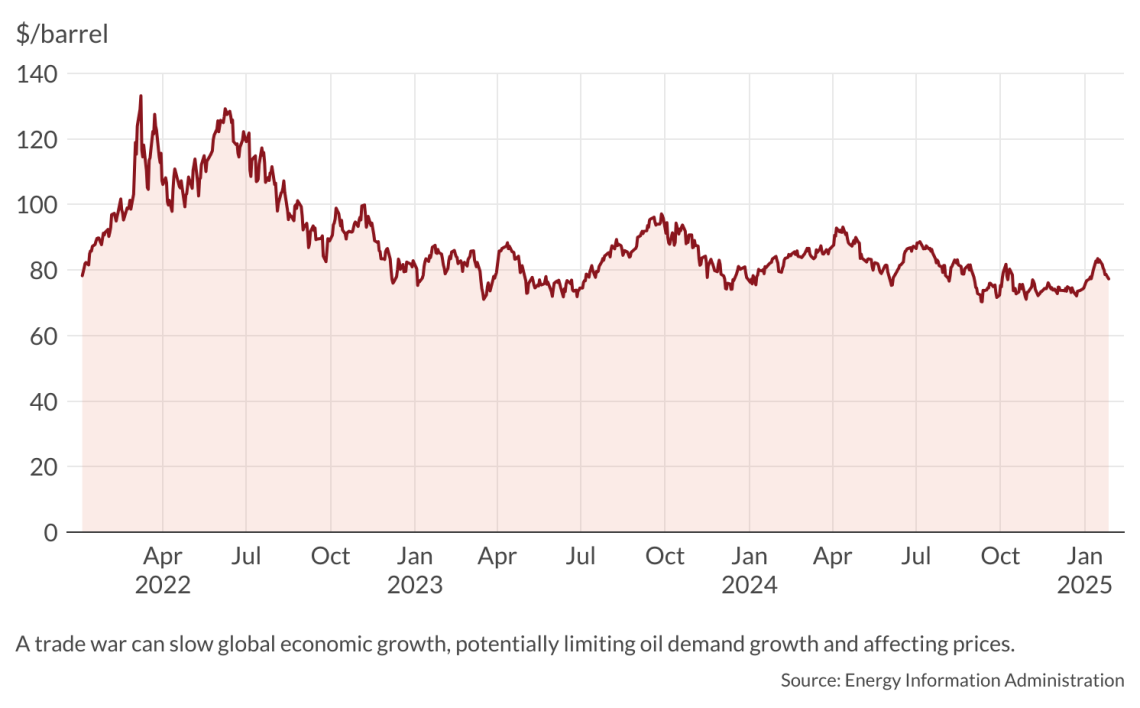
The Strait of Hormuz is arguably the most important oil transit channel in the world. Data from the Energy Information Administration (EIA) confirms that more than 25 percent of the world's total seaborne-traded oil passes through this passage. Unlike other maritime routes, there are few viable alternatives. While Saudi Arabia and the United Arab Emirates operate pipelines that can bypass the Strait, their combined capacity is approximately 6.8 million barrels per day, which is less than a third of the total volume that moves through the water. This lack of redundancy makes the global economy highly sensitive to any disruption in the region. When tensions spiked in 2019, Brent crude prices experienced intraday volatility of over 4 percent following reports of tanker sabotages near the Port of Fujairah.
Military Escalation and Tactical Responses
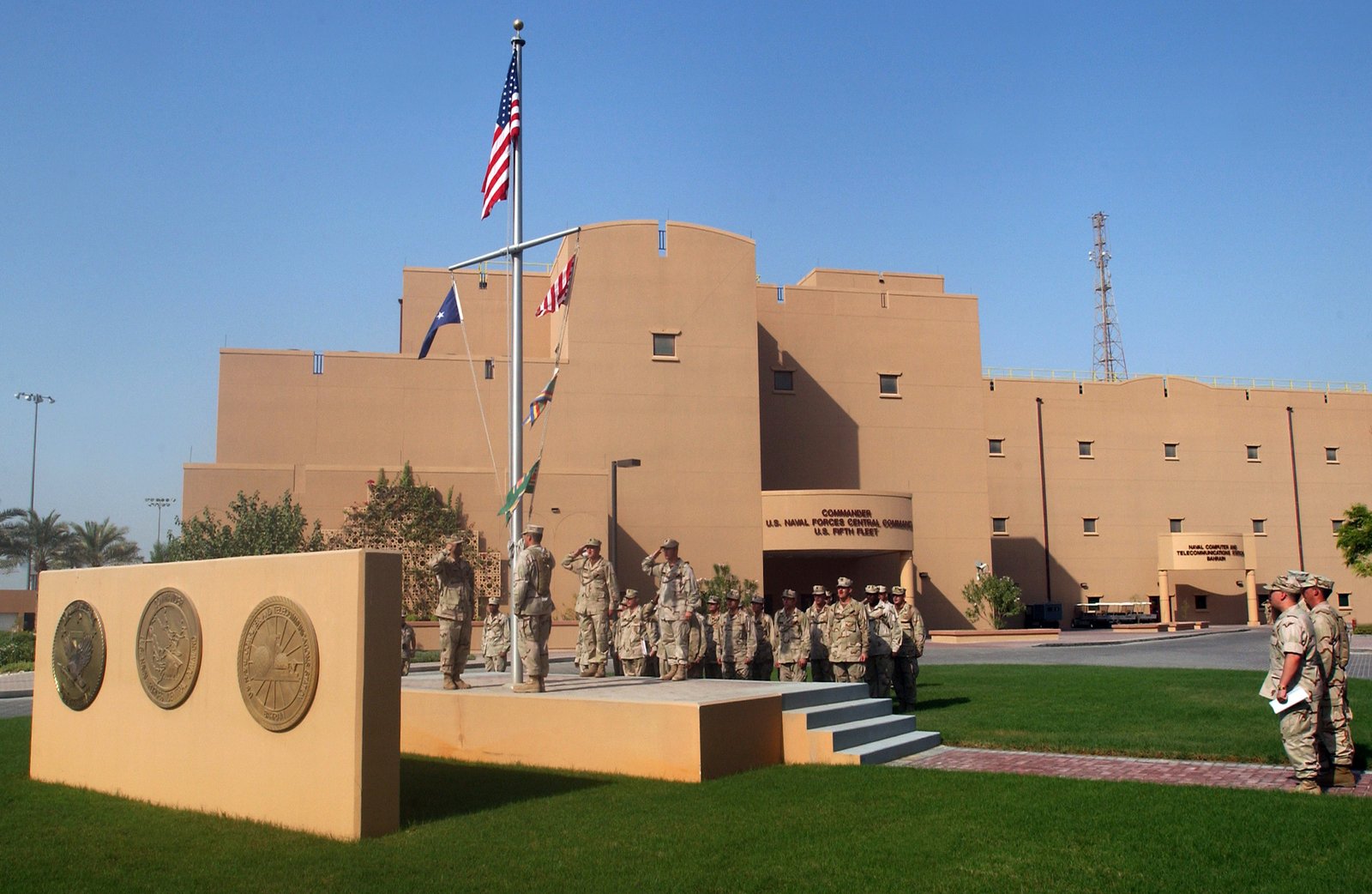
The tactical environment in the Strait of Hormuz is defined by asymmetric warfare. The Iranian Revolutionary Guard Corps (IRGC) utilizes a swarm of fast-attack craft, anti-ship missiles, and naval mines. In response, the US Fifth Fleet, headquartered in Bahrain, maintains a constant presence to ensure the freedom of navigation. During the 2019-2020 period, several high-profile incidents occurred, including the downing of a US Global Hawk drone and the seizure of the British-flagged tanker Stena Impero. These events forced international shipping companies to increase their insurance premiums, with some war-risk surcharges rising by 100 percent for vessels operating in the Persian Gulf.
Regional Diplomatic Strategy
The US approach under the Trump administration also involved building a coalition of regional partners. This strategy was not limited to military cooperation but extended to economic and political alignment. For instance, the coordination with Gulf Cooperation Council (GCC) members was vital for maintaining market stability. Such geopolitical maneuvers are often reflected in broader regional shifts, which can be further understood by examining the Indian Political Strategy: A Data-Driven Analysis, as regional powers frequently adjust their foreign policies in response to US-Iran volatility. The stability of the Strait is a priority for Asian economies, including India, China, and Japan, which receive the majority of the oil transiting the route.
Impact on Global Currencies and Markets
The threat of a closed Strait of Hormuz acts as a risk premium on global markets. When energy prices rise due to geopolitical instability, oil-importing nations face significant inflationary pressure. This often leads to currency devaluation in emerging markets. A detailed look at how these external shocks affect specific economies can be found in the Rupee Performance and Valuation: A 2024 Economic Analysis. For countries like India, an increase in the price of crude oil directly widens the current account deficit, highlighting the interconnectedness of Middle Eastern security and global financial health.
Legal Framework and International Waters
The legal status of the Strait of Hormuz is governed by the United Nations Convention on the Law of the Sea (UNCLOS), although the United States is not a signatory and Iran has not ratified it. However, both nations generally adhere to the principles of transit passage for international straits. Iran argues that it has the right to control the waters within its territorial sea, while the US maintains that the Strait remains an international waterway open to all vessels. This legal ambiguity provides a pretext for the frequent naval standoffs that characterize the region.
What This Means For You
- Energy Costs: Any escalation in the Strait of Hormuz typically results in an immediate spike in gasoline and heating oil prices at the consumer level.
- Investment Portfolios: Volatility in the Persian Gulf affects energy stocks, logistics companies, and broader market indices like the S&P 500.
- Global Inflation: Persistent tensions contribute to higher shipping costs, which are eventually passed on to consumers in the form of higher prices for imported goods.
- Geopolitical Stability: The security of the Strait is a barometer for the likelihood of a larger regional conflict that could involve multiple global powers.
Expert Verdict / Future Outlook
The strategic importance of the Strait of Hormuz will not diminish as long as the global economy remains dependent on fossil fuels. Industry experts suggest that while the transition to renewable energy is underway, the Middle East will remain the marginal supplier of oil for the next two decades. Therefore, the policy framework established during the Trump administration regarding Iran and the Strait provides a blueprint for how future administrations might handle regional containment. The future outlook suggests a continued reliance on maritime coalitions to deter Iranian interference, coupled with economic sanctions as the primary tool of diplomacy. Analysts expect that any return to a Maximum Pressure style policy would immediately re-introduce high-risk premiums into the oil market.
FAQ
How much oil passes through the Strait of Hormuz?
Approximately 21 million barrels per day, which accounts for about 21 percent of global petroleum liquids consumption and a significant portion of liquefied natural gas (LNG) from Qatar.
Why did the Trump administration withdraw from the Iran Deal?
The administration argued that the JCPOA was insufficient in addressing Iran's ballistic missile program, its regional proxy activities, and the sunset clauses that would eventually allow Iran to resume certain nuclear activities.
Can Iran actually close the Strait of Hormuz?
While Iran has the military capability to temporarily disrupt traffic using mines and missiles, military experts agree that the US Navy and its allies possess the superior force required to reopen the waterway quickly, though the economic damage during the closure would be severe.
What was the Maximum Pressure campaign?
It was a policy of intense economic sanctions and diplomatic isolation intended to force the Iranian government to negotiate a more comprehensive treaty regarding its nuclear and military programs.
How do tensions in the Strait affect the US economy?
Even though the US has increased its domestic oil production, oil is a globally traded commodity. A price spike caused by tensions in the Strait increases costs for US consumers and businesses, impacting everything from transportation to manufacturing.
Conclusion
The strategic triangle involving Donald Trump's policy, Iran's regional ambitions, and the Strait of Hormuz represents a defining chapter in modern geopolitics. The Maximum Pressure campaign demonstrated the profound impact that unilateral economic statecraft can have on global energy security and maritime stability. As the international community navigates the complexities of the 21st-century energy landscape, the lessons learned from this era remain vital. Ensuring the free flow of commerce through the Strait of Hormuz is not merely a regional concern but a fundamental necessity for global economic stability. Future strategies must balance the need for security with the reality of a highly interconnected and sensitive global market.





Comments 0
Leave a Reply
Your email address will not be published. Required fields are marked *
Be the first to share your thoughts!