
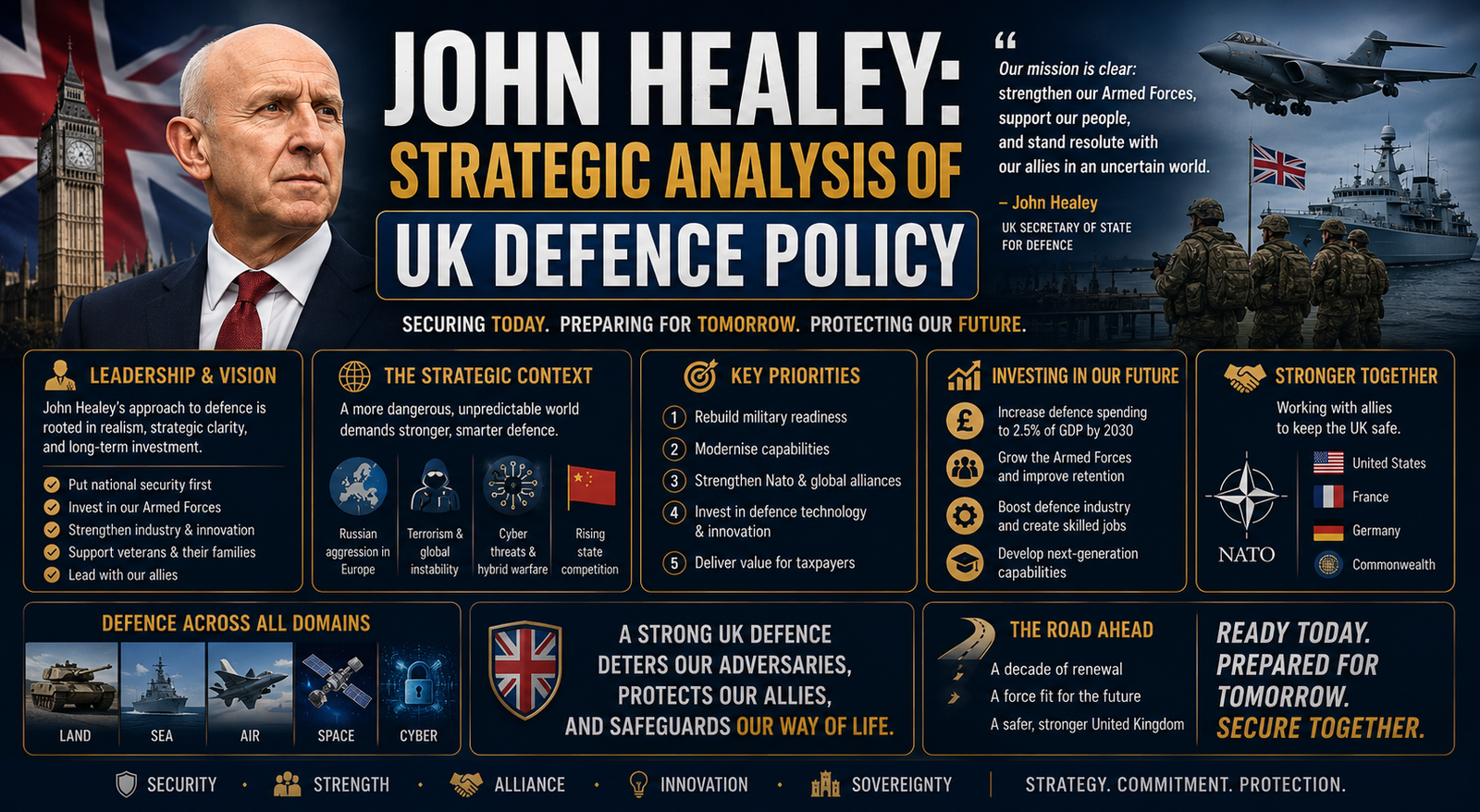
💡 John Healey: Strategic Analysis of UK Defence Policy
An authoritative analysis of John Healey's role as UK Defence Secretary, his Strategic Defence Review, and the future of British military power.
Executive Summary
John Healey, the United Kingdom Secretary of State for Defence, currently presides over one of the most critical periods in British military history. Since his appointment in July 2024, Healey has initiated a comprehensive Strategic Defence Review (SDR) designed to address what he describes as the hollowed out state of the British Armed Forces. Key data highlights include a firm commitment to a 2.5 percent GDP spending target on defence, a continuous three billion pound annual support package for Ukraine, and a strategic pivot toward a NATO-first policy. This analysis examines Healey's policy framework, the industrial implications of his leadership, and the geopolitical challenges facing the Ministry of Defence (MoD).
Introduction
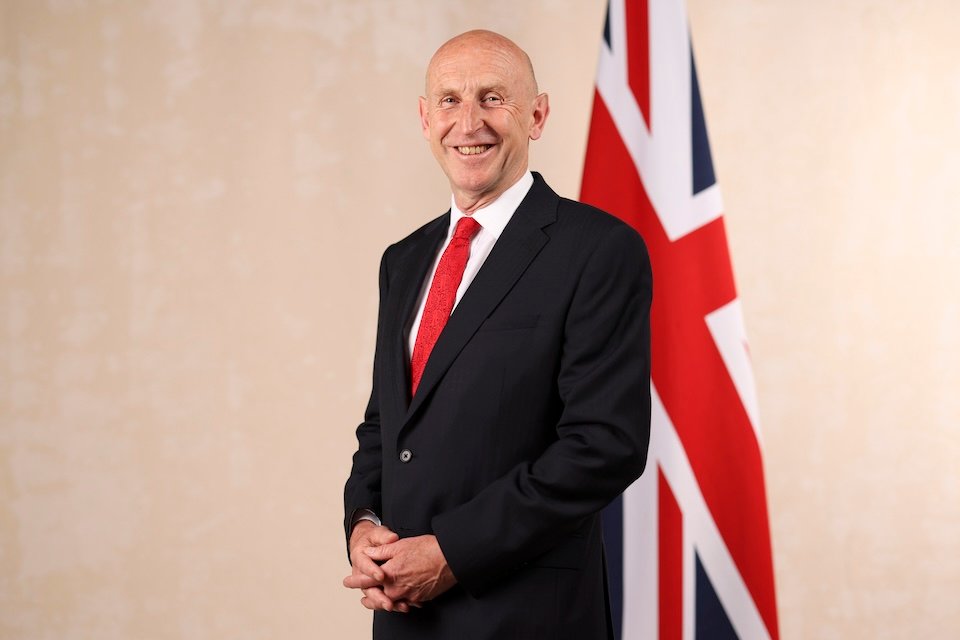
The appointment of John Healey as Defence Secretary marks a significant transition in the UK strategic posture. With a background that spans decades of parliamentary service and a long tenure as Shadow Defence Secretary, Healey brings a level of prepared continuity rarely seen in cabinet transitions. He inherits a landscape defined by high-intensity conflict in Eastern Europe, rising tensions in the Middle East, and a domestic military infrastructure facing recruitment and procurement crises. The central thesis of Healey's leadership is the necessity of resilience, moving away from the era of expeditionary warfare toward a focus on national and continental security. This shift is not merely political but is a response to the broader strategic impact on governance observed in recent global shifts where security has become the primary pillar of state stability.
THE DEEP DIVE: The Strategic Defence Review and Beyond
The cornerstone of John Healey’s tenure is the 2024 Strategic Defence Review. Unlike previous reviews, this process is being led by external experts, including former NATO Secretary General Lord Robertson, signifying a desire for objective, hard-hitting assessments of UK capabilities. The review is tasked with identifying the threats facing the UK and the capabilities required to meet them, with a final report expected in the first half of 2025.
The 2.5 Percent GDP Commitment
One of the most scrutinized aspects of Healey's strategy is the timeline for reaching a defence expenditure of 2.5 percent of Gross Domestic Product (GDP). While the previous administration set a hard deadline of 2030, Healey and the current government have maintained a commitment to reaching this target as soon as fiscal conditions allow. Currently, UK defence spending sits at approximately 2.3 percent of GDP, which equates to roughly 54.2 billion pounds. Bridging this gap requires an additional 10 to 12 billion pounds annually, a significant challenge given the current fiscal constraints. This financial trajectory is essential for maintaining the UK position as a leading power within NATO and navigating the complexities of global influence and shifting alliances.
Revitalizing the Defence Industrial Base
Healey has been vocal about the need for a new Defence Industrial Strategy. For years, the UK has relied on off-the-shelf purchases from international partners, which, while cost-effective in the short term, has eroded domestic manufacturing capacity. Healey’s approach emphasizes British-built equipment, aiming to create a circular economy where defence spending supports UK jobs and innovation. This is particularly relevant in the context of the Global Combat Air Programme (GCAP) and the AUKUS submarine alliance. By prioritizing domestic production, Healey aims to ensure that the UK remains at the forefront of technological advancement, mirroring the strategic evolution observed in other major global economies that are integrating digital and industrial power into their security frameworks.
Personnel and Recruitment Crisis
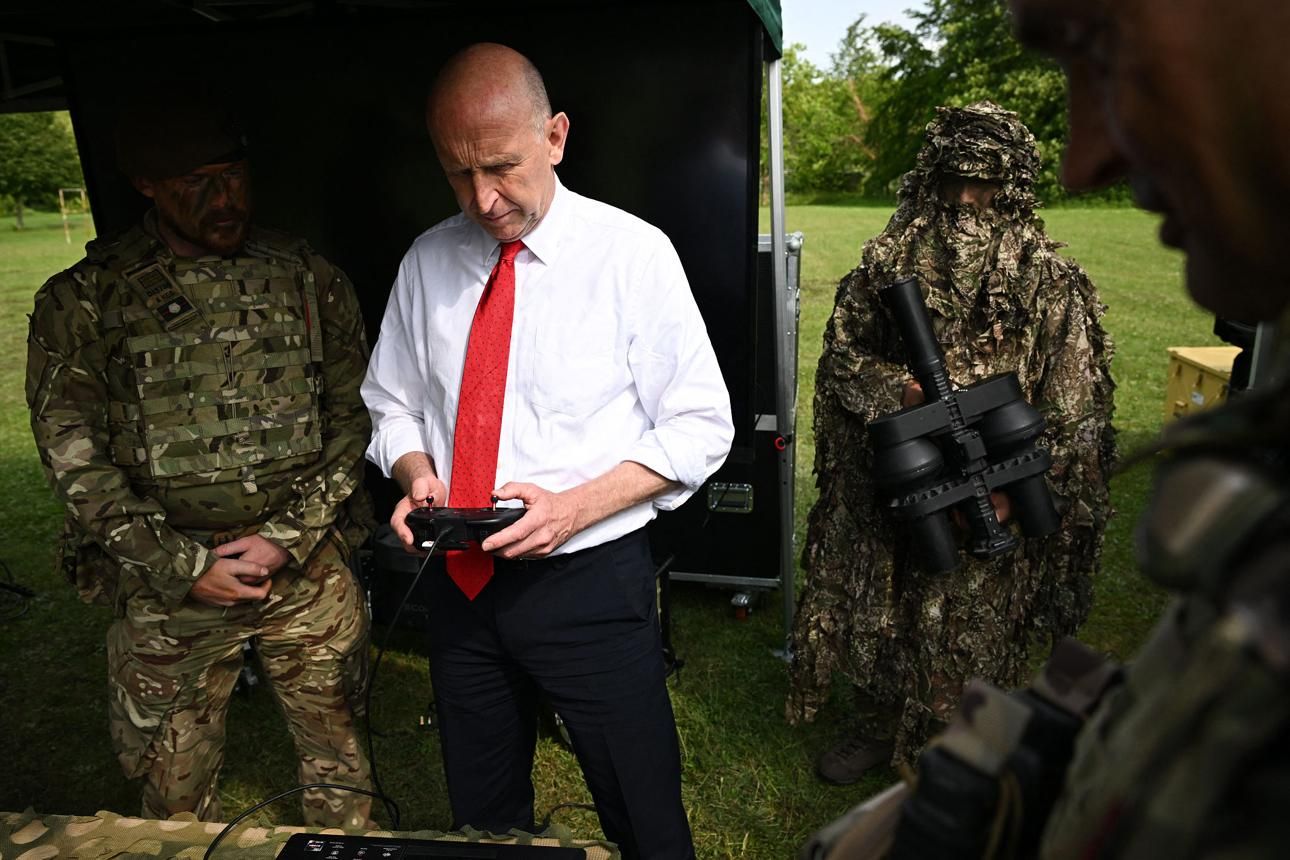
The British Armed Forces are currently at their smallest size since the Napoleonic era. The British Army, in particular, has seen its numbers dwindle toward a target of 72,500 personnel, though actual figures are often lower due to retention issues. Healey has introduced a Homes for Heroes program and has promised to fix the broken recruitment system, which has been hampered by bureaucratic delays and poor outsourcing management. Statistical data from the MoD suggests that for every eight people who leave the forces, only five are recruited, a deficit that Healey must reverse to maintain operational readiness.
The Ukraine Commitment and NATO-First
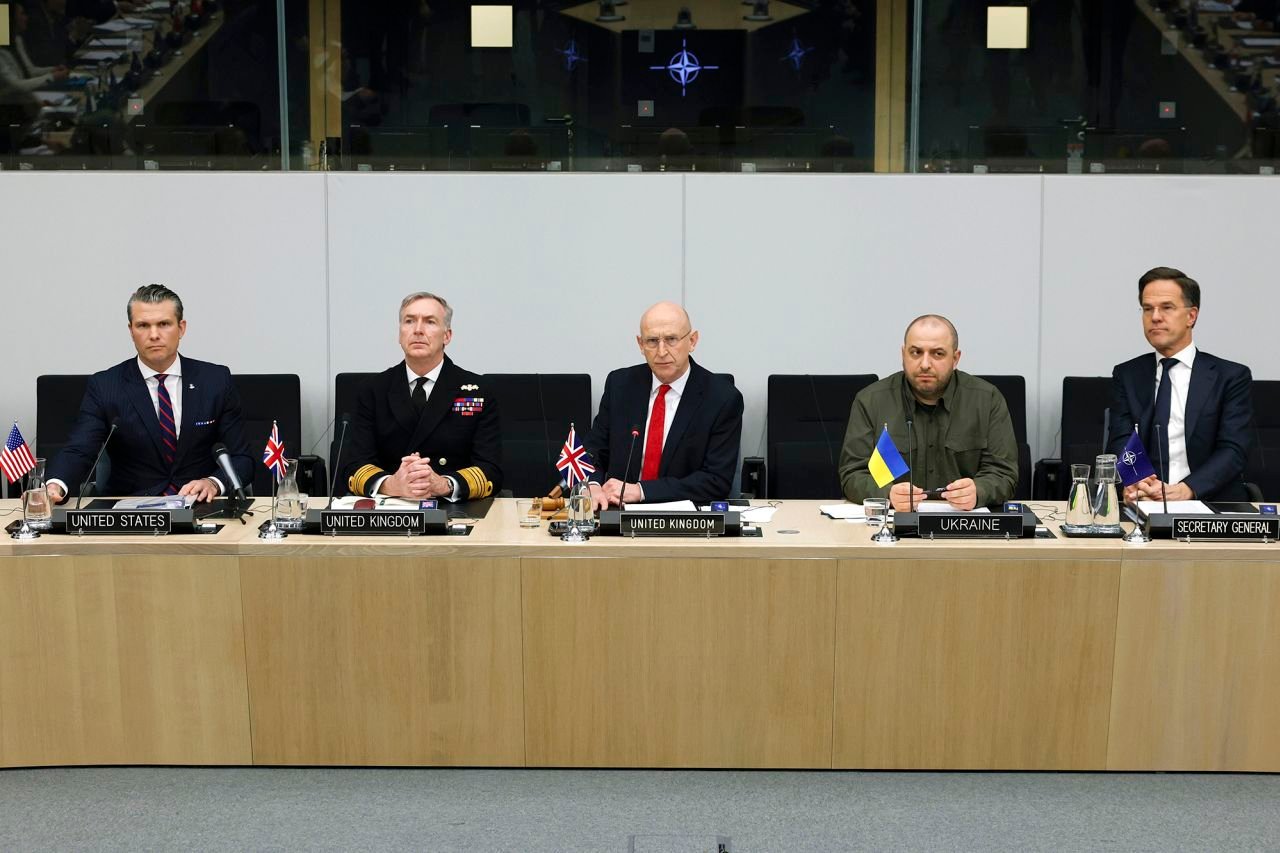
Under Healey, the UK has reaffirmed its role as Ukraine's leading European ally. The commitment of three billion pounds in military aid per year is now a permanent fixture of the budget. Furthermore, Healey has shifted the focus of the Royal Navy and the Royal Air Force back toward the North Atlantic and High North, areas of increasing Russian activity. This NATO-first doctrine marks a departure from the Indo-Pacific tilt of the early 2020s, focusing instead on the immediate security of the European theater.
WHAT THIS MEANS FOR YOU
For the average citizen and industry stakeholder, John Healey’s policies translate into several tangible outcomes. First, there will be a renewed focus on national resilience, which could include changes to how the UK handles cyber defence and critical infrastructure protection. Second, the emphasis on British-built equipment means that the UK defence sector, which already employs over 200,000 people, is likely to see increased investment and job security. Third, the commitment to 2.5 percent GDP spending, while necessary for security, will continue to be a point of debate regarding the allocation of taxpayer funds versus other social services. Understanding these shifts is crucial for anyone involved in the technology, manufacturing, or geopolitical analysis sectors.
Expert Verdict and Future Outlook
The expert consensus is that John Healey is a steady hand in a volatile era. His decision to launch an independent Strategic Defence Review is seen as a pragmatic move to depoliticize defence spending. However, the true test of his leadership will be the 2025 Spending Review. Without a clear, multi-year funding settlement from the Treasury, the ambitious goals of the SDR may remain unfulfilled. The future of UK defence under Healey will likely be characterized by a leaner, more technologically advanced force that is deeply integrated with European allies. Success will be measured by his ability to fix the procurement system, which has historically been plagued by billions of pounds in wastage and delays.
FAQ
- What is John Healey's primary objective as Defence Secretary? His primary goal is to conduct a Strategic Defence Review to fix the hollowed out state of the British military and ensure it is fit for future threats.
- When will the results of the Strategic Defence Review be published? The review is expected to be completed and published in the first half of 2025.
- Does John Healey support the 2.5 percent GDP defence spending target? Yes, he has committed to the target, though the exact timeline for achieving it depends on the UK's overall economic performance.
- What is the NATO-first policy? It is a strategic shift that prioritizes the security of the Euro-Atlantic area and the UK's commitments to the NATO alliance over distant expeditionary missions.
- How is Healey addressing the recruitment crisis? He is focusing on improving military housing, reforming the recruitment process, and ensuring better retention through improved career paths for service members.
Conclusion
John Healey represents a return to strategic realism in UK defence policy. By focusing on the Strategic Defence Review, domestic industrial strength, and a NATO-centric security model, he is attempting to rebuild a military that has been stretched thin by years of underinvestment and shifting priorities. The strategic takeaway is clear: the UK is moving toward a more resilient and integrated defence posture, but the success of this transition hinges on the government's ability to match its ambitious rhetoric with sustained financial investment. As the global security environment becomes increasingly complex, Healey's leadership will be the defining factor in whether the UK can maintain its status as a top-tier military power.





Comments 0
Leave a Reply
Your email address will not be published. Required fields are marked *
Be the first to share your thoughts!