
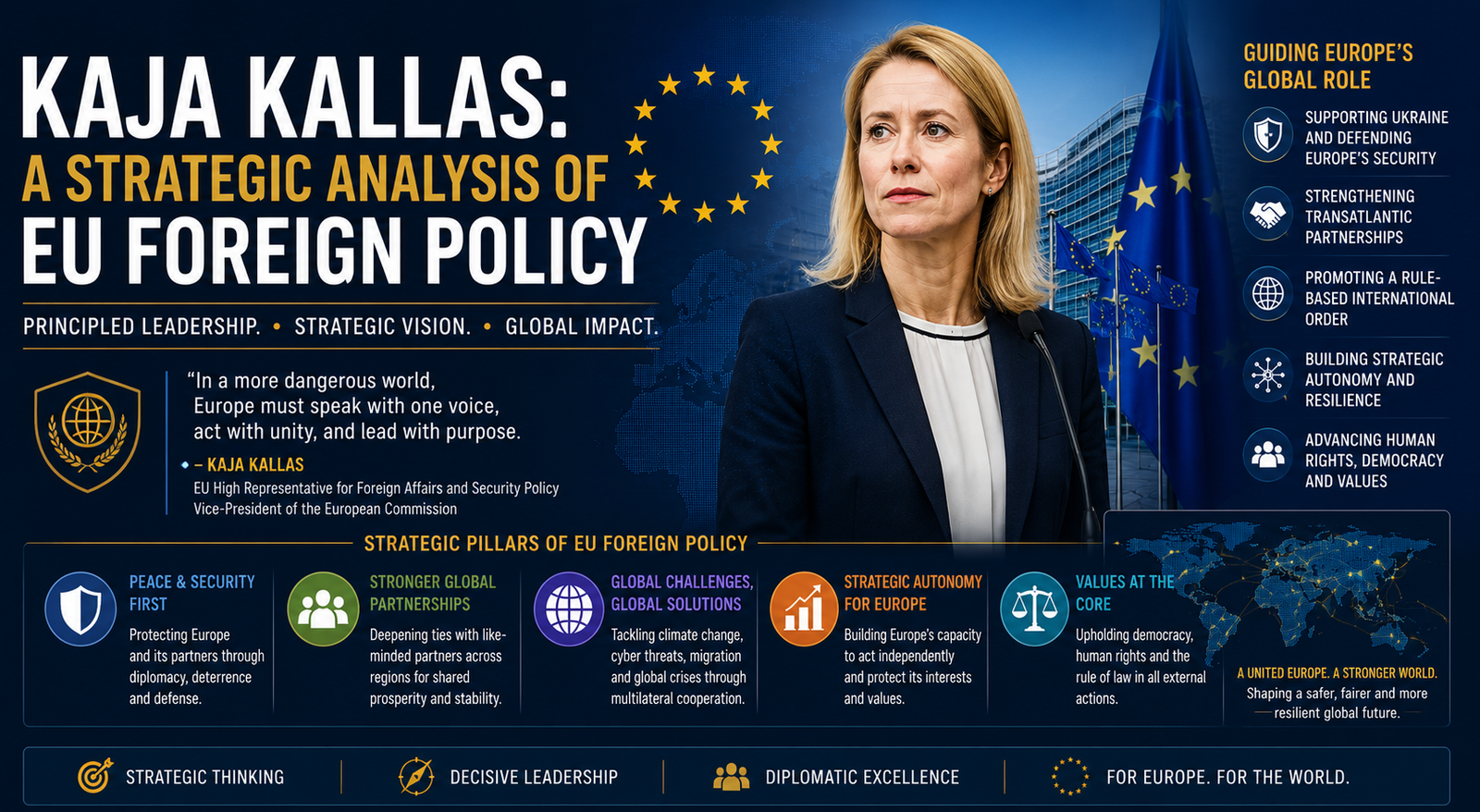
💡 Kaja Kallas: A Strategic Analysis of EU Foreign Policy
An in-depth strategic analysis of Kaja Kallas, her transition to EU High Representative, and her impact on global security and digital governance.
Executive Summary
Kaja Kallas, the former Prime Minister of Estonia and the designated High Representative of the Union for Foreign Affairs and Security Policy, represents a fundamental shift in European Union external strategy. Known as the Iron Lady of the East, Kallas has transitioned from leading a nation of 1.3 million people to steering the diplomatic course of a bloc with 450 million citizens. Key findings in this analysis indicate that her leadership will prioritize three pillars: absolute security commitment to Ukraine, the rapid expansion of European defense industrial capacity, and the export of the Estonian digital governance model. Data highlights show that under her premiership, Estonia increased defense spending to 3.4 percent of GDP, far exceeding the NATO 2 percent target, providing a blueprint for the broader EU strategy. This report examines her policy trajectory, diplomatic influence, and the strategic implications of her rise to the top of the European global hierarchy.
Introduction: The Rise of a Geopolitical Strategist
The appointment of Kaja Kallas as the EU's foreign policy chief marks a historical pivot point for the European Commission. For the first time, a leader from the Baltic states occupies the most senior diplomatic post in Brussels, signaling that the center of gravity for European security has shifted toward the Eastern Flank. Kallas has gained international prominence not through traditional diplomatic caution, but through a clear-eyed, data-driven approach to the Russian threat and a relentless focus on digital sovereignty. Her background as a competition lawyer and her experience in the European Parliament provide her with a unique technical understanding of EU mechanisms, which she now applies to global power dynamics.
Her leadership style is characterized by strategic clarity. While her predecessors often sought a balance between various regional interests, Kallas operates on the principle that European security is indivisible. Her elevation occurs at a time when the global order is being reshaped by technological competition and military realignment. To understand her potential impact, one must look at how she transformed Estonia into a digital powerhouse, a topic that shares strategic parallels with the Japan: Global Economic and Tech Strategic Analysis regarding the intersection of technology and national security.
THE DEEP DIVE: Strategic Pillars and Global Impact
1. The Defense Industrial Revolution
Kallas is the primary architect of the proposal for a 100 billion euro European defense bond. This initiative aims to address the chronic underinvestment in military hardware across the continent. According to the European Defense Agency, total EU defense spending reached 270 billion euros in 2023, yet fragmentation remains a critical weakness. Kallas argues that the EU must move from a collection of 27 national armies to a unified industrial base. Her strategy involves joint procurement and the standardization of equipment, similar to the administrative streamlining seen in the Tamil Nadu Cabinet Portfolio Allocation where strategic resource management is prioritized to maximize output.
Statistics from the Stockholm International Peace Research Institute (SIPRI) show that European arms imports increased by 94 percent between 2019 and 2023. Kallas intends to redirect this demand toward internal European production. By leveraging her position, she will likely push for the implementation of the European Defense Industrial Strategy (EDIS), which seeks to ensure that at least 40 percent of defense equipment is procured collaboratively by 2030.
2. Digital Sovereignty and the E-State Model
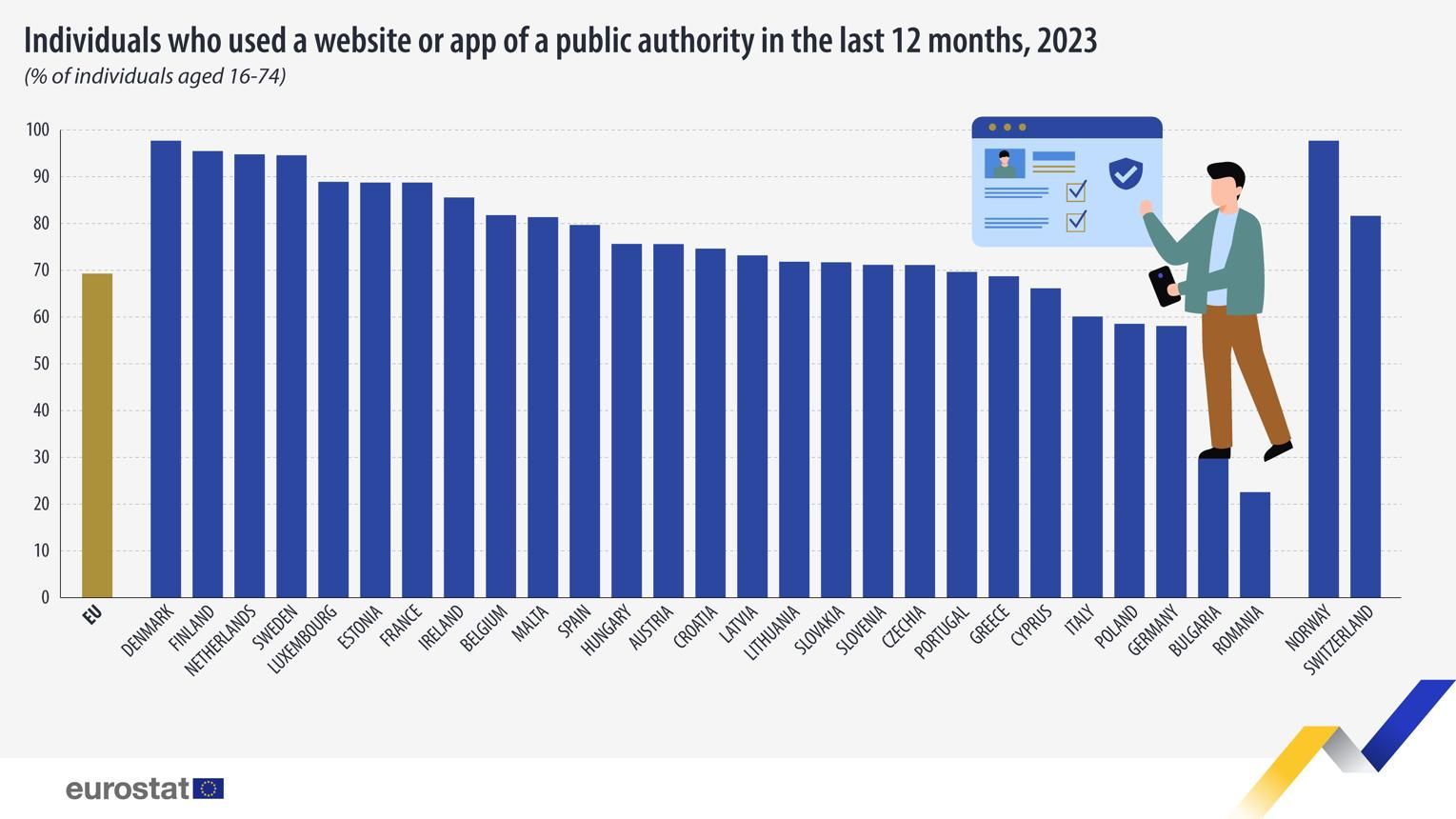
Estonia is widely regarded as the world's most advanced digital society, with 99 percent of government services available online. Kallas views digital infrastructure as a core component of national defense. Under her leadership, Estonia successfully repelled some of the most sophisticated cyberattacks in history, particularly following the removal of Soviet-era monuments in 2022. She brings this expertise to Brussels at a time when the EU is grappling with the regulation of Artificial Intelligence and the security of undersea data cables.
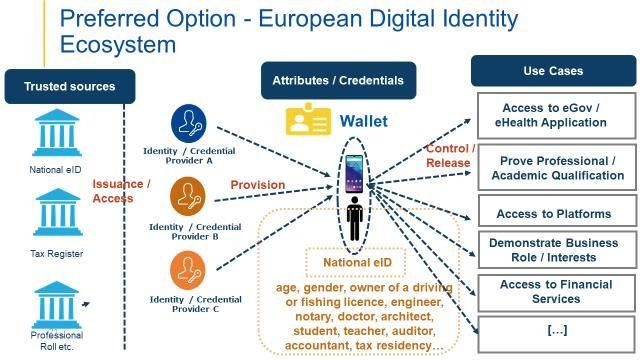
Her focus on technological resilience is not just domestic. Kallas advocates for a Digital Marshall Plan for candidate countries, using technology as a tool for democratic stabilization. This approach to leadership and institutional influence mirrors the strategic shifts discussed in the analysis of R. Leema Rose: A Strategic Analysis of Political Leadership, where individual influence is used to reshape institutional norms.
3. The Russia-Ukraine Conflict and Eastern Diplomacy
Kallas has been one of the most vocal advocates for the total isolation of the Russian economy and the provision of advanced weaponry to Ukraine. Her stance is backed by significant domestic action: Estonia has provided military aid to Ukraine worth more than 1.6 percent of its GDP, the highest ratio in the world. Her presence in the EU leadership ensures that the policy of containment will remain the primary focus of the European External Action Service (EEAS). This includes the maintenance of sanctions regimes and the strategic decoupling from Russian energy supplies, which has already seen EU gas imports from Russia drop from 45 percent in 2021 to less than 15 percent in 2024.
WHAT THIS MEANS FOR YOU
For the average citizen and the business professional, the Kallas era in EU foreign policy translates into several tangible shifts. First, there will be an increased emphasis on cybersecurity. Businesses operating within the EU can expect stricter compliance requirements under the NIS2 Directive as the bloc seeks to harden its digital borders. Second, the push for defense industrialization will create significant opportunities in the aerospace, engineering, and tech sectors. Investors should monitor the development of European defense bonds as a new asset class.
Furthermore, the focus on energy independence means that the transition to renewables will be framed as a security imperative rather than just an environmental goal. This will likely lead to accelerated permitting for green energy projects and increased subsidies for hydrogen and nuclear technologies across Europe.
Expert Verdict / Future Outlook
The strategic consensus among geopolitical analysts is that Kaja Kallas will be the most consequential High Representative in the history of the European Union. Her ability to link security with digital innovation provides a modern framework for 21st-century diplomacy. However, her greatest challenge will be maintaining unity among member states with differing economic ties to China and varying levels of threat perception regarding Russia. In the next five years, we expect Kallas to successfully oversee the integration of Ukraine into the EU's security architecture and to establish a permanent EU defense fund. Her success will be measured by the continent's ability to achieve strategic autonomy from both Russian energy and American security guarantees.
FAQ: Strategic Insights on Kaja Kallas
- What is Kaja Kallas's stance on EU-China relations? Kallas advocates for a de-risking strategy, emphasizing that the EU must reduce its dependency on China for critical minerals and green technology components while maintaining a pragmatic trade relationship.
- How does her background influence her foreign policy? As a former competition lawyer, she approaches international relations with a focus on rules-based orders and the legal frameworks of sanctions and trade agreements.
- Will she prioritize EU enlargement? Yes, Kallas is a strong supporter of bringing Ukraine, Moldova, and the Western Balkans into the EU, viewing enlargement as a strategic tool for regional stability.
- What is her approach to the United States? While a staunch Atlanticist, she believes Europe must take more responsibility for its own defense to remain a credible partner to Washington.
- How will she handle the migration crisis? Kallas views migration through the lens of hybrid warfare, particularly how external actors use migration flows to destabilize European borders, and will likely push for stronger external border controls.
Conclusion
Kaja Kallas represents a new generation of European leadership: one that is unapologetically firm on security, fluent in the language of digital technology, and deeply rooted in the historical reality of the Eastern Flank. Her strategic focus on defense industrialization and digital sovereignty will define the European Union's global posture for the remainder of the decade. As she takes the helm of EU foreign policy, the transition from national leader to continental strategist will be the ultimate test of her ability to forge a unified, resilient, and technologically advanced Europe. The strategic takeaway is clear: the EU is no longer just a trading bloc; under Kallas, it is evolving into a geopolitical power capable of defending its interests on the global stage.




Comments 0
Leave a Reply
Your email address will not be published. Required fields are marked *
Be the first to share your thoughts!