
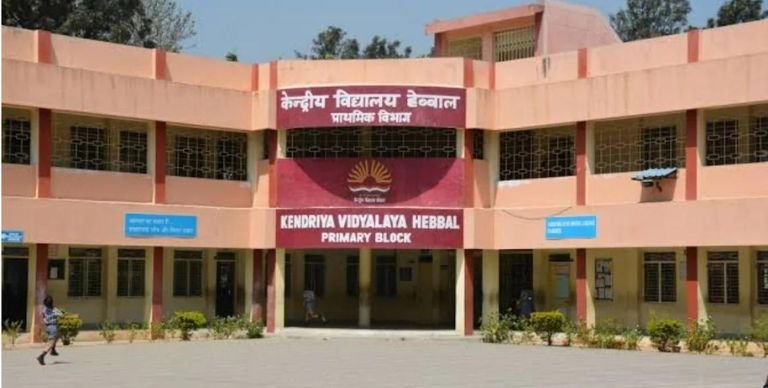
Understanding the Kendriya Vidyalaya Admission Landscape for 2026-27
Kendriya Vidyalayas (KVs) represent the pinnacle of accessible, high-quality central government education in India. Managed by the Kendriya Vidyalaya Sangathan (KVS), these schools were initially established to cater to the educational needs of the children of transferable central government employees. Over the decades, they have evolved into a massive network of over 1,200 schools across the country. Planning for the Kendriya Vidyalaya admission 2026-27 session requires a deep understanding of the regulatory framework, as the competition for seats is intense and the rules are strictly enforced.
Demand for Kendriya Vidyalaya seats continues to rise every year because of affordable fees, quality education, and standardized curriculum under NEP 2020. For parents seeking admission in the 2026-27 academic year, preparation must begin well in advance to ensure all documentation aligns with the latest KVS mandates. This guide explains the complete Kendriya Vidyalaya admission process for 2026–27 in simple steps to help parents apply on time.
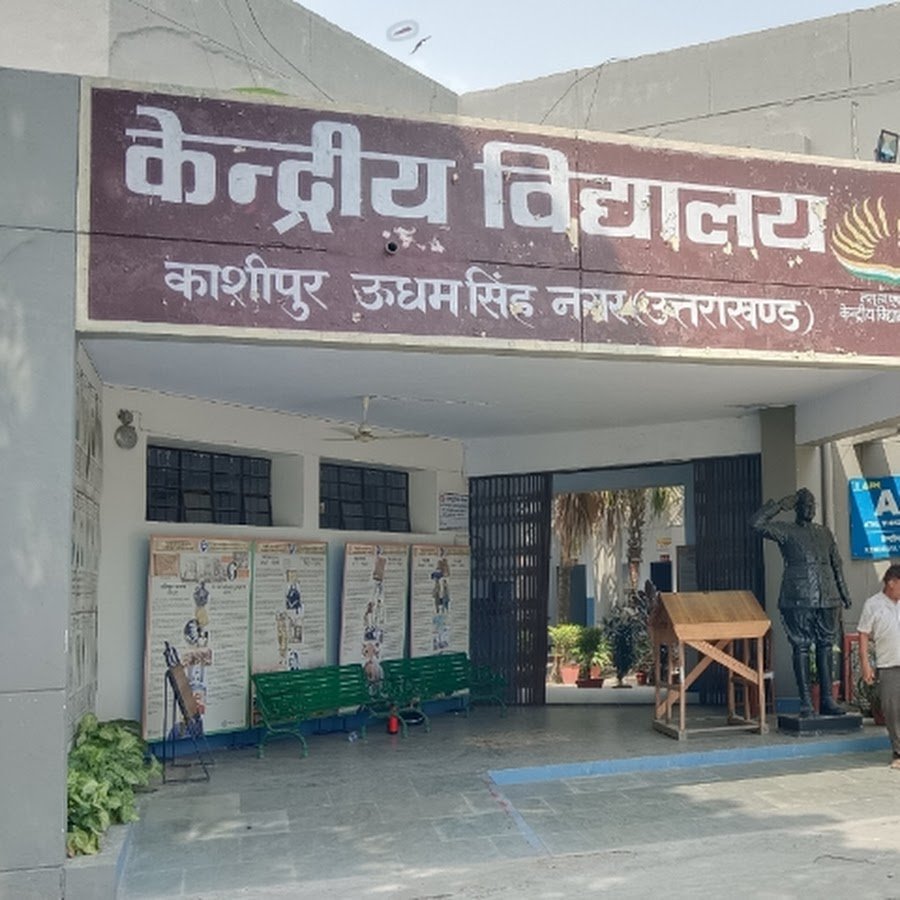
The admission process is primarily digital for Class 1, while admissions for Class 2 and above are generally conducted offline, subject to the availability of vacancies. It is crucial to note that official specifications for the exact start dates of the 2026-27 cycle are not fully confirmed, but the framework remains consistent with established KVS statutes. Understanding the underlying logic of the priority system and the lottery mechanism is the first step toward a successful application. [Link to: National Education Policy 2020 Impact on Schools]
Eligibility Criteria for Kendriya Vidyalaya Admission 2026-27
Eligibility is the most critical hurdle in the KVS admission process. The Sangathan maintains rigid standards regarding age and category. KVS has aligned its age criteria with NEP 2020 guidelines for fair and uniform admissions. For Class 1 admission, a child must have completed 6 years of age as of March 31 of the academic year in which admission is sought. This means for the 2026-27 session, the child must be at least 6 years old by March 31, 2026.
The maximum age for Class 1 is 8 years. A two-year relaxation is provided for children with disabilities (Divyangjan) in the upper age limit. For higher classes, the age limit increases progressively. For instance, for Class 2, the minimum age is 7 years and the maximum is 9 years. Parents should carefully verify the child’s birth certificate and ensure all details are correct before applying.

The Priority Category System: How Seats are Allocated
KVS follows a unique priority system to ensure that the children of transferable employees are not disadvantaged. This system is divided into five main categories for civil and defense sector KVs, and slightly different for KVs under Project/IHL (Institute of Higher Learning) sectors. Your admission category decides your priority level in KVS admissions, so selecting the correct category is very important.
- Category 1: Children of transferable and non-transferable central government employees and ex-servicemen. This also includes foreign national employees on deputation to central government offices.
- Category 2: Children of transferable and non-transferable employees of autonomous bodies, public sector undertakings (PSUs), or institutes of higher learning of the Government of India.
- Category 3: Children of transferable and non-transferable state government employees.
- Category 4: Children of transferable and non-transferable employees of autonomous bodies, PSUs, or institutes of higher learning of the state governments.
- Category 5: Children from any other category, including those of self-employed individuals, private-sector employees, and foreign nationals (subject to certain conditions).
In addition to these categories, there are specific reservations: 25 percent of seats are reserved for Right to Education (RTE) candidates, 15 percent for Scheduled Castes (SC), 7.5 percent for Scheduled Tribes (ST), and 27 percent for Other Backward Classes (OBC-NCL). [Link to: Right to Education Act Provisions]
Step-by-Step Guide to the Admission Process
The admission process for Class 1 is conducted through an online portal, while Class 2 to 10 follow an offline method based on vacancy. For Class 11, admission is based on Class 10 board results. Here is the general workflow for the 2026-27 session:
Step 1: Registration on the KVS Portal
Parents must register on the official KVS online admission portal. You will need a valid Indian mobile number and an email address. A unique login code will be generated, which is essential for all future interactions.
Step 2: Filling the Application Form
The form requires details about the child, the parents, and the choice of up to three different Kendriya Vidyalayas. You must carefully enter the service priority category and the number of transfers the parent has had in the last seven years.
Step 3: Document Uploading
For the online phase, you typically need to upload a digital photograph of the child and a scanned copy of the birth certificate. Ensure the file sizes meet the portal specifications to avoid technical errors.
Step 4: Submission and Application Printout
After verifying all details, submit the application. You will receive an Application Submission Code. Keep this safe. It is not a guarantee of admission but a confirmation that the data has reached the Sangathan.
Step 5: Declaration of Results (Lottery)
KVS conducts a lottery for different categories. The RTE lottery is usually conducted first, followed by the lottery for differently-abled candidates, and then the priority categories. Lists are displayed on the respective school websites and notice boards.
Essential Documentation for Verification
While the initial registration is digital, the physical verification of documents is mandatory once a seat is provisionally allotted. Experts suggest keeping at least three sets of photocopies along with the originals. As per the KVS admission policy guidelines, the following documents are typically required:
- Proof of Age: Birth certificate issued by the authority competent to register births. For children of defense personnel, the service record extract is acceptable.
- Proof of Residence: Electricity bill, Aadhaar card, ration card, or rent agreement.
- Service Certificate: For Categories 1 to 4, a certificate signed by the Head of Office showing the service details and the number of transfers in the last seven years.
- Category Certificate: SC/ST/OBC-NCL/EWS/BPL certificates issued by the competent authority in the name of the child or the parent.
- Disability Certificate: Issued by a civil surgeon or rehabilitation center for Divyangjan candidates.
- Single Girl Child Affidavit: For those applying under the Single Girl Child quota (applicable for Class 1 and above).
Common Mistakes to Avoid
Many applications are rejected every year due to avoidable errors. According to educational consultants, the most frequent mistake is claiming a higher priority category without sufficient documentary proof. If a parent works in a private firm but mistakenly selects Category 1, the application will be canceled during verification.
Another common issue is the distance from school. For RTE admissions, the residence must be within a specific radius (usually 5 km to 8 km depending on the city type). Providing a false address to meet this criterion can lead to disqualification. Furthermore, mismatching names between the birth certificate and the Aadhaar card can cause significant delays. Ensure all identity documents have consistent spelling and dates. [Link to: How to Correct Name Mismatch in Documents]
Pro Tips for a Successful Admission
To increase the chances of securing a seat in the Kendriya Vidyalaya admission 2026-27, consider these expert insights:
- Early Documentation: Start consolidating your service certificates and category certificates at least six months before the admission cycle begins.
- Multiple School Choices: Use the option to select three schools. Choose schools where you realistically meet the priority criteria or those that might have slightly less competition.
- Transfer Details: If you are a central government employee, ensure your transfer certificate accurately reflects every move. More transfers in the last seven years often lead to higher priority within the same category.
- Stay Updated: Regularly visit the official KVS Sangathan website. While third-party sites provide info, the official portal is the only source of truth for the final schedule and guidelines.
Frequently Asked Questions (FAQs)
1. What is the minimum age for Class 1 admission in 2026-27?
As per the NEP 2020 guidelines adopted by KVS, the child must be at least 6 years old as of March 31, 2026. Official specifications for any further changes are not fully confirmed.
2. Is there an entrance exam for Class 1 admission?
No, there is no entrance exam or interview for Class 1. Admissions are strictly based on the priority category system and a lottery mechanism.
3. Can I apply to multiple Kendriya Vidyalayas?
Yes, the online application form allows parents to choose up to three different KVs. You do not need to fill separate forms for these three choices.
4. What is the Single Girl Child (SGC) quota?
KVS has a special provision where two seats per section in Class 1 are reserved for single girl children. This quota continues for higher classes subject to specific conditions.
5. Are private employees eligible for KVS admission?
Yes, private employees and self-employed individuals can apply under Category 5. However, since they are at the bottom of the priority list, admission depends entirely on the availability of seats after the first four categories are filled.
Conclusion
Securing a seat in a Kendriya Vidyalaya for the 2026-27 session is a structured process that rewards transparency and preparation. By understanding the priority categories, ensuring age eligibility, and maintaining impeccable documentation, parents can navigate the admission cycle effectively. While the competition is high, the KVS system is designed to be fair and meritocratic based on the service conditions of the parents and the socio-economic mandates of the government. Stay vigilant, follow the official guidelines, and ensure your application is submitted accurately within the designated timelines.





Comments 0
Leave a Reply
Your email address will not be published. Required fields are marked *
Be the first to share your thoughts!