
💡 Lecce vs Atalanta: Analyzing the Tactical Evolution and Historical Context of this Serie A Matchup
An in-depth look at the tactical clash and historical significance of the Lecce vs Atalanta fixture, exploring how these two provincial clubs have shaped modern Serie A football.
Lecce vs Atalanta is a fixture that perfectly illustrates the diverse tactical landscape of Italian football, pitting the aggressive, high-pressing system of Bergamo’s 'La Dea' against the resilient, counter-attacking discipline of the Salentini. While Atalanta has transformed from a mid-table side into a European powerhouse under Gian Piero Gasperini, Lecce remains one of the most respected 'provinciali' (provincial clubs), known for their ability to neutralize elite offenses through structured defending and rapid transitions. This matchup is not just a game; it is a clash of two distinct footballing identities that represent the North and South of Italy.
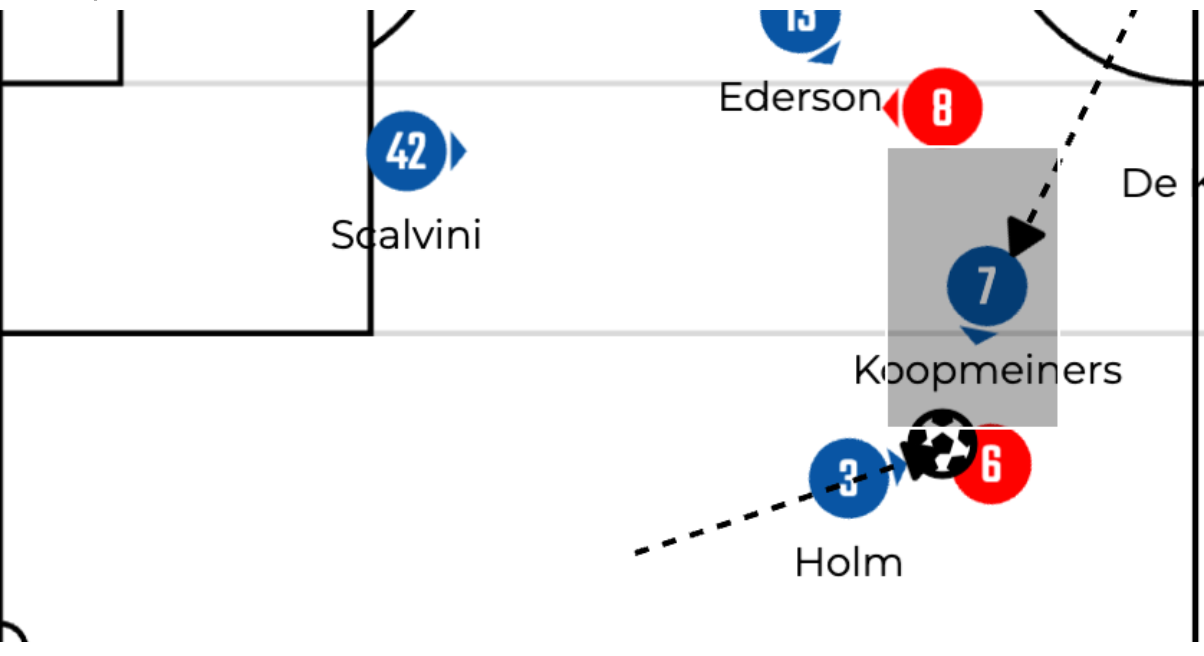
The Cultural and Sporting Significance of the Lecce-Atalanta Fixture
The matches between Lecce and Atalanta carry a weight that goes beyond the three points on the table. Culturally, this is a meeting of two very different Italies. Atalanta represents the industrious, wealthy North—specifically Bergamo—where the club is a source of immense local pride and has become a model for sustainable success. Lecce, hailing from the sun-drenched Salento region in the South (the 'heel' of the boot), represents a passionate fan base that views football as a vital expression of regional identity.
In sporting terms, both clubs are celebrated for their youth academies and their ability to scout undervalued talent. For an Indian football fan watching Serie A, this fixture is the perfect example of how 'smaller' clubs can disrupt the traditional power hierarchy of teams like Juventus or AC Milan through smart management and clear tactical visions.
Contrasting Philosophies: The Rise of the 'Provinciali' in Italian Football
For decades, Serie A was dominated by the 'Seven Sisters' (the big seven clubs). However, the rise of Atalanta over the last decade has rewritten the script. Atalanta’s philosophy is built on bravery. They play a high-risk, high-reward style that involves man-marking across the entire pitch. This 'provincial' club has proven that you don’t need a billion-euro budget to compete in the Champions League.
Lecce, on the other hand, embodies the 'provinciali' spirit of survival and grit. Their philosophy is often built on solidity. They focus on being compact and making the Stadio Via del Mare a fortress where even the best teams struggle to find space. While Atalanta seeks to overwhelm, Lecce seeks to frustrate and exploit.
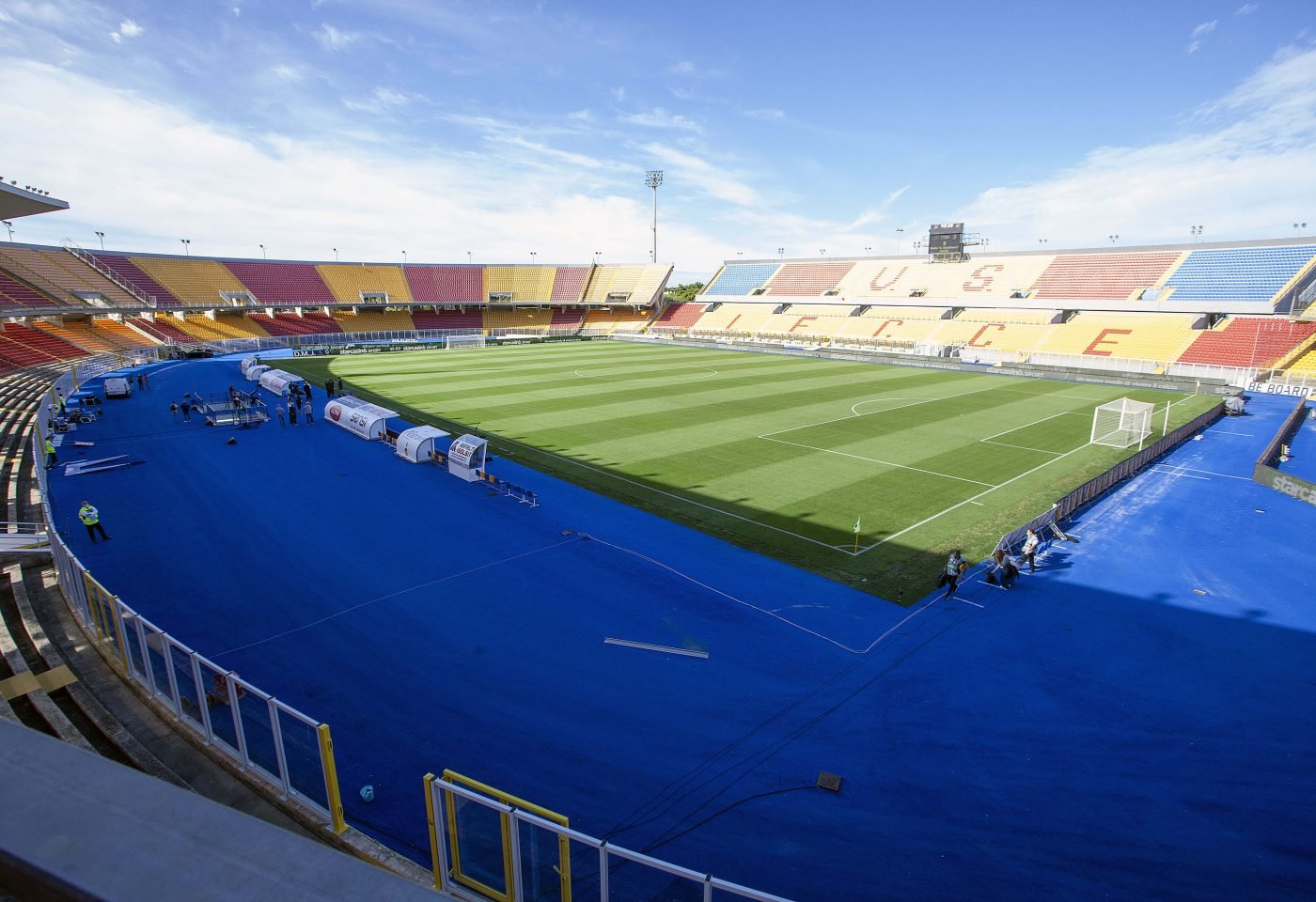
Tactical Blueprint: How Atalanta’s High-Press Meets Lecce’s Counter-Attacking Discipline
When these two teams meet, the tactical battle is fascinating. Atalanta typically employs a 3-4-2-1 or 3-4-1-2 formation. Their wing-backs are essentially additional attackers, pushing high up the pitch to create overloads. The key to their success is 'Gasperini-ball'—a system where defenders are encouraged to join the attack, and every player is expected to win their individual 1v1 duel.
Lecce usually counters this with a disciplined 4-3-3 or 4-2-3-1. Their tactical blueprint involves:
- Low Block: Staying deep to deny Atalanta’s strikers space behind the defense.
- Triangulation on the Wings: Using the full-backs and wingers to double-team Atalanta’s dangerous wing-backs.
- Verticality: Once the ball is won, Lecce looks to move it forward as quickly as possible, often targeting the spaces left vacant by Atalanta’s marauding defenders.
Historical Head-to-Head: Memorable Encounters and Statistical Trends
Historically, Atalanta has held the upper hand in terms of total victories, especially during their recent golden era. However, Lecce has a reputation for being a 'giant killer.' One of the most common statistical trends in this fixture is the high number of goals. Because Atalanta commits so many players forward, games often end in high-scoring affairs (like the 7-2 or 5-2 results seen in previous seasons).
Yet, Lecce has managed several 1-0 or 2-1 upsets at home, proving that their defensive discipline can occasionally break the rhythm of the Bergamo machine. Statistics show that when Lecce scores first, Atalanta’s win probability drops significantly, as they find it harder to break down a team that is purely focused on defending a lead.

Key Battlegrounds: Individual Matchups That Define the Outcome
The outcome of Lecce vs Atalanta is often decided in three specific areas:
- The Wing-Back vs Full-Back Duel: If Atalanta’s wing-backs (like Zappacosta or Ruggeri) are allowed to cross freely, Lecce will struggle. Lecce’s full-backs must be elite in 1v1 defending.
- The Midfield Pivot: Atalanta’s midfielders are the engines of the press. Lecce’s central midfielders must be press-resistant, meaning they can keep the ball even when under intense physical pressure.
- Lecce’s Striker vs Atalanta’s Center-Backs: Since Atalanta plays man-to-man, Lecce’s lone striker often finds himself in a physical battle. If the striker can hold the ball up and bring others into play, Lecce can transition into attack.
The Impact of Home Advantage: From the Salento Heat to the Bergamo Fortress
Geography plays a massive role in this matchup. Traveling from the cool, mountainous region of Lombardy to the humid, southern heat of Lecce is a challenge for any team. The Stadio Via del Mare is known for its wide pitch and swirling winds, which can affect the flight of the ball and the stamina of players used to northern climates.
Conversely, when Lecce travels to Bergamo, they face the 'Gewiss Stadium' atmosphere. The fans are inches away from the pitch, creating a pressure cooker environment that fuels Atalanta’s high-intensity pressing game.
Frequently Asked Questions About Lecce vs Atalanta
1. Why is Atalanta called 'La Dea'?
The club is named after the Greek mythological huntress Atalanta. 'La Dea' translates to 'The Goddess.'
2. Is Lecce a big club in Italy?
While not a 'giant' like Inter or Juve, Lecce is one of the most significant clubs in Southern Italy, often dubbed the 'Queen of the South' during their periods in Serie A.
3. What is the typical scoreline for this game?
Historically, this fixture produces goals. Over the last five years, matches between these two have averaged over 3 goals per game.
4. How does the weather affect this game?
In Lecce, the high humidity and heat can slow down Atalanta’s high-pressing game, favoring Lecce’s more static, defensive approach.
The Future Outlook: Why This Matchup Remains a Serie A Staple
As long as Atalanta continues to innovate tactically and Lecce continues to produce resilient squads that represent the spirit of the South, this matchup will remain a highlight of the Serie A calendar. It serves as a reminder that football is not just about the superstars at the top; it’s about the clash of systems, the weight of history, and the pride of provincial cities that refuse to be overlooked. Whether it’s a tactical masterclass or a high-scoring thriller, Lecce vs Atalanta never fails to deliver a unique sporting spectacle.
Conclusion
Lecce vs Atalanta is more than a standard league game; it is a tactical laboratory where contrasting footballing ideologies collide. Atalanta’s offensive bravery and Lecce’s defensive resilience create a dynamic that is essential for any fan wanting to understand the modern evolution of Italian football. While the 'Goddess' often enters as the favorite, the 'Salentini' have proven time and again that tactical discipline and home-field passion can level the playing field.




Comments 0
Leave a Reply
Your email address will not be published. Required fields are marked *
Be the first to share your thoughts!