
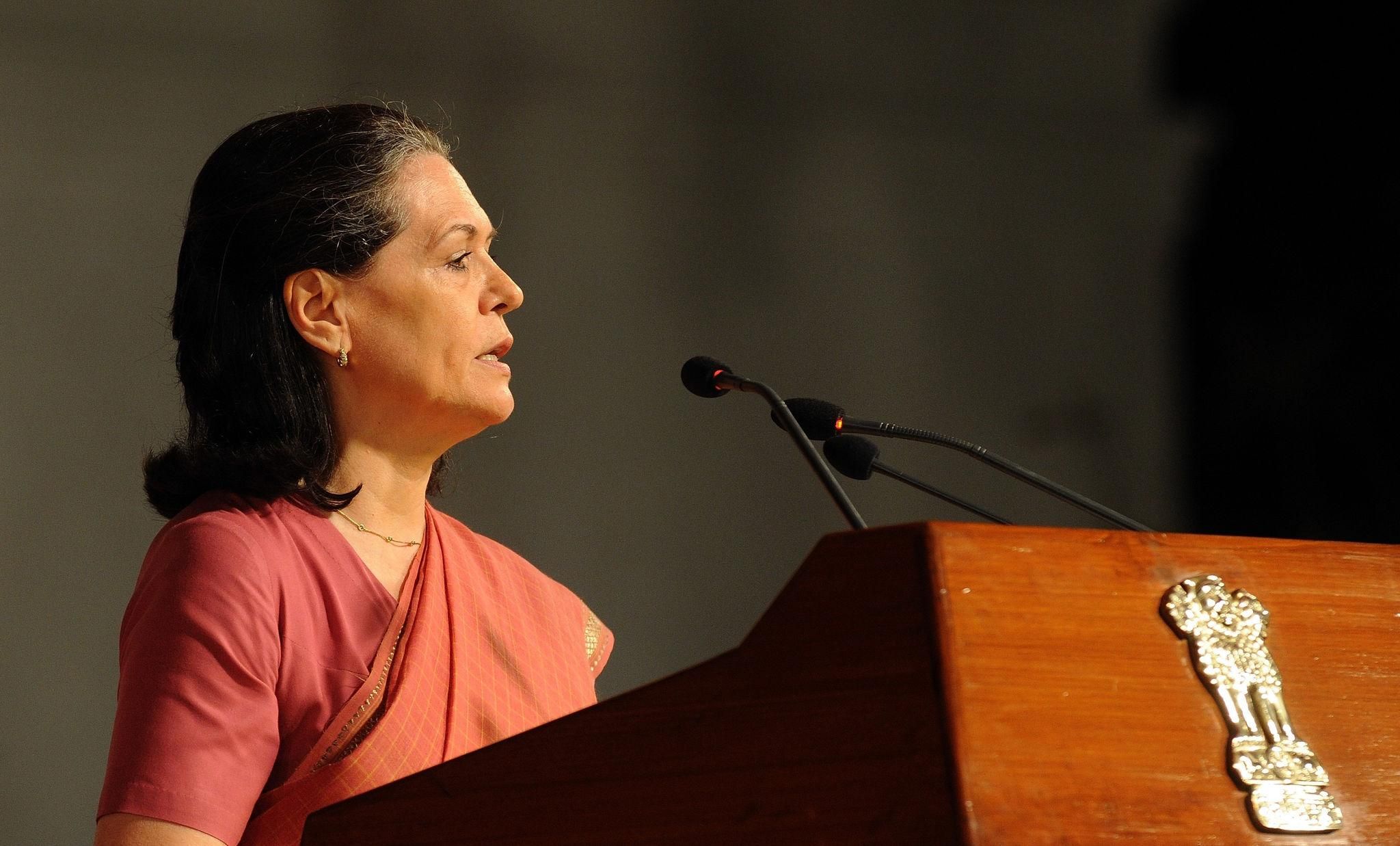
💡 Who is Sonia gandhi?
Explore the comprehensive journey of Sonia Gandhi, her leadership of the Indian National Congress, and her significant contributions to India's social and political landscape.
The Legacy and Leadership of Sonia Gandhi: Understanding Her Impact on Indian Politics
Sonia Gandhi stands as one of the most influential and resilient figures in the history of modern Indian democracy. As the longest-serving president of the Indian National Congress, her journey from a private citizen to a pivotal political matriarch is a story of personal transformation and political grit. Her influence has shaped the course of the nation for over two decades, particularly during the tenure of the United Progressive Alliance (UPA) governments. Understanding her role requires a deep dive into her background, her leadership style, and the legislative milestones achieved under her guidance.
Who is Sonia Gandhi?
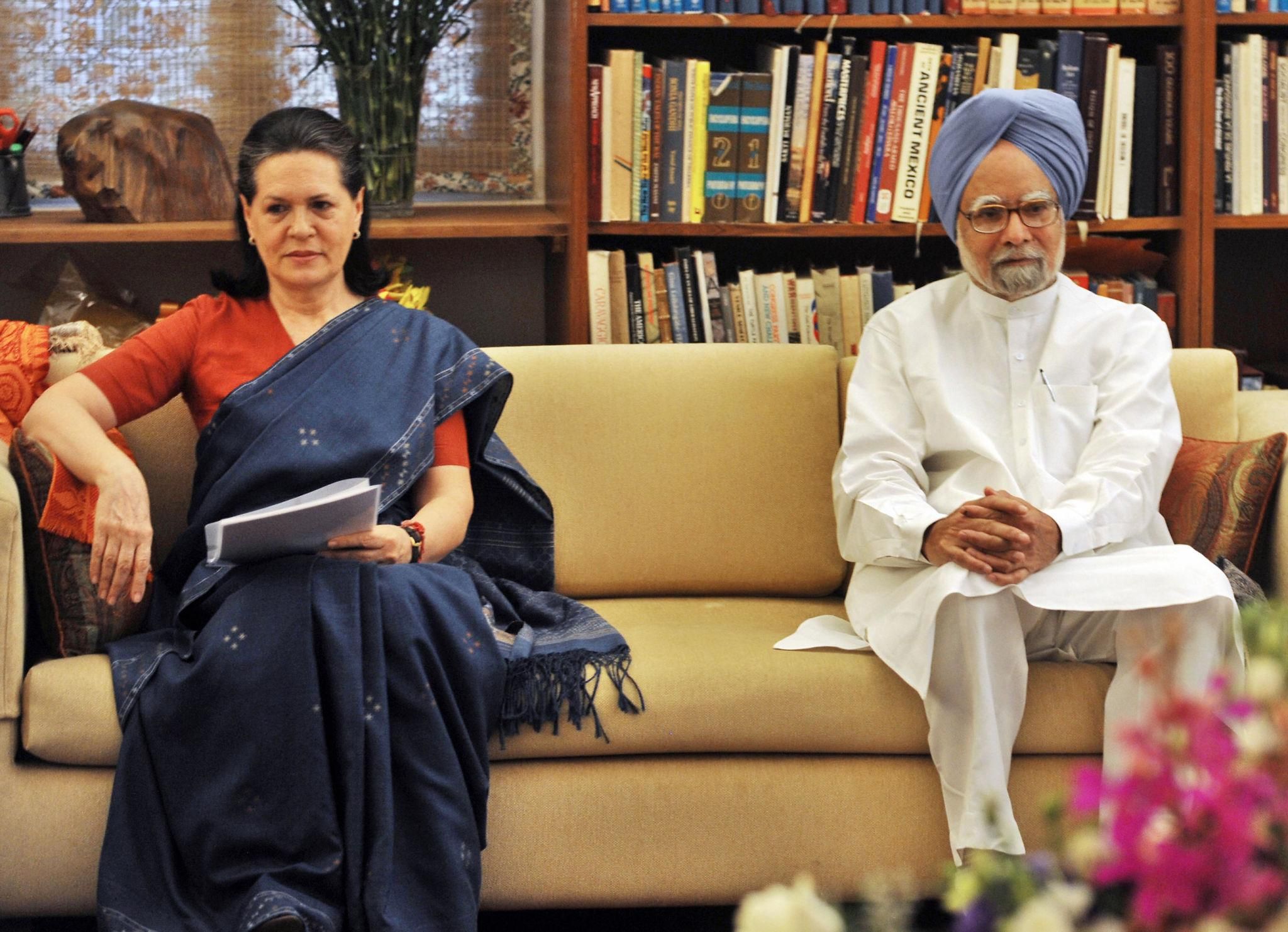
Born Sonia Maino in Lusiana, Italy, she moved to the United Kingdom for her education, where she met Rajiv Gandhi, the son of then Prime Minister Indira Gandhi. After marrying Rajiv Gandhi in 1968, Sonia Gandhi relocated to India, embracing the Nehru-Gandhi family legacy. She remained largely out of politics for over two decades, focusing on raising her children and supporting her husband’s political career, before entering the political arena in 1997 and supporting her husband in his aviation career and later his political life. However, the tragic assassination of Rajiv Gandhi in 1991 marked a turning point. Despite initial reluctance to enter the political arena, she eventually took the mantle of leadership to revive a struggling Congress party in the late 1990s.
According to historical records of the Indian National Congress, her formal entry into politics in 1997 was seen as a unifying force for a party that was facing internal fragmentation. By 1998, she was elected as the party president, a position she held with brief interruptions until 2022. Her leadership was characterized by a focus on secularism, social welfare, and the consolidation of various regional political entities into a cohesive national coalition.
How did Sonia Gandhi shape the UPA era?
The establishment of the United Progressive Alliance (UPA) in 2004 is perhaps the most significant achievement of Sonia Gandhi's political career. When the Congress-led coalition won the general elections, she declined the post of Prime Minister, citing a desire to respect the democratic process and to focus on party strategy, and instead nominated Dr. Manmohan Singh, who led the UPA government from 2004 to 2014 for the role. This move was widely viewed by experts as a masterstroke of political sacrifice and strategic foresight.
As the Chairperson of the National Advisory Council (NAC), she acted as a bridge between civil society and the government. This role allowed her to champion several landmark legislations that transformed the Indian social fabric. Experts suggest that her focus was consistently on "inclusive growth," ensuring that the benefits of economic liberalization reached the most marginalized sections of society.
Key Legislative Contributions
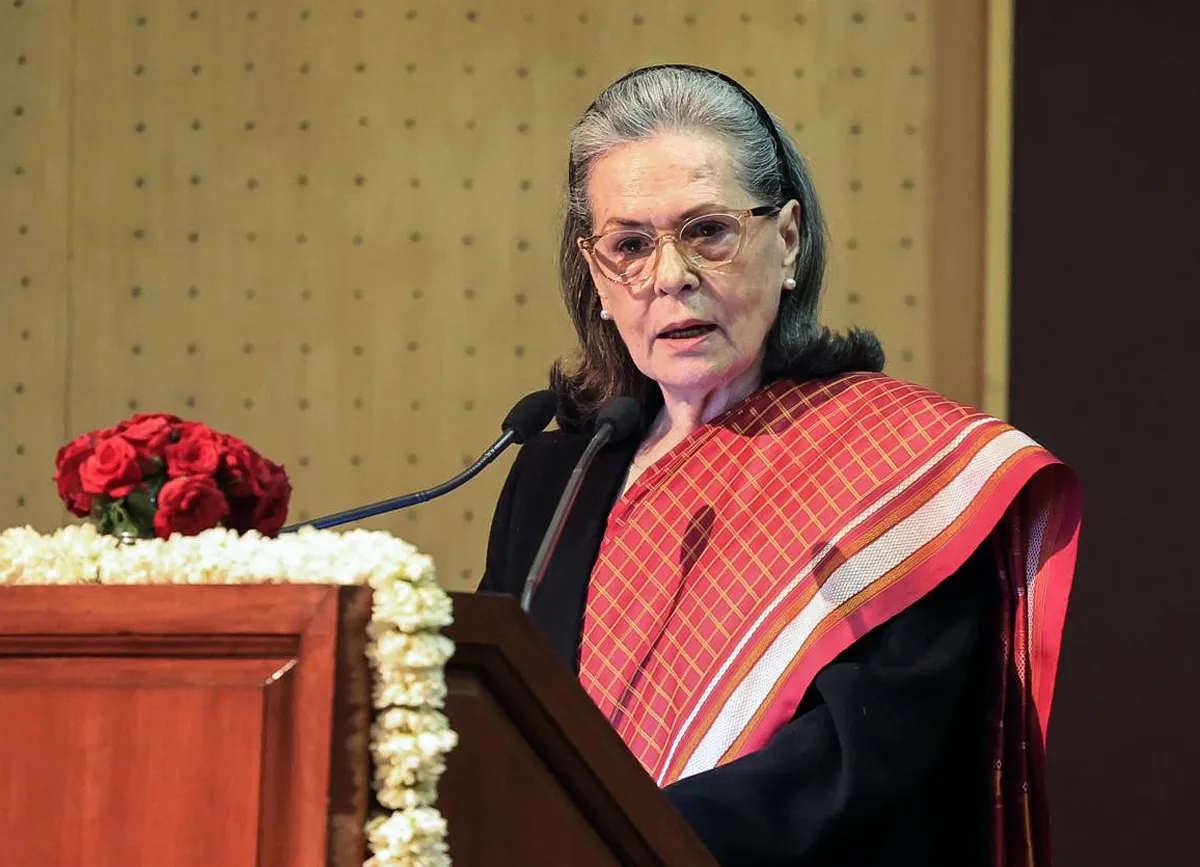
Under her guidance, the UPA government introduced several rights-based legislations that remain cornerstones of Indian governance:
- RTI Act, 2005: Since its enactment, over 2 million RTI requests are filed annually, increasing government transparency and accountability.
- MGNREGA, 2005: MGNREGA has provided over 2.5 billion person-days of employment to rural households since 2006, ensuring financial support for marginalized communities.
- RTE Act, 2009: The Right to Education Act guarantees free schooling for over 10 crore children aged 6–14 years across India.
- National Food Security Act, 2013: This act provides subsidized food grains to nearly 800 million Indians, covering around two-thirds of the population.
Who are the pillars of her support system?
In the high-pressure world of Indian politics, the family has always been a central pillar for Sonia Gandhi. Her children, Rahul Gandhi (MP and former Congress president) and Priyanka Gandhi Vadra (general secretary in-charge of Uttar Pradesh East), have supported her politically and personally, actively contributing to party strategy and electoral campaigns. Rahul Gandhi's transition into a primary leadership role and Priyanka Gandhi's organizational work in various states reflect the continuation of the family's political legacy.
As per recent industry reports on political dynamics, the presence of her children during her health challenges or major political transitions highlights the close-knit nature of their leadership structure. Their collective presence at public events and during personal trials reinforces the image of a unified front, which is crucial for party morale. This support system has been vital during times when she faced health issues, requiring her to step back from active campaigning while ensuring the party's continuity.
What are the challenges faced by Sonia Gandhi?
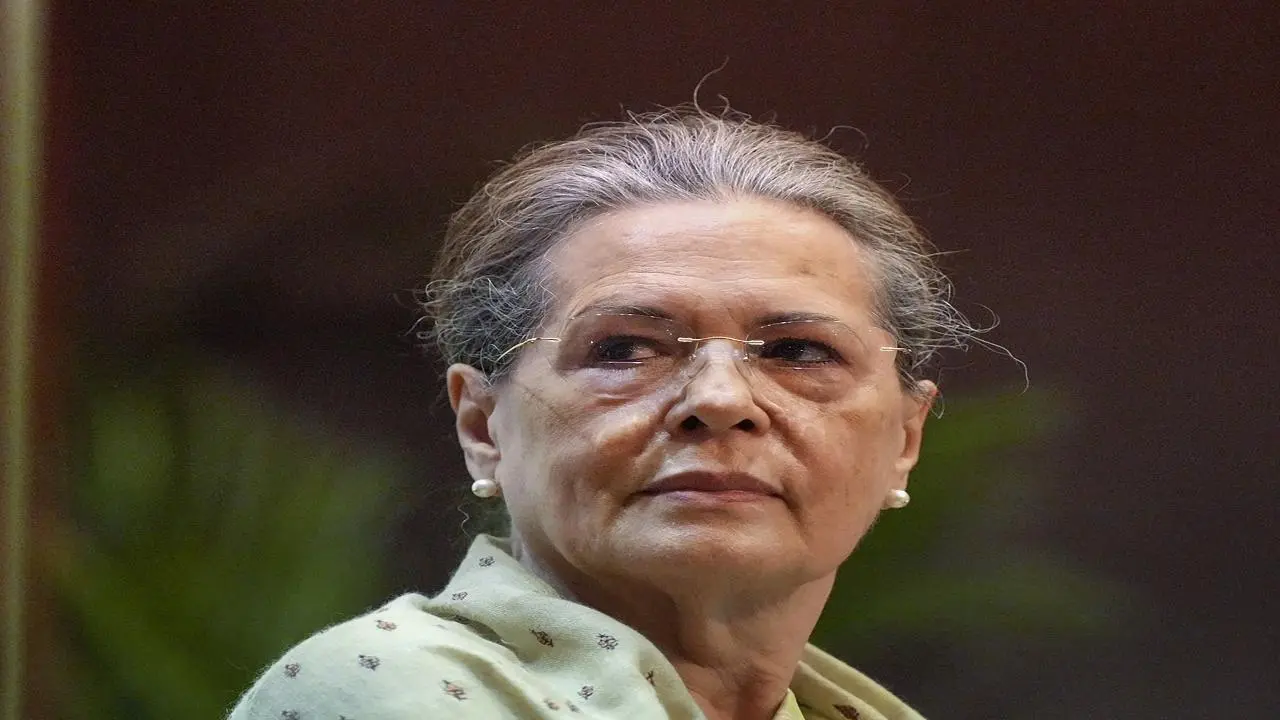
Her journey has not been without significant hurdles. Her Italian origin was frequently criticized by political opponents, who questioned her eligibility for top posts. She countered this by learning Hindi, engaging in grassroots campaigns, and demonstrating deep knowledge of Indian socio-political issues used by political opponents. However, she countered this by deeply immersing herself in Indian culture and speaking the local languages, eventually winning over a large section of the electorate.
Internal party challenges, including the rise of regional leaders and the need for organizational reforms, have also been persistent. Critics often pointed to the centralized decision-making process within the Congress during her tenure. Furthermore, the electoral losses in 2014 and 2019 posed existential questions for the party she led. Despite these setbacks, her role as a consensus-builder within the broader opposition remains a key factor in Indian geopolitics.
Expert Insights: The Resilience of a Leader
According to global analysts, Sonia Gandhi's greatest strength lies in her ability to maintain party discipline and manage complex coalitions. Unlike many contemporary leaders, she preferred a behind-the-scenes approach, influencing policy through the NAC and party strategy sessions rather than public speeches, allowing Dr. Manmohan Singh to handle governance while she shaped social policy and coalition management. Experts suggest that her ability to step back and allow others to take the spotlight, while maintaining ultimate strategic control, is a rare trait in modern politics.
Her focus on the "Aam Aadmi" (Common Man) helped the Congress party reclaim its identity as a pro-poor organization during the mid-2000s. While her active role has diminished in recent years due to age and health considerations, her guidance continues to be sought during major political crises and alliance negotiations.

Common Misconceptions about Sonia Gandhi
1. The Reluctant Politician: While she was initially hesitant to enter politics, she proved to be a shrewd and determined strategist once she took charge. Her "reluctance" was not a lack of capability but a preference for a private life that she sacrificed for her party's survival.
2. Role in Governance: Contrary to popular belief, Sonia Gandhi did not handle day-to-day governance; she guided social policy through the NAC while leaving economic and foreign policy to the Prime Minister’s office. In reality, she focused on social policy through the NAC, while leaving economic and foreign policy largely to Dr. Manmohan Singh and his cabinet, creating a dual-power structure that was unique at the time.
Pro Tips for Understanding Indian Political History
- Study Coalition Politics: Examine Congress-led coalition governments between 1996–2014 to understand her influence.
- Analyze Legislative Impact: Compare pre-2004 and post-2004 legislation, focusing on MGNREGA, RTI, RTE, and Food Security.
- Follow Party Transitions: Track leadership handovers within the Gandhi family and the CWC to see decision-making dynamics.
Frequently Asked Questions
Who is Sonia Gandhi?
Sonia Gandhi is an Indian politician who served as the President of the Indian National Congress for over 20 years. She is the widow of former Prime Minister Rajiv Gandhi and has been a central figure in the United Progressive Alliance (UPA).
What is Sonia Gandhi's role in the Congress party today?
While she has stepped down from the official presidency, she remains a senior leader, a member of the Congress Working Committee (CWC), and a guiding figure for the party's top leadership, including Rahul and Priyanka Gandhi.
What are her most significant political achievements?
Her most significant achievements include leading the Congress to two consecutive terms in power (2004 and 2009), forming the UPA coalition, and championing social welfare laws like MGNREGA and the RTI Act.
How has her health impacted her political career?
In recent years, health concerns have limited her public appearances and active campaigning. This has led to a gradual transition of leadership responsibilities to the younger generation within the party, though she remains an important consultative figure.
Why did she decline the Prime Minister's post in 2004?
Sonia Gandhi stated that she followed her "inner voice" in declining the post. Analysts believe it was a strategic move to silence critics of her foreign origin and to project a message of selfless service to the nation.
Conclusion
Sonia Gandhi's impact on Indian politics is profound, marked by her transition from a private individual to a powerful leader who redefined social welfare in the country. Her leadership during the UPA years introduced transformative laws that empowered millions of citizens through transparency and guaranteed employment. Despite the challenges of health and political opposition, her legacy as a unifying force and strategic visionary remains central to modern Indian politics, especially in promoting social welfare, coalition governance, and the empowerment of marginalized communities.
Related Media
Quick View: The Legacy and Leadership of Sonia Gandhi: Understanding Her Impact on Indian Politics





Comments 0
Leave a Reply
Your email address will not be published. Required fields are marked *
Be the first to share your thoughts!