
💡 What is William shatner?
Explore the comprehensive history, career milestones, and cultural impact of William Shatner, from his legendary role as Captain James T. Kirk to his real-life journey into space.
William Shatner is a name that resonates across generations, transcending the boundaries of television, film, and literature. For over seven decades, he has remained a fixture in the entertainment industry, evolving from a classically trained Shakespearean actor into a global pop culture phenomenon. Known for his unique delivery, undeniable charisma, and relentless work ethic, Shatner has defined what it means to be a modern icon. While many recognize him as the face of the starship Enterprise, his journey extends far beyond the final frontier, encompassing award winning dramatic roles, best-selling books, and even a historic journey into actual space.
Understanding the impact of William Shatner requires a look at how he has managed to stay relevant in an ever changing media landscape. According to entertainment historians, Shatner possesses a rare ability to embrace his public persona while simultaneously reinventing himself for new audiences. This adaptability has allowed him to transition from 1960s action hero to 1980s police officer and eventually to a comedic powerhouse in the 2000s. His influence is not just limited to his performances but also includes his contributions to science fiction literature and his advocacy for space exploration.
Who is William Shatner?
Born in Montreal, Quebec, Canada, William Shatner began his career in the world of Canadian theater. He was a member of the prestigious Stratford Shakespeare Festival, where he honed his skills under the guidance of legendary directors. This classical training is often cited by critics as the foundation for his distinct acting style. Experts suggest that his rhythmic, sometimes staccato delivery, which has been parodied by many, is actually a result of his deep understanding of theatrical cadence and dramatic timing.
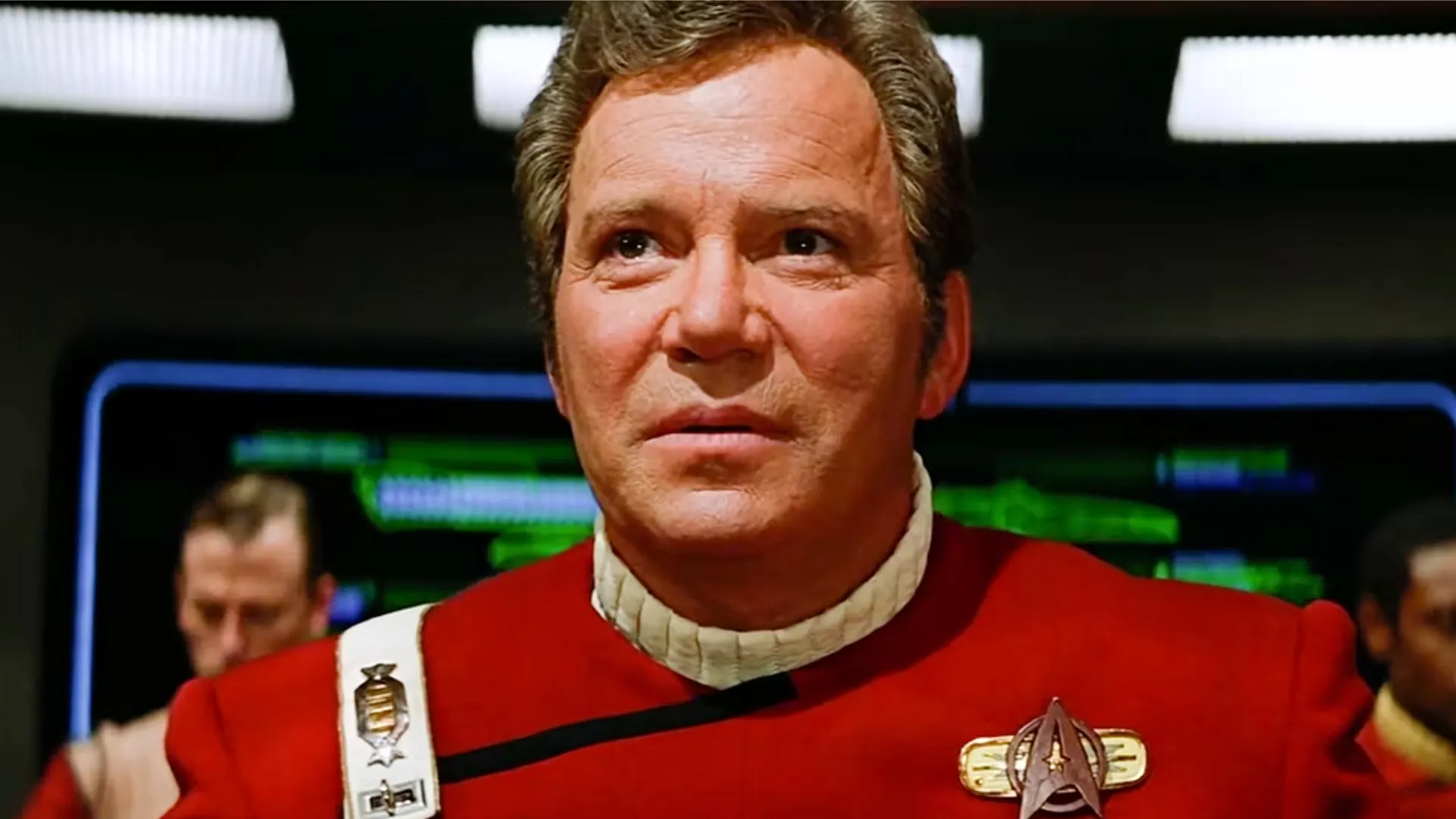
Before achieving international fame, Shatner appeared in numerous live television dramas and Broadway productions. His early work showcased a serious, intense actor capable of handling complex roles. However, it was his casting in a struggling science fiction series in 1966 that would change the trajectory of his life and the history of television forever. As Captain James T. Kirk, Shatner brought a blend of authority, vulnerability, and charm that made the character an instant classic.

Why is the role of Captain James T. Kirk so significant?
The character of Captain James T. Kirk served as the moral and leadership center of the original Star Trek series. At a time when science fiction was often dismissed as juvenile, Shatner and his co-stars presented a vision of the future that was intellectual, inclusive, and hopeful. Kirk was not just a soldier: he was an explorer and a diplomat. As per recent industry reports, the enduring popularity of the Star Trek franchise owes a significant debt to Shatner’s portrayal of a leader who balanced logic with intuition.
The chemistry between the cast members was a vital component of the show's success. While professional tensions have been documented over the years, the undeniable charisma Shatner brought to the screen often sparked deep admiration from his peers. It is a testament to his screen presence that fellow actors have often spoken about the magnetic quality he possessed on set. This charisma helped ground the high-concept science fiction elements of the show in human emotion, making the adventures of the Enterprise feel personal to millions of viewers worldwide.
How did William Shatner reinvent himself after Star Trek?
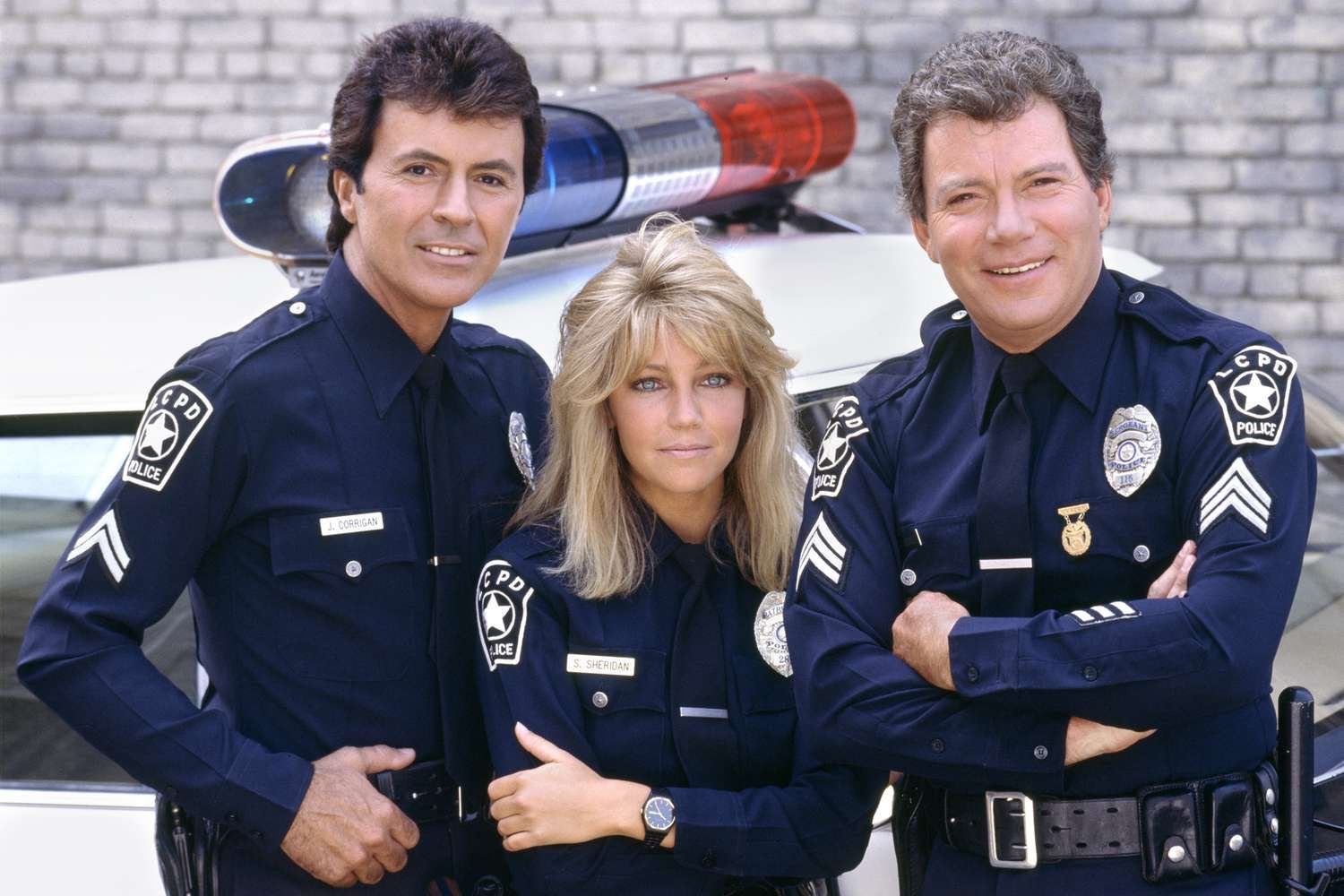
When the original Star Trek series was canceled after only three seasons, Shatner faced a period of professional uncertainty. However, rather than fading into obscurity, he demonstrated remarkable resilience. In the 1980s, he returned to the spotlight as the lead in the police procedural T.J. Hooker. In this role, he portrayed a veteran sergeant, showcasing a more grounded and gritty side of his acting repertoire. This period also saw the revival of Star Trek through a series of successful feature films, which solidified his status as a cinematic leading man.
Perhaps his most surprising reinvention occurred in the late 1990s and early 2000s. Shatner began to lean into his public image with a sense of self-aware humor. He took on roles that poked fun at his own persona, most notably in the legal drama The Practice and its spin-off Boston Legal. His portrayal of the eccentric attorney Denny Crane earned him multiple Emmy Awards and introduced him to a whole new generation of fans. Global analysts believe that this move toward self-parody was a masterclass in personal branding, allowing him to remain a household name in the 21st century.

What is the impact of William Shatner on modern pop culture?
The influence of William Shatner extends into various facets of popular culture, including music and literature. His spoken-word albums, such as The Transformed Man, have become cult classics, praised for their unique artistic expression. In the literary world, Shatner has authored numerous books, including the TekWar series, which was later adapted into a television show. His memoirs provide a candid look at his life in Hollywood, offering insights into the highs and lows of a long career.
Beyond his artistic endeavors, Shatner has been a vocal advocate for the environment and space exploration. His long association with the character of Captain Kirk naturally led to a relationship with NASA and the broader scientific community. He has narrated numerous documentaries about the cosmos, helping to bridge the gap between science fiction and scientific reality. His ability to use his platform for educational purposes has made him a respected figure among scientists and space enthusiasts alike.
How did William Shatner become the oldest person to travel to space?
In a moment that felt like life imitating art, William Shatner traveled to the edge of space in October 2021. At the age of 90, he joined a crew on the Blue Origin New Shepard flight, making him the oldest person to ever experience space travel. This event was watched by millions and served as a powerful symbol of human curiosity and the breaking of age-related barriers. Experts suggest that this flight was the culmination of a lifelong connection to the stars that began on a television set in the 1960s.
Upon his return, Shatner spoke eloquently about the overview effect: the profound shift in perspective that astronauts feel when seeing the Earth from above. He described the experience as a mixture of grief for the planet's fragility and awe for the vastness of the universe. This moment further cemented his legacy as someone who not only dreamed of the stars but actually reached them, inspiring people of all ages to pursue their passions regardless of their time of life.

Pro Tips for Exploring the Shatner Filmography
For those looking to dive deeper into the work of William Shatner, experts suggest a diversified approach. To truly appreciate his range, one should not limit themselves to just one era of his career. Here are some recommendations for a comprehensive viewing and listening experience:
- The Classical Roots: Seek out early television appearances in anthology series like The Twilight Zone (specifically the episode Nightmare at 20,000 Feet) to see his mastery of suspense and psychological drama.
- The Captain Kirk Era: Watch the original Star Trek episodes such as The City on the Edge of Forever to see his dramatic depth, and Star Trek II: The Wrath of Khan for his cinematic presence.
- The Comedic Turn: Episodes of Boston Legal showcase his impeccable comedic timing and his chemistry with co-star James Spader.
- The Musical Journey: Listen to the album Has Been, produced by Ben Folds, which offers a surprisingly poignant and personal look at his life through spoken word and music.
Common Misconceptions About William Shatner
One common mistake people make is assuming that Shatner’s acting style is accidental or merely a series of quirks. In reality, his approach is highly intentional and rooted in his theatrical background. Another misconception is that he is solely defined by Star Trek. While it is his most famous role, his work in legal dramas, voice acting, and writing has earned him critical acclaim in its own right. Furthermore, some believe that his public persona is entirely serious: his career in the last two decades proves that he has a profound sense of humor and a willingness to laugh at himself.

Frequently Asked Questions
Who is William Shatner in the context of Canadian history?
William Shatner is one of Canada's most successful cultural exports. He was born in Montreal and received his education at McGill University. He has been honored with the Order of Canada for his contributions to the performing arts and his philanthropic work, making him a national treasure in his home country.
How many Emmy Awards has William Shatner won?
William Shatner has won two Primetime Emmy Awards. Both were for his portrayal of the character Denny Crane: the first for a guest appearance on The Practice and the second as a lead actor in the spin-off series Boston Legal. He has also received a Golden Globe for the same role.
What are some of the most famous books written by William Shatner?
Aside from his science fiction series TekWar, Shatner has written several memoirs, including Up Till Now and Boldly Go. He has also co-authored several novels set in the Star Trek universe, often referred to as the Shatnerverse, which explore alternative timelines for the character of Captain Kirk.
Why is William Shatner's acting style called Shatneresque?
The term Shatneresque refers to his unique use of pauses and emphasis within sentences. While often parodied, this style was originally developed to ensure clarity and dramatic impact on stage. It has become a recognizable trademark that distinguishes his performances from those of his contemporaries.
Conclusion
William Shatner remains a towering figure in the entertainment world, a man whose career has spanned the evolution of modern media. From the stages of Stratford to the heights of suborbital space, he has consistently pushed the boundaries of what an actor can achieve. His legacy is defined not just by the iconic characters he has played, but by his enduring curiosity, his resilience in the face of change, and his ability to connect with audiences across the globe. As he continues to explore new projects and share his insights, William Shatner proves that the final frontier is not a destination, but a lifelong journey of discovery.
Related Media
Image Gallery








Comments 0
Leave a Reply
Your email address will not be published. Required fields are marked *
Be the first to share your thoughts!