Understanding the Phenomenon of Legends League Cricket
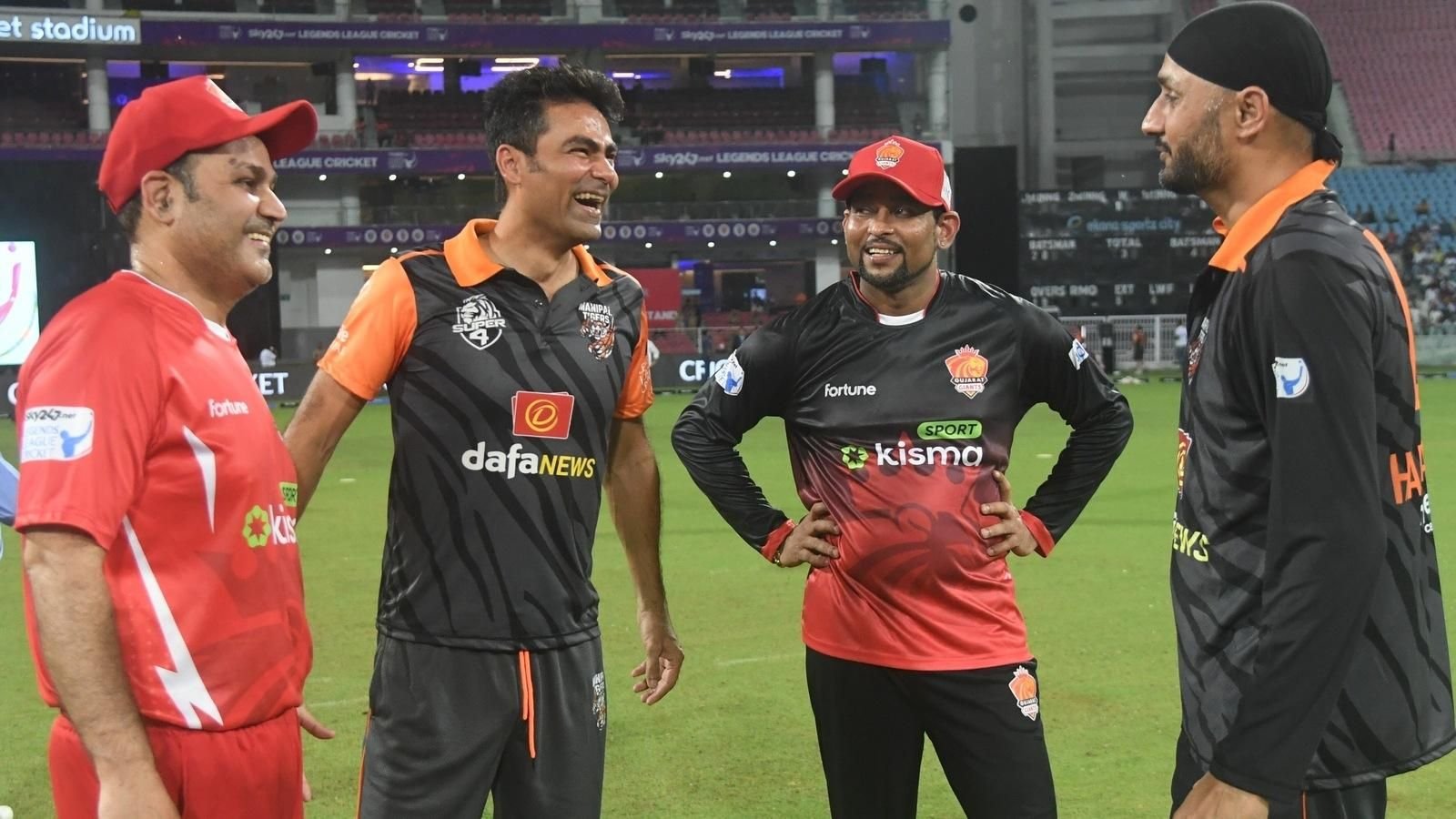
Legends League Cricket (LLC) has emerged as a significant vertical within the global T20 ecosystem, specifically designed to provide a professional platform for retired international cricketers. Unlike traditional exhibition matches or one off charity games, LLC is structured as a competitive tournament that bridges the gap between active professional careers and permanent retirement. In India, where cricket nostalgia holds immense market value, this league has carved a niche by allowing fans to witness their sporting idols in a high stakes environment once again.
According to sports industry analysts, the league operates on a model that prioritizes both competitive integrity and commercial viability. It targets a demographic of viewers who grew up watching icons of the late 1990s and 2000s, leveraging the emotional connection between the players and the audience. The league is divided into different formats, including a franchise based model and an international masters format, ensuring a diverse range of participation from across the globe.

The Structural Framework of the League
The operational blueprint of Legends League Cricket is distinct from other veteran leagues. It follows a rigorous scheduling and scouting process to ensure that the players involved maintain a level of fitness required for professional T20 cricket. The league is managed by official organizers who handle scheduling, player drafts, and match logistics.
There are two primary versions of the competition. The first is the LLC Masters, which typically features teams representing different regions or continents, such as India Maharajas, Asia Lions, and World Giants. The second, and more prominent in the Indian context, is the franchise based LLC. This model mirrors the structure of the, where private owners invest in teams that represent specific cities or regions within India. This franchise model has been instrumental in professionalizing the league, as it introduces corporate accountability and professional coaching staff into the mix.
This structure works because it gives retired players a chance to compete in a professional environment again. By providing a platform that respects their legacy while demanding competitive performance, the league has established itself as a legitimate fixture in the annual cricket calendar.
Core Concepts: Player Eligibility and Selection
One of the most critical aspects of Legends League Cricket is the eligibility criteria for players. To maintain the 'legend' status, the league primarily focuses on cricketers who have officially retired from international cricket and the Indian Premier League. This ensures that the competition does not conflict with active international schedules or domestic contracts governed by the BCCI or other national boards.
The selection process usually involves a draft or an auction system. Franchises are given a fixed purse to build their squads, requiring them to balance their teams with a mix of specialist batsmen, bowlers, and all rounders. Official specifications for squad composition often mandate a minimum number of international players and a specific quota for Indian legends. While the exact financial caps can vary between seasons, the focus remains on creating balanced teams that can sustain a high level of play throughout the tournament.
Players like Gautam Gambhir, Irfan Pathan, Harbhajan Singh, Chris Gayle, and Shane Watson have increased the popularity and credibility of the league These players bring a level of professionalism that forces other participants to maintain peak condition, thereby elevating the overall standard of the league.
Real Life Examples of Franchise Success
The franchise model in India has seen the rise of several prominent teams that have built their own fan bases. For instance, the India Capitals and Manipal Tigers have demonstrated how strategic player recruitment can lead to championship success. These teams do not just rely on the names of their players; they employ data driven strategies and modern T20 tactics to win matches.
Another example is the Urbanrisers Hyderabad and the Southern Super Stars, who have focused on building a cohesive team culture. These franchises often conduct pre season camps, similar to active professional teams, to ensure that their players are synchronized. This level of preparation is what distinguishes LLC from a standard 'old boys' match. The use of modern technology, including ball tracking and real time analytics, further enhances the professional experience for both the players and the viewers.

Benefits of Legends League Cricket for the Ecosystem
The league provides several advantages to the broader cricket ecosystem in India and abroad:
- Extended Career Longevity: It provides a financial and professional lifeline for players who have moved past their prime but still have much to offer the sport.
- Nostalgia Marketing: It allows brands to tap into the legacy of iconic players, creating unique marketing opportunities that active player endorsements might not provide.
- Grassroots Inspiration: Seeing legends play encourages older fans to stay engaged with the sport and provides younger fans with a historical context of the game.
- Economic Impact: By hosting matches in Tier 2 and Tier 3 cities in India, such as Ranchi, Dehradun, and Jammu, the league boosts local tourism and provides employment opportunities in those regions.
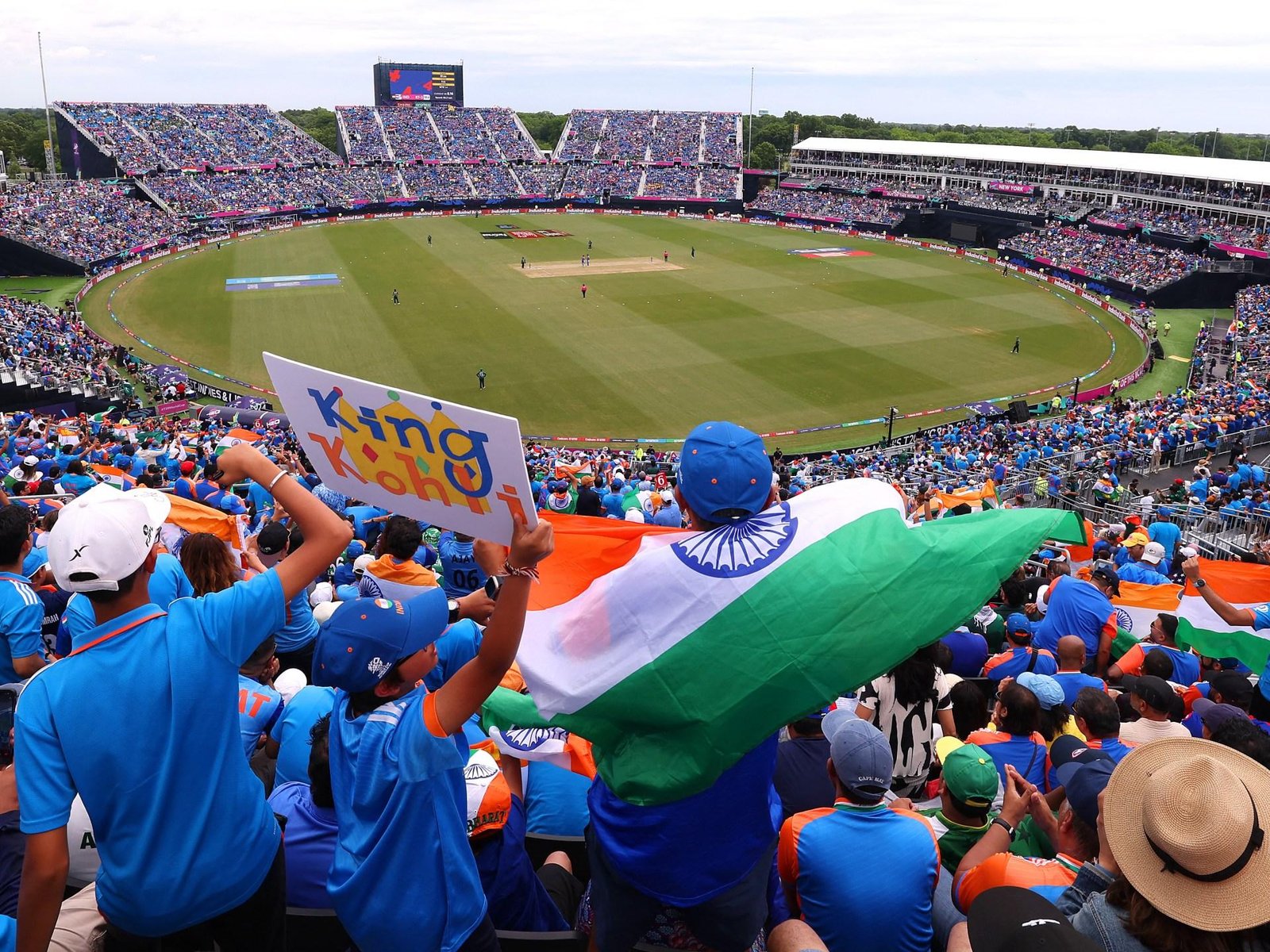
The league connects older and younger cricket fans by bringing retired legends back onto the field. For many families in India, watching these legends is a shared experience that connects parents, who saw these players in their prime, with children who are discovering them for the first time.
Common Misconceptions and Challenges
Despite its growth, there are several misconceptions regarding the league. A common mistake is to view it as a non competitive exhibition. However, the intensity on the field often leads to heated moments and high pressure finishes, proving that the competitive drive of these athletes remains intact. Another misconception is that the league is only for Indian players. In reality, it is a global platform featuring cricketers from Australia, South Africa, the West Indies, and England.
One of the main challenges is maintaining fitness levels of retired players due to age and injury risks. As players age, the risk of injury increases, which can sometimes impact the availability of star names. To mitigate this, the league has implemented strict physiotherapy and medical protocols. Additionally, scheduling matches to avoid overlap with major ICC events or the IPL is a constant logistical hurdle that the organizers must navigate to ensure maximum viewership.
Pro Tips for Following Legends League Cricket
To get the most out of the LLC experience, fans and analysts should look beyond just the final scores. Here are some expert insights on how to follow the league effectively:
- Track Fitness Trends: Observe which players have maintained their fitness levels, as they often become the most valuable assets for their franchises.
- Analyze Tactical Shifts: Many retired captains use the LLC to experiment with tactical innovations that they might not have tried during their international careers.
- Focus on Matchups: The league often recreates iconic rivalries from the 2000s. Watching a legendary pacer bowl to a legendary opening batsman provides a masterclass in cricket technique.
- Monitor Venue Conditions: Since the league often plays in diverse Indian conditions, understanding how the pitch behaves in cities like Surat or Vizag can provide deeper insight into the game.
Frequently Asked Questions (FAQ)
1. Who is eligible to play in Legends League Cricket?
Players who have officially retired from international cricket and are no longer under active contracts with major national T20 leagues like the IPL are generally eligible. Each franchise must follow specific squad composition rules set by the league organizers.
2. Is the league recognized by the ICC or BCCI?
While the league is a private venture, it operates within the broader framework of professional cricket. It often receives necessary clearances to ensure it does not conflict with the official cricket calendar. Many matches are held in stadiums owned by state cricket associations in India.
3. How many teams participate in the franchise version of the league?
The number of teams can vary by season, but the franchise model typically features six teams representing different regions. These include teams like India Capitals, Gujarat Giants, and Bhilwara Kings.
4. What is the format of the matches?
The league follows the standard T20 format. Each match consists of 20 overs per side, and the tournament usually includes a group stage followed by playoffs and a final.
5. Where can I watch Legends League Cricket matches?
Matches are broadcast on major sports networks in India and are also available on various digital streaming platforms. The league has a significant global reach, with broadcasting partners in multiple countries.
Conclusion
Legends League Cricket has successfully transformed the concept of veteran cricket into a professional, high stakes sporting commodity. By combining the emotional power of nostalgia with a structured franchise model, it has provided a second life to many of the game's greatest icons. As the league continues to evolve, its focus on competitive integrity and fan engagement will likely cement its position as a permanent fixture in the global cricket landscape. For fans in India, it remains a unique opportunity to celebrate the legacy of their heroes while enjoying the thrill of modern T20 cricket.
The primary takeaway for any enthusiast is that Legends League Cricket is not just a trip down memory lane, but a professionally managed sports property that demands excellence from its participants. This content is for informational purposes only. Please participate responsibly.





Comments 0
Leave a Reply
Your email address will not be published. Required fields are marked *
Be the first to share your thoughts!