
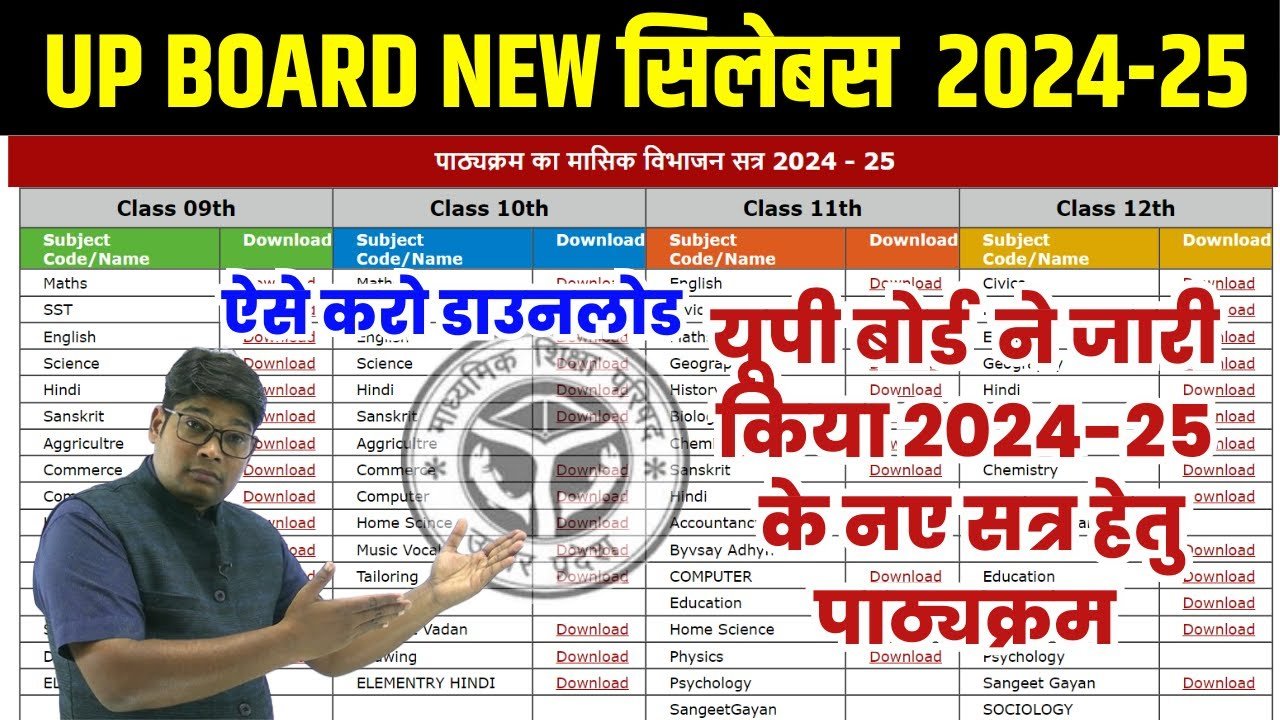
💡 Mastering the UPMSP Board Exams: A Comprehensive Guide to the Latest Syllabus and Proven Study Strategies
A complete guide for Class 10 and 12 students to navigate the UP Board syllabus, marking schemes, and effective study techniques for academic success.
To master the UPMSP Board Exams, students must align their preparation with the latest NCERT-based curriculum, prioritize the official marking scheme, and rigorously practice with previous year question papers. The Uttar Pradesh Madhyamik Shiksha Parishad (UPMSP) has shifted toward a more conceptual assessment pattern, making it vital to use official model papers and structured revision cycles. Success depends on balancing theoretical knowledge with practical application, particularly for the 20-mark MCQ section in Class 10 and specialized stream subjects in Class 12.
The Significance of the Uttar Pradesh Madhyamik Shiksha Parishad (UPMSP) Examinations
The UPMSP, commonly known as the UP Board, is one of the largest educational boards in the world in terms of student enrollment. For millions of students across Uttar Pradesh, the Class 10 (High School) and Class 12 (Intermediate) examinations are not just academic milestones but critical gateways to higher education and career opportunities. High performance in these exams is often a prerequisite for admission into prestigious universities and competitive professional courses. Understanding the gravity of these exams is the first step toward a disciplined preparation journey.
Navigating the UPMSP Curriculum: Understanding the Class 10 and 12 Syllabus Structure
In recent years, the UP Board has streamlined its curriculum to match national standards by adopting NCERT textbooks. This alignment ensures that students from Uttar Pradesh are on a level playing field with those from other national boards like CBSE when appearing for entrance exams like JEE or NEET.
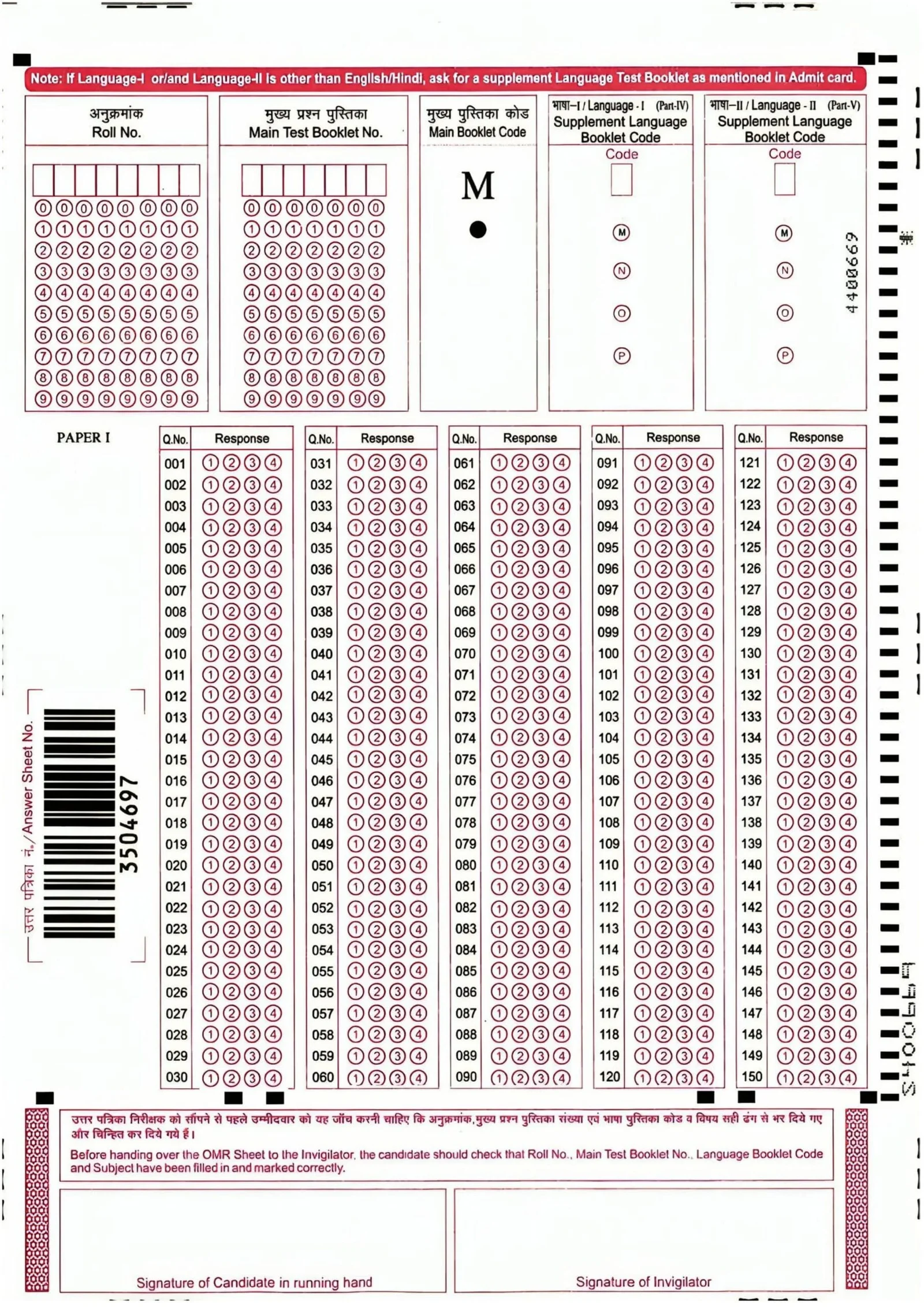
- Class 10: The syllabus focuses on core subjects including Science, Mathematics, Social Science, and Languages. A significant feature is the split in the examination pattern, where a portion of the paper consists of Multiple Choice Questions (MCQs) to be answered on an OMR sheet.
- Class 12: The curriculum is divided into streams—Science, Commerce, and Humanities. Each stream requires deep diving into specialized subjects. For instance, Science students must balance Physics, Chemistry, and Biology/Math, while Humanities students focus on History, Geography, and Civics.
Strategic Study Planning: Aligning Your Preparation with the UP Board Exam Pattern
A common mistake students make is studying without a clear understanding of the marking scheme. The UPMSP typically follows a 70+30 or 80+20 pattern. For most subjects in Class 10, 70 marks are allocated to the theory exam, while 30 marks come from internal assessments and practicals. In Class 12, the distribution varies by subject, with Science subjects having a 30-mark practical component.

To plan effectively, categorize chapters based on their weightage. Spend more time on high-yield topics that appear frequently in the exams. For example, in Mathematics, Calculus (for Class 12) or Algebra (for Class 10) often carries substantial marks. By focusing on these first, you secure a larger portion of your score early in your preparation.
Essential Resources and Textbooks: Leveraging NCERT and Model Papers
While many reference books are available in the market, the NCERT textbooks remain the primary resource. UPMSP exams are strictly based on the content provided in these books. Supplementing these with NCERT Solutions helps in understanding the step-by-step methodology required to solve complex problems.
Furthermore, the official UPMSP website releases model papers every year. These papers are a blueprint of the actual exam. Solving them helps you get accustomed to the language of the questions and the expected length of the answers. It also helps in identifying which sections of the syllabus the board prioritizes.
Subject-Wise Preparation Tactics: Effective Approaches
Every subject requires a different mental approach. Here is how you can tackle the core areas:
- Mathematics: Do not just read the solutions. Practice solving at least 10-15 problems daily. Create a formula sheet for quick revision and stick it near your study desk.
- Science: Focus on diagrams and chemical equations. In Biology, a well-labeled diagram can earn you full marks even if the description is brief. In Physics, understand the derivation of formulas rather than memorizing them.
- Languages (Hindi/English): Often neglected, these subjects are scoring. Focus on grammar rules and the format of formal letters and essays. Reading the prescribed prose and poetry chapters thoroughly is essential for context-based questions.
The Role of Previous Year Question Papers (PYQs)
Previous Year Question Papers are the most reliable tool for identifying high-yield topics. By analyzing the last five years of papers, you will notice that certain themes and questions repeat. For instance, specific theorems in Geometry or certain historical events in Social Science are perennial favorites of the examiners. Practicing PYQs also builds the stamina required to sit through a three-hour examination without losing focus.
Optimizing Performance: Time Management and Mental Preparation
Exam day performance is as much about psychology as it is about knowledge. Time management is crucial. Use the initial 15 minutes provided for reading the question paper to decide the order in which you will attempt the questions. Start with the ones you are most confident about to build momentum.
Mental preparation involves managing stress. Ensure you get 7-8 hours of sleep, especially during the exam week. Dehydration and lack of sleep can lead to silly mistakes in calculations or memory lapses during the paper.
Frequently Asked Questions
1. What are the passing criteria for the UPMSP exams?
Students must score at least 33% in each subject to pass. This includes both the theory and the practical/internal assessment marks. If a student fails in one or two subjects, they may be eligible for compartment exams.
2. How important are the OMR sheets in Class 10?
The OMR sheet accounts for 20 marks of the total 70-mark theory paper in Class 10. Since these are evaluated by machines, accuracy is vital. Use a black or blue ballpoint pen and ensure the circles are filled completely without any overlapping.
3. When are the UP Board practical exams usually held?
Practical exams are typically conducted in two phases, usually in January and February, before the main theory examinations commence. Students are evaluated by internal and external examiners based on their project work and viva-voce.
4. Where can I find the official UPMSP syllabus?
The updated syllabus for all subjects for Classes 9 through 12 is available for download on the official UPMSP website (upmsp.edu.in) in the 'Syllabus' section.
5. When are the results usually announced?
While dates vary each year, the UPMSP typically announces results in late April or May. The board usually provides a specific window for students to apply for re-evaluation or scrutiny if they are unsatisfied with their marks.
Conclusion: Building Confidence Through Consistent Revision
Success in the UPMSP board exams is the result of consistent, disciplined effort rather than last-minute cramming. By mastering the NCERT syllabus, practicing with model papers, and refining your time management skills, you can approach the examination hall with confidence. Remember that the goal is not just to memorize but to understand the concepts deeply enough to apply them. Stay organized, keep your revision cycles short and frequent, and maintain a positive mindset to achieve your academic goals.





Comments 0
Leave a Reply
Your email address will not be published. Required fields are marked *
Be the first to share your thoughts!