
💡 The Rising Rivalry: A Comprehensive Analysis of Oman vs Scotland in International Cricket
An in-depth look at the growing cricket rivalry between Oman and Scotland, exploring their head-to-head stats, tactical differences, and impact on Associate cricket.
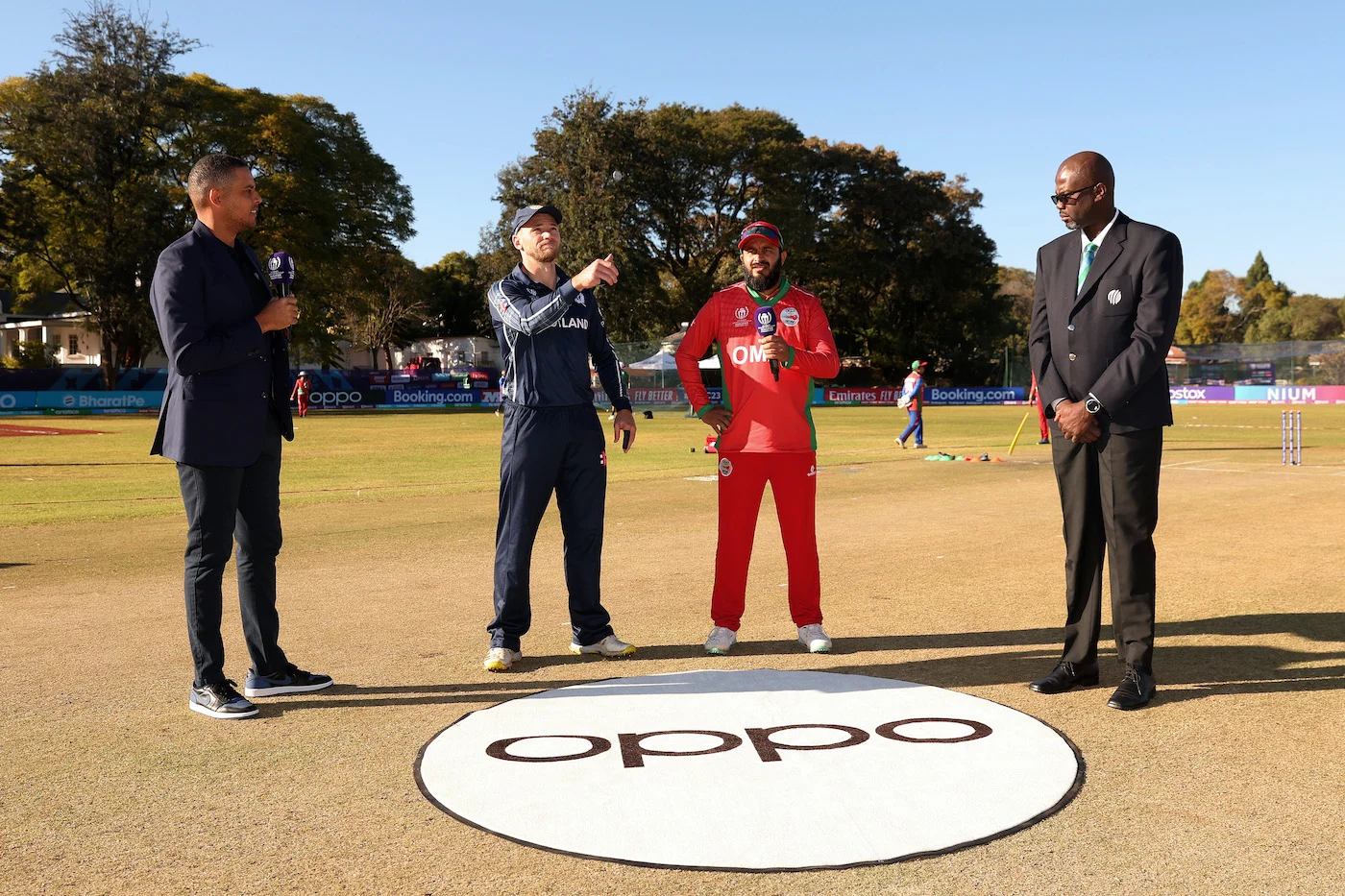
The rivalry between Oman and Scotland represents the highest level of competition within the ICC Associate Member tier. While Scotland historically holds a statistical advantage due to their longer tenure in international cricket, Oman has rapidly closed the gap through significant infrastructure investment and a spin-heavy tactical approach. These two nations frequently face off in critical ICC Cricket World Cup League 2 fixtures and T20 World Cup Qualifiers, making their encounters a benchmark for the growth of cricket outside the traditional Test-playing nations.
Beyond the Boundary: The Significance of the Oman-Scotland Matchup in Associate Cricket
In the world of Associate cricket, every match carries the weight of potential funding, ODI status, and global visibility. When Oman and Scotland meet, it is more than just a game; it is a battle for supremacy among the "best of the rest." Scotland has long been the gold standard for Associate nations, often pushing Full Members to their limits. Oman, on the other hand, represents the rising tide of Gulf cricket.
This matchup is significant because it highlights two different models of success. Scotland relies on a robust domestic structure and a long-standing cricketing culture. Oman has built its success on a centralized high-performance center and a squad that has played together consistently for years. For fans in India and across the globe, this rivalry offers a glimpse into the expanding map of international cricket, proving that quality and intensity are not exclusive to the powerhouse nations.
Tracing the Evolution: How Oman and Scotland Became Pillars of the ICC Associate Member Tier
Scotland’s journey in international cricket dates back decades, with their first World Cup appearance in 1999. They have consistently produced world-class talent and have remained at the top of the Associate rankings. Their evolution has been marked by a transition from being "competitive losers" to a team that can genuinely beat Full Members, as seen in their historic victory over England in 2018.
Oman’s rise is more recent but arguably more meteoric. In the early 2010s, Oman was competing in lower-division ICC events. By 2016, they had qualified for their first T20 World Cup, famously defeating Ireland in the group stages. The development of the Al Amerat Cricket Ground provided a world-class home base, allowing them to host international series and refine their skills against touring sides. Today, Oman is a mainstay in the ICC Cricket World Cup League 2, standing shoulder-to-shoulder with established teams like Scotland.

Statistical Breakdown: Analyzing Head-to-Head Records in T20Is and One Day Internationals
When looking at the numbers, Scotland generally holds the upper hand. In One Day Internationals (ODIs), Scotland has won the majority of their encounters, often benefiting from a more experienced middle order and a versatile pace attack. However, the margin of victory has narrowed significantly over the last three years.
In T20 Internationals, the gap is even smaller. Oman’s familiarity with slower, lower-bouncing tracks makes them a formidable opponent in the shortest format. Statistical trends show that Scotland tends to dominate in the Powerplay overs with the bat, while Oman’s strength lies in the middle overs, where their spinners—led by the likes of Zeeshan Maqsood—constrict the scoring rate. Analyzing these head-to-head records reveals that while Scotland is the favorite on paper, Oman is the king of the "upset" in subcontinental-style conditions.
Tactical Nuances: How Subcontinental Conditions and European Climates Shape Their Respective Playstyles
The playing styles of these two nations are heavily influenced by their home environments. Scotland plays the majority of its home cricket in cool, windy, and often overcast conditions. This has bred a generation of bowlers who excel at swing and seam, and batsmen who are comfortable playing the ball late and dealing with horizontal movement.
Conversely, Oman trains and plays in the intense heat of Muscat. The pitches at Al Amerat are generally dry and abrasive, favoring finger spinners and slow-ball specialists. Tactically, Oman relies on building pressure through dots, forcing batsmen to take risks against the turn. When Scotland travels to the Middle East, they often struggle with the heat and the lack of pace off the pitch. When Oman travels to Europe, they find it challenging to adjust to the extra bounce and the moving ball. This geographical divide makes home-ground advantage a massive factor in their rivalry.

The Battle of Infrastructure: Comparing the Al Amerat Cricket Ground and The Grange Club
Infrastructure is the backbone of any rising cricket nation. The Al Amerat Cricket Ground in Oman is a modern marvel, featuring multiple turf grounds, high-quality floodlights, and an indoor academy that allows for year-round training. It has become a neutral hub for international cricket, even hosting matches for the T20 World Cup. Its facilities are designed for the modern, professional athlete.
The Grange Club in Edinburgh offers a different kind of prestige. It is one of the most picturesque grounds in the world, steeped in tradition. While it lacks the high-tech, multi-ground setup of Al Amerat, the lush green outfields and the unique atmosphere provide a classic cricketing experience. The contrast between the desert oasis of Al Amerat and the historic greenery of The Grange perfectly encapsulates the diverse world of Associate cricket.
Key Personnel: Identifying the Impact Players Who Define the Oman-Scotland Dynamic
The rivalry is often defined by individual brilliance. For Scotland, Richie Berrington has been the bedrock of the batting lineup for years, providing stability and leadership. George Munsey is another vital player, known for his unconventional reverse sweeps and ability to take the game away from the opposition in the Powerplay.
For Oman, Zeeshan Maqsood is the talisman. As a genuine all-rounder, his left-arm spin and aggressive batting are central to Oman's strategy. Aqib Ilyas is perhaps the most technically gifted batsman in the Associate circuit, capable of anchoring an innings or accelerating when needed. The battle between Scotland’s pace battery and Oman’s top-order specialists usually decides the outcome of their fixtures.
The Path to the World Cup: Their Shared Journey Through ICC Qualification Tournaments
Both Oman and Scotland find themselves in the same boat when it comes to global tournaments. They are too good for the lower divisions but must fight tooth and nail to break into the 10 or 14-team World Cup formats. This shared journey often places them in direct competition during the ICC World Cup Qualifiers.
In recent years, the ICC’s expansion of the T20 World Cup to 20 teams has been a boon for both. They no longer just hope to qualify; they expect to. Their matches in the League 2 cycle are essentially a long-term qualifying process for the 50-over World Cup. Every win against each other is a step toward avoiding the daunting repechage rounds and securing an automatic spot in the main event.
Common Questions Regarding Oman vs Scotland Fixtures and Rankings
Who has the better ranking? Generally, Scotland maintains a higher ranking in both ODIs and T20Is, usually hovering between 12th and 15th in the world, while Oman typically sits between 16th and 18th.
Where can I watch these matches? Most Oman vs Scotland fixtures in the ICC League 2 are broadcast on ICC.tv or regional sports networks like FanCode in India.
Do these teams play Test cricket? No, neither Oman nor Scotland currently has Test status. They focus primarily on the white-ball formats (ODI and T20I).
The Future Outlook: What to Expect from This Emerging International Rivalry
The future of the Oman-Scotland rivalry looks bright. As the ICC continues to look for ways to globalize the game, these two teams will remain at the forefront of that expansion. We can expect to see more frequent bilateral series and perhaps even a move toward multi-format series if they eventually gain Test status. With Oman’s youth development programs and Scotland’s increasing number of players participating in global T20 leagues, the quality of cricket between these two is only going to improve, making it a fixture that cricket purists should never miss.
Conclusion
The rivalry between Oman and Scotland is a testament to the depth of talent in international cricket beyond the Full Member nations. While Scotland brings experience and European conditions to the table, Oman counters with subcontinental flair and world-class facilities. As both teams continue to chase World Cup glory, their head-to-head encounters will remain some of the most tactically interesting and high-stakes matches in the Associate world.




Comments 0
Leave a Reply
Your email address will not be published. Required fields are marked *
Be the first to share your thoughts!