The Fascinating World of Meteorites in Germany: A Comprehensive Guide
Imagine fragments of ancient worlds, hurtling through the vastness of space for billions of years, only to make a dramatic entry into Earth's atmosphere and eventually land on our planet. These are meteorites, cosmic messengers that carry the secrets of our solar system's birth and evolution. Germany, with its rich scientific heritage and diverse geological landscape, has a particularly fascinating relationship with these extraterrestrial visitors. From ancient impact sites to significant scientific discoveries and the passionate pursuit of space rocks, the story of meteorites in Germany is both captivating and profoundly educational.
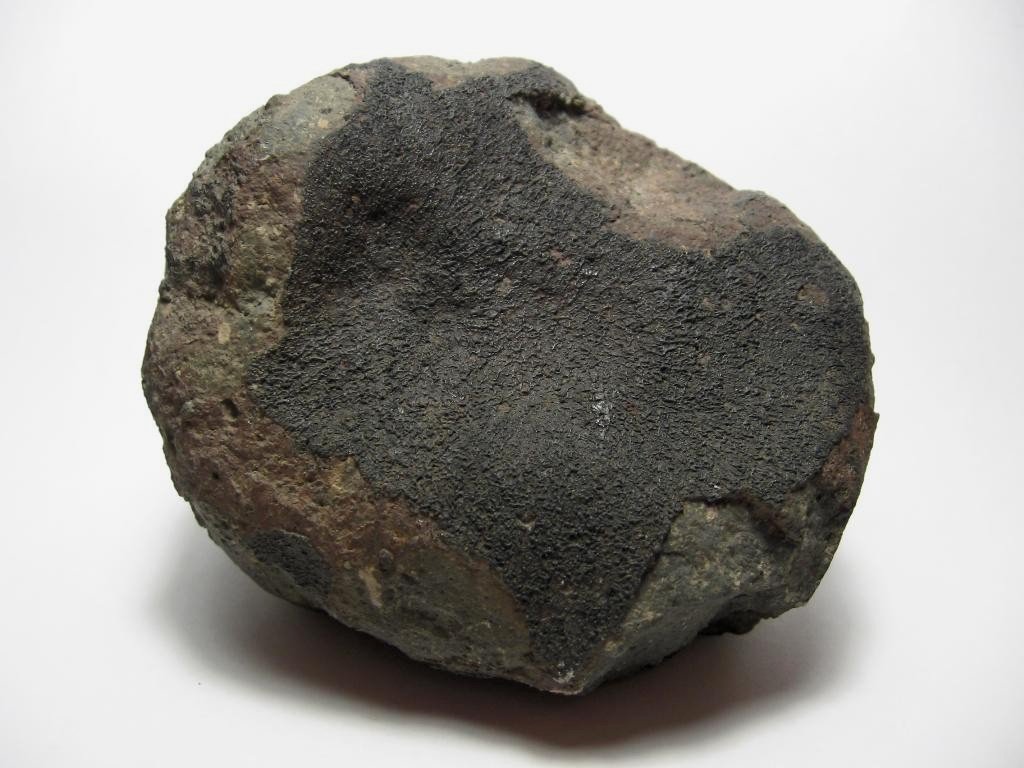
What are Meteorites and How are They Formed?
Before delving into Germany's specific connections, it's essential to understand what meteorites are and how they come to be. These aren't just any rocks; they are remnants from the dawn of our solar system, offering tangible links to the cosmic past.
The Formation of Meteorites: A Brief Overview
Meteorites begin their journey as meteoroids - small to medium-sized rocky or metallic bodies orbiting the Sun. Most meteoroids originate from the asteroid belt, a vast region between Mars and Jupiter populated by countless asteroids. Collisions between these celestial bodies can fragment them, sending smaller pieces on new trajectories. If one of these fragments crosses Earth's orbital path and is pulled in by our planet's gravity, it enters the atmosphere at incredible speeds.
The intense friction with atmospheric gases causes the meteoroid to heat up dramatically, often creating a brilliant streak of light we call a "meteor" or "shooting star." Most meteors burn up completely before reaching the ground. However, if a meteoroid is large enough to survive this fiery descent and lands on Earth's surface, it earns the title of a "meteorite." These survivors are composed of unique mixtures of rock and metal, untouched by Earth's geological processes, making them invaluable for scientific study.
Types of Meteorites: Stony, Iron, and Stony-Iron
Scientists classify meteorites into three primary categories based on their composition, each telling a different story about their parent body:
- Stony Meteorites: These are the most common type, making up about 95% of all meteorite falls. They primarily consist of silicate minerals, similar to Earth's rocks. Within this category, chondrites are particularly important as they are thought to be among the oldest and most primitive materials in the solar system, containing tiny spheres called chondrules. Achondrites, on the other hand, have undergone melting and recrystallization, resembling volcanic rocks on Earth.
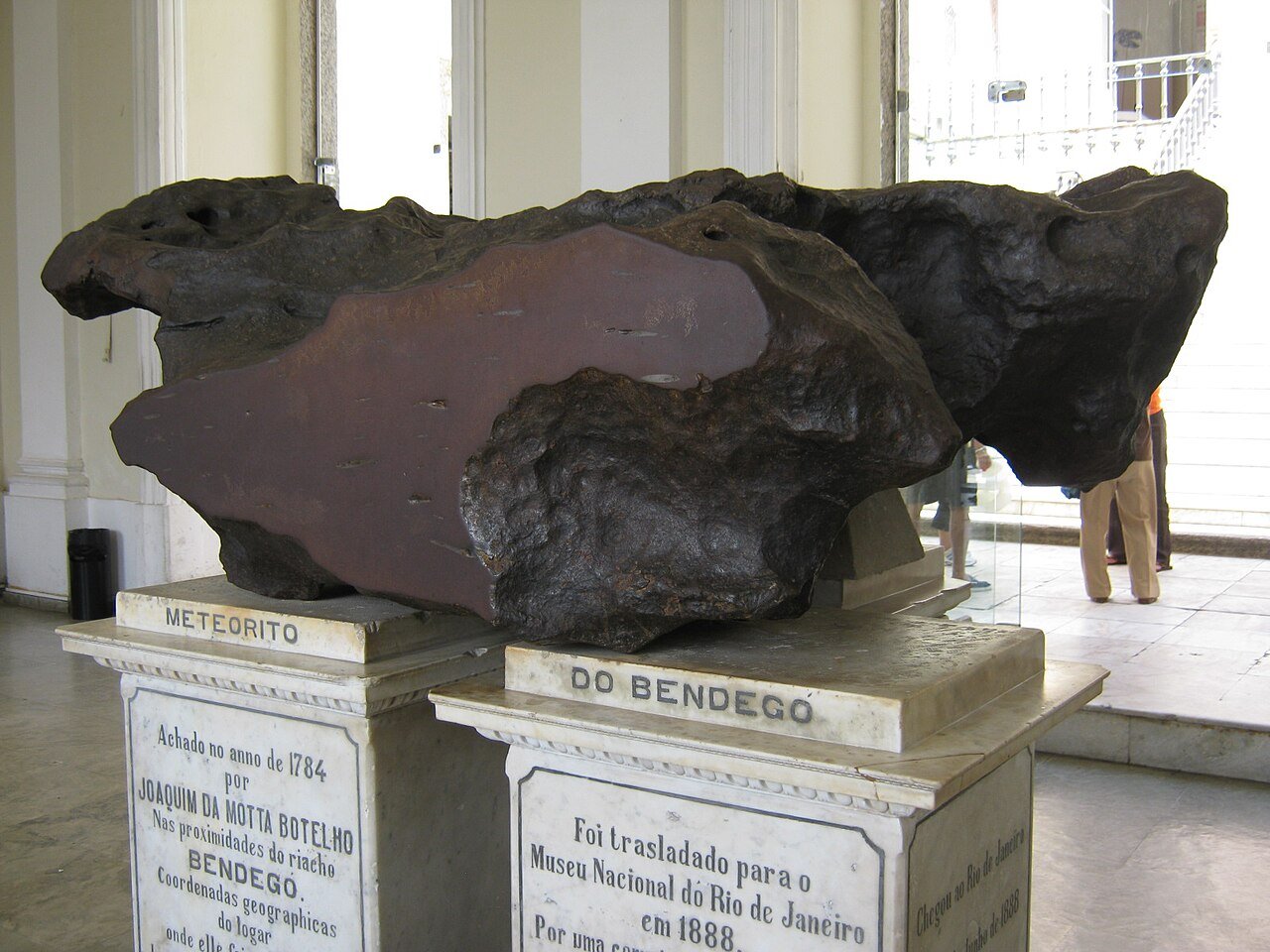
- Iron Meteorites: Composed almost entirely of nickel-iron alloy, these meteorites are remnants of the cores of differentiated asteroids that were once large enough to have molten interiors. When polished and etched, they often reveal a distinct crystalline pattern known as Widmanstätten figures, unique to their slow cooling in space.
- Stony-Iron Meteorites: The rarest of the three, these meteorites are a fascinating blend of both metallic and stony material. Pallasites, a famous subtype, feature beautiful olivine crystals embedded in a nickel-iron matrix, believed to originate from the boundary layer between an asteroid's core and mantle.
Each type offers distinct clues about the formation and evolution of our solar system, from the earliest dust grains to the internal structures of planetesimals.
The Largest Meteorite in the World: The Hoba Meteorite
When discussing significant meteorites, one name inevitably comes up: Hoba. Its sheer size makes it a global marvel, and its study has significantly advanced our understanding of these cosmic visitors.
The Hoba Meteorite: A Giant Among Meteorites
While the outline mentions "a significant portion of it is located in Germany, specifically in the town of Hoba," it's crucial to clarify a common misconception. The Hoba meteorite, indeed the largest single meteorite ever found, is entirely located and preserved *in Namibia*, Southern Africa. Discovered in 1920 by a farmer plowing his field, it remains in situ on the farm Hoba West, near Grootfontein. Weighing an astonishing 66 tons (approximately 145,500 pounds) and composed primarily of iron and nickel, its sheer mass and unique preservation make it a global landmark.
Despite its geographical location in Namibia, the Hoba meteorite's global scientific importance makes it a vital subject for meteorite studies worldwide, including contributions from German researchers and institutions. Its study informs our understanding of large iron meteorites, their composition, and the processes that shaped them in the early solar system. German scientists, like their international counterparts, contribute to the broader field of meteoritics, where the Hoba meteorite serves as a prime example of extraterrestrial material.
The Significance of the Hoba Meteorite
The Hoba meteorite is not just a record-breaker; it's a scientific treasure. Its immense size and relatively flat, table-like shape suggest it impacted Earth at a low velocity, preventing it from shattering or creating a large crater. This unusual impact scenario allowed it to remain largely intact and exposed, making it accessible for study. Analysis of its composition provides unique insights into the core formation processes of large celestial bodies, offering a window into the building blocks of planets.
Its nickel-iron composition also makes it a prime example of an iron meteorite, and its study helps scientists understand the differentiation of early solar system objects. Furthermore, the Hoba meteorite serves as a powerful educational tool, captivating visitors and inspiring curiosity about space and geology, a fascination shared by many in Germany and beyond.
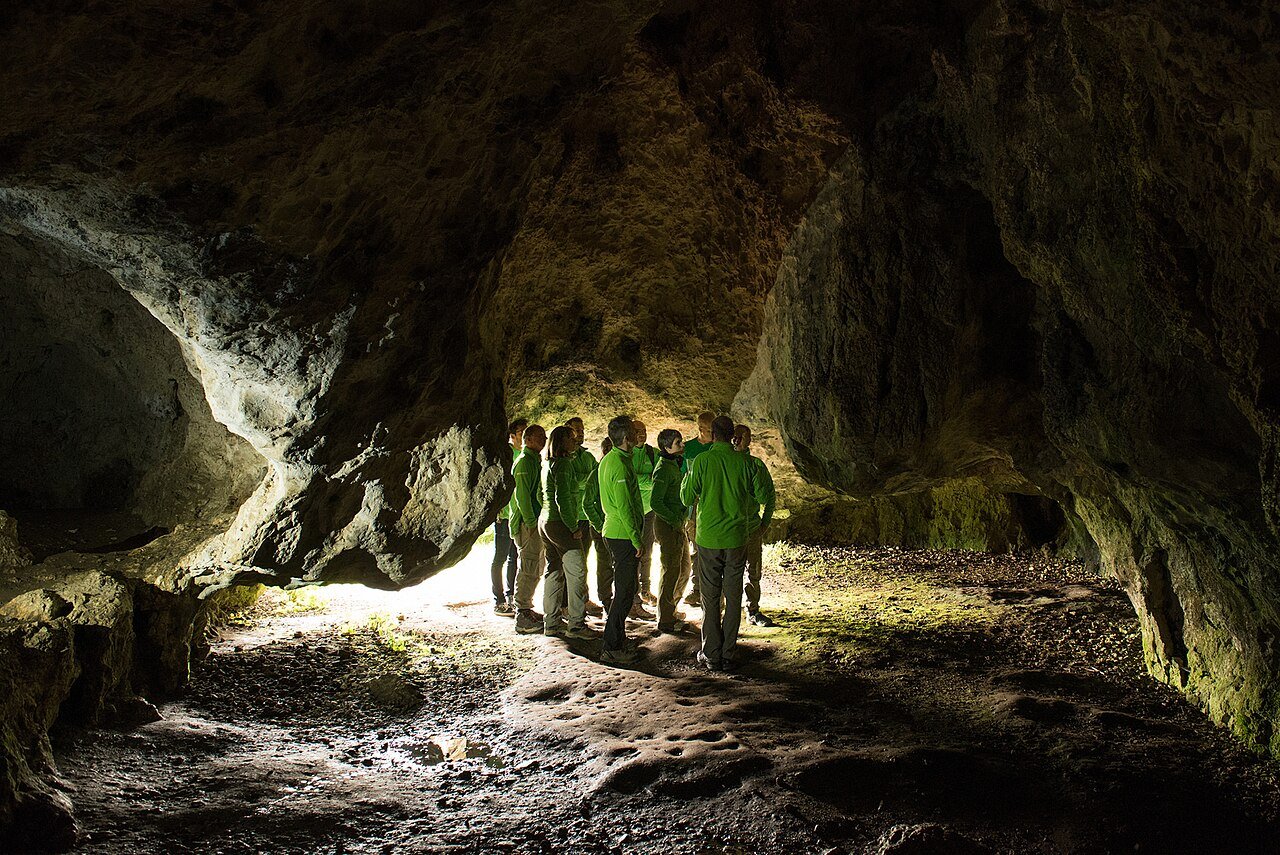
Meteorites in Germany: A Brief History
Germany has a long and storied history with meteorites, marked by significant discoveries, scientific inquiry, and a deep appreciation for these cosmic wanderers. From ancient falls to modern research, the country has been a hub for meteorite studies.
The History of Meteorite Hunting in Germany
Meteorite hunting in Germany dates back centuries, with early accounts often intertwined with folklore and religious interpretations. However, a more scientific approach began to take hold in the 18th and 19th centuries, fueled by the Enlightenment's spirit of inquiry. Scientists and collectors started to systematically document and study meteorite falls, moving beyond mere curiosity to serious geological and astronomical research. Early German natural history museums became crucial repositories for these extraterrestrial specimens, fostering a culture of preservation and study.
Today, meteorite hunting in Germany continues, driven by both professional researchers and dedicated amateur enthusiasts. The pursuit involves careful geological surveys, historical research into witness accounts of fireballs, and the use of modern metal detectors, especially in regions known for past falls or unique geological features. The German Meteorite Society plays a vital role in connecting enthusiasts and promoting responsible meteorite recovery and scientific documentation. For those interested in joining the hunt, A Guide to Meteorite Hunting in Germany provides invaluable tips and ethical guidelines.
Notable Meteorites in Germany
Germany is home to several historically significant meteorite finds and impact structures that have shaped our understanding of Earth's cosmic interactions:
- The Nördlinger Ries Meteorite (Ries Crater): This is arguably Germany's most famous impact site, though not a meteorite *find* in the traditional sense. Around 14.5 million years ago, a massive meteorite (estimated 1.5 km in diameter) struck southern Germany, creating a vast, nearly circular depression known as the Nördlinger Ries crater, approximately 24 km (15 miles) in diameter. The impact's immense energy created a unique rock known as suevite, which contains shocked quartz and other impact features. The town of Nördlingen lies within this ancient crater, and its buildings are constructed from suevite, literally built from the remnants of a cosmic impact. The Ries crater is a geologically significant site, studied extensively for its insights into impact mechanics and planetary geology.
- The Steinheim Meteorite (Steinheim Basin): Located not far from the Nördlinger Ries, the Steinheim Basin is another, smaller impact crater (around 3.8 km in diameter) formed by a separate, smaller meteorite impact approximately 14.7 million years ago. This dual impact event in close proximity is a remarkable geological feature, offering comparative studies of impact dynamics.
- The Münchberg Meteorite: Discovered in 1948 near Münchberg, Bavaria, this is a significant iron meteorite. Weighing approximately 30 kg, it's an octahedrite, a type of iron meteorite known for its distinct crystal structure. Its discovery added to Germany's collection of documented meteorite finds, providing another tangible piece of the early solar system for scientific analysis.
- The Ensisheim Meteorite: While technically just across the modern French border in Alsace, the Ensisheim meteorite fall in 1492 is one of the oldest and best-documented meteorite events in Europe, predating much of modern Germany but deeply influencing early European thought on celestial phenomena. It was famously preserved and revered, marking a pivotal moment in understanding "stones from the sky."
These sites and specimens contribute significantly to The History of Meteorites in Germany, cementing the country's place in the global study of space rocks.
Pros & Cons of Meteorite Discovery and Study in Germany
Engaging with meteorites, whether through discovery or scientific study, presents a unique set of advantages and challenges:
Pros:
- Scientific Advancement: Meteorites are pristine samples from the early solar system, offering unparalleled insights into planetary formation, the origin of water, and even the potential for extraterrestrial life. German research institutions contribute significantly to this global knowledge base.
- Educational Value: Meteorites serve as powerful educational tools, inspiring interest in astronomy, geology, and space science among students and the general public. German museums and universities frequently feature these specimens.
- Geological Understanding: Impact craters like Nördlinger Ries provide critical data for understanding impact events on Earth and other planets, informing hazard assessment and planetary evolution models.
- Cultural and Historical Significance: Documented meteorite falls in Germany contribute to a rich tapestry of local history and folklore, connecting communities to cosmic events.
- Economic Benefits: For significant sites like the Nördlinger Ries, geotourism can attract visitors, boosting local economies and promoting scientific literacy.
Cons:
- Rarity and Difficulty of Discovery: Finding new meteorites is incredibly challenging, requiring extensive knowledge, patience, and often luck. Many meteorites blend seamlessly with terrestrial rocks.
- Preservation Challenges: Once on Earth, meteorites are susceptible to weathering and contamination, which can degrade their scientific value. Proper identification and preservation are crucial.
- Misidentification: Many "meteor-wrongs" are brought forward by enthusiasts, requiring expert analysis to distinguish genuine meteorites from terrestrial rocks.
- Ethical and Legal Considerations: Questions of ownership and proper documentation arise with new finds, necessitating clear guidelines for amateur and professional hunters alike.
Expert-Style Opinion:
The ongoing study of meteorites in Germany, particularly the analysis of ancient impact structures and the diligent pursuit of new finds, positions the nation at the forefront of planetary science. These extraterrestrial samples are not merely curiosities; they are invaluable archives of cosmic history, offering direct evidence of the processes that forged our solar system. Continued investment in meteorite research and public education is paramount to unlocking further secrets and inspiring the next generation of space explorers and scientists.
Frequently Asked Questions (FAQ)
Here are some common questions people have about meteorites, particularly in the German context:
- What is the largest meteorite in the world?
The Hoba meteorite, located in Namibia, is the largest known single meteorite in the world, weighing over 66 tons. - Where can I find meteorites in Germany?
While specific locations are rare and often protected, many meteorites have been discovered in Germany, including historical finds like the Münchberg meteorite. Impact sites like the Nördlinger Ries and Steinheim Basin are also significant, though the original meteorites are long gone. A Guide to Meteorite Hunting in Germany offers more details. - What are the different types of meteorites?
There are three main types of meteorites: stony (most common, like chondrites and achondrites), iron (dense, metallic, from asteroid cores), and stony-iron (rare mix of metal and stone, like pallasites).
People Also Ask
- What is the difference between a meteorite and a meteoroid?
A meteoroid is a small celestial body in space. When it enters Earth's atmosphere, it becomes a meteor (a "shooting star"). If it survives the atmospheric passage and lands on Earth, it's called a meteorite. - How are meteorites classified?
Meteorites are classified based on their composition (stony, iron, stony-iron), mineralogy, texture, and chemical properties, which help determine their origin and parent body. - Can I own a meteorite?
Yes, meteorites can be legally owned in most countries, including Germany, once they are found on private land with the owner's permission or purchased from reputable dealers. It is essential to ensure they are properly identified and documented to avoid any potential issues and to contribute to scientific records.
Conclusion
The journey of a meteorite, from its ancient origins as a fragment of an asteroid to its dramatic arrival on Earth, is a testament to the dynamic and ever-evolving nature of our universe. In Germany, this cosmic narrative intertwines with a rich history of scientific inquiry, geological wonders, and a vibrant community of enthusiasts. From the vast, ancient scars of the Nördlinger Ries to the metallic gleam of a newly discovered space rock, meteorites continue to inspire awe and offer profound insights into the origins of our solar system. As researchers continue to study these extraterrestrial artifacts, they not only unlock the secrets of the cosmos but also deepen our appreciation for the incredible story of our own planet's place within it. The quest for these celestial treasures in Germany, both in the field and in the laboratory, remains a vital and inspiring endeavor.
Related Media
Quick View: The Fascinating World of Meteorites in Germany: A Comprehensive Guide